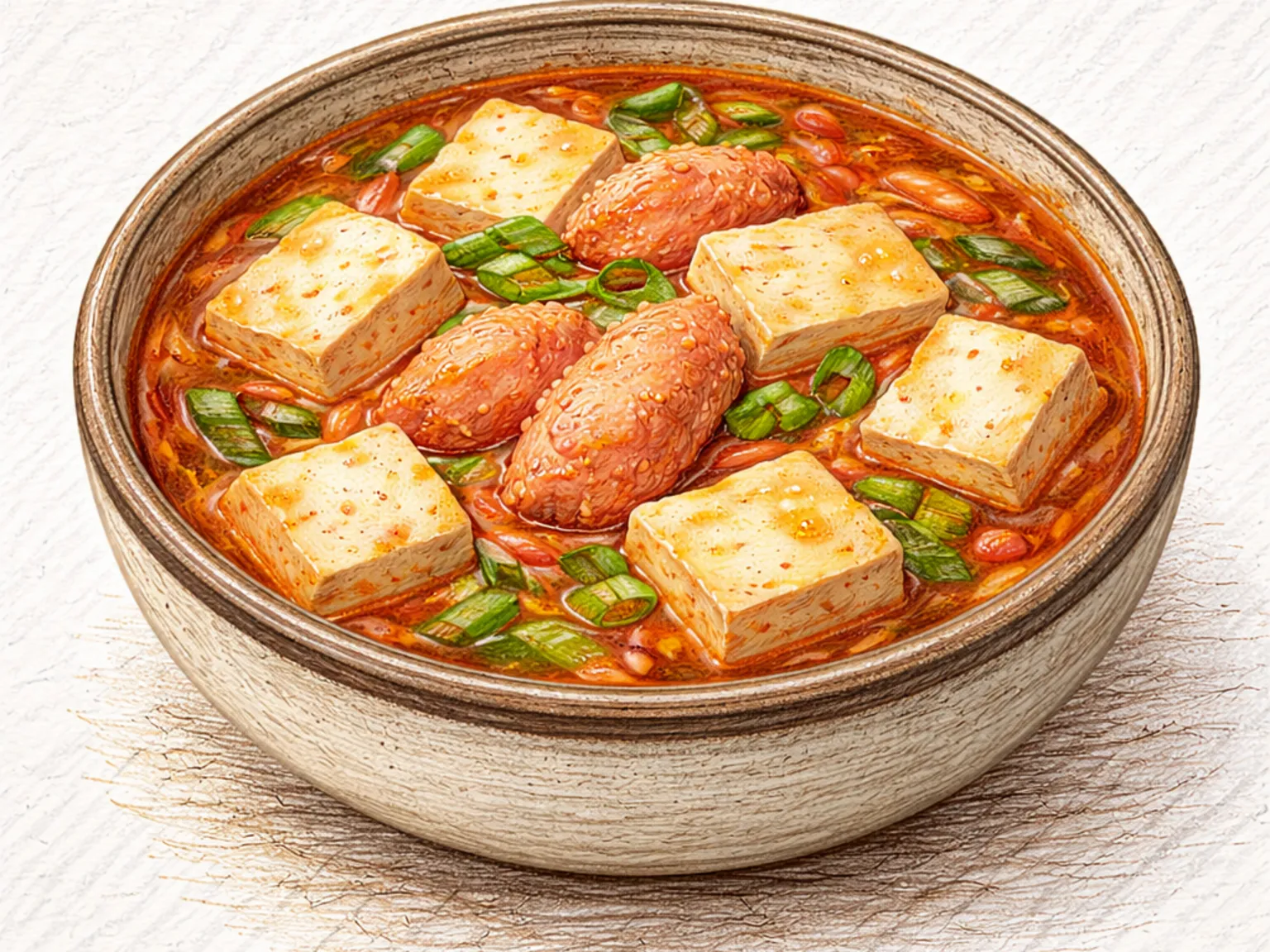
Korean Pollack Roe Tofu Stew
Myeongnan jjigae features whole pollack roe (mentaiko) simmered in anchovy broth, where the roe gradually breaks apart and disperses its briny, umami-rich flavor throughout the stew. Tofu absorbs the savory liquid, and red pepper flakes plus green onion add color and mild spice. The grainy texture of the roe sets this stew apart, and spooning the broth over steamed rice is the best way to enjoy it.
Adjust Servings
Instructions
- 1
Bring anchovy broth to a boil and add red pepper flakes.
- 2
Add tofu and simmer.
- 3
Add pollack roe and heat through.
- 4
Add green onion; adjust seasoning with salt.
As an Amazon Associate, we may earn from qualifying purchases.
Tips
Nutrition (per serving)
More Recipes

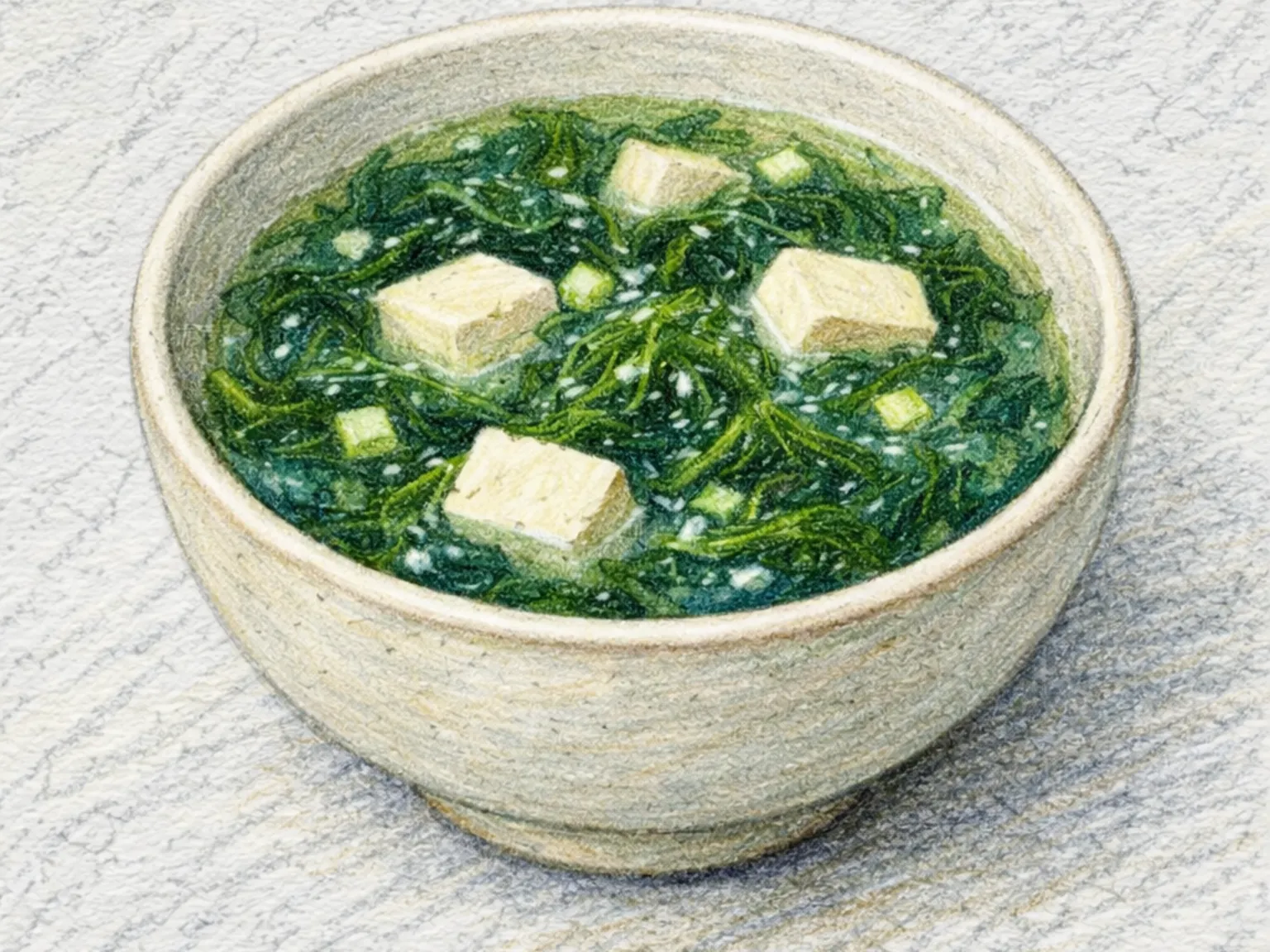
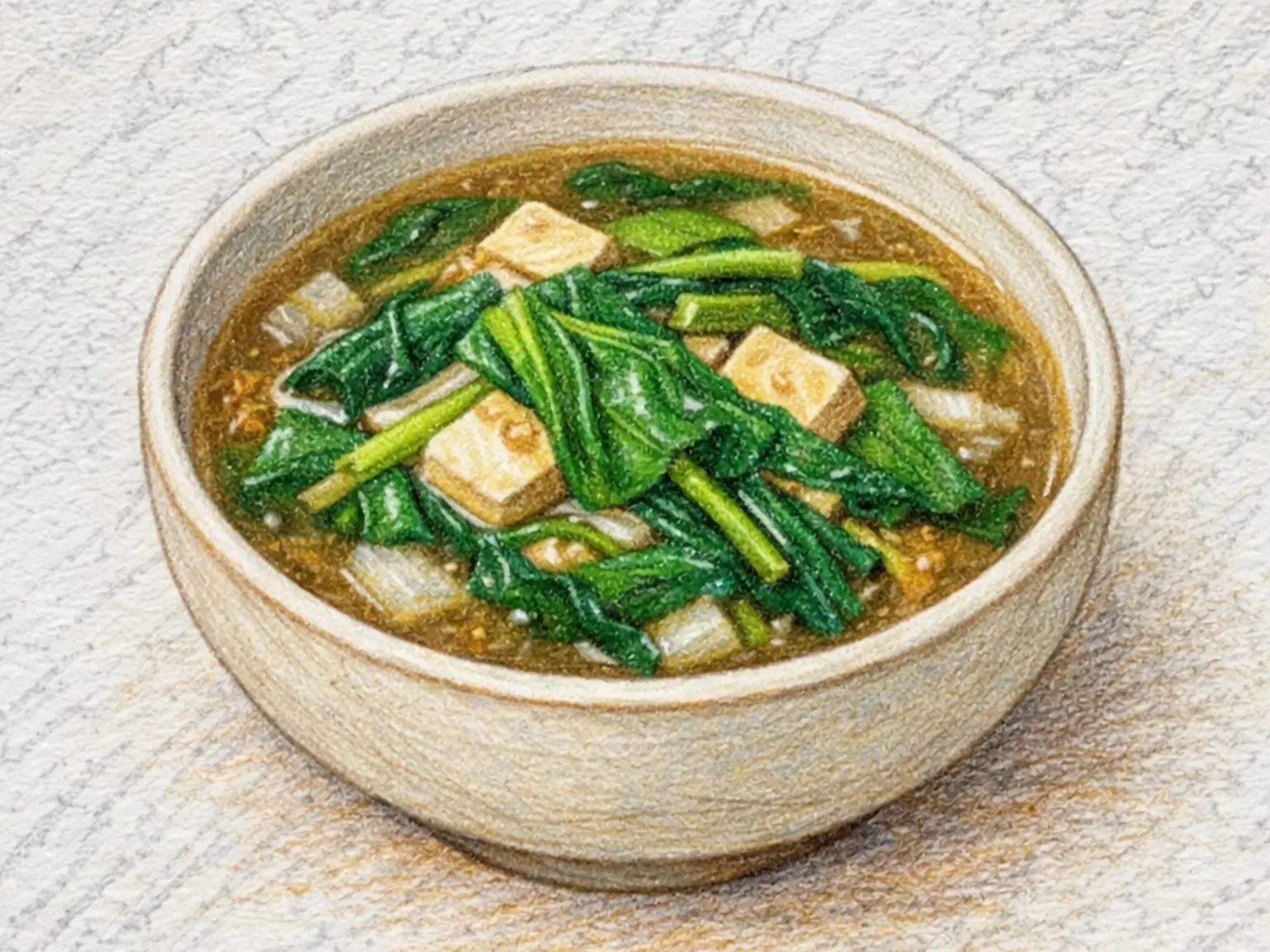
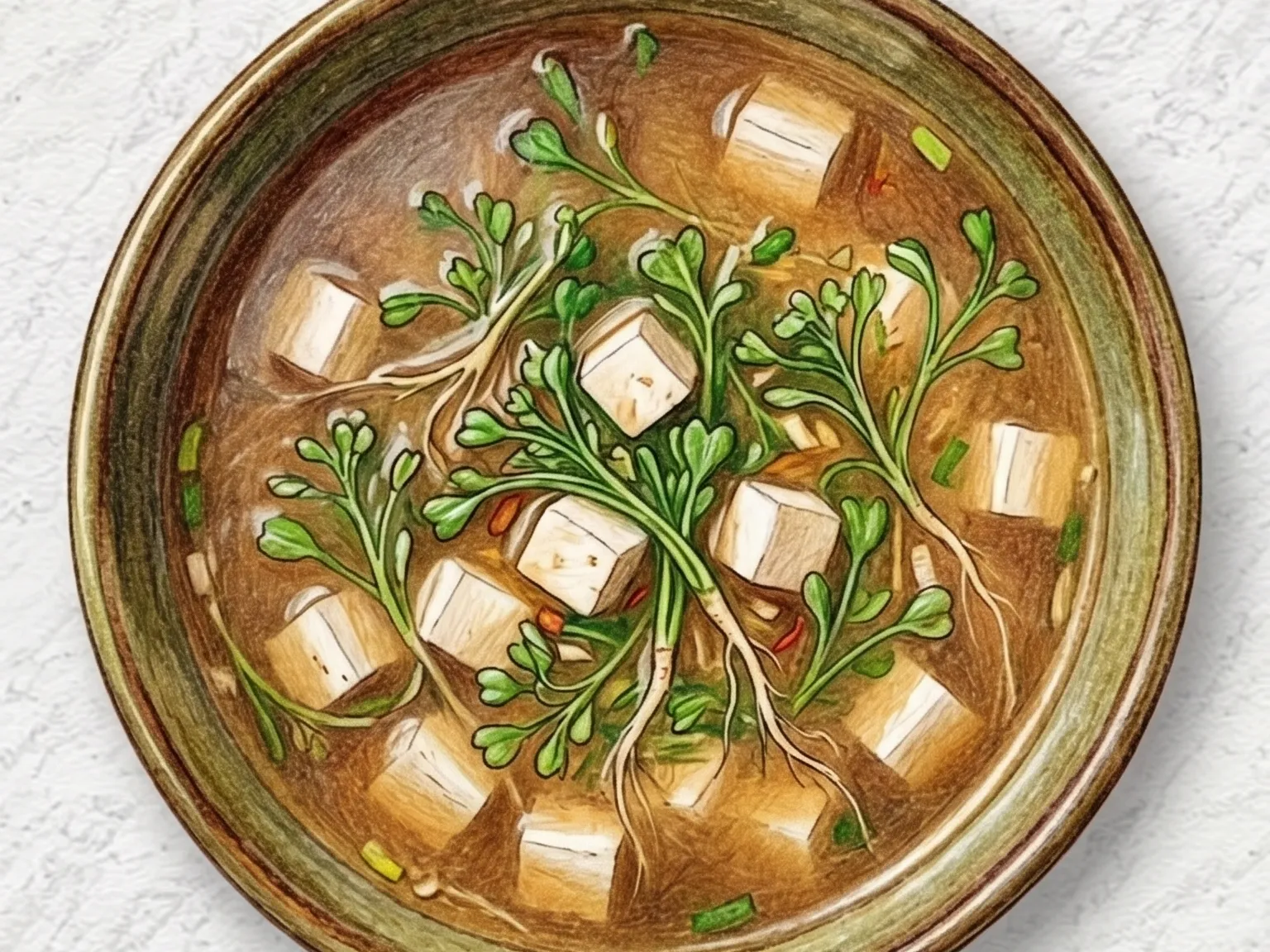
Korean Dried Pollack Stew
Hwangtae jjigae is a minimalist stew built from just three main ingredients: dried pollack strips, tofu, and eggs. Toasting the pollack in sesame oil before adding water draws out a deep, nutty aroma that forms the backbone of the broth. Tofu provides a soft contrast, and beaten eggs swirled into the simmering liquid create silky ribbons throughout. With so few ingredients, this is an accessible dish that comes together quickly when the pantry is sparse.

Korean Tofu Stew (Spicy Kimchi & Firm Tofu Pot)
A straightforward jjigae that highlights firm tofu and kimchi in a spicy anchovy broth. Gochugaru dissolves into the stock to create a vivid red, peppery base, while the kimchi's fermented tang adds complexity with each passing minute on the stove. Green onion rounds out the aromatics. Despite using only five main ingredients, the fermented kimchi does the heavy lifting, producing a broth with layered acidity and depth.

Korean Potato Stew (Pork & Potato Spicy Gochujang Pot)
A straightforward Korean stew built around whole potatoes and pork, seasoned with gochujang and gochugaru. As the potatoes soften, they thicken the broth naturally, giving it a hearty consistency. The pork adds a mild meatiness that balances the spicy-sweet kick of the chili paste. With just five core ingredients, this is a simple home-style stew that comes together quickly.

Korean Eel Stew (Freshwater Eel in Spicy Perilla Broth)
Jangeo jjigae is a nourishing Korean stew featuring freshwater eel simmered in a gochujang-based broth thickened with ground perilla seeds. The eel's rich, oily flesh melds with the fermented chili paste to produce an intensely savory liquid, while the perilla adds a creamy, nutty body. Red pepper flakes layer additional heat on top of the gochujang's sweetness. Traditionally considered a stamina food, this hearty stew is especially popular during the hot summer months.

Gamjaguk (Potato Doenjang Anchovy Soup)
Gamjaguk is about as elemental as Korean soup gets - potatoes simmered in anchovy stock and seasoned with either doenjang or plain salt. When doenjang is used, the broth picks up a deep fermented savoriness that wraps around the mild potato flavor. When salt alone seasons the pot, the potato's own gentle sweetness becomes the star. Either way, the potatoes soften until their edges begin to dissolve, releasing starch that gives the broth a silky quality. Garlic and green onion provide the aromatic backbone, and a handful of zucchini can stretch the bowl into something more colorful. The beauty of gamjaguk lies in its accessibility - it can be assembled from a nearly empty refrigerator in fifteen minutes and still taste like home. It is one of those soups Korean families eat so often that it barely registers as a recipe, yet it remains one of the most requested comfort foods.

Korean Mentaiko Butter Grilled Cod Roe
Myeongnan-butter-gui is a Korean pan-grilled mentaiko dish where whole salted pollock roe sacs are gently cooked in melted butter over low heat. The roe membrane is thin and packed with thousands of tiny eggs that burst if heated too aggressively, so patience with low temperature is essential. As the butter melts around the roe, it forms a golden, fatty coating that melds with the roe's inherent saltiness to create an intensely savory flavor without any additional seasoning. Each side is cooked until lightly browned-the interior warms through while the membrane just firms up enough to hold its shape. A scattering of chopped parsley at the end adds a fresh, herbal counterpoint to the rich, salty butter.