Cold Udon (Chilled Noodles with Mentsuyu Dipping Broth)
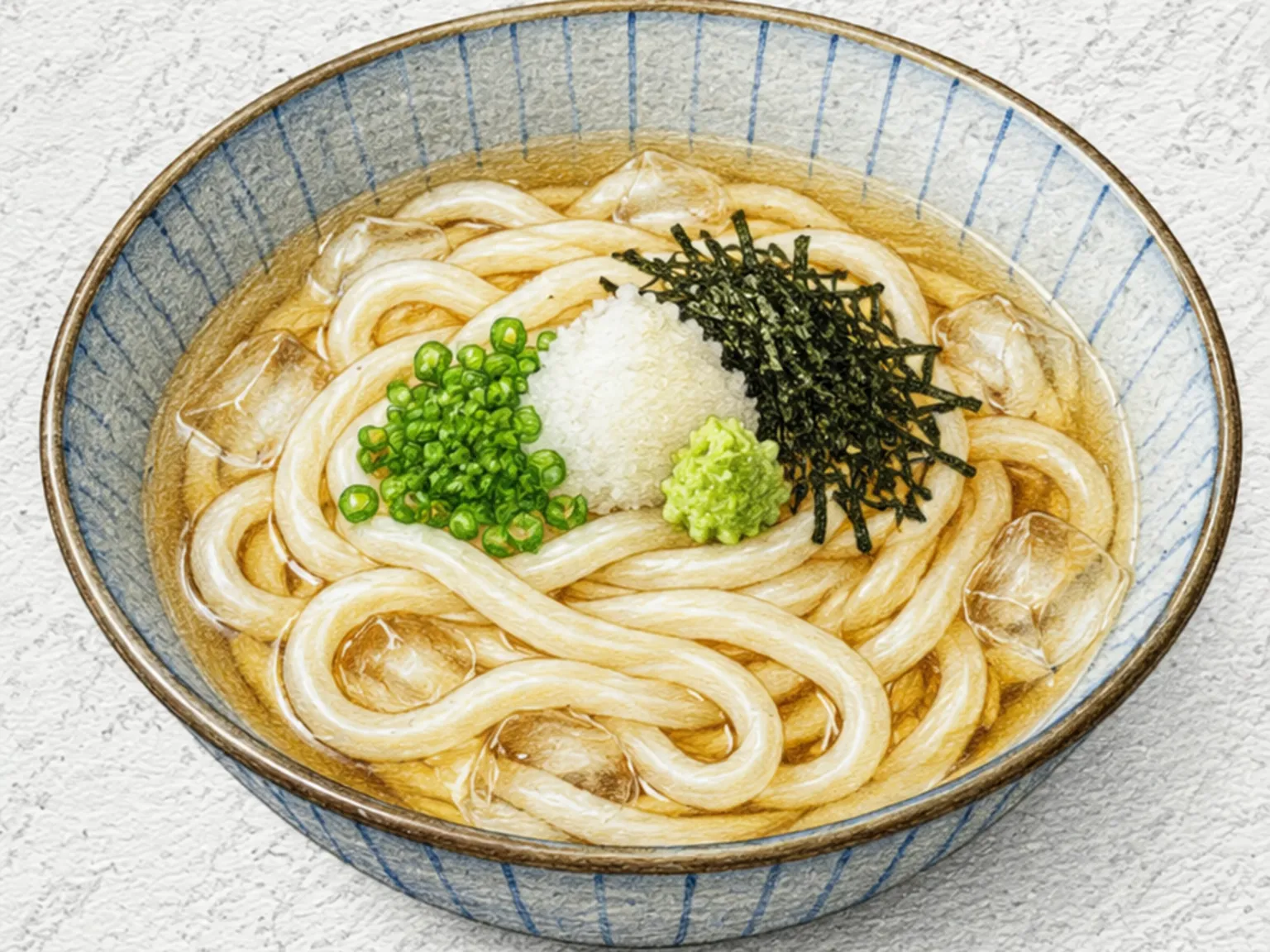
Naeng udon is a Japanese chilled noodle dish where cooked udon is thoroughly cooled in ice water and served with cold mentsuyu dipping broth on the side. The broth is made by diluting concentrated mentsuyu with cold water at a one-to-two ratio and chilling it well, producing a clean, umami-dense liquid. Cooling the noodles completely in ice water firms up the starch and restores their characteristic bouncy chew. Freshly grated daikon adds a mild peppery edge and refreshing moisture to the broth, while thinly sliced scallion and a sheet of nori contribute green freshness and oceanic aroma. A small dab of wasabi dissolved into the broth delivers a sharp nasal heat that contrasts with the cold temperature.
Adjust Servings
Instructions
- 1
Mix mentsuyu and cold water at 1:2 and chill well.
- 2
Cook udon, then rinse in cold and ice water until fully chilled.
- 3
Drain thoroughly and plate the noodles.
- 4
Grate daikon and finely slice scallion for toppings.
- 5
Serve with chilled broth, nori, grated daikon, scallion, and wasabi.
As an Amazon Associate, we may earn from qualifying purchases.
Tips
Nutrition (per serving)
More Recipes

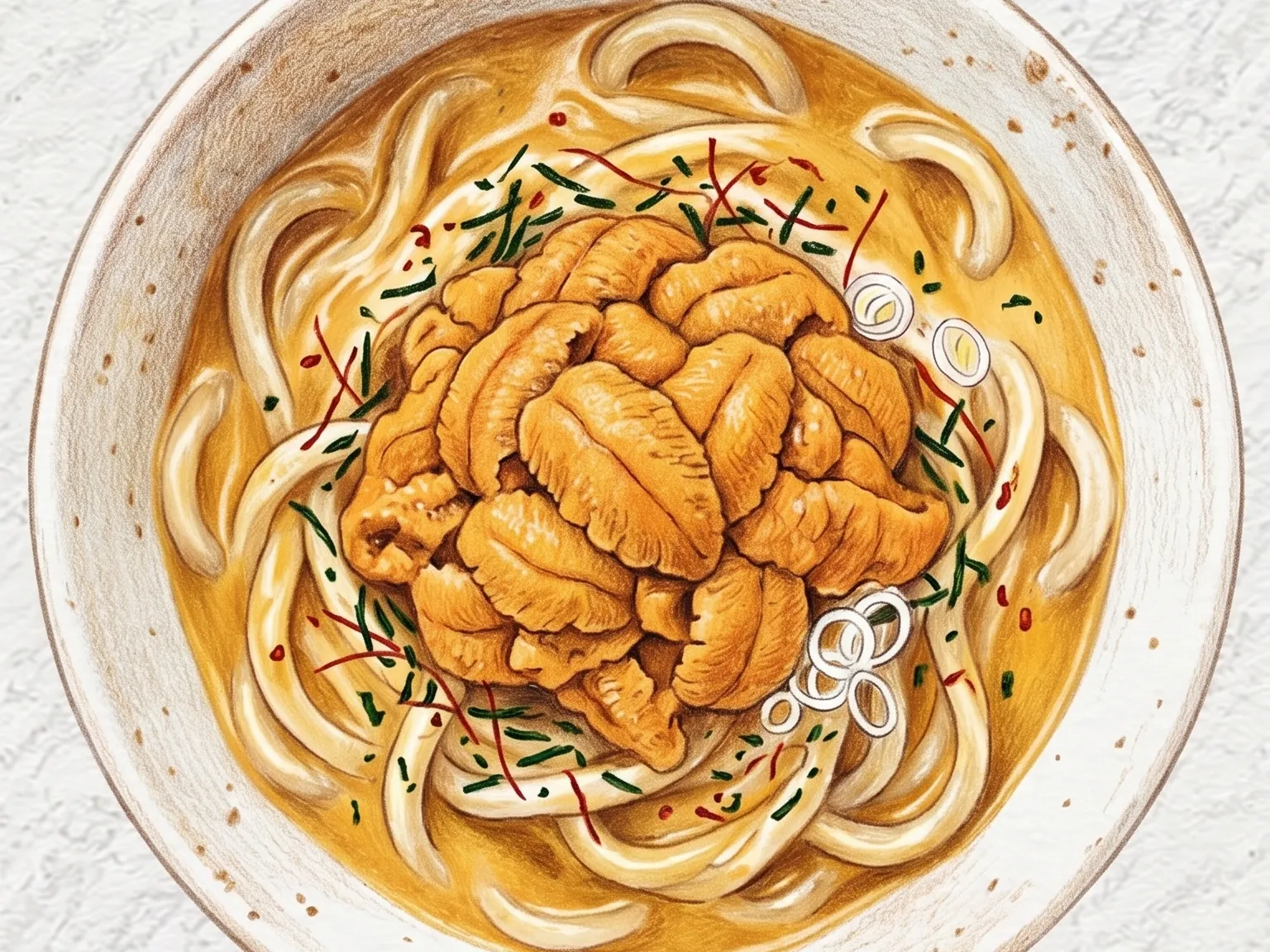
Pollock Roe Butter Udon
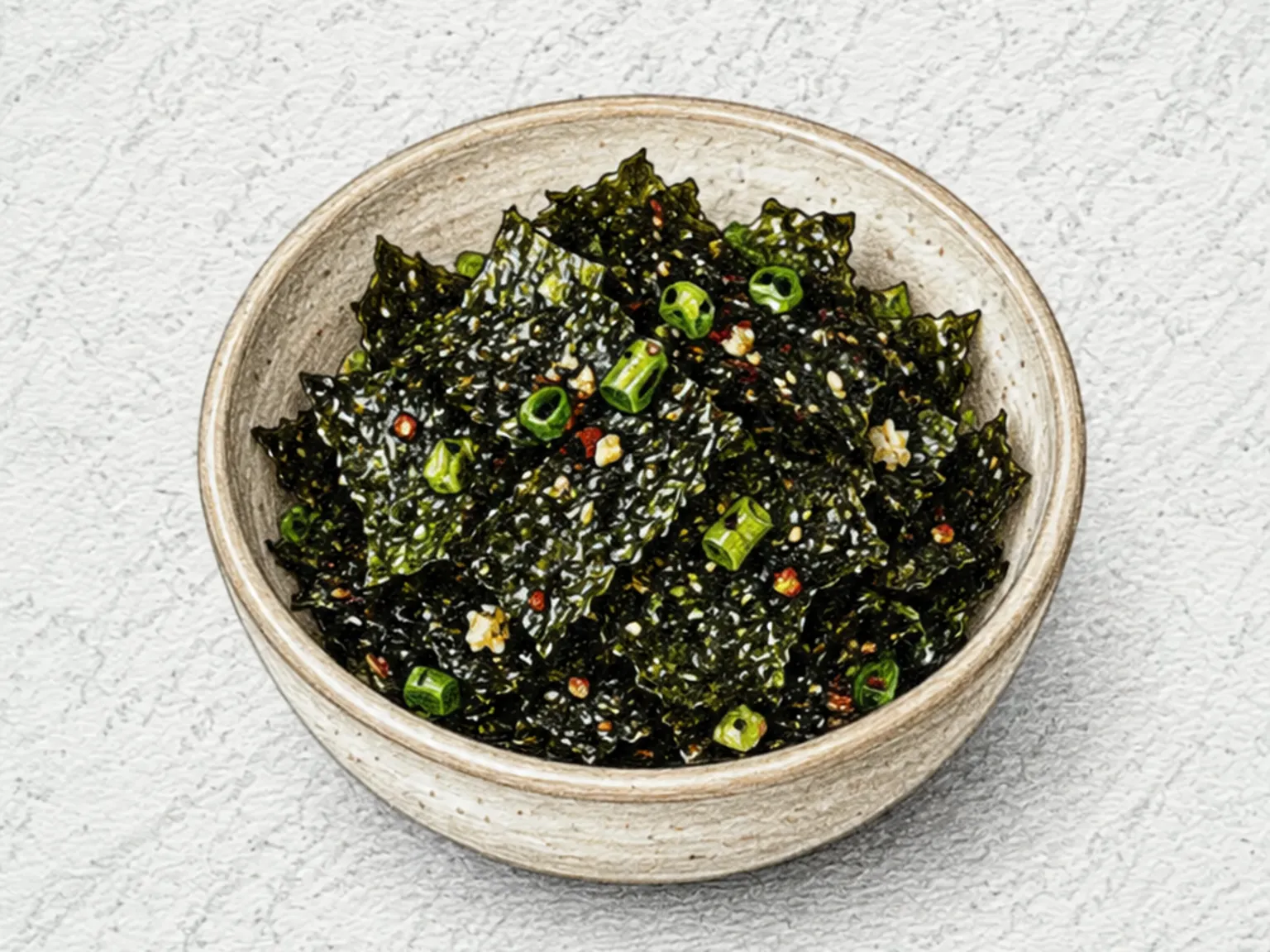
Myeongran butter udon is a Japanese-inspired cream udon where salted pollock roe is folded into a butter and heavy cream sauce over chewy udon noodles. Garlic is gently cooked in melted butter before cream and soy sauce are added, building a rich base with a touch of fermented depth. The roe membrane is removed so only the loose eggs go into the sauce, and they are stirred in after lowering the heat to prevent the roe from turning dry and grainy. Each bite delivers small pops of briny roe against the silky cream coating. If the sauce thickens too much, a few tablespoons of noodle cooking water loosen it without diluting flavor. Roasted seaweed flakes and chopped chives on top add oceanic aroma and a fresh green note.

Japanese Stir-Fried Udon
Yaki udon is a Japanese stir-fried noodle dish where thick udon noodles are tossed in a soy-based sauce over high heat with sliced pork or seafood and vegetables such as cabbage, carrot, and scallion. The high heat gives the noodles lightly charred edges while keeping their chewy center intact. Bonito flakes (katsuobushi) are often scattered on top just before serving, where they wave from the residual heat. The recipe takes about 25 minutes and depends on maintaining strong heat throughout the stir-fry to avoid steaming the noodles.

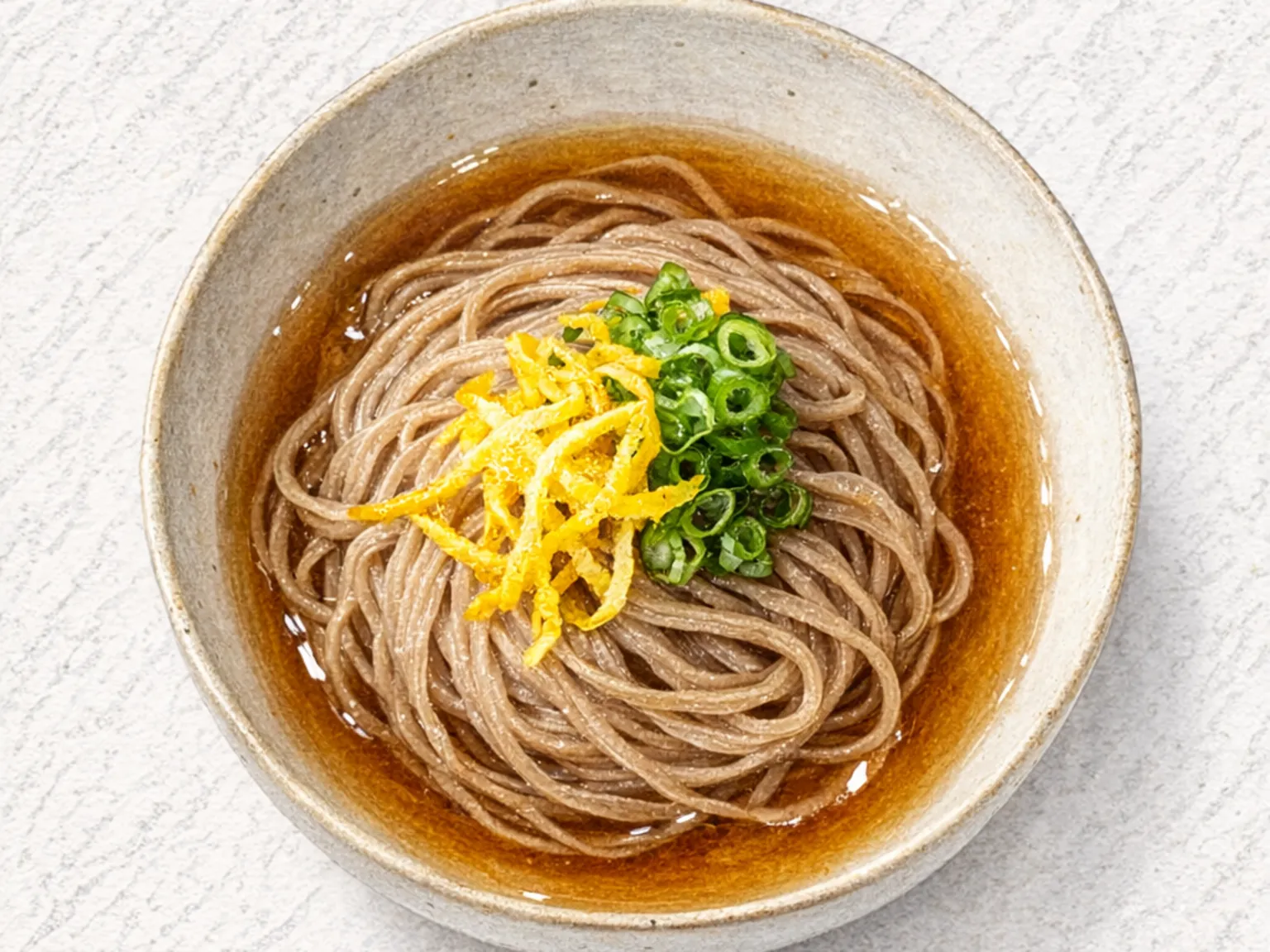
Cold Buckwheat Noodles
Buckwheat soba noodles are boiled, rinsed under cold running water until firm, and served on a bamboo draining mat alongside a chilled dipping broth called tsuyu. The noodles carry a distinctive nutty, slightly grainy flavor that is the soul of the dish, releasing an earthy fragrance with every bite. Tsuyu, made from katsuobushi, kombu, soy sauce, and mirin, is concentrated and then cooled, delivering intense umami in a small volume so that a brief dip coats the noodles without drowning them. Wasabi and sliced scallion stirred into the broth add sharp heat and freshness, while a sprinkle of shredded nori introduces an oceanic note. Thorough chilling in ice water after boiling is essential to lock in the noodles' firm, springy texture and prevent them from turning soft.

Soy Butter Udon (Pan-Tossed Udon in Caramelized Soy Butter)
Ganjang butter udon is a quick noodle dish where boiled udon is tossed in a pan with melted butter and soy sauce. The butter releases a toasted aroma as it melts, and the soy sauce caramelizes against the hot surface, forming a salty-sweet glaze that clings to the thick, springy noodles. Green onion or bonito flakes added on top bring extra depth, and an egg yolk placed in the center and mixed through contributes a creamy richness. The entire preparation takes roughly ten minutes, making it one of the fastest satisfying meals to put together for a late-night craving or a solo lunch.

Egg Over Rice (Raw Egg Stirred into Hot Rice with Soy Sauce)
A raw egg is cracked over a bowl of freshly steamed rice and seasoned with soy sauce, then stirred vigorously until every grain is coated in a glossy, silky film. The residual heat of the rice gently warms the egg without fully cooking it, creating a custard-like consistency. Despite using only three core ingredients, the combination delivers a surprisingly deep umami flavor. Optional toppings like bonito flakes, shredded nori, or a drop of sesame oil add extra layers of aroma and texture.

Buckwheat Noodle Salad
Buckwheat noodle salad rinses boiled soba noodles several times in cold water to strip away surface starch and firm their texture, then tosses them with leaf lettuce, cucumber, and shredded red cabbage in a tsuyu-based dressing. The cold rinse sharpens the soba's characteristic coarse, chewy bite, and the vegetables weave crisp moisture between the noodle strands. Tsuyu's concentrated savory depth balanced by rice vinegar's acidity creates a dressing that finishes clean on the palate. Shredded roasted seaweed scattered over the top adds a toasted ocean note that carries through each bite. The red cabbage contributes a purple accent that contrasts visually with the muted brown of the buckwheat noodles.