Korean Shepherd's Purse Pollack Soup
Soups Easy

Korean Shepherd's Purse Pollack Soup

Quick answer

Naengi-bugeo-guk is a clear Korean soup that brings together dried pollack strips and fresh shepherd's purse, pairing the hearty depth of a winter pantry staple with the...

What makes this special

  • Sautéing dried pollack in sesame oil builds a nutty base without any fishiness.
  • Sautéing dried pollack in sesame oil builds a nutty, fishy-free base
  • Dehydration-concentrated pollack umami permeates the whole broth when simmered
Total time
35 min
Level
Easy
Servings
2 servings
Ingredients
8
Calories
190 kcal
Protein
20 g

Key ingredients

shepherd's pursedried pollack stripsfirm tofuminced garlicsoup soy sauce

Core cooking flow

  1. 1 Trim soil from 120 g shepherd's purse roots, rinse in several changes of water, and cut into 4 cm lengths.
  2. 2 Rinse 50 g dried pollack strips quickly in cold water to remove surface dust, then squeeze firmly.
  3. 3 Warm 1 tsp sesame oil in a pot over low heat, then add the pollack and 1 tsp minced garlic.

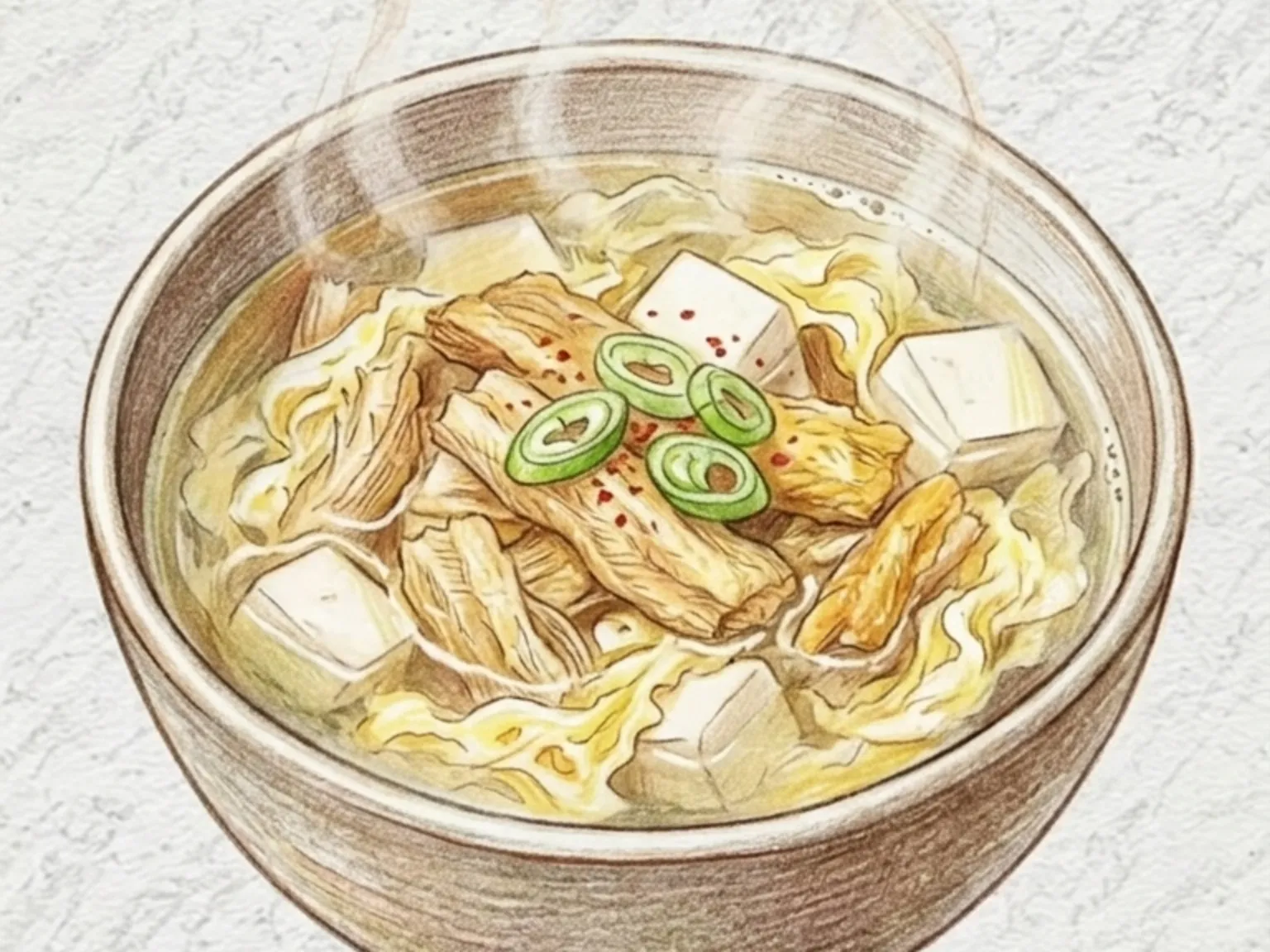
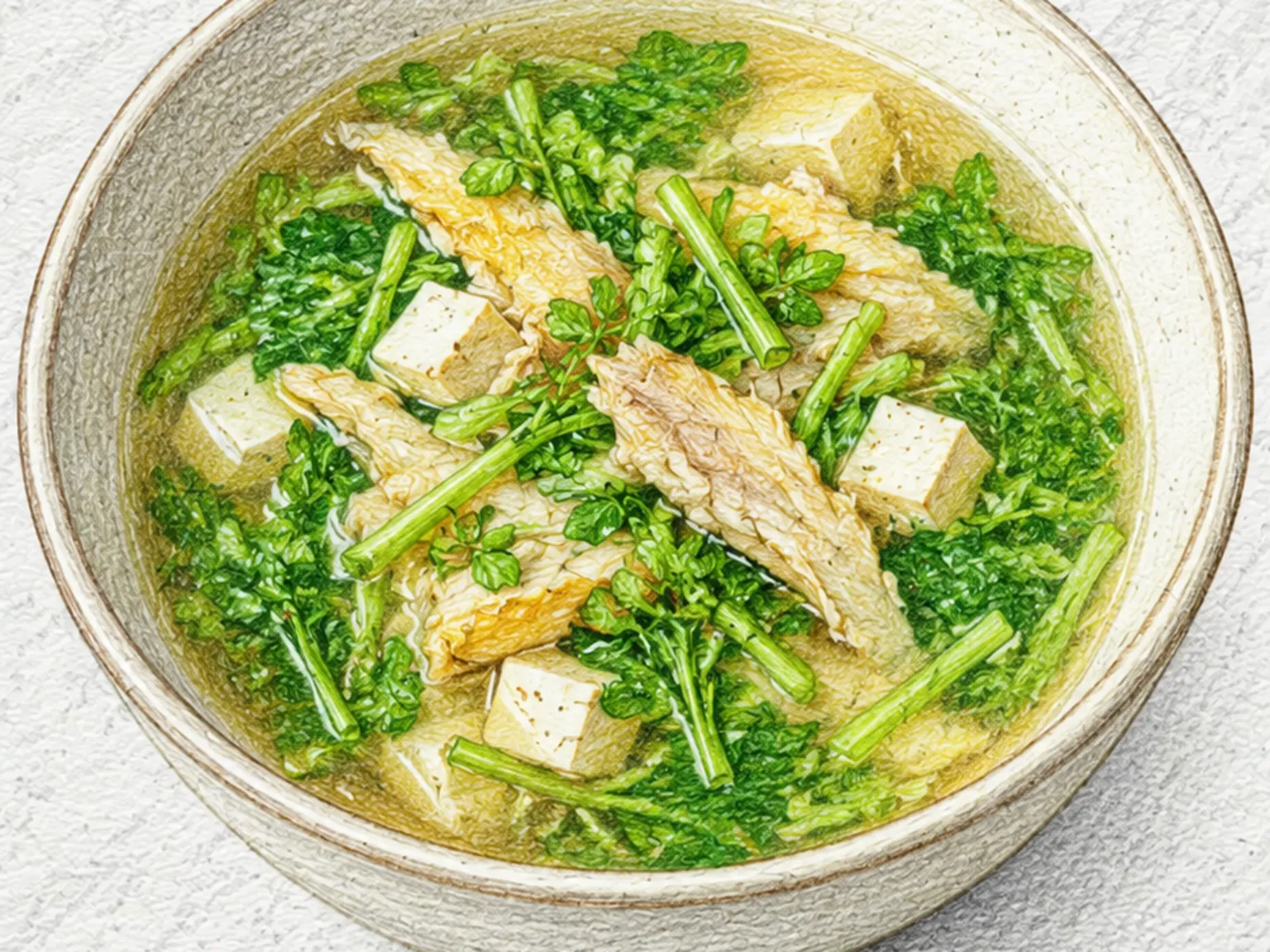
Naengi-bugeo-guk is a clear Korean soup that brings together dried pollack strips and fresh shepherd's purse, pairing the hearty depth of a winter pantry staple with the clean, herbaceous fragrance of early spring. Sautéing the pollack strips in sesame oil before adding water is the foundational step, as the dry heat coaxes a toasty, nutty aroma out of the surface proteins and primes the broth to carry deep flavor from the first minute of simmering. As the soup cooks, the concentrated umami locked inside the dried fish slowly dissolves into the liquid, building a broth that feels rich without being heavy. Cubed tofu goes in mid-cook, softening into a silky texture while keeping the overall flavor clean and mild. The shepherd's purse is added at the very end, just long enough to wilt, so that its faintly bitter, earthy spring perfume remains in the finished bowl rather than cooking off. Soup soy sauce and minced garlic season without clouding the broth. This soup is a fixture of Korean spring cooking, prized for being gentle on the stomach while delivering genuine depth.

Prep 15min Cook 20min 2 servings

Instructions

Read the steps as a cooking flow: prep, heat, seasoning, doneness control, and finish.

6 steps
  1. 1
    Finish

    Trim soil from 120 g shepherd's purse roots, rinse in several changes of water, and cut into 4 cm lengths.

    Cut 150 g firm tofu into cubes and slice the green onion thinly for finishing.

  2. 2
    Step

    Rinse 50 g dried pollack strips quickly in cold water to remove surface dust, then squeeze firmly.

    Avoid soaking them for long, since too much water pulls flavor from the fish before it reaches the broth.

  3. 3
    Control

    Warm 1 tsp sesame oil in a pot over low heat, then add the pollack and 1 tsp minced garlic.

    Stir for about 1 minute, just until the fish smells nutty, without letting the garlic brown.

  4. 4
    Control

    Pour in 1100 ml water and 1 tbsp soup soy sauce, then raise the heat to medium.

    Once boiling, skim foam from the surface and simmer gently for 10 minutes to draw flavor into a clear broth.

  5. 5
    Control

    Add the tofu and simmer 5 minutes, keeping the liquid from boiling hard so the cubes stay intact.

    Add shepherd's purse only at the end and cook 2 minutes, until the stems soften slightly but stay fragrant.

  6. 6
    Finish

    Add the green onion and taste the broth; adjust with a very small amount of soup soy sauce only if needed.

    Turn off the heat and serve immediately while the shepherd's purse aroma is still fresh.

After the steps

Pick a recipe that fits this dish.

Continue with shared ingredients, meal pairings, or a similar method.

Recipes That Go Well With This

More Soups →

Based on shared ingredients and meal pairing

Korean Shepherd's Purse Clam Soup
Shared ingredient: shepherd's purse Soups

Korean Shepherd's Purse Clam Soup

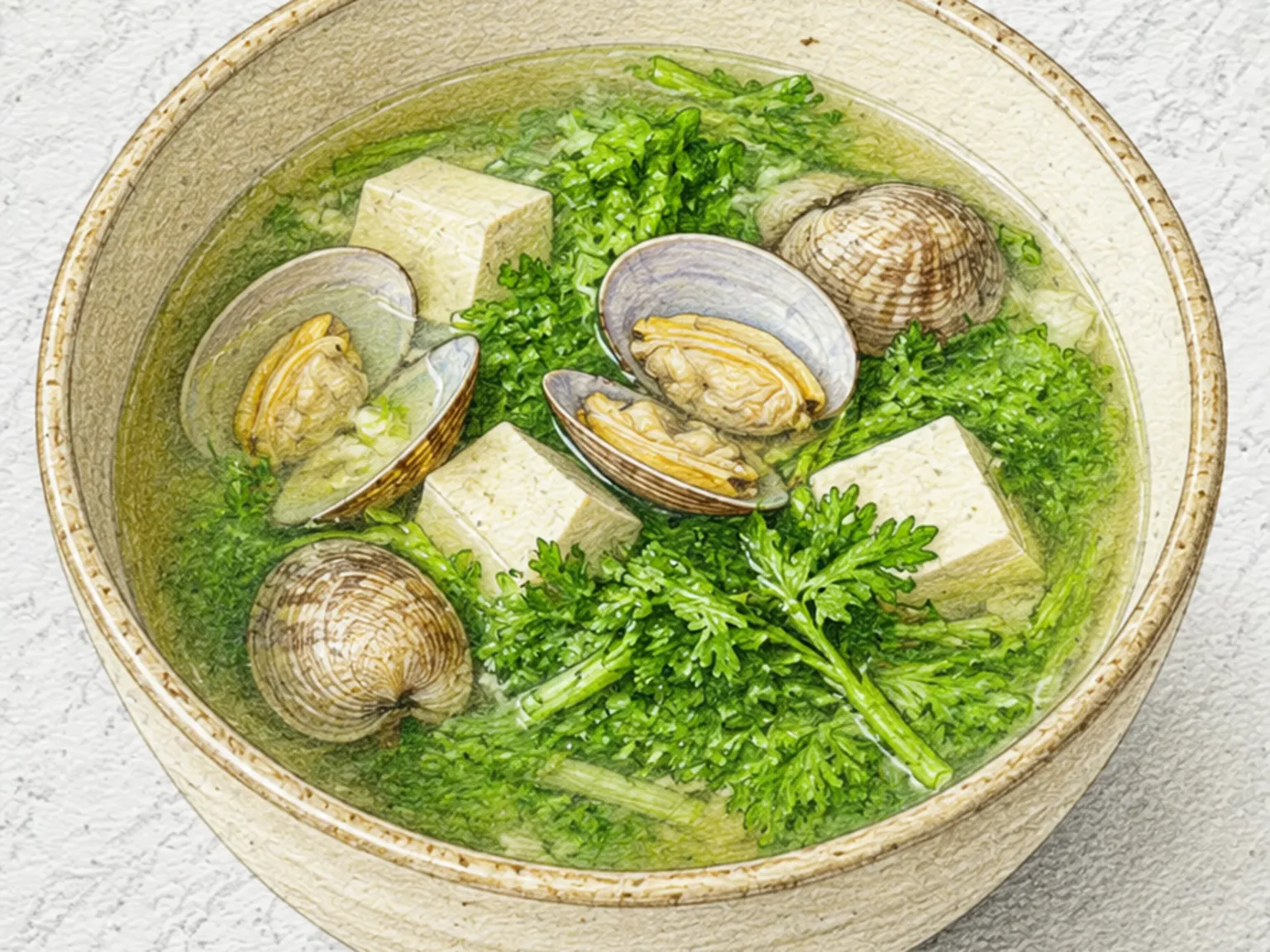
Naengi-bajirak-guk is a Korean spring soup that brings together shepherd's purse and clams in a clear broth. The clams go in first, opening their shells and releasing a briny, savory liquor that forms the backbone of the soup. Cubed tofu simmers alongside, absorbing the surrounding flavor while contributing a soft texture. Shepherd's purse is added only in the final minutes to preserve its distinctive earthy fragrance; overcooking flattens the aroma that defines the herb's character. Soup soy sauce and garlic provide restrained seasoning, letting the natural salinity of the clams and the grassy scent of the naengi carry through. Before cooking, the shepherd's purse requires thorough rinsing since its roots hold grit, and the clams need to be purged in salted water so the broth stays clear and clean. On Korean spring tables, this soup is one of the first signs that the cold season has passed and the mountain greens have returned.

Korean Shepherd's Purse Soup
Shared ingredient: shepherd's purse Soups

Korean Shepherd's Purse Soup

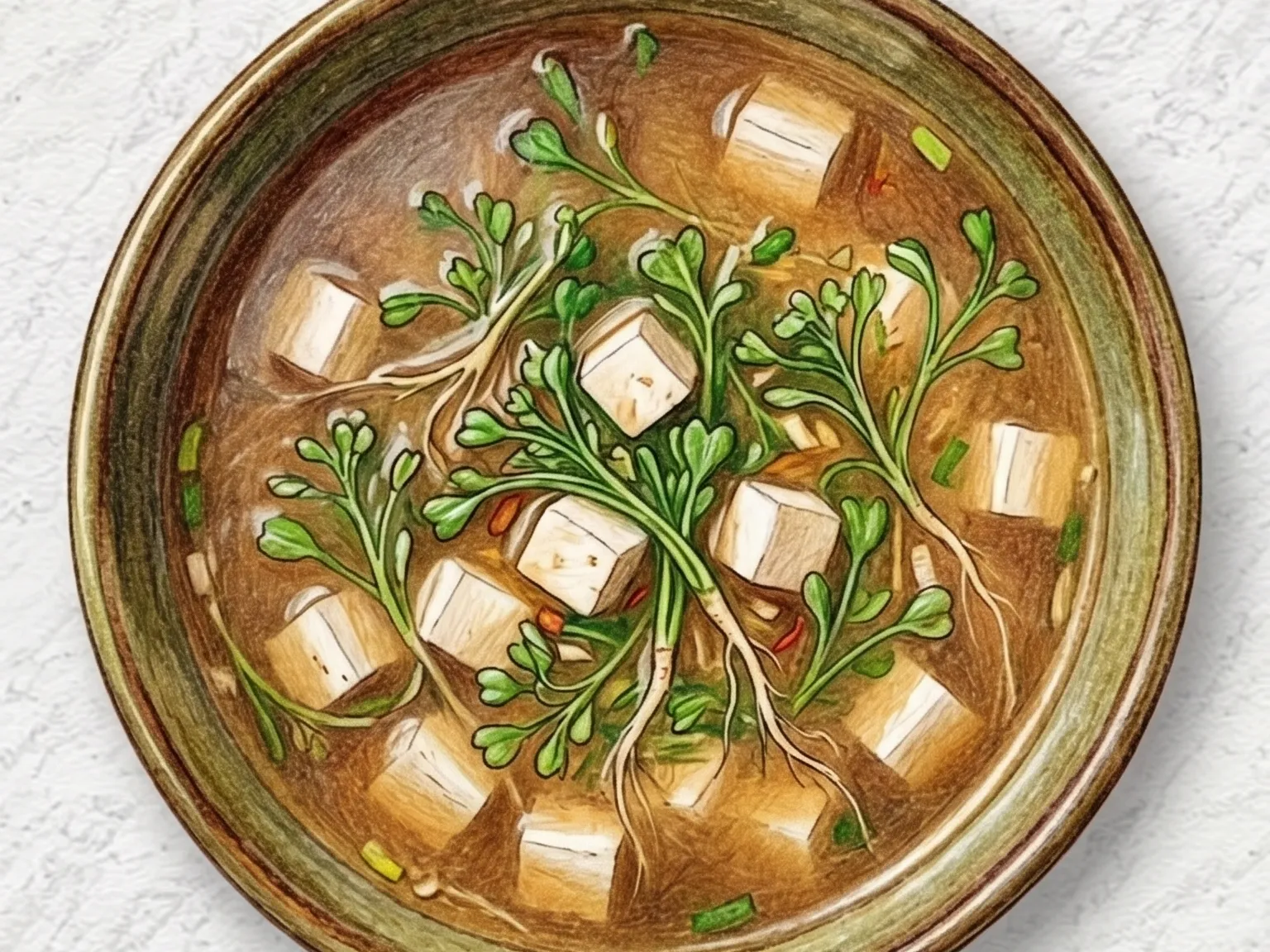
Naengi-guk is a Korean spring soup made with anchovy-kelp stock, doenjang, and fresh shepherd's purse (naengi). Naengi is a cruciferous plant gathered from paddies, field edges, and roadsides in early spring, and both the root and the leaves are used. The root contributes an earthy, mineral fragrance and the leaves carry a slightly bitter green quality that together define the soup's character. The stock is made from dried anchovies and kelp simmered and strained, providing a clean umami base. Doenjang is dissolved through a mesh strainer rather than stirred directly into the pot, which keeps the broth clear rather than murky while still delivering the fermented soybean depth. Diced tofu simmers in the seasoned broth until warmed through. Naengi goes in during the final two to three minutes of cooking: longer exposure to heat breaks down the aromatic compounds in the herb and erases the spring fragrance that makes the soup worth making in the first place. The pairing of naengi's earthy bitterness with the fermented depth of the doenjang and the clean mineral tone of the anchovy stock produces a flavor that is distinctly seasonal and difficult to replicate outside of spring. Soup soy sauce, salt, and a small amount of garlic complete the seasoning. In Korean food culture, naengi-guk on the table is understood as one of the clearest signs that winter is finished.

Korean Mushroom Porridge (Silky Shiitake Sesame Porridge)
Serve together Rice

Korean Mushroom Porridge (Silky Shiitake Sesame Porridge)

Shiitake mushrooms and onion are sauteed in sesame oil to build a deep aromatic base, then simmered with soaked rice and water for 35 minutes until the grains break down into a silky porridge. Despite containing no meat, the natural glutamates in shiitake produce a full-bodied broth, sharpened with a finish of soy sauce and black pepper. Using rehydrated dried shiitake instead of fresh intensifies the woodsy fragrance further, and adding the soaking liquid to the pot deepens the broth even more. A few drops of sesame oil stirred in just before serving leave a nutty note in each spoonful. Mild and settling, it works as a morning meal or as something to eat when the stomach needs rest.

Korean Shepherd's Purse Beef Soup
Similar recipe Soups

Korean Shepherd's Purse Beef Soup

Naengi-soegogi-guk brings together sesame-oil-seared beef and shepherd's purse in a clear, deeply flavored broth. Thinly sliced brisket is stir-fried in sesame oil first, building a savory, aromatic base before water and a small amount of doenjang are added. The soup simmers until the beef releases its full flavor into the broth, then soup soy sauce and garlic round out the seasoning. Shepherd's purse goes in near the end and cooks for just five minutes so its characteristic earthy bitterness and wild green scent stay vivid rather than cooking out. The result is a bowl that feels both substantial and distinctly seasonal, with rich beef broth anchoring the delicate, slightly bitter quality of the spring herb. Adding the herb too early dulls its aroma, so timing is the most critical step in the preparation.

Serve with this

Korean Braised Dried Radish Greens with Doenjang
Side dishes Medium

Korean Braised Dried Radish Greens with Doenjang

Dried radish greens, once rehydrated and boiled tender, are braised in a doenjang-based seasoning until the liquid reduces to a concentrated glaze. The fermented soybean paste melts into the coarse fibers of the greens, infusing each strand with deep, earthy umami. A splash of anchovy stock is added after the initial stir-fry in perilla oil, and the pan is covered so the greens can absorb the broth slowly over low heat. As the liquid evaporates, the seasoning thickens and clings to every piece, producing a chewy, salty-savory bite that releases its flavors gradually when chewed. Gochugaru contributes a mild, lingering warmth rather than sharp heat, while garlic softens into a mellow sweetness that rounds out the intensity of the doenjang. Patience during the final reduction is essential: only when the braising liquid has nearly disappeared does the dish reach the dense, flavorful consistency that makes it an ideal topping for steamed rice.

🏠 Everyday 🍱 Lunchbox
Prep 18min Cook 20min 4 servings
Korean Perilla Leaf Kimchi
Kimchi Easy

Korean Perilla Leaf Kimchi

Preparing kkaennip kimchi involves layering a seasoning mixture of soy sauce, Korean red chili flakes, minced garlic, and toasted sesame oil between individual perilla leaves. Unlike traditional cabbage kimchi, this version functions as an instant pickle that requires no fermentation period, making it ready to serve as soon as the assembly is finished. The sharp, herbal aroma of the raw perilla leaf softens when integrated with the toasted richness of sesame oil, while the chili flakes provide a controlled level of heat that complements rather than masks the natural characteristics of the leaves. Soy sauce establishes a savory and salty foundation, which is further elevated by the addition of finely chopped scallions. For a different visual result, using soup soy sauce produces a lighter color that allows the dark green hue of the perilla leaves to remain prominent. Small amounts of anchovy fish sauce can also be added to the marinade to introduce a complex layer of saltiness similar to fermented kimchi. This side dish maintains its quality well in the refrigerator throughout the week. While the seasonings are distinct and bright on the first day, the flavors fully penetrate the leaves after two or three days, resulting in a more integrated profile. The seasoned leaves are commonly draped over warm steamed rice or used as an aromatic alternative to lettuce when wrapping grilled meats. Because it requires few ingredients and minimal preparation time, it is a practical choice for home cooking.

🍱 Lunchbox 🏠 Everyday
Prep 25min Cook 5min 4 servings
Korean Chive Clam Jeon (Garlic Chive and Clam Seafood Pancake)
Pancakes Medium

Korean Chive Clam Jeon (Garlic Chive and Clam Seafood Pancake)

Buchu-bajirak-jeon is a seafood pancake of garlic chives and clam meat, pan-fried in a batter made with a mix of all-purpose pancake flour and rice flour. The rice flour addition increases the chew and gives the finished jeon a slightly more resilient texture than plain flour batters. Clam meat releases a briny, oceanic liquid as it cooks that seeps into the batter and flavors it throughout, while the chives add a sharp, grassy counterpoint. Minced garlic and diagonally sliced cheongyang chili worked into the batter suppress any fishiness and build a layered fragrance. A generous amount of oil in the pan over medium heat produces edges that crisp and brown like the outside of a fritter. Waiting until the bottom is fully set before flipping prevents the pancake from tearing. Served with soy dipping sauce or a seasoned soy mixture, the clean salinity of the clams comes through clearly.

🍺 Bar Snacks 🏠 Everyday
Prep 25min Cook 15min 4 servings

Similar recipes

Korean Shepherd's Purse Doenjang Pot Rice
Rice Medium

Korean Shepherd's Purse Doenjang Pot Rice

This spring pot rice infuses each grain with the deep, earthy flavor of doenjang dissolved in kelp stock. Naengi, or shepherd's purse, contributes a gentle herbal bitterness that offsets the fermented saltiness, while zucchini and onion bring natural sweetness for balance. Vegetables are first sauteed in perilla oil for fragrance, then doenjang and soaked rice join the pot for a slow cook. Naengi goes in after the pot starts boiling to protect its delicate aroma, and ground sesame seeds finish the dish with a final nutty layer.

🏠 Everyday
Prep 15min Cook 24min 2 servings
Korean Shepherd's Purse Kimchi
Kimchi Medium

Korean Shepherd's Purse Kimchi

Naengi kimchi is a seasonal Korean side dish where shepherd's purse, an early-spring wild herb with a distinctive earthy fragrance, is blanched for just twenty seconds in boiling salted water. This brief blanching is the defining technique - long enough to strip away the raw bitterness and any soil odor, yet short enough to preserve the herb's own clean, spring-like aroma. The cooled and thoroughly squeezed greens are then dressed in a paste of gochugaru, anchovy fish sauce, minced garlic, and sweet rice paste, which provides enough body and viscosity to coat each slender stem evenly. The fish sauce's fermented depth meets the herb's green, earthy character, producing a layered flavor that neither ingredient achieves on its own. Sesame seeds scattered on top add a quiet toasted crunch. At least two hours of refrigeration allows the seasoning to settle and deepen before the kimchi is at its best.

🍱 Lunchbox 🏠 Everyday
Prep 25min Cook 1min 2 servings
Korean Seaweed and Oyster Soup
Soups Easy

Korean Seaweed and Oyster Soup

Maesaengi-gul-guk is a light winter soup pairing two peak-season ingredients, capsosiphon seaweed and fresh oysters, that together produce a broth with an intense marine character neither delivers alone. Julienned radish and garlic are sauteed in sesame oil first to coax out sweetness, then water is added and brought to a boil before the oysters go in for three minutes. The oysters release their brininess into the stock, building the flavor base without any additional seasoning beyond soup soy sauce and a pinch of salt. The seaweed is added last and simmered for only two minutes, just long enough for it to soften while retaining its silky texture and faint oceanic scent. Both ingredients are best from November through February, so the soup is at its peak during those winter months. Because the oysters contribute significant salt on their own, seasoning should be done gradually at the end to avoid oversalting. The soup is warming and easy to digest, making it a natural fit for recovery meals and winter breakfasts.

🏠 Everyday 🥗 Light & Healthy
Prep 15min Cook 12min 2 servings

Tips

Add shepherd's purse near the end to keep its fresh aroma.
Use low heat while stir-frying pollack to avoid burnt notes.

Nutrition (per serving)

Calories
190
kcal
Protein
20
g
Carbs
7
g
Fat
8
g