Korean Shepherd's Purse and Oyster Stew
Stews Medium

Korean Shepherd's Purse and Oyster Stew

Quick answer

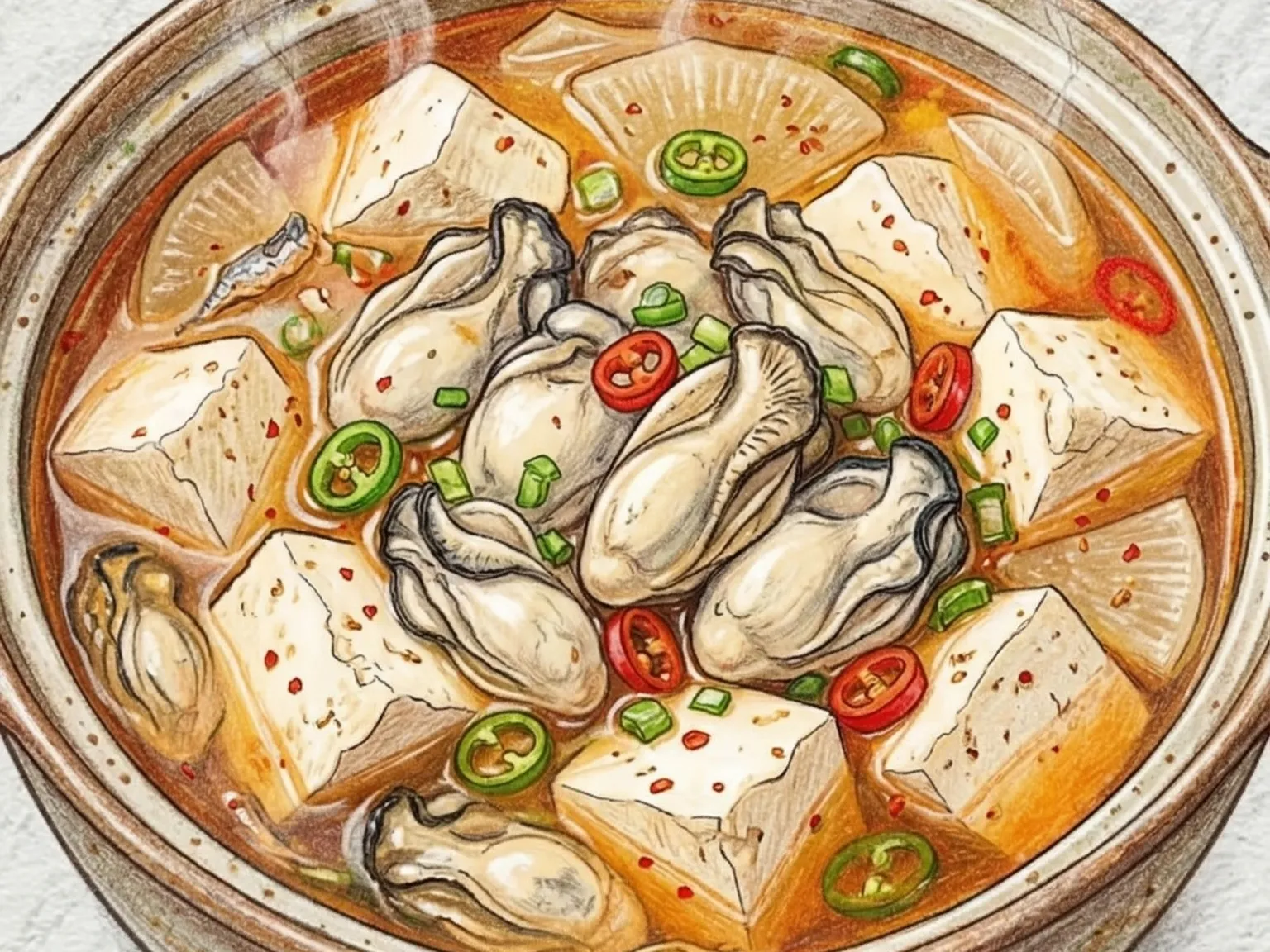
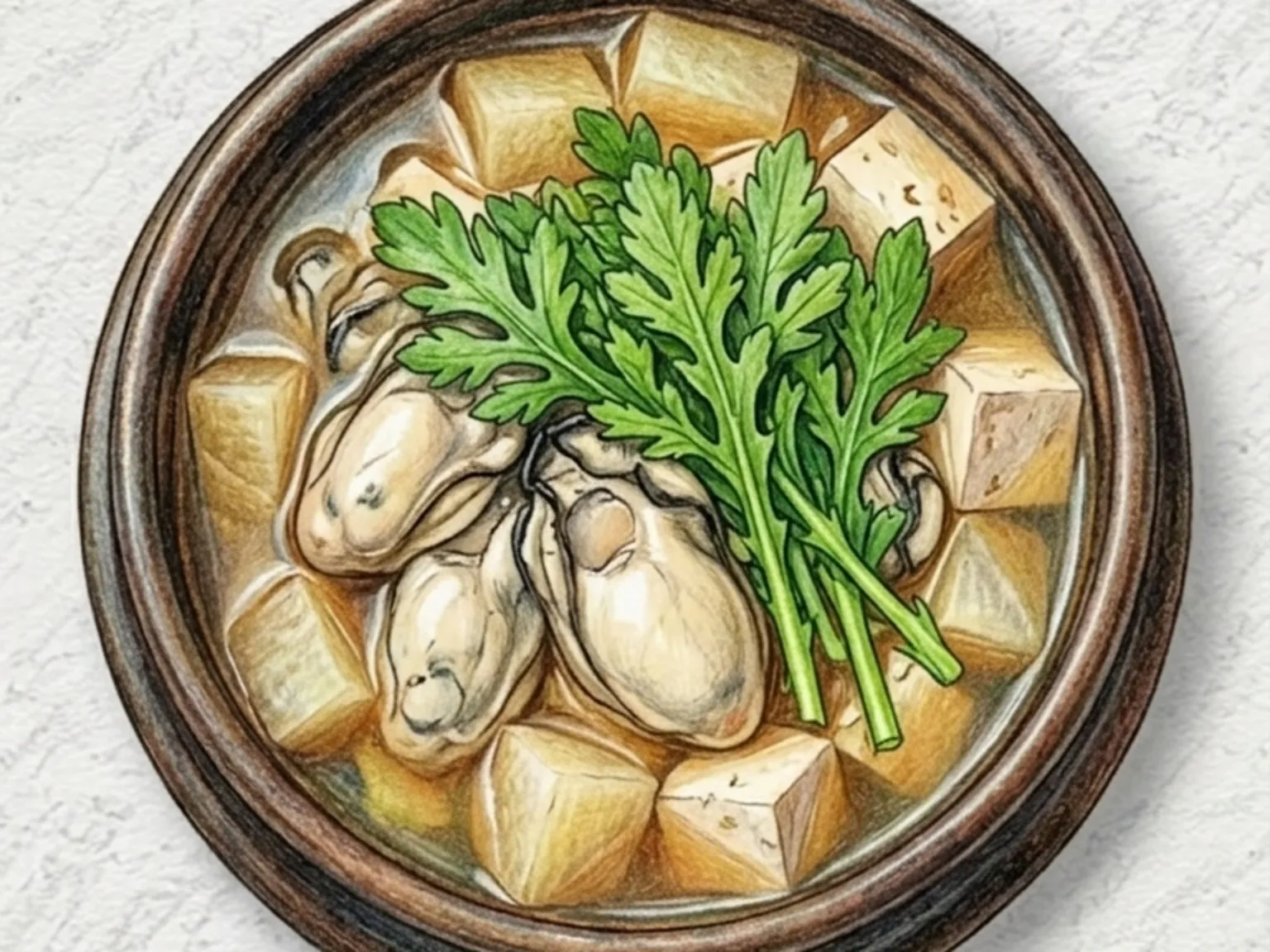
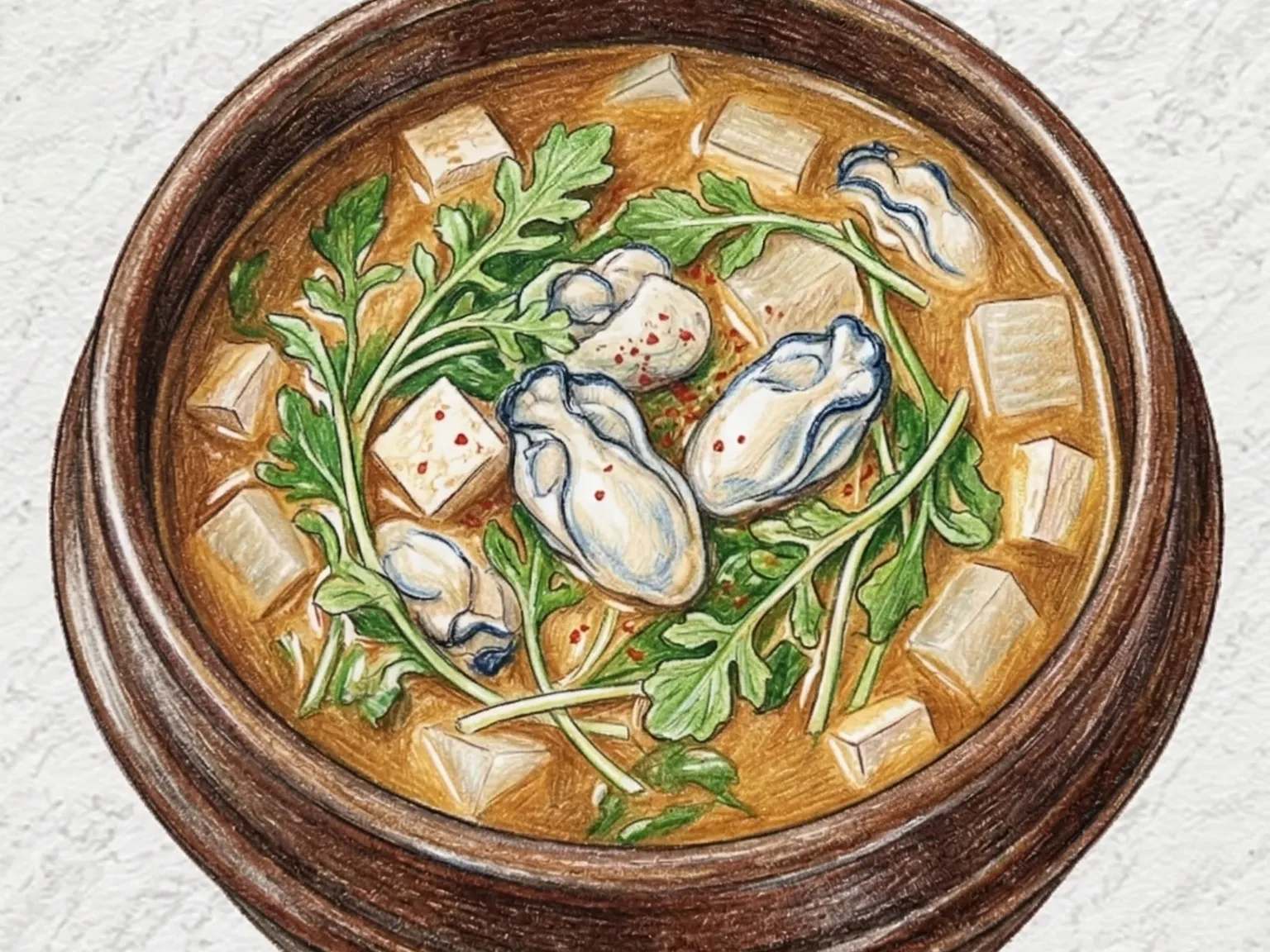
Naengi-gul-jjigae is a doenjang-based stew that pairs two winter-season ingredients, shepherd's purse and fresh oysters, in a broth built on kelp stock.

What makes this special

  • Naengi-gul-jjigae merges seasonal winter oysters and aromatic shepherd's purse into a soybean paste base that carefully preserves their distinct coastal and herbal notes.
  • Winter oysters are plumpest with peak umami due to cold water temperatures
  • Both oysters and shepherd's purse added late to protect their flavor and bite
Total time
31 min
Level
Medium
Servings
2 servings
Ingredients
9
Calories
241 kcal
Protein
22 g

Key ingredients

shepherd's purseshucked oysterssoft tofuKorean radishsoybean paste

Core cooking flow

  1. 1 Thoroughly scrub the soil from the roots of 100g shepherd's purse, wash repe...
  2. 2 Place 180g of fresh oysters in a light saltwater solution, gently rinse whil...
  3. 3 Combine 700ml kelp stock and 120g radish sliced into 0.5cm squares in a pot...

Naengi-gul-jjigae is a doenjang-based stew that pairs two winter-season ingredients, shepherd's purse and fresh oysters, in a broth built on kelp stock. Shepherd's purse grown through cold months concentrates its aromatic compounds in the root, delivering a grassy, faintly bitter fragrance that sets it apart from other greens. Oysters harvested in cold water are at their firmest and most intensely flavored, making them a natural match for the fermented depth of doenjang. Radish and soft tofu provide body to the broth, while the oysters and shepherd's purse go in last so their freshness survives the heat. The oceanic sweetness of the oysters, the herbal bite of naengi, and the fermented richness of doenjang fit together without any single flavor dominating. A small amount of gochugaru adds a low, steady heat underneath the stew, and adding a few slices of cheongyang chili brings a sharper edge if desired. Washing the roots of the shepherd's purse thoroughly to remove grit is important, and leaving the stems long enough to retain their aroma makes a noticeable difference in the finished bowl.

Prep 15min Cook 16min 2 servings

Instructions

Read the steps as a cooking flow: prep, heat, seasoning, doneness control, and finish.

6 steps
  1. 1
    Prep

    Thoroughly scrub the soil from the roots of 100g shepherd's purse, wash repeatedly to remove grit, and cut into 4cm lengths, ensuring the stems remain long enough to retain their distinct aromatic compounds.

  2. 2
    Season

    Place 180g of fresh oysters in a light saltwater solution, gently rinse while checking for any remaining shell fragments, then rinse quickly in cold water and drain thoroughly in a sieve to remove excess moisture.

  3. 3
    Heat

    Combine 700ml kelp stock and 120g radish sliced into 0.5cm squares in a pot, boil for 6 minutes until the radish becomes translucent, then dissolve 1.5 tablespoons of soybean paste through a strainer for a smooth base.

  4. 4
    Control

    Add 0.5 tablespoons of Korean chili flakes and 1 teaspoon of minced garlic, then simmer for another 3 minutes to build depth, occasionally skimming off any rising foam with a spoon for a clean and clear broth.

  5. 5
    Control

    Carefully slide in 180g of soft tofu and the drained oysters, simmer over low heat for 4 minutes until the oysters plump up and set their shape, ensuring they do not become tough from excessive heat.

  6. 6
    Finish

    Add the prepared shepherd's purse and 25g of sliced green onions, simmer for exactly 2 minutes until the greens slightly wilt and release their fragrance into the stew, then immediately remove from heat to preserve the aroma.

After the steps

Pick a recipe that fits this dish.

Continue with shared ingredients, meal pairings, or a similar method.

Recipes That Go Well With This

More Stews →

Based on shared ingredients and meal pairing

Korean Gul Dubu Jjigae (Oyster Tofu Stew)
Shared ingredient: shucked oysters Stews

Korean Gul Dubu Jjigae (Oyster Tofu Stew)

Gul dubu jjigae pairs 180 grams of fresh oysters with generous cubes of firm tofu in a clean anchovy-kelp stock. The oysters release their briny, mineral-rich juices the moment they hit the simmering broth, giving the soup an immediate oceanic depth that no other seafood replicates in quite the same way. Korean radish adds mild sweetness and keeps the stock clear rather than murky, while gochugaru and a whole Cheongyang chili suppress any fishiness and build a persistent background heat. The 300 grams of tofu make this a genuinely filling stew rather than a light soup course. Timing the oysters correctly is the most important step: added just before the pot returns to a boil, they need only thirty seconds to one minute before they are cooked through. Leaving them longer shrinks them and toughens their texture. Rinsing the oysters gently in lightly salted water before cooking removes sand and impurities without stripping their natural fragrance. This is a distinctly seasonal stew, best made in winter when the cold-water oysters are plump, briny, and at full flavor.

Korean Shepherd's Purse Pollack Soup
Shared ingredient: shepherd's purse Soups

Korean Shepherd's Purse Pollack Soup

Naengi-bugeo-guk is a clear Korean soup that brings together dried pollack strips and fresh shepherd's purse, pairing the hearty depth of a winter pantry staple with the clean, herbaceous fragrance of early spring. Sautéing the pollack strips in sesame oil before adding water is the foundational step, as the dry heat coaxes a toasty, nutty aroma out of the surface proteins and primes the broth to carry deep flavor from the first minute of simmering. As the soup cooks, the concentrated umami locked inside the dried fish slowly dissolves into the liquid, building a broth that feels rich without being heavy. Cubed tofu goes in mid-cook, softening into a silky texture while keeping the overall flavor clean and mild. The shepherd's purse is added at the very end, just long enough to wilt, so that its faintly bitter, earthy spring perfume remains in the finished bowl rather than cooking off. Soup soy sauce and minced garlic season without clouding the broth. This soup is a fixture of Korean spring cooking, prized for being gentle on the stomach while delivering genuine depth.

Korean Ginger Pumpkin Porridge
Serve together Rice

Korean Ginger Pumpkin Porridge

Kabocha pumpkin is steamed for 15 minutes and pureed until velvety, then thickened with sweet rice flour dissolved in cold water to prevent lumps. A teaspoon of fresh ginger juice adds a warm, peppery undercurrent beneath the pumpkin's natural sweetness, sharpening the finish without overpowering the squash. The porridge is stirred continuously over medium-low heat as the rice flour gradually builds body, and pine nuts scattered on top contribute an oily, resinous richness that complements the sweetness. This recipe yields four servings, making it well suited for sharing.

Korean Oyster Kimchi Stew
Similar recipe Stews

Korean Oyster Kimchi Stew

This stew pairs fresh oysters with aged kimchi, two ingredients that reach their peak simultaneously during the Korean winter, making this a dish with a narrow but rewarding season. The oysters contribute a deep briny sweetness while the well-fermented kimchi provides a sour, umami-laden backbone that would be impossible to replicate with fresh or lightly fermented leaves. A tablespoon of perilla oil distinguishes this from a standard pork kimchi jjigae: its nutty, slightly green aroma adds an earthy roundness that ties the seafood and kimchi together without competing with either. Radish is added to keep the broth clean and refreshing despite the concentration of flavors, and a base of anchovy stock reinforces the savory depth that the oysters and kimchi alone begin to build. Gochugaru and minced garlic provide heat and sharpness. The oysters go in only once the pot reaches a full boil and are cooked for no more than two to three minutes, just long enough to firm up without shrinking into small, rubbery pieces.

Serve with this

Korean Soy-Marinated Soybean Leaves
Side dishes Medium

Korean Soy-Marinated Soybean Leaves

Kongnip-jangajji is soybean leaves preserved in a seasoned soy brine - one of the two major leaf jangajji traditions alongside perilla leaf (kkaennip) jangajji. Soybean leaves are larger and thicker than perilla leaves, taking longer to absorb the pickling liquid but offering a more substantial chew, with each leaf large enough to wrap around a spoonful of rice. The brine - soy sauce, water, vinegar, and sugar boiled together - must cool completely before pouring over the leaves; hot liquid softens them into a limp state, destroying the desired texture. Garlic cloves, cheongyang chili, and onion slices added to the jar infuse the brine with aromatic complexity during the curing process, producing a more layered flavor than plain soy. A minimum of two days of refrigerated aging is needed for the seasoning to reach the leaf interior, and flipping the layers once daily ensures even penetration. The most common way to eat it is draped over hot steamed rice, ssam-style.

🏠 Everyday 🍱 Lunchbox
Prep 15min Cook 10min 4 servings
Korean Crown Daisy Kimchi
Kimchi Easy

Korean Crown Daisy Kimchi

Ssukgat kimchi is a fragrant seasonal kimchi that highlights crown daisy's herbal bitterness alongside chili flakes and sand lance fish sauce. The greens are salted for only seven minutes to preserve their delicate, tender texture, then dressed with a paste enriched by sweet rice flour for better adhesion. Plum extract balances the bitterness with gentle sweetness and acidity during fermentation. After two hours at room temperature followed by overnight refrigeration, the kimchi reaches its aromatic peak within a single day. Because the leaves bruise easily, gentle tossing during seasoning is essential to maintain their shape.

🍱 Lunchbox 🏠 Everyday
Prep 20min Cook 5min 2 servings
Korean Chive Clam Jeon (Garlic Chive and Clam Seafood Pancake)
Pancakes Medium

Korean Chive Clam Jeon (Garlic Chive and Clam Seafood Pancake)

Buchu-bajirak-jeon is a seafood pancake of garlic chives and clam meat, pan-fried in a batter made with a mix of all-purpose pancake flour and rice flour. The rice flour addition increases the chew and gives the finished jeon a slightly more resilient texture than plain flour batters. Clam meat releases a briny, oceanic liquid as it cooks that seeps into the batter and flavors it throughout, while the chives add a sharp, grassy counterpoint. Minced garlic and diagonally sliced cheongyang chili worked into the batter suppress any fishiness and build a layered fragrance. A generous amount of oil in the pan over medium heat produces edges that crisp and brown like the outside of a fritter. Waiting until the bottom is fully set before flipping prevents the pancake from tearing. Served with soy dipping sauce or a seasoned soy mixture, the clean salinity of the clams comes through clearly.

🍺 Bar Snacks 🏠 Everyday
Prep 25min Cook 15min 4 servings

Similar recipes

Korean Bajirak Miyeok Jjigae (Clam Seaweed Stew)
Stews Easy

Korean Bajirak Miyeok Jjigae (Clam Seaweed Stew)

Bajirak miyeok jjigae is a Korean stew combining manila clams and soaked seaweed, layering shellfish umami with the mineral depth of sea vegetables. Clams start in cold water with radish, which adds a cool sweetness to the broth that balances the clams' natural saltiness as the temperature climbs. Once the shells open, rice wine removes any briny off-notes, and the stew is seasoned with soup soy sauce and minced garlic. The seaweed, soaked and cut into bite-sized pieces, must enter the pot only in the last five minutes; longer cooking turns it tough and unpleasantly slippery. Diagonally sliced scallion added at the end releases a fresh aroma across the surface of the stew. The iodine-rich character of the seaweed and the briny depth of the clams belong to the same marine category yet occupy different flavor registers, producing a broth with compound depth. Any clams that remain closed after cooking must be removed to prevent grit from contaminating the finished stew.

🏠 Everyday 🥗 Light & Healthy
Prep 18min Cook 16min 2 servings
Korean Mallow & Clam Stew
Stews Easy

Korean Mallow & Clam Stew

Auk-bajirak-jjigae is a thick, meal-weight stew that takes the logic of the milder auk-bajirak-guk and pushes it further: more doenjang, a denser ingredient list, and cheongyang chili for heat. The clams go in first while the water is still cold, then the pot comes to a boil so the shells open slowly and release their concentrated sea juice into the base. Doenjang and gochugaru dissolve into the liquid together, creating a foundation that is simultaneously earthy, saline, and warm with chili. Cubed tofu and sliced zucchini fill out the pot and convert what might have been a soup into something substantial enough to anchor a meal with rice. Mallow leaves added at the end bring their natural mucilage, which thickens the broth and gives it a cling that plain stews lack. Sliced cheongyang chili on top cuts through the richness with a sharp, direct heat. On a cold evening eaten alongside steamed rice, this jjigae sits at the dense, deeply layered end of the Korean stew spectrum.

🥗 Light & Healthy 🏠 Everyday
Prep 15min Cook 18min 2 servings
Korean Shepherd's Purse Beef Soup
Soups Easy

Korean Shepherd's Purse Beef Soup

Naengi-soegogi-guk brings together sesame-oil-seared beef and shepherd's purse in a clear, deeply flavored broth. Thinly sliced brisket is stir-fried in sesame oil first, building a savory, aromatic base before water and a small amount of doenjang are added. The soup simmers until the beef releases its full flavor into the broth, then soup soy sauce and garlic round out the seasoning. Shepherd's purse goes in near the end and cooks for just five minutes so its characteristic earthy bitterness and wild green scent stay vivid rather than cooking out. The result is a bowl that feels both substantial and distinctly seasonal, with rich beef broth anchoring the delicate, slightly bitter quality of the spring herb. Adding the herb too early dulls its aroma, so timing is the most critical step in the preparation.

🏠 Everyday 🥗 Light & Healthy
Prep 18min Cook 25min 4 servings

Tips

Do not overcook oysters; cook only in the last 4-5 minutes.
Add naengi at the end to preserve its spring aroma.

Nutrition (per serving)

Calories
241
kcal
Protein
22
g
Carbs
11
g
Fat
12
g