Korean Namdo-Style Loach Soup
Soups Hard

Korean Namdo-Style Loach Soup

Quick answer

Namdo-chueotang is the southern Korean take on loach soup, distinguished from other regional versions by grinding the entire loach - bones and all - into a thick, porridg...

What makes this special

  • Dried radish greens, doenjang, gochujang, and perilla layer four earthy aromas.
  • Whole loach ground bone-in and strained creates Namdo's thick signature base
  • Sancho powder added at the end is the traditional fix for loach's fishiness
Total time
75 min
Level
Hard
Servings
4 servings
Ingredients
9
Calories
360 kcal
Protein
28 g

Key ingredients

loach (for soup)dried radish greenssoybean pastegochujangperilla seed powder

Core cooking flow

  1. 1 Clean 700 g loach well, then boil it in hot water for 8 to 10 minutes until...
  2. 2 Squeeze excess moisture from 250 g cooked dried radish greens, then cut them into 4 cm pieces.
  3. 3 Bring 2200 ml water to a boil, then stir in the strained loach paste.

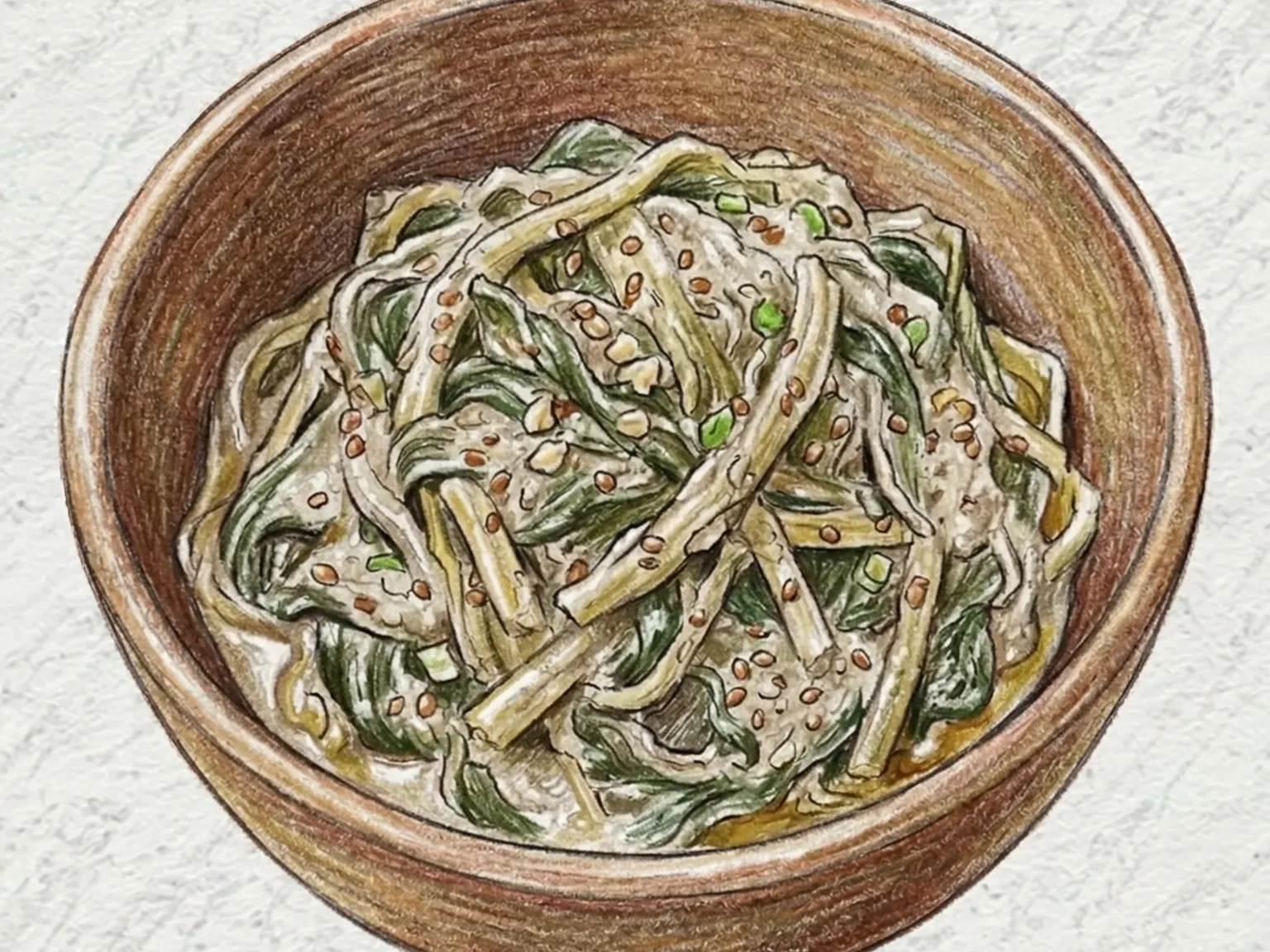
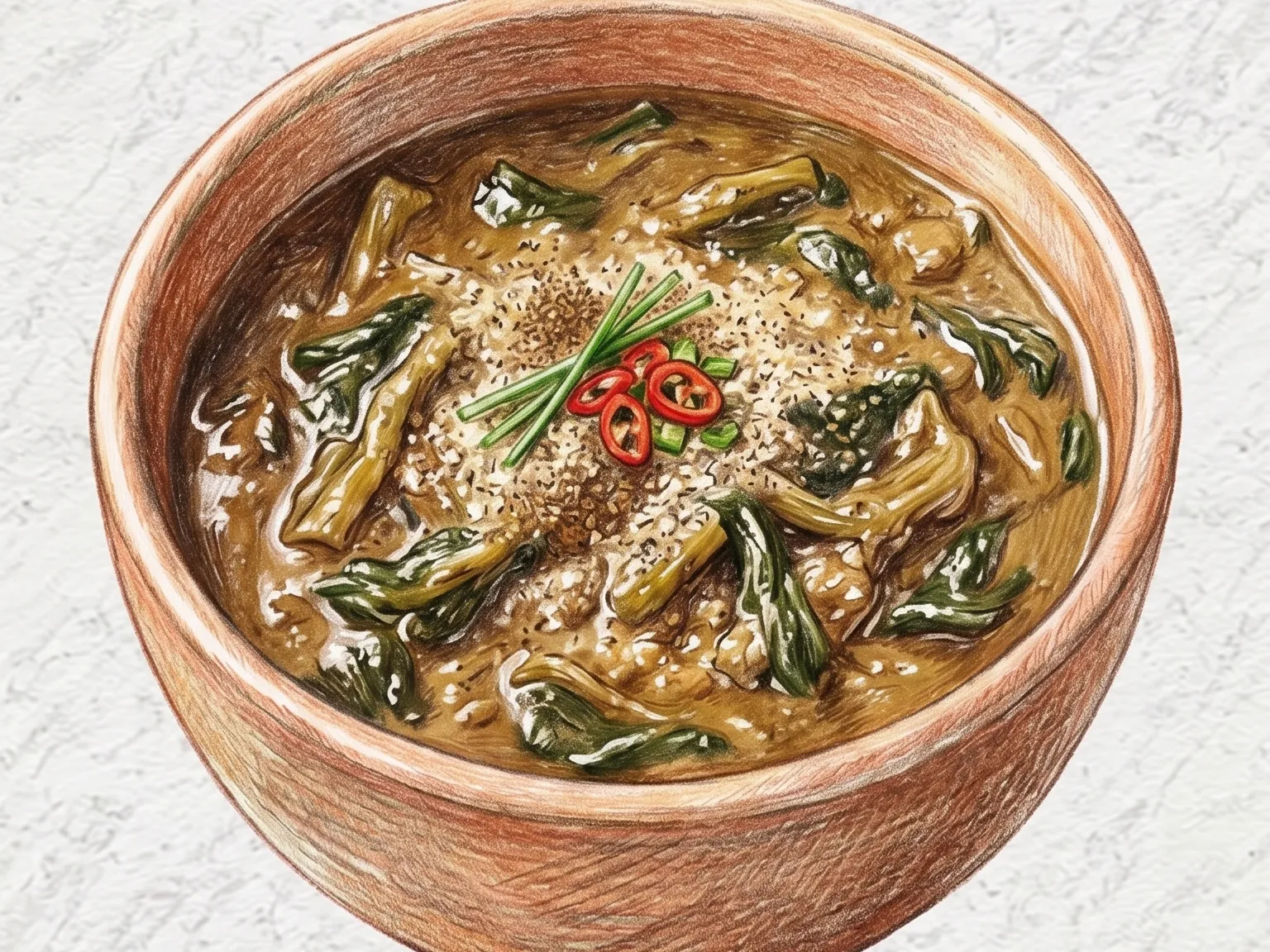
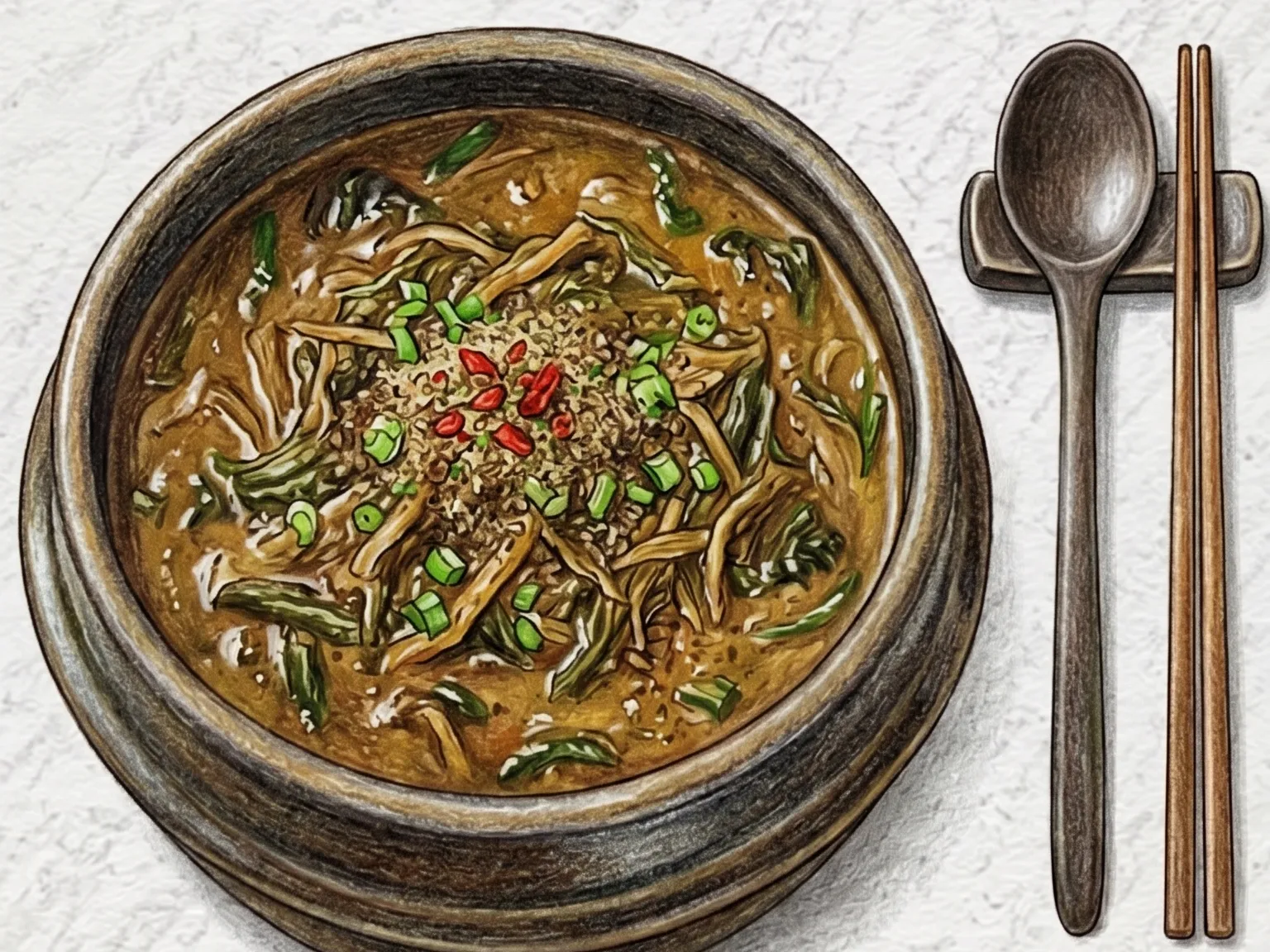
Namdo-chueotang is the southern Korean take on loach soup, distinguished from other regional versions by grinding the entire loach - bones and all - into a thick, porridge-like broth. The loaches are first boiled until completely soft, then blended and strained to produce a dense, opaque base packed with protein and calcium. Dried radish greens simmer in this liquid, contributing a rustic, earthy backbone. Doenjang and gochujang season the soup with fermented depth and moderate heat, while a generous addition of perilla seed powder lends a nutty richness that rounds out the heavy flavors. A final dusting of sancho pepper tames any lingering fishiness and adds a tingling, aromatic kick. This is restorative cooking at its most direct - a thick, warming bowl meant to rebuild energy during the colder months.

Prep 30min Cook 45min 4 servings

Instructions

Read the steps as a cooking flow: prep, heat, seasoning, doneness control, and finish.

6 steps
  1. 1
    Heat

    Clean 700 g loach well, then boil it in hot water for 8 to 10 minutes until the flesh and small bones soften.

    Blend it finely, then strain so the soup base stays smooth.

  2. 2
    Season

    Squeeze excess moisture from 250 g cooked dried radish greens, then cut them into 4 cm pieces.

    Mix them first with 2 tablespoons doenjang and 1 tablespoon minced garlic so the seasoning penetrates.

  3. 3
    Control

    Bring 2200 ml water to a boil, then stir in the strained loach paste.

    Keep the heat at medium and simmer for 20 minutes, stirring the bottom often so the thick base does not scorch.

  4. 4
    Control

    When the broth turns opaque and thick, add the seasoned radish greens and 1 tablespoon gochujang.

    Break up any clumps, then simmer for 10 more minutes until the greens taste fully seasoned.

  5. 5
    Control

    Lower the heat to medium low and whisk in 3 tablespoons perilla seed powder a little at a time.

    Simmer only the final 10 minutes so the soup thickens without turning chalky.

  6. 6
    Control

    Slice 2 green onions on the bias, add them, and simmer for 2 minutes.

    Turn off the heat, then sprinkle in 0.5 teaspoon sansho powder gradually, adjusting the aroma right before serving.

After the steps

Pick a recipe that fits this dish.

Continue with shared ingredients, meal pairings, or a similar method.

Recipes That Go Well With This

More Soups →

Based on shared ingredients and meal pairing

Korean Loach Soup (Blended Loach and Dried Radish Greens Tonic)
Shared ingredient: dried radish greens Soups

Korean Loach Soup (Blended Loach and Dried Radish Greens Tonic)

Chueo-tang is a southern Korean tonic soup made by blending blanched loach into a smooth puree, straining out bones and skin, then simmering the liquid with doenjang and gochujang for depth. The straining step is what separates a clean, richly flavored broth from a gritty one; every bit of bone and skin must be removed before the long simmer begins. Dried radish greens, siraegi, are added midway and cooked for twenty-five minutes, contributing a fibrous chew that contrasts the velvety broth. Perilla seed powder stirred in near the end thickens the soup to a creamy, pale consistency and layers in a pronounced nutty fragrance that carries through each spoonful. A final pinch of ground sansho pepper leaves a tingling numbness on the tongue that clears any lingering earthiness from the freshwater fish. Loach is high in protein and calcium, and the soup has long been eaten as a summer restorative; a broth that is thick and deeply concentrated is the standard by which a well-made chueo-tang is judged.

Korean Gangwon-Style Loach Soup
Shared ingredient: dried radish greens Soups

Korean Gangwon-Style Loach Soup

Gangwon-style chueotang is a thick, hearty loach soup in which the entire fish is boiled, blended smooth, and returned to the pot with ground perilla seeds and dried radish greens. Pulverizing the loach whole dissolves its small bones into the broth, creating a calcium-rich liquid with a distinctive earthy depth. Perilla seed powder transforms the soup into something creamy and nutty, far removed from a typical clear broth. Dried radish greens, rehydrated and chopped, provide a pleasantly chewy counterpoint to the thick liquid. Doenjang and gochugaru add fermented savoriness and gentle heat that deepen the overall flavor. Before blending, the loach should be soaked in salted water to purge any muddy taste, and the perilla powder is best stirred in after the soup reaches a boil so the nutty aroma does not cook off too quickly. The finished soup is dense and substantial, closer to a stew than a broth, and is traditionally eaten in autumn and winter as a stamina food. In the mountainous Gangwon province, chueotang holds a near-legendary status as a warming, restorative meal on the coldest days.

Korean Blue Crab Doenjang Pot Rice
Serve together Rice

Korean Blue Crab Doenjang Pot Rice

Cleaned blue crab sits atop soaked rice in a heavy pot, cooked in anchovy-kelp stock that has been infused with dissolved doenjang. Garlic and vegetables are sauteed first in perilla oil to build an aromatic base before the stock-doenjang mixture is poured in and brought to a boil. The crab goes on top and the pot is covered for five minutes on high heat, fifteen minutes on low, then ten minutes off the heat to rest and steam through. The crab's briny sweetness and the doenjang's fermented, earthy depth soak into every grain of rice during the long, slow cook. Zucchini and shiitake mushrooms add a mild sweetness that tempers the saltiness and rounds out the bowl. One additional minute on low heat after resting creates a golden, nutty nurungji crust at the bottom, a prized texture in Korean pot rice. Doenjang saltiness varies by brand, so tasting the diluted stock before adding rice lets you calibrate without oversalting. A few slices of cheongyang chili on top cut through the fermented richness and add a sharp finishing heat.

Jangeo-tang (Spicy Freshwater Eel Soup)
Similar recipe Soups

Jangeo-tang (Spicy Freshwater Eel Soup)

Jangeo-tang is a nourishing Korean eel soup in which freshwater eel is boiled, deboned, and simmered in a seasoning base of doenjang and gochugaru. Dried radish greens (sirae-gi) are added to the pot for an earthy, faintly bitter depth that grounds the overall richness. Garlic and green onion work against any fishiness, leaving behind the clean, fatty character of the eel itself. What distinguishes this broth from a straightforward spicy soup is the interaction between the fermented weight of doenjang, the direct heat of gochugaru, and the rendered fat of the eel: the three together produce a complexity that neither doenjang nor chili achieves alone. The eel meat holds its grain even with extended cooking, remaining tender without falling apart. Rich in protein and unsaturated fats, this soup has long been categorized as a stamina-restoring food in Korean culinary tradition, consumed during the three hottest periods of summer or whenever the body needs rebuilding. Sliced green chili or perilla seed powder can be stirred in to shift the broth's profile.

Serve with this

Korean Mushroom Japchae (Shiitake Glass Noodle Stir-Fry)
Side dishes Medium

Korean Mushroom Japchae (Shiitake Glass Noodle Stir-Fry)

Beoseot japchae replaces beef with shiitake mushrooms as the primary source of savory depth, making it a staple of Buddhist temple cuisine and vegetarian tables alike. Sweet potato noodles are soaked and boiled, then rinsed in cold water immediately to lock in a firm, springy texture. Shiitake, spinach, carrot, and onion are each cooked separately - their moisture levels and heat tolerances differ enough that combining them prematurely flattens every component. Soy sauce, sugar, minced garlic, and sesame oil bring the noodles and vegetables together, and the finished dish rests for ten minutes so the seasoning penetrates the noodles evenly. The result is a japchae where the mushroom carries genuine umami weight without any meat.

🏠 Everyday 🎉 Special Occasion
Prep 20min Cook 15min 4 servings
Korean Chive Clam Jeon (Garlic Chive and Clam Seafood Pancake)
Pancakes Medium

Korean Chive Clam Jeon (Garlic Chive and Clam Seafood Pancake)

Buchu-bajirak-jeon is a seafood pancake of garlic chives and clam meat, pan-fried in a batter made with a mix of all-purpose pancake flour and rice flour. The rice flour addition increases the chew and gives the finished jeon a slightly more resilient texture than plain flour batters. Clam meat releases a briny, oceanic liquid as it cooks that seeps into the batter and flavors it throughout, while the chives add a sharp, grassy counterpoint. Minced garlic and diagonally sliced cheongyang chili worked into the batter suppress any fishiness and build a layered fragrance. A generous amount of oil in the pan over medium heat produces edges that crisp and brown like the outside of a fritter. Waiting until the bottom is fully set before flipping prevents the pancake from tearing. Served with soy dipping sauce or a seasoned soy mixture, the clean salinity of the clams comes through clearly.

🍺 Bar Snacks 🏠 Everyday
Prep 25min Cook 15min 4 servings
Korean Soy Pickled Onions
Kimchi Easy

Korean Soy Pickled Onions

Yangpa jangajji is a soy-pickled onion made by immersing large-cut onion chunks in a boiled brine of soy sauce, vinegar, and sugar. The hot brine tempers the raw onion's sharp, pungent bite on contact, and as the pickle matures in the refrigerator the sweet-salty seasoning penetrates evenly through each piece. Cutting the onion along its fiber rather than against it keeps the texture firm and crisp after pickling, whereas thin cross-cut slices tend to soften quickly in the acidic brine. Sliced cheongyang chili peppers added to the jar gradually release their heat into the liquid, lending a gentle, lingering spiciness that offsets the sweetness and keeps the flavors from becoming one-dimensional. The pickle is ready after one day of refrigeration but improves noticeably at three days or more as the seasoning continues to deepen. It is a staple accompaniment to grilled meats like samgyeopsal, where its acidity and crunch cut through richness and refresh the palate between bites. It also works well over bibimbap or cold noodles. The brine can be brought back to a boil and reused for a second batch of onions, making this an economical pantry item.

🏠 Everyday 🍱 Lunchbox
Prep 15min Cook 12min 4 servings

Similar recipes

Korean Taro Soup (Autumn Taro in Nutty Perilla Seed Broth)
Soups Medium

Korean Taro Soup (Autumn Taro in Nutty Perilla Seed Broth)

Toran-guk is an autumn soup centered on taro root, which is first parboiled to remove its slippery mucilage, then simmered in a broth thickened with ground perilla seeds. The taro pieces cook to a texture that falls somewhere between potato and chestnut - they crumble softly on the tongue yet retain a subtle stickiness that gives each bite a gentle cling. Ground perilla dissolves into the liquid and turns it opaque and creamy, layering a nutty richness over the taro's mild, earthy flavor. Beef is often added for depth, its rendered fat and juices rounding out the broth, while an anchovy-kelp base underneath sharpens the umami. The soup is closely associated with Chuseok, the Korean harvest festival, when taro is freshly dug and at its peak sweetness. Cooking the taro just long enough to soften without disintegrating is the key challenge - underdone pieces are chalky and irritate the throat, while overcooked ones dissolve into the broth and lose their identity. Served hot with steamed rice, toran-guk is one of those seasonal dishes that Koreans anticipate all year and miss the moment autumn ends.

🏠 Everyday 🥗 Light & Healthy
Prep 20min Cook 35min 2 servings
Korean Loach Stew (Ground Loach & Perilla Seed Pot)
Stews Hard

Korean Loach Stew (Ground Loach & Perilla Seed Pot)

Finely grinding whole loach into the broth creates the distinctive, porridge-like consistency that defines this traditional Korean stew. Long recognized as a restorative autumn dish, it achieves a heavy body without the use of fatty meats, setting it apart from thinner soybean paste soups. Perilla seed powder introduces a nutty oiliness to the liquid, while dried radish greens contribute an earthy bitterness that grounds the heavy base of fermented soybean and chili pastes. Garlic and green onions establish a savory foundation, and red chili powder supplies a dark color and a layer of sharpness. An alternative preparation involves cooking the fish whole rather than grinding it, which results in a thinner broth where the soft flesh naturally detaches from the bones during the boiling process. This method provides a contrasting texture that is absent in the ground version. Adjusting the ingredients can shift the character of the dish: adding more dried radish greens increases the fibrous texture and bitter edge, while a larger portion of perilla powder emphasizes the nutty qualities. When the stew arrives at the table boiling in a stone pot, the rising steam carries a heavy, concentrated scent that fills the immediate air.

🎉 Special Occasion
Prep 25min Cook 30min 4 servings
Korean Perilla Gamjatang (Nutty Perilla Pork Bone & Potato Stew)
Stews Medium

Korean Perilla Gamjatang (Nutty Perilla Pork Bone & Potato Stew)

This perilla-forward version of gamjatang places nutty richness at the center of the dish by adding a generous four tablespoons of ground perilla seed to the broth. Pork backbone weighing around 1.2 kilograms is soaked in cold water to draw out the blood, blanched once to clean the surface, then simmered into a heavy, collagen-rich stock that forms the base for everything else. Potatoes and salted napa outer leaves go in partway through cooking, absorbing the deeply savory liquid as they soften. The perilla powder added toward the end turns the broth noticeably pale and creamy, coating it in a smooth, roasted nuttiness that distinguishes this variation from the sharper, more aggressively spiced standard recipe. Twelve perilla leaves are added with the lid on during the final minutes, allowing their herbal fragrance to steep gently into the pot rather than cook off. A spoonful of doenjang strengthens the underlying umami. Gochugaru and gochujang are used to build heat, but the perilla softens and rounds the spice so the overall effect is warmer and less sharp than a conventional gamjatang. Frying leftover rice in the remaining broth at the end is a natural conclusion to the meal.

🏠 Everyday
Prep 30min Cook 70min 4 servings

Tips

Add perilla powder near the end to avoid a chalky taste.
Add sansho powder gradually right before serving.

Nutrition (per serving)

Calories
360
kcal
Protein
28
g
Carbs
16
g
Fat
21
g