Korean Namhae-Style Clam Broth
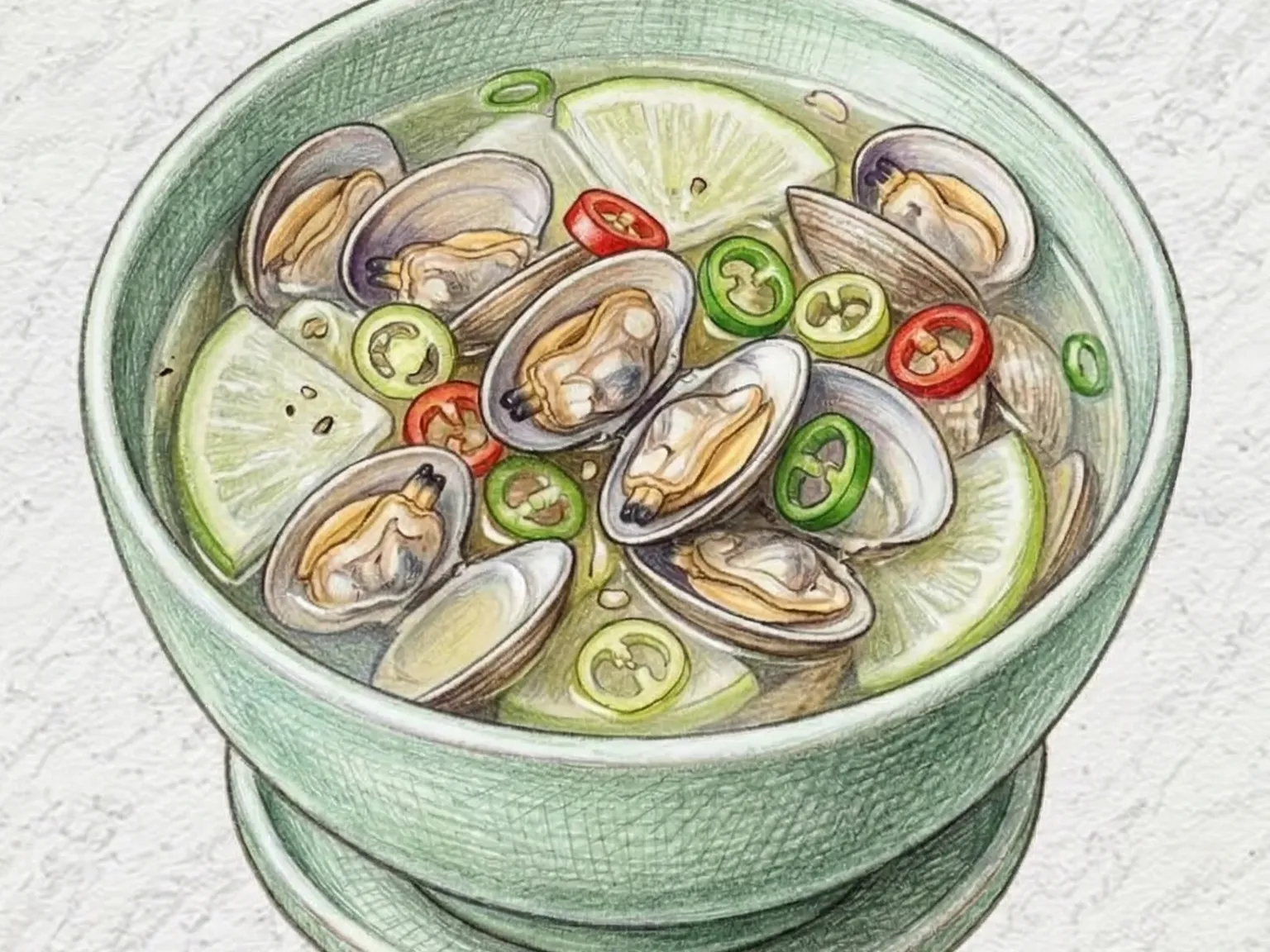
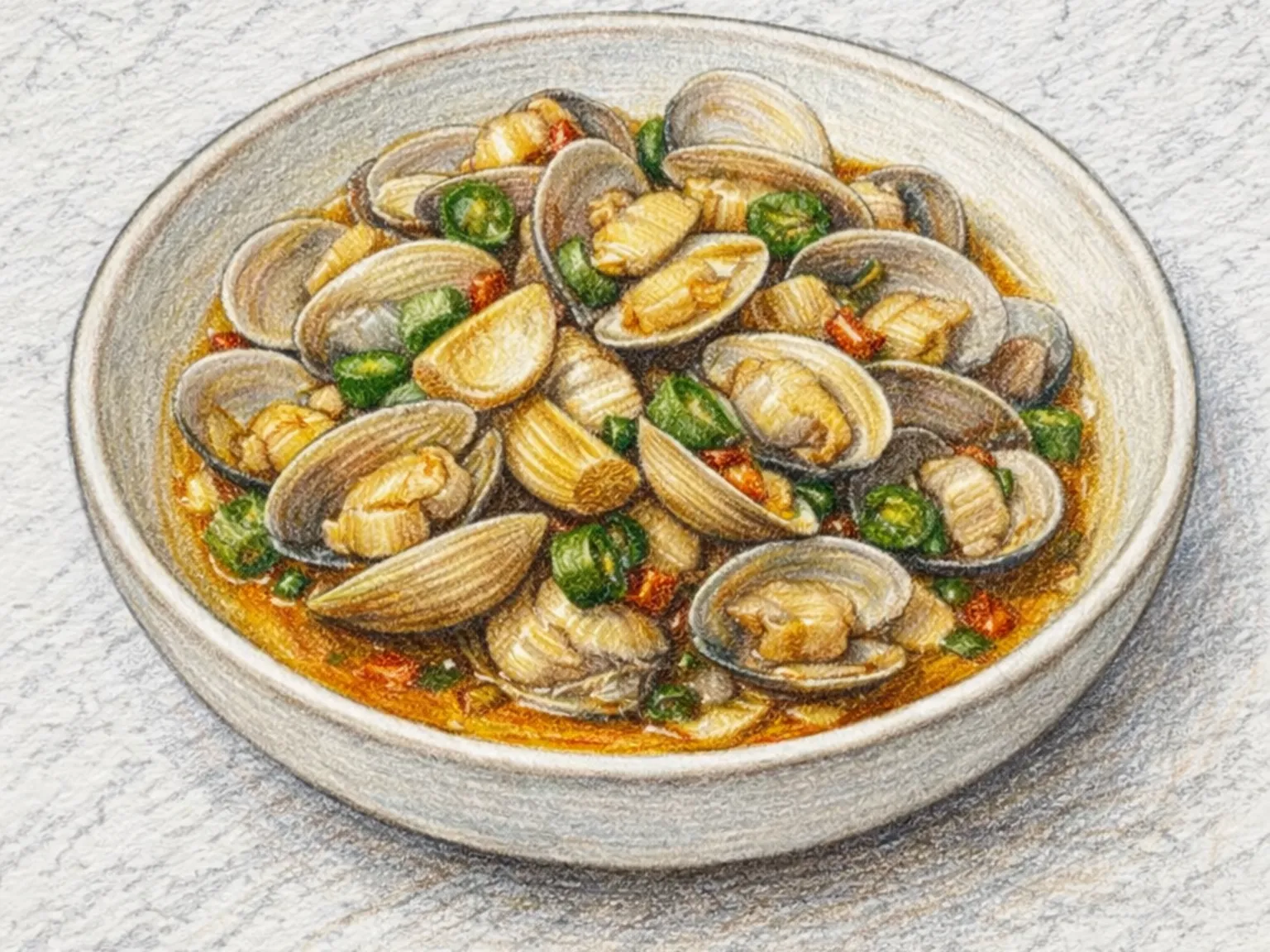
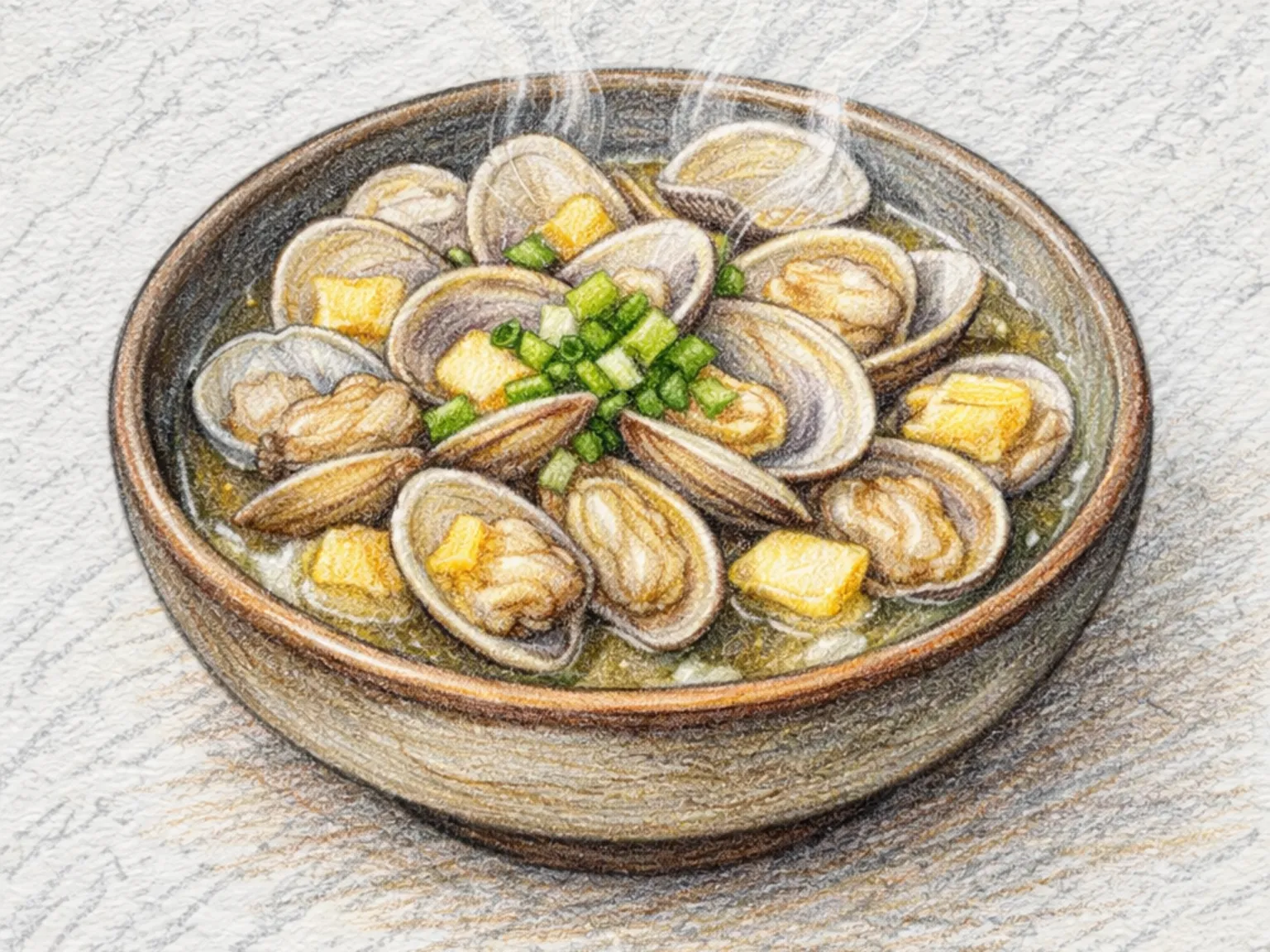
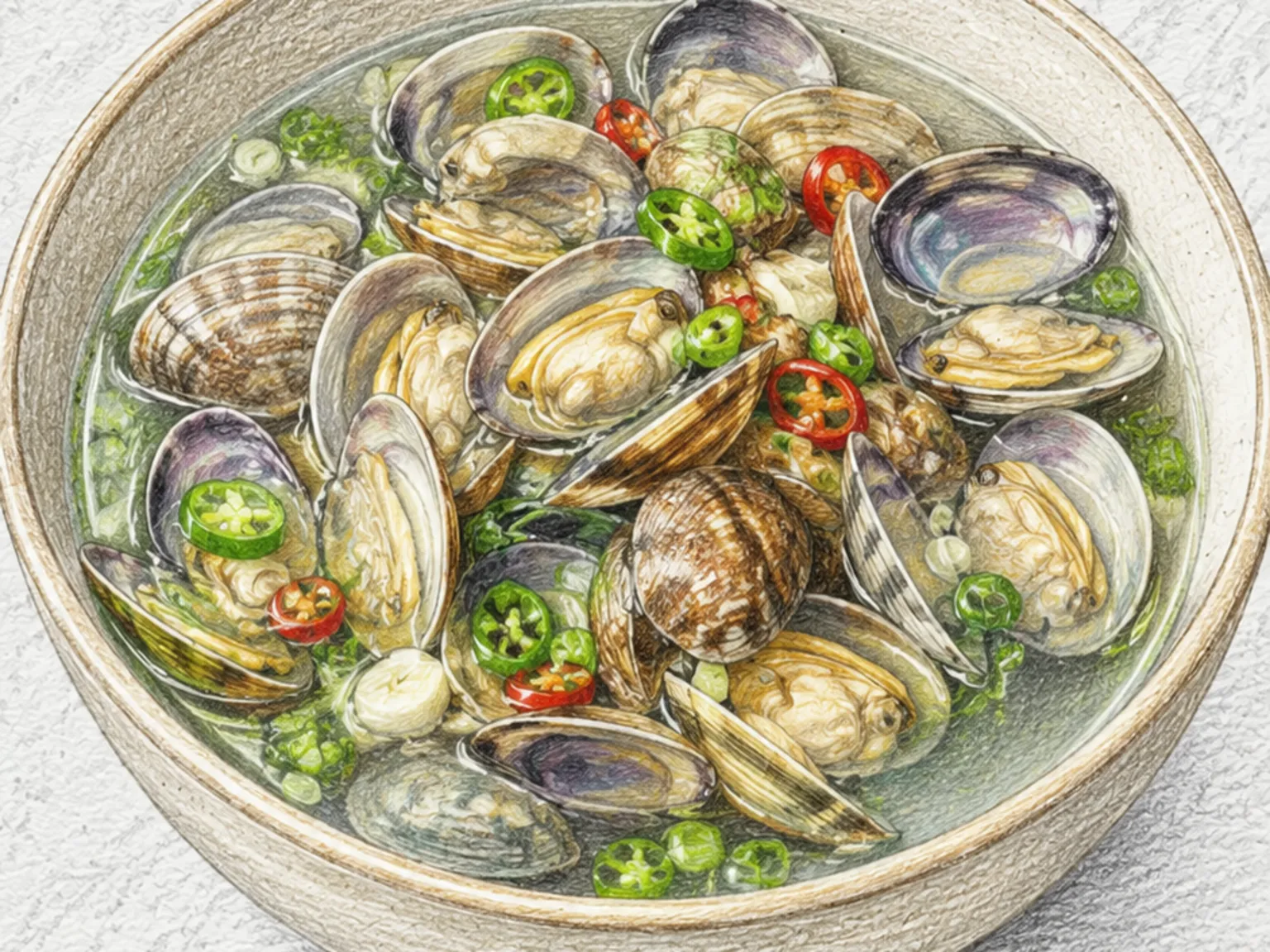
Namhae-jogae-tang is a southern coastal Korean clam soup that relies on an abundance of clams and minimal interference to produce a broth of startling clarity and depth. The clams are purged in salted water, then cooked in water spiked with rice wine, which tempers any raw ocean smell. As the shells pop open, they release their natural liquor - briny, faintly sweet, and concentrated - which becomes the soup's defining flavor. Sliced green and red chilies add gentle heat and color without overwhelming the shellfish, while garlic and green onion contribute a quiet aromatic layer. Salt is added cautiously, since the clams themselves bring significant salinity. The result is a transparent, intensely flavored bowl that tastes like the sea distilled into its purest form, and it is traditionally enjoyed as both a drinking companion and a light meal.
Adjust Servings
Instructions
- 1
Purge clams in salted water for 30 minutes and rinse well.
- 2
Boil water, then add clams and rice wine over high heat.
- 3
As clams open, skim off foam from the surface.
- 4
Add minced garlic and boil 3 more minutes for extra umami.
- 5
Add sliced chilies and green onion; cook for 2 minutes.
- 6
Season with salt and serve right away.
As an Amazon Associate, we may earn from qualifying purchases.
Tips
Nutrition (per serving)
More Recipes

Dongjuk-tang (Korean Surf Clam Broth)
Dongjuk-tang is a Korean surf clam soup where purged clams simmer with radish in water to produce a briny, naturally sweet broth with almost no added seasoning. The radish goes in first for six minutes to build a sweet base, and the clams follow for three to four minutes - they are done the moment their shells open, and cooking any longer toughens the meat. Clams that remain shut after cooking must be discarded. Water dropwort stirred in at the end contributes a fresh, herbaceous fragrance, and a single cheongyang chili pepper adds a mild, lingering heat that tempers the ocean flavor without masking it.

Korean Monkfish Soup (Spicy Southern Coastal Fish Broth)
Agwi-tang is the soup version of Korea's monkfish preparations, originating from the fishing villages along the southern coast where monkfish - called agwi or agu depending on dialect - is landed fresh. Unlike braised or stir-fried monkfish dishes, the tang form prioritizes a clear, brothy base built on anchovy stock. Radish simmers first for eight minutes, sweetening the liquid before the monkfish enters. The fish cooks gently at medium heat, its collagen dissolving into the broth and giving it body. Bean sprouts go in last, contributing a clean crunch that contrasts the soft fish flesh. A final addition of sliced green onion and a punch of gochugaru turns the broth a hazy red. This is hangover food in Korea's coastal towns - hot, spicy, and restorative, traditionally served steaming at dawn markets.

Korean Seafood Hot Pot Soup
Haemul-tang is a Korean seafood hot pot that throws together crab, shrimp, clams, and squid in a fiery, brick-red broth. The liquid starts with gochugaru and plenty of garlic, building a spicy base that the seafood then amplifies with its own briny juices. Radish chunks soften as the pot bubbles, thickening the broth slightly and adding a cool sweetness behind the heat. Green onions and cheongyang peppers go in toward the end for a sharp, vegetal bite. The magic of haemul-tang lies in the convergence of flavors: crab shells release a sweet, crustacean stock; clams open to spill their liquor; shrimp and squid contribute distinct textures from snappy to chewy. The pot is brought to the table still at a rolling boil, and diners pick through the shells and tentacles while the broth continues to concentrate.

Jangeo-tang (Spicy Freshwater Eel Soup)
Jangeo-tang is a nourishing Korean eel soup in which freshwater eel is first boiled, deboned, and then simmered in a bold seasoning of doenjang and gochugaru. Dried radish greens (sirae-gi) are added to the pot, contributing an earthy, slightly bitter depth that grounds the richness of the eel. Garlic and green onion temper any fishiness, leaving behind only the eel's clean, fatty savoriness. The broth develops a dark, spicy intensity while the eel meat remains soft and oil-rich, dissolving into each spoonful. High in protein and healthy fats, jangeo-tang has long been considered a stamina-building dish in Korea, traditionally eaten during the hottest days of summer or whenever energy reserves run low. The combination of fermented soybean paste and chili gives the soup a complexity that distinguishes it from milder restorative broths.

Korean Doenjang Kkotge Tang
Kkotge tang doenjang simmers a full 800g of blue crab in a doenjang-forward broth, yielding a stew where fermented soybean paste and crab essence are the dominant flavors. Radish, zucchini, and onion cook down in the crab-enriched liquid, adding sweetness and body. Unlike the more common spicy crab stews, this version leads with doenjang's earthy depth, backed by a moderate heat from gochugaru and Cheongyang chili. The result is a rich, umami-heavy soup best enjoyed with rice to soak up every drop.

Korean Spicy Seafood Noodle Soup
Jjamppong is a fiery Korean-Chinese noodle soup where squid, mussels, and vegetables are stir-fried in chili-infused oil before being flooded with chicken stock and brought to a rolling boil. The high-heat frying step blooms the gochugaru in oil, embedding a smoky, roasted spice into the broth that raw chili powder alone cannot achieve. Cabbage, onion, and green onion soften into the liquid and release their natural sugars, while soy sauce ties the seasoning together. Springy fresh wheat noodles absorb the vivid red broth, delivering intense heat and deep seafood flavor in every mouthful.