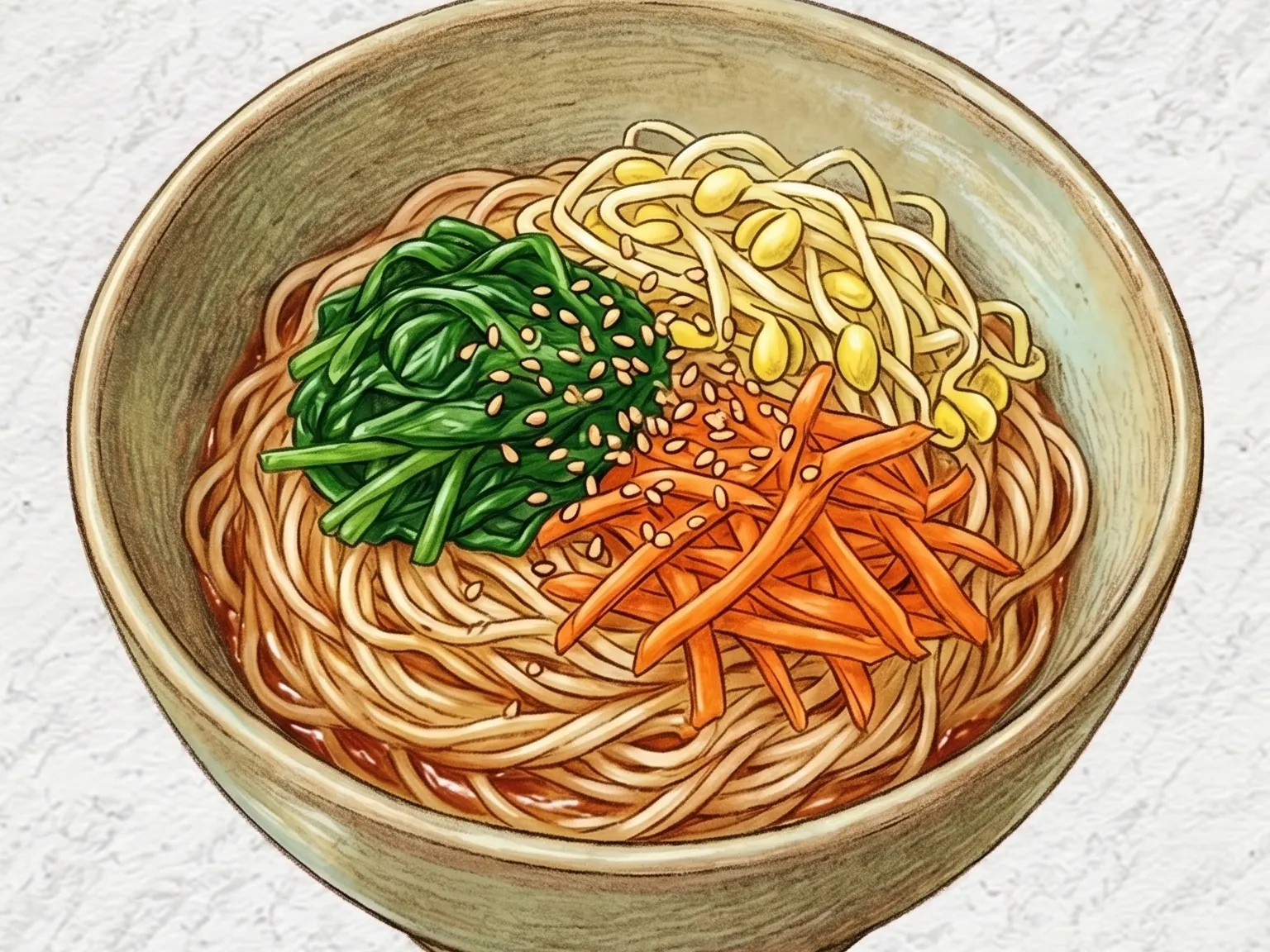
Korean Seasoned Veggie Mixed Noodles
Quick answer
- Total time
- 28 min
- Level
- Easy
- Servings
- 2 servings
- Ingredients
- 10
About this dish
Blanched spinach, soybean sprouts, and julienned carrot are tossed with thin somyeon in a soy, vinegar, and plum syrup dressing that is salty, tart, and faintly sweet, with no chili paste involved.
Read more
The spinach and sprouts are blanched separately and squeezed hard, because leftover water thins the sauce and makes the noodles swell and clump as they sit. Dry-sauteing the carrot without oil for a minute brings out a sweetness raw carrot lacks. Dressing the noodles before adding the vegetables seasons every strand instead of letting the sauce cling only to the greens. The garlic is stirred until evenly dispersed so no single bite turns sharp, and half a tablespoon of gochugaru makes a spicy version.
Ingredients
Instructions
- 1
Blanch the 120 g spinach and 120 g soybean sprouts separately in boiling water, just until the spinach wilts and the sprouts lose their raw edge. Cool them immediately in cold water, then squeeze firmly so the dressing will not turn watery.
- 2
Julienne the 60 g carrot into thin, even strips and heat a dry pan over medium heat.
Saute without oil for about 1 minute, just until the carrot softens slightly and smells sweeter, not until it browns.
- 3
In a mixing bowl, combine 1.5 tablespoons soy sauce, 1 tablespoon vinegar, 1 tablespoon plum syrup, 0.5 tablespoon minced garlic, and 1 tablespoon sesame oil. Stir until the garlic is evenly dispersed, because clumps make some bites too sharp.
- 4
Cook 180 g somyeon in plenty of boiling water for about 3 minutes, stirring at the start so the strands do not stick.
Lift a strand and check that the firm center is gone, then drain immediately.
- 5
Rinse the cooked somyeon several times in cold water, rubbing the strands lightly to remove surface starch.
Shake off excess water in a strainer, then toss the noodles thoroughly with the dressing before adding any vegetables.
- 6
Add the spinach, soybean sprouts, and carrot to the seasoned noodles, then lift and fold with chopsticks so the vegetables stay distinct. Sprinkle with 1 teaspoon toasted sesame seeds and serve right away before the noodles absorb too much moisture.
Use-up ingredient planner
Turn these ingredients into two more meals
The overlap excludes basic seasonings. Open the next recipe and your selected dishes will stay with you.
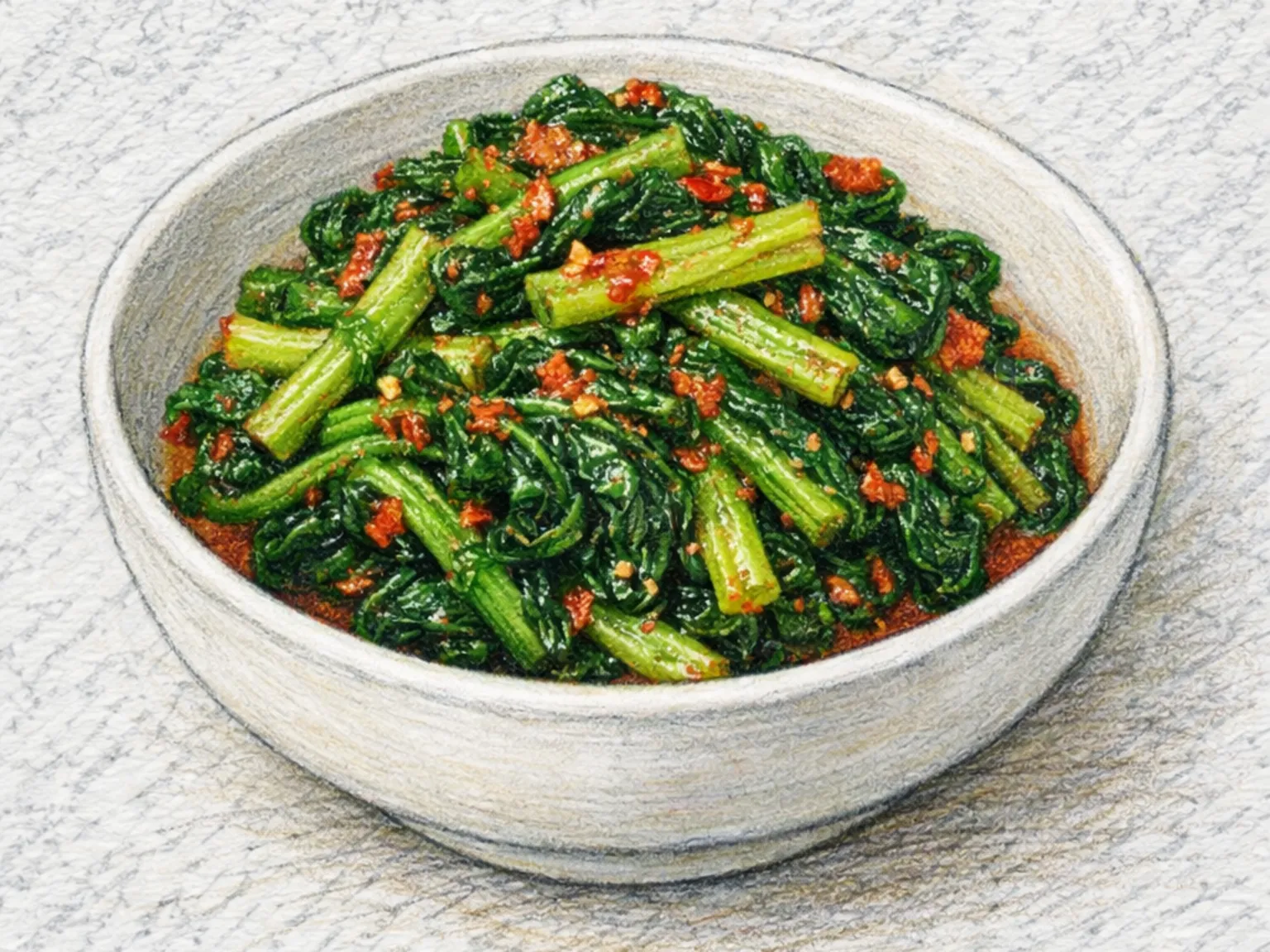
Korean Sigeumchi Kimchi (Spinach Kimchi)
spinach, plum syrup
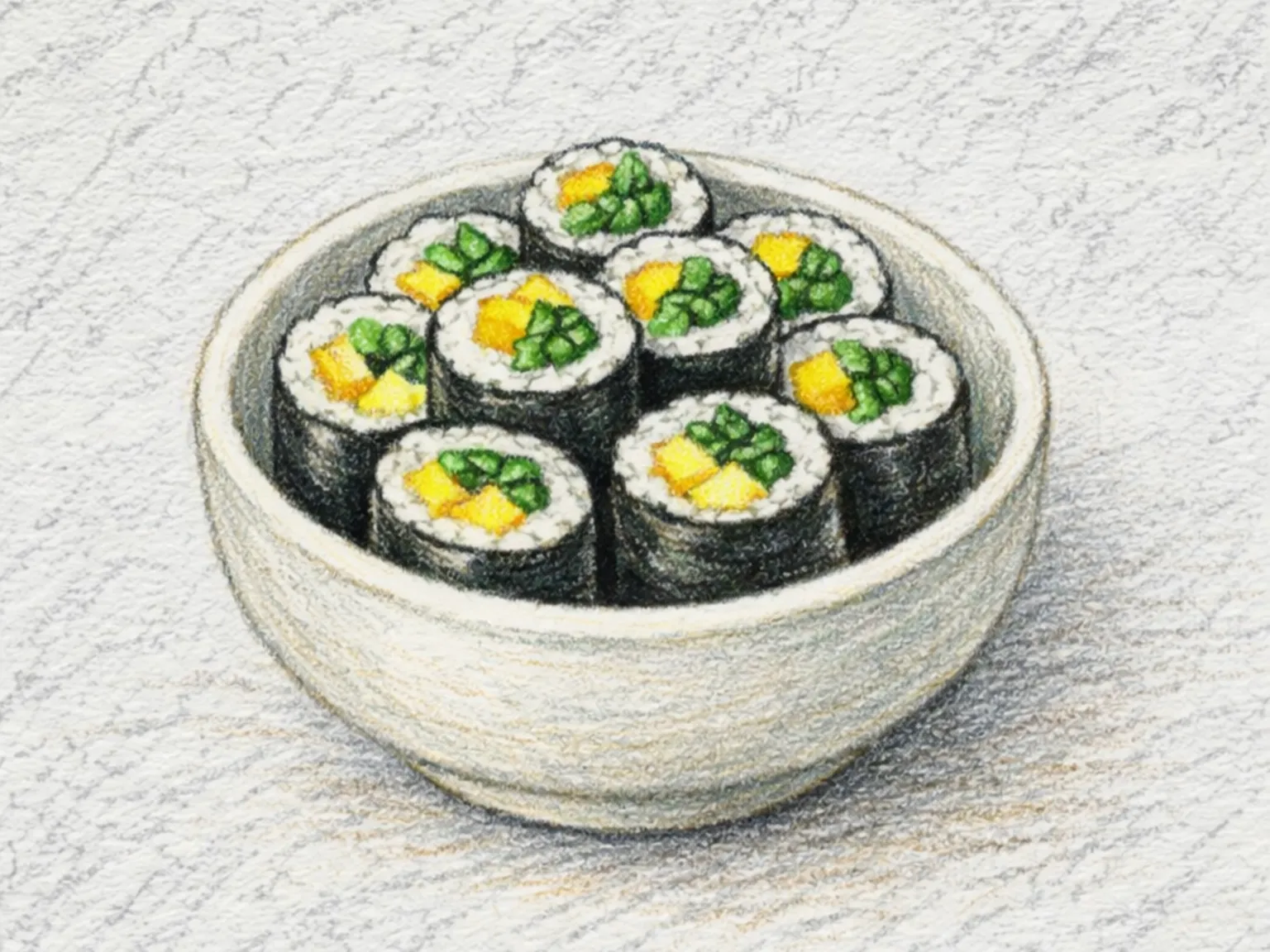
Korean Mini Gimbap
spinach, carrot
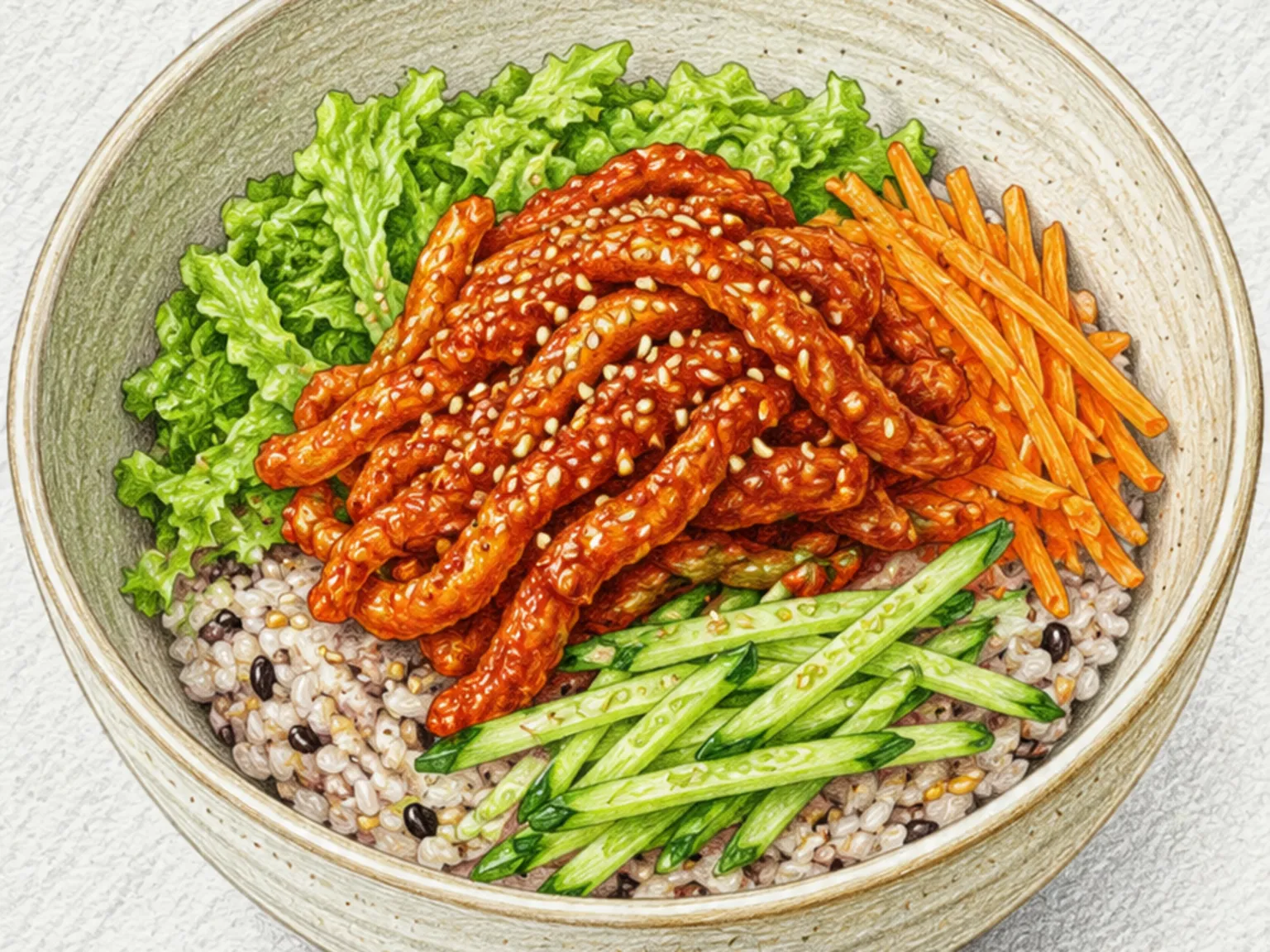
Deodeok Gochujang Bibimbap
carrot, plum syrup