Korean Crispy Flat Mandu (Daegu-Style Thin Pan-Fried Dumplings)
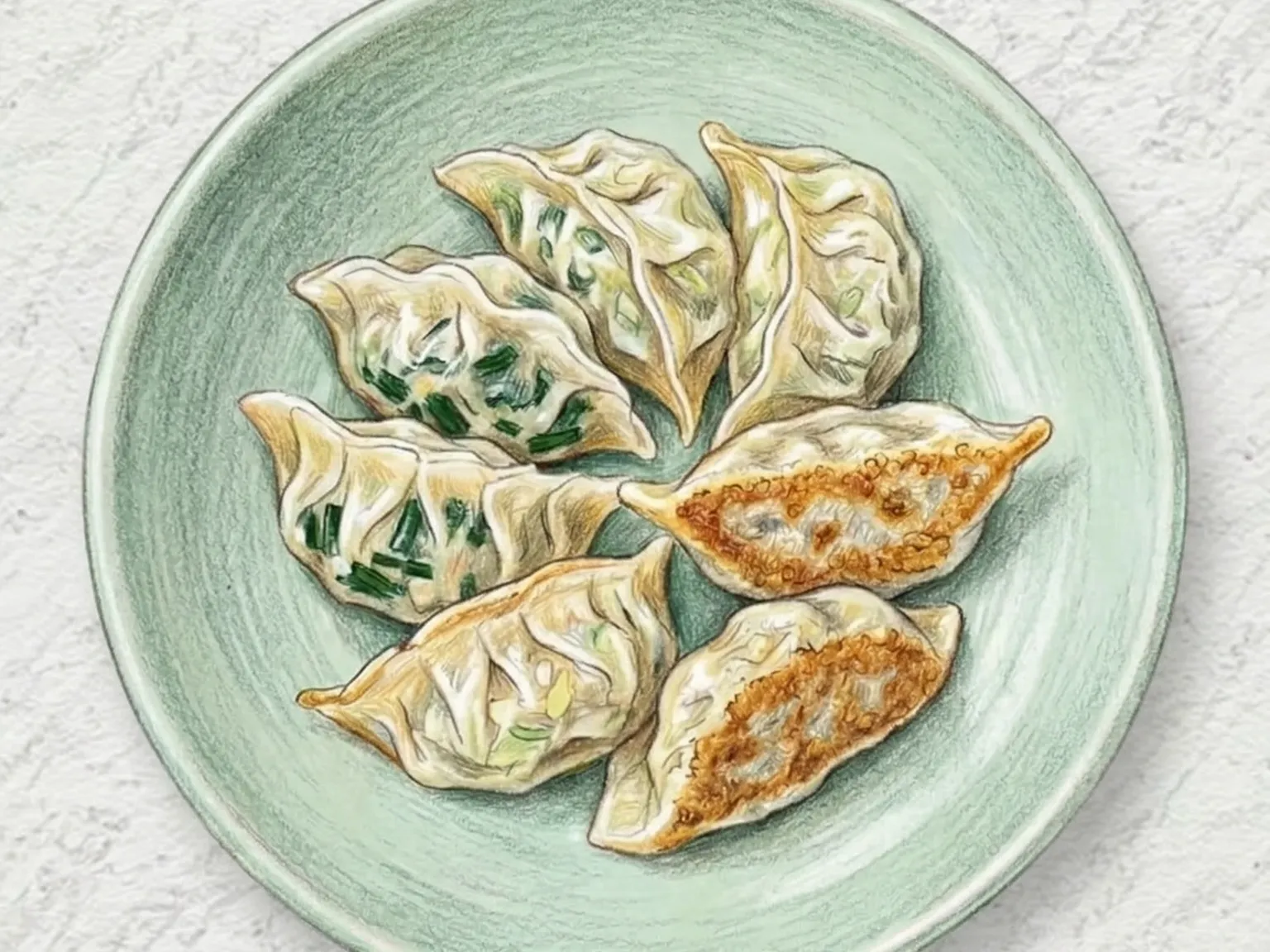
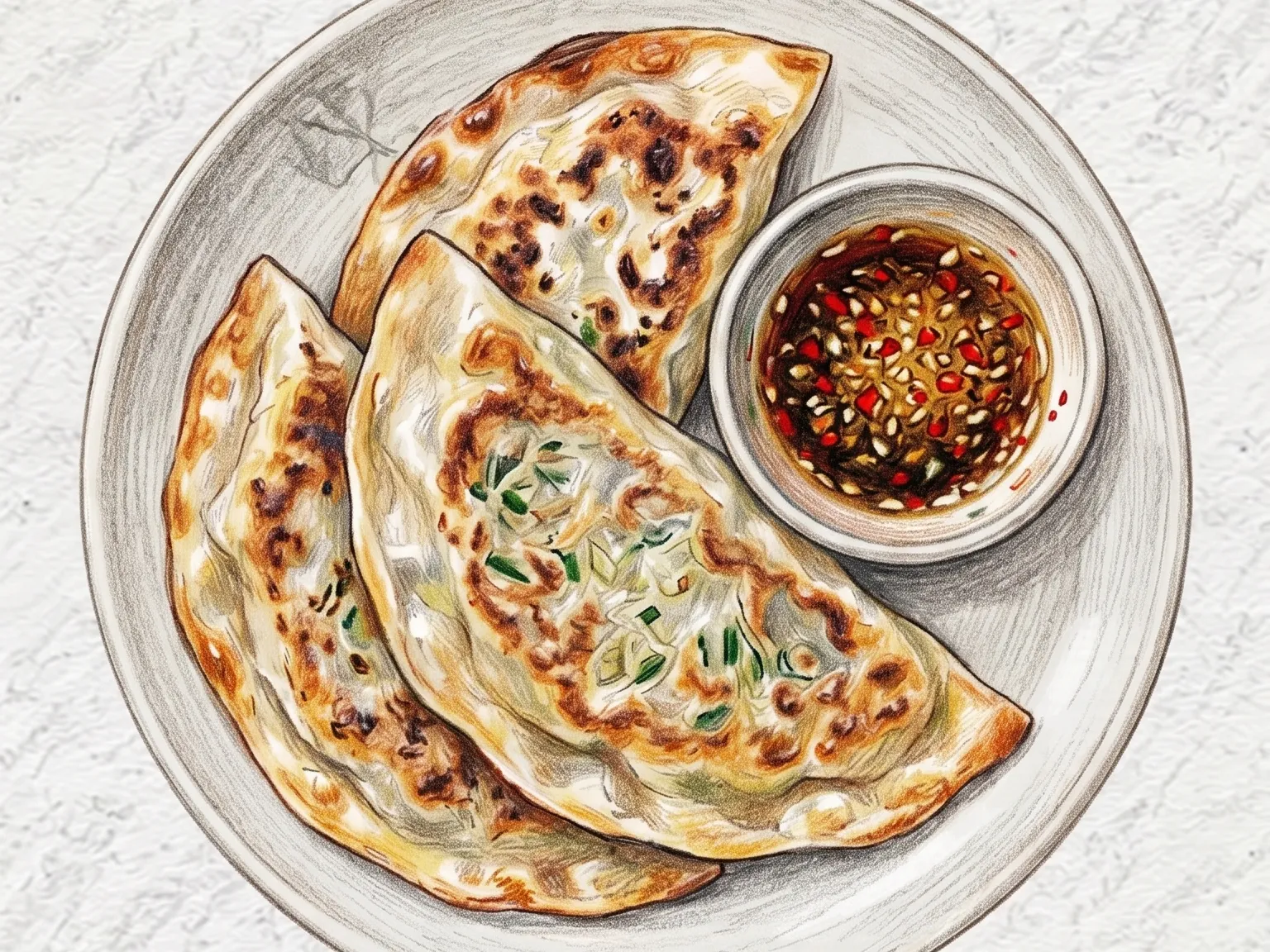
Boiled sweet potato noodles, minced chives, and chopped cabbage are spread thinly inside dumpling wrappers, folded in half, and pan-fried flat until both sides are evenly crisp, in the style of Daegu street food. Using minimal filling is key to achieving the characteristic thin, flat shape that defines this dumpling, and a properly preheated pan ensures uniform crispness on both sides. The standard accompaniment is a tangy-spicy dipping sauce of soy sauce, vinegar, red pepper flakes, and sesame oil. Simple in construction but sharp in flavor balance, this is the dumpling that put Daegu's street food culture on the map.
Adjust Servings
Instructions
- 1
Boil noodles, chop them finely, and mince chives and cabbage.
- 2
Mix noodles and vegetables with 1 tsp sesame oil and 1 tsp soy sauce.
- 3
Spread a thin layer of filling on each wrapper, fold in half, and seal firmly.
- 4
Pan-fry in oil without overlap until both sides are crisp.
- 5
Make dipping sauce with soy sauce, vinegar, pepper flakes, and sesame oil.
- 6
Serve hot with the dipping sauce.
As an Amazon Associate, we may earn from qualifying purchases.
Tips
Nutrition (per serving)
Goes Well With

Korean Dalgona Coffee (Whipped Instant Coffee Foam Milk)
Dalgona coffee is made by whipping equal parts instant coffee, sugar, and hot water with a hand mixer for three to five minutes until stiff, caramel-colored peaks form, then spooning the foam over iced milk. The whipped layer carries a concentrated, bittersweet coffee flavor that gradually blends into the cold, neutral milk below as you stir. A light dusting of cocoa powder on top introduces a faint chocolate note, and increasing the sugar slightly helps the whipped cream hold its stiff structure longer.

Saenggang Jeonggwa (Candied Ginger)
Saenggang jeonggwa is a traditional Korean candied ginger prepared by slicing fresh ginger thin, blanching it twice to reduce the raw heat, then simmering the pieces slowly in a glaze of sugar and grain syrup. A ten-minute soak in cold water draws out the sharpest bite first, and two rounds of boiling soften the pungency further while leaving the clean, aromatic core intact. The slices are cooked on low heat until the syrup reduces to a thick, glossy coat on the surface, at which point lemon juice is added to introduce an acidity that keeps the sweetness from becoming cloying. Once dried on a rack and rolled in granulated sugar, the finished pieces carry a crisp, crystalline shell on the outside. On the first bite, the sugar crust shatters, and the chewy, syrup-saturated ginger beneath releases a slow, building warmth that lingers well after the piece is finished.

Korean Rolled Omelette (Layered Vegetable Egg Roll)
Gyeran-mari - Korean rolled omelette - is a staple of Korean lunchboxes and dinner tables, a dish every Korean home cook masters early. Finely diced carrot, onion, and scallion are mixed into beaten eggs and poured in a thin stream across a lightly oiled rectangular pan. When the egg layer is half-set, it is rolled from one side to the other, then more egg mixture is poured beside the roll and the process repeats three to four times, building concentric yellow layers visible when sliced. Air trapped between the thin sheets gives the omelette its characteristic pillowy softness. Temperature control is critical - too hot and the egg browns; too cool and the layers will not bond. After cooking, wrapping the roll in a bamboo mat or kitchen towel for two minutes sets its shape into a clean cylinder. Found in school cafeterias, picnic bento boxes, and family dinners across Korea.

Japaguri (Two-Pack Instant Noodle Mashup)
Japaguri - also known internationally as ram-don - is a Korean instant noodle mashup that cooks two different packets together in one pot: a black bean sauce variety and a spicy variety. The roasted-bean sweetness of the jjajang seasoning collides directly with the sharp chili heat of the spicy packet, producing a layered flavor that neither product can achieve on its own. Onion and green onion are sauteed in oil first so their natural sugars caramelize slightly and establish a savory-sweet base before the water and noodles go in. Using noticeably less water than either packet recommends is important because both seasoning powders need to be fully absorbed and the finished sauce should cling thickly to every strand. After a film introduced it to international audiences, the dish became shorthand for Korean instant noodle culture and has remained a genuinely popular preparation. Adding premium thinly sliced beef, such as Korean hanwoo, elevates it from a pantry meal to a full dinner.
More Recipes

Korean Vegetable Dumplings
Yachae-mandu are Korean vegetable dumplings filled with finely chopped cabbage, garlic chives, rehydrated glass noodles, and crumbled firm tofu, seasoned with soy sauce, sesame oil, and minced garlic. Squeezing all moisture from the tofu through a clean cloth and salting the cabbage before pressing it dry are both essential steps that prevent the wrappers from bursting during cooking. The glass noodles, cut short before going into the filling, distribute a springy chew throughout each bite rather than clumping in one place. Garlic chives stand in for green onions and bring a pungent, grassy aroma that gives the filling its character without any meat. Pan-frying over medium heat creates a thin, golden crust along the bottom of each dumpling while the upper half stays soft and slightly moist, so every bite delivers a contrast between crisp and tender. Leaving enough border around the filling when sealing the edge prevents blowouts during cooking and keeps the shape intact through to the table.

Korean Egg Dumpling Pancakes
Gyeran-mandu is a Korean market-style egg dumpling pancake made by mixing finely chopped cabbage, scallion, and soaked glass noodles into beaten egg, then pan-frying the mixture into flat, palm-sized rounds. Rather than using a traditional flour wrapper, the egg itself forms the outer shell that binds and seals the filling. The patties cook slowly over medium-low heat, giving the surface time to turn lightly golden while the interior stays moist and tender. Squeezing the excess moisture from the vegetables before mixing is the most critical step - too much water and the patties spread and lose their shape before the egg can set. Glass noodles must be cut into short lengths so the rounds hold together and flip without falling apart. A thin layer of oil in the pan and a lid placed on top help the egg cook evenly without burning. Dipping the finished patties into a sauce of soy sauce, vinegar, and a pinch of gochugaru brings a salty-tangy contrast that complements the mild richness of the egg.

Korean Crispy Kimchi Fried Dumplings
Kimchi gun mandu are pan-fried dumplings filled with finely chopped kimchi, squeezed tofu, ground pork, and green onion seasoned with soy sauce and garlic, shaped into half-moons. The bottoms are first crisped in oil, then water is added and the pan is covered for four minutes to steam the tops, achieving a contrast of crunchy base and moist upper wrapper. The kimchi's acidity and heat permeate the pork fat to create a more assertive umami than plain dumplings, and the tofu smooths out the filling's texture. A splash of vinegar in the soy dipping sauce cuts any greasiness.

Korean Meat Mandu (Pork and Beef Dumplings with Tofu Filling)
Gogi-mandu is a Korean meat dumpling filled with ground pork, ground beef, squeezed tofu, onion, scallion, and garlic, seasoned with soy sauce and sesame oil. Kneading the filling in a single direction develops myosin bonds in the meat proteins, giving the mixture a sticky consistency that helps it hold together and retain moisture during cooking. The pork contributes fat and a mild sweetness, the beef adds a deeper, more savory flavor, and the tofu, wrung dry before mixing, softens the overall texture and prevents the filling from becoming too dense. These dumplings can be steamed in a basket for a clean, light result, or cooked using the steam-then-fry method: a splash of water in a covered pan brings them through with heat, then the lid is removed and the bottoms are crisped directly on the pan surface, producing a golden, crunchy base that contrasts with the soft filling above.

Korean Kimchi Mandu Jjigae (Kimchi Dumpling Stew)
Kimchi mandu jjigae drops whole frozen kimchi dumplings straight into a simmering pot of aged kimchi, tofu, and anchovy stock. The dumpling wrappers absorb the broth as they cook, swelling plump and moist, while the kimchi filling inside echoes the stew's tangy base and doubles the fermented depth. Gochugaru and soup soy sauce add a clean chili heat, and firm tofu cubes absorb the spiced broth for a softer textural contrast. Because the dumplings themselves carry seasoning, it is better to start with less sauce and adjust after tasting the broth. This is a filling, no-fuss meal that needs nothing more than a bowl of steamed rice alongside it.

Korean Grilled Chicken Skewers
Dak-kkochi-gui is a Korean grilled chicken skewer built on the flavors of street-stall cooking, made by threading bite-sized chicken breast or thigh onto bamboo sticks and painting them with a sauce of gochujang, soy sauce, honey, and minced garlic. Thigh meat is the better choice because its higher fat content keeps each piece juicy over direct heat, while breast will dry out quickly. Applying the glaze in two or three separate coats rather than all at once builds a thick, sticky, caramelized surface. Cutting the chicken into uniform cubes ensures even cooking, and alternating pieces with slices of green onion or bell pepper adds moisture and prevents the meat from tightening up. Turning the skewers frequently over medium heat keeps the sugars in the sauce from scorching while the surface develops an even, deep char. The same result comes out well in an air fryer at 200 degrees Celsius for twelve to fourteen minutes. Gochujang's fermented heat against the sweetness of honey and the smell of searing meat is the unmistakable signature of Korean pojangmacha.