Korean Stir-Fried Fish Cake Strips
Quick answer
This side dish features flat fish cake sheets sliced into thin strips and stir-fried in a savory seasoning mixture.
What makes this special
- Rectangular slices of flat fish cake stir-fry with garlic and red pepper flakes until the soy sauce and sugar coating caramelizes in a hot pan.
- Blanching fish cake first removes surface oil for cleaner seasoning
- Sweet-spicy balance of chili, soy, and sugar defines the dish
Key ingredients
Core cooking flow
- 1 Slice 200 g flat fish cake into long 1 cm wide strips.
- 2 Mince 2 garlic cloves finely, and measure 1 teaspoon each red pepper flakes, soy sauce, and sugar.
- 3 Heat a pan over medium heat and coat it lightly with oil.
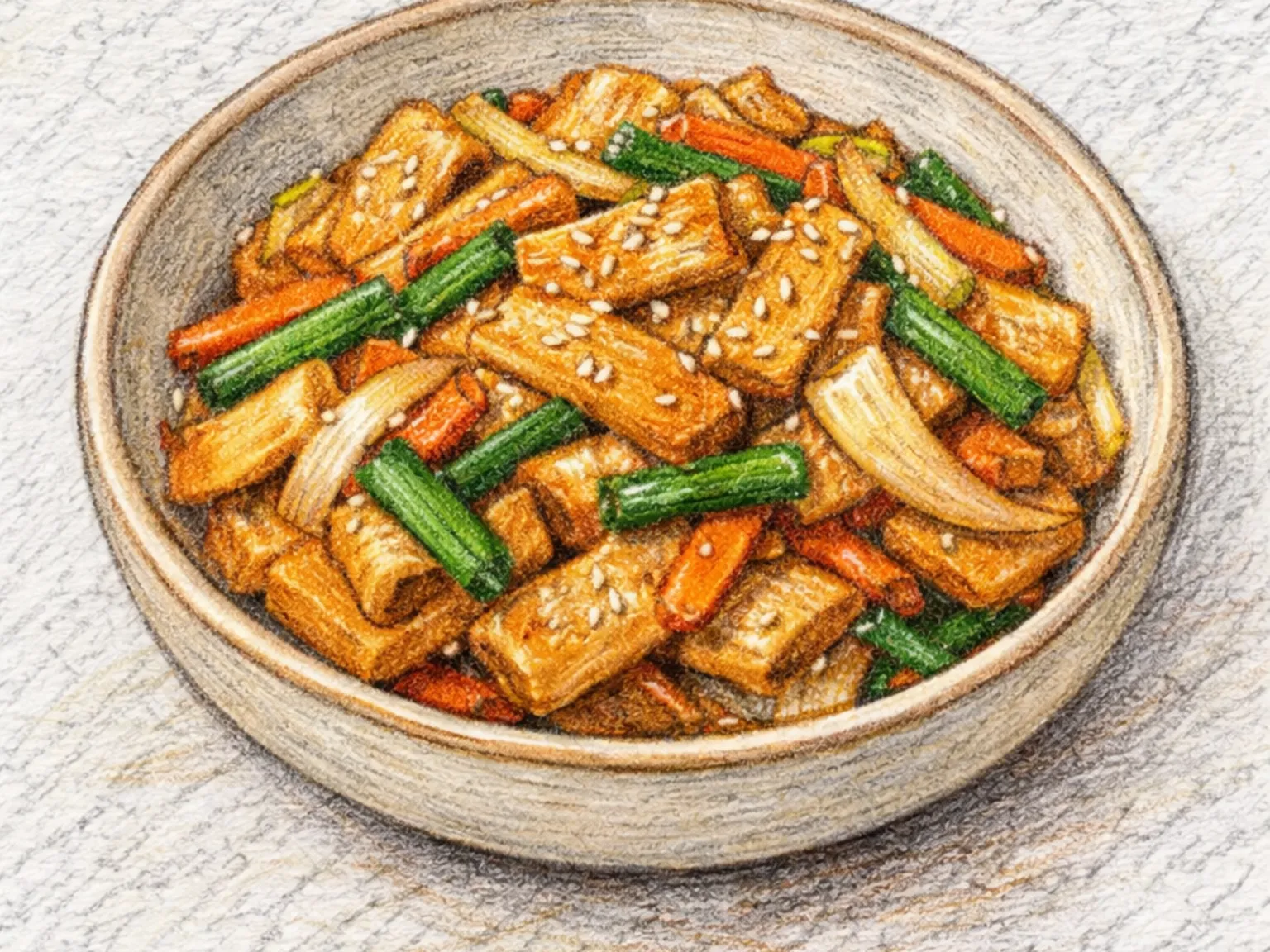
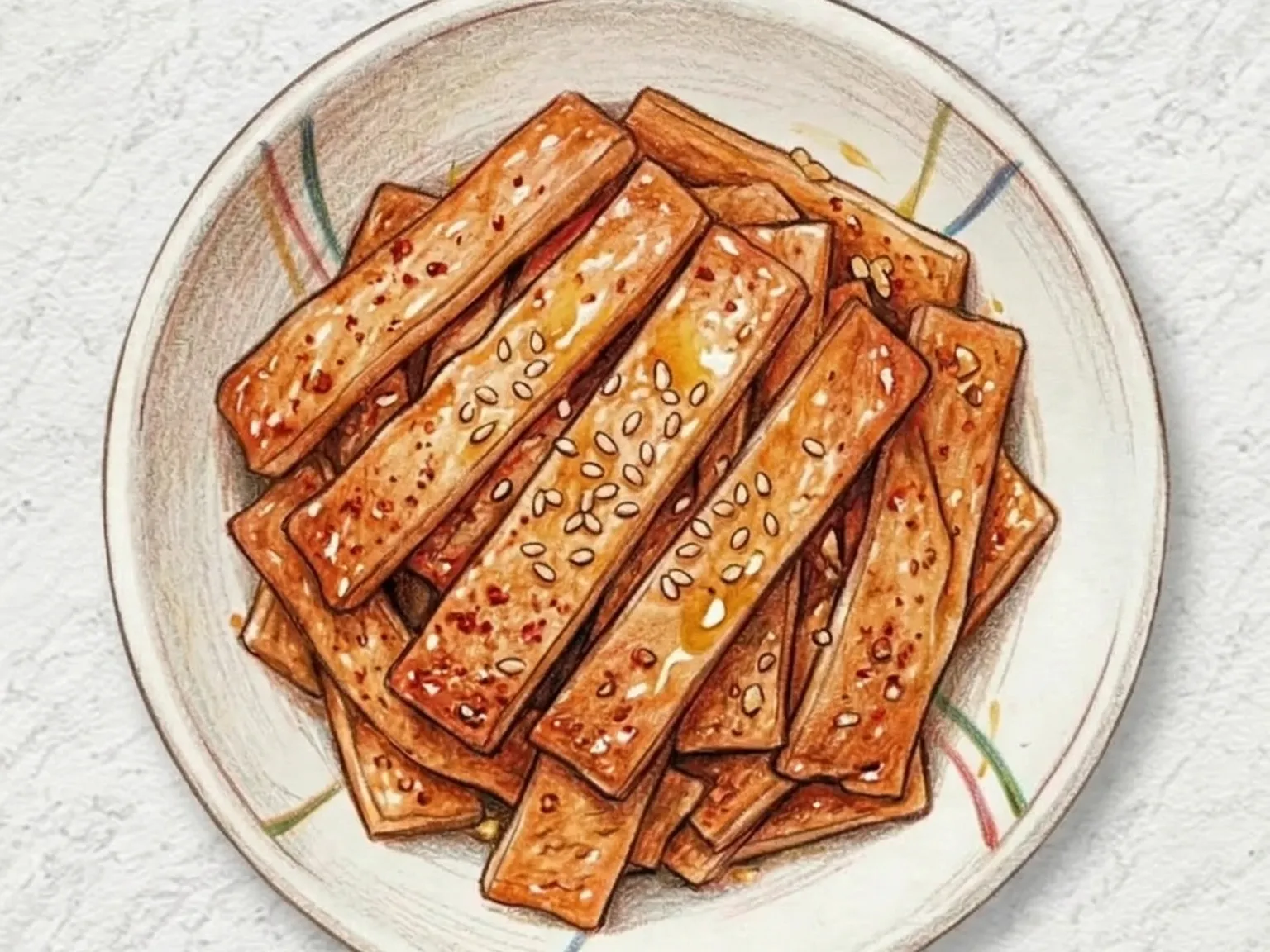
This side dish features flat fish cake sheets sliced into thin strips and stir-fried in a savory seasoning mixture. The preparation starts with blanching the fish cake slices in boiling water to remove excess surface oil, which helps the glaze adhere evenly. The strips are first stir-fried in an oiled pan over medium heat to evaporate surface moisture and curl the edges. Minced garlic and red pepper flakes are then added and cooked quickly to prevent the spices from burning. After seasoning with soy sauce and sugar, the ingredients are tossed until they become glossy and the sauce is fully absorbed. The heat is turned off before mixing in sesame oil and toasted sesame seeds to provide a nutty finish. This dish offers a clear balance of sweet and spicy flavors that pairs well with steamed rice.
Instructions
Read the steps as a cooking flow: prep, heat, seasoning, doneness control, and finish.
- 1Season
Slice 200 g flat fish cake into long 1 cm wide strips.
Blanch them in boiling water for 20 to 30 seconds, then drain and shake off moisture so the seasoning clings cleanly instead of sliding off.
- 2Season
Mince 2 garlic cloves finely, and measure 1 teaspoon each red pepper flakes, soy sauce, and sugar.
Keep them ready beside the stove, because the stir-fry moves quickly and the pepper flakes can burn if delayed.
- 3Control
Heat a pan over medium heat and coat it lightly with oil.
Add the fish cake strips and stir-fry for 1 to 2 minutes, until the edges curl slightly and surface moisture evaporates.
- 4Step
Lower the heat to medium-low and add the minced garlic first, stirring for only about 20 seconds.
When it smells fragrant, add the red pepper flakes and toss immediately before they darken or burn.
- 5Season
Add 1 teaspoon soy sauce and 1 teaspoon sugar, then stir-fry for about 1 minute.
Toss until the fish cake looks glossy and the seasoning no longer pools on the bottom of the pan.
- 6Finish
Turn off the heat and mix in 1 teaspoon sesame oil and 1 teaspoon sesame seeds with the residual heat.
Taste to check that the saltiness is evenly absorbed, then serve while still warm.
After the steps
Pick a recipe that fits this dish.
Continue with shared ingredients, meal pairings, or a similar method.
Recipes That Go Well With This
More Street food →Based on shared ingredients and meal pairing
Korean Grilled Fish Cake Skewers
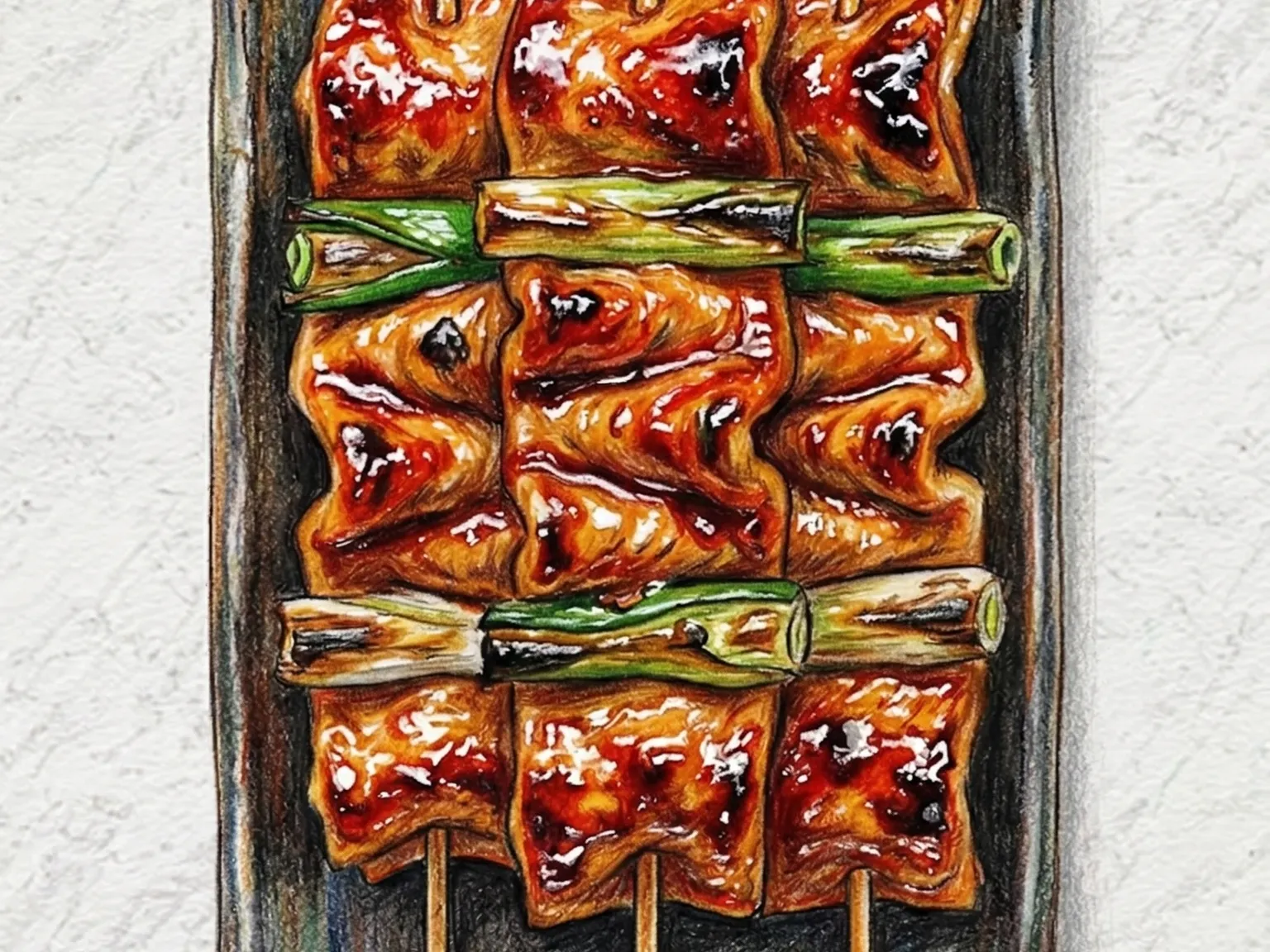
Eomuk kkochi gui are Korean grilled fish cake skewers, a staple of street food stalls that pair naturally with tteokbokki. Square fish cake sheets are folded in zigzag layers onto wooden skewers, grilled until the surface takes on color, then brushed with a glossy sauce of soy sauce, gochujang, sugar, and minced garlic. Folding the sheets before skewering multiplies the surface area that the sauce can grip and creates layered thickness that turns each bite into a dense, bouncy chew. Dry-grilling without oil first is important: it drives off moisture from the surface so that when the sauce is applied it clings and does not slide off. A second brief pass over heat after glazing caramelizes the sugars into a lacquered sheen and intensifies the savory aroma. Tucking pieces of green onion between the folds adds another layer of flavor -- the onion's moisture steams away as it grills, releasing a sweet, mellow fragrance that gradually infuses the fish cake.
Eomuk-guk (Fish Cake Radish Clear Soup)
Eomuk-guk is a straightforward Korean soup centered around fish cakes and a base liquid prepared by simmering sliced radish. The initial step involves boiling the radish in water for a sufficient duration so that it releases a mild, natural sweetness into the broth while the liquid itself takes on a slightly translucent appearance. Depending on individual preference, the radish can be taken out of the pot or left in as part of the final dish. Once the base is ready, pieces of fish cake are added to the boiling liquid along with soup soy sauce and minced garlic. The mixture then simmers for approximately six minutes, a period during which the fish cakes soften and absorb the saltiness of the soy sauce while simultaneously contributing their own flavor back into the soup base. To finish the preparation, thinly sliced green onions and a sprinkle of black pepper are stirred in. These final additions provide a sharp fragrance and a gentle heat that helps recreate the specific taste found at traditional Korean snack bars and street food carts. The entire cooking procedure is completed in about twenty minutes. Because the required ingredients are minimal and often staples, this recipe serves as a practical option for times when there are few groceries available in the kitchen. This makes the dish accessible even when the refrigerator is nearly empty and only basic pantry items remain.
Korean Spicy Mixed Cold Noodles
Cold, chewy naengmyeon noodles are tossed in a sauce of gochujang, chili flakes, vinegar, sugar, and sesame oil. The noodles' characteristically tough, springy texture grips the bold sauce rather than letting it slide off, which creates an intensely textured bite. The single most critical preparation step is rinsing the boiled noodles thoroughly under cold water multiple times - removing the surface starch and squeezing out excess moisture keeps the sauce from diluting as it sits. Julienned cucumber and thin-sliced Korean pear cut through the heat, bringing refreshing crunch and a light fruitiness to each mouthful. Half a boiled egg placed on top tempers the chili's sharpness and brings the overall balance into line.
Korean Eomuk Hot Bar (Fried Fish Cake Skewer)
Eomuk hotbar is a Korean street food snack made by threading fish cake onto a skewer, coating it in a flour and egg batter, and deep-frying until golden. Wrapping the fish cake in a spiral around the skewer before frying maximizes the surface area that the batter can cling to, and the result after frying is a double-layered texture: a crisp outer shell from the batter and a chewy, springy fish cake center underneath. Adding a small amount of baking powder to the frying mix causes the batter to puff slightly, producing a lighter crunch that does not feel heavy despite the frying. Ketchup or mustard is the standard condiment, applied straight from the bottle at roadside stalls. The mild fish flavor from the eomuk comes through subtly from beneath the fried coating rather than dominating.
Serve with this
Candied Sweet Potato
Goguma mattang is a Korean candied sweet potato snack made by cutting peeled sweet potatoes into large chunks and deep-frying them at 170 degrees Celsius until the interior turns floury and soft. A syrup of sugar, corn syrup, water, and a measured splash of soy sauce is cooked separately until large, foamy bubbles form - the visual cue for adding the fried sweet potatoes. Everything must be coated within thirty seconds to lock in a thin, glass-like caramel shell that crisps and turns translucent as it cools. The soy sauce shifts the flavor from purely sweet to a rounded, slightly savory depth. Pre-draining surface moisture from the cut sweet potatoes reduces oil splatter during frying and helps the syrup grip the pieces evenly. Black sesame seeds are scattered over the finished pieces for a toasted, nutty note, and each piece is spread individually on parchment paper while still warm so they cool without sticking together.
Korean Seasoned Young Radish Greens
Preparing these young radish greens requires precision during the brief blanching stage to maintain their structural integrity. A quick ten to fifteen second dip in boiling water softens the leaves while keeping the stems firm. An immediate transition to a cold water bath locks in the pale green color and stops the cooking process. After squeezing out the excess moisture, the greens are tossed with soup soy sauce, minced garlic, sesame oil, and toasted sesame seeds. The soup soy sauce provides a subtle saltiness that highlights the natural grassy essence of the vegetable. Minced garlic contributes a sharp element to the mild base, and a light coating of sesame oil ensures a smooth mouthfeel. Each bite releases the toasted scent of sesame seeds. This side dish functions effectively as a palate cleanser when served alongside spicy stews or fatty grilled meats. Its appeal lies in a clean profile that avoids heavy seasonings, allowing the fresh character of the greens to remain central.
Korean Malcha Duyu Latte (Matcha Soy Latte)
Matcha duyu latte is a vegan drink that pairs whisked matcha with gently warmed unsweetened soy milk. The tea's vegetal bitterness meets the soy milk's natural nuttiness in a creamy balance, anchored by acacia honey and a pinch of salt that clarify both flavors. A small measure of vanilla extract adds a background sweetness, and roasted soybean powder dusted on top reinforces the nutty character. Heating the soy milk only until tiny bubbles appear at the edges prevents any off-flavors from developing.
Similar recipes
Korean Fish Cake Fried Rice
Eomuk bokkeumbap is a Korean fried rice built around diced fish cake, carrot, egg, and soy sauce -- a dish that earns its place precisely because it comes together in under ten minutes from pantry basics. The fish cake develops a lightly crisped exterior when stir-fried in hot oil, and as it cooks, its mild, briny savoriness infuses every grain of rice it comes into contact with. Egg is scrambled on one side of the pan before being folded through, adding a layer of richness without complicating the overall flavor. Soy sauce seasons the rice throughout while a drizzle of sesame oil at the very end coats the finished dish with a glossy, nutty finish. Chopped green onion tossed in just before plating provides a fresh, aromatic contrast to the savory base. The saltiness can be dialed up or down easily by adjusting the soy sauce, and a scatter of toasted sesame seeds or crumbled dried seaweed over the top adds both flavor and visual appeal. The dish requires nothing more than leftover rice and a few pieces of fish cake, making it one of the most reliable quick-meal options in the Korean home kitchen, practical for a rushed lunch or a light after-school snack for children.
Korean Potato Fritters
Gamja twigim coats sliced or shredded potatoes in a batter of frying mix and cold water, then deep-fries them until golden and crisp at Korean street food stalls and bunsik restaurants. Soaking the cut potatoes in cold water for at least ten minutes washes off surface starch, which reduces oil absorption and keeps the crust crunchy longer after frying. Keeping the batter coat thin lets the potato's starchy sweetness come through; a thick coat forces a longer fry time and tends to turn the interior mushy. Thick-cut slices yield a fluffy, almost powdery interior beneath the crust, while shredded potatoes tangle together into a chip-like, airy cluster with multiple crisp layers. Oil temperature should sit between 170 and 180 degrees Celsius; too low and the pieces absorb excess oil, too high and the outside burns before the center is cooked through. Salt alone is enough to bring out the potato's savory sweetness, and Korean fritter shops typically serve these alongside chili pepper and perilla leaf tempura as part of a mixed platter.
Korean Fish Cake Soup (Clear Anchovy Radish Broth)
Eomuk-tang is a Korean fish cake soup in which skewered fish cakes and thick radish slices simmer in a clear broth built from dried anchovies and kelp. The kelp must be removed the moment the water begins to boil, otherwise it releases a slimy texture that clouds the broth. Cutting the radish thick allows it to slowly release natural sweetness over the long simmer. Rinsing the fish cakes in hot water before adding them washes away surface oil and keeps the broth clear and clean. Soup soy sauce adjusts the seasoning, and green onion and black pepper finish the pot. Adding the radish before the fish cakes ensures it has enough time to fully soften and sweeten the broth, since it takes longer than the eomuk to cook through.