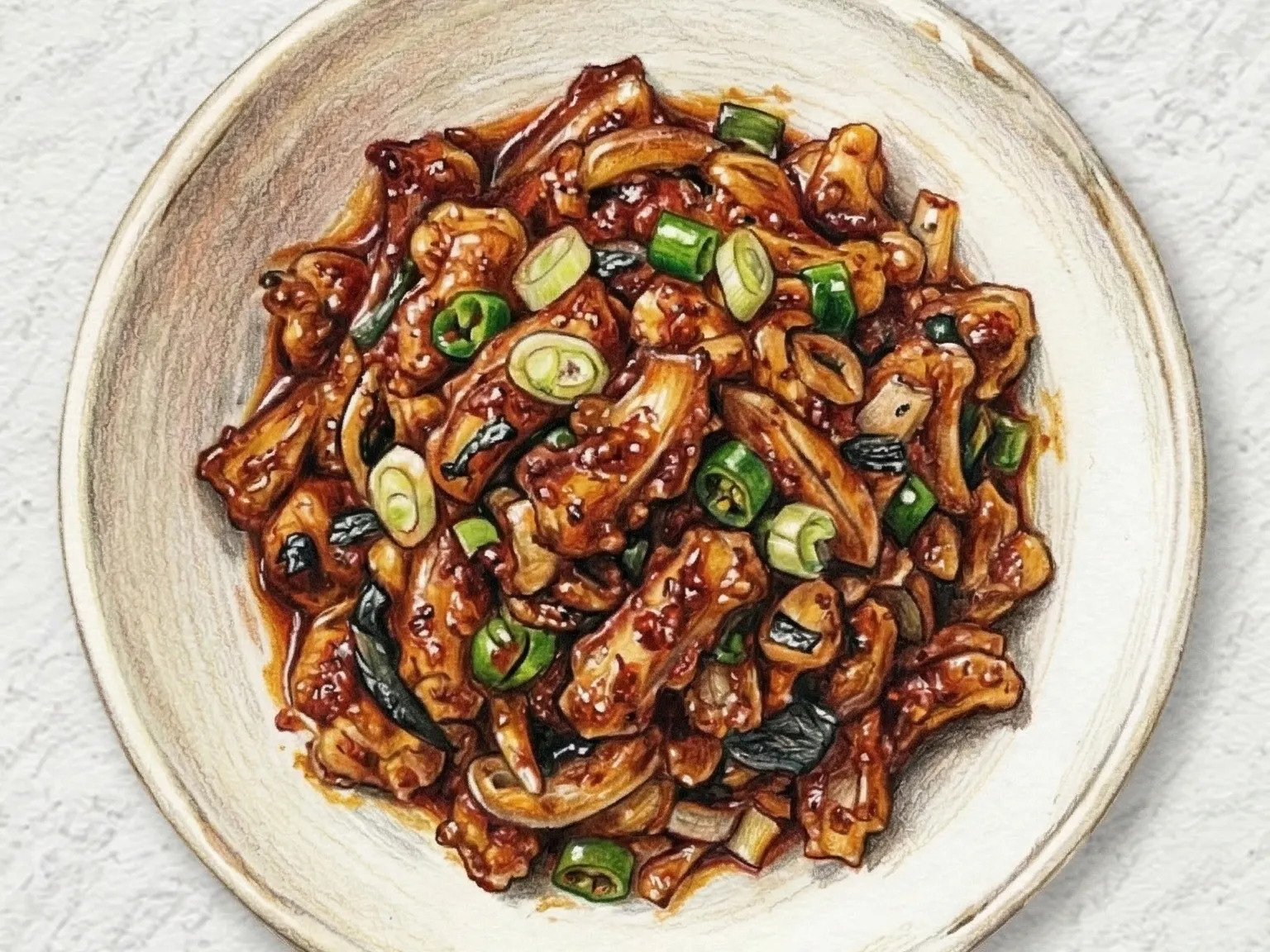
Korean Spicy Stir-fried Cartilage
Quick answer
- Total time
- 27 min
- Level
- Medium
- Servings
- 2 servings
- Ingredients
- 10
About this dish
Chicken cartilage gives a crunch first and then a chew.
Read more
The longer it cooks, the more that crunch turns tough, so the cartilage is marinated for 10 minutes and then stir-fried hard and fast. Gochujang, chili flakes and hot Cheongyang chilies pile up into a fiery bar snack.
Ingredients
Instructions
- 1
Rinse 300 g chicken cartilage briefly, then drain it well in a sieve.
Press every piece with paper towels until the surface feels dry, because leftover moisture weakens the marinade and prevents quick browning.
- 2
In a mixing bowl, combine 1.5 tablespoons gochujang, 1 tablespoon gochugaru, 1 tablespoon soy sauce, 1 tablespoon minced garlic, and 1 teaspoon sugar. Stir until the paste loosens and no dry pepper clumps remain.
- 3
Add the sauce to the dried cartilage and toss with a spoon or gloved hand until every piece is thinly coated.
Leave it at room temperature for 10 minutes so the seasoning grips the surface.
- 4
Heat the pan over high heat until it is very hot, then add 1 tablespoon cooking oil.
Spread in the marinated cartilage and stir-fry quickly for about 2 minutes, keeping it moving so the sauce chars lightly without burning.
- 5
When the cartilage edges look browned and the spicy aroma deepens, add 80 g onion, 40 g green onion, and 2 hot green chilies.
Keep the heat high so the vegetables sear instead of releasing too much liquid.
- 6
Stir-fry for about 1 more minute, until the vegetable moisture evaporates and the sauce clings in a glossy glaze.
Check the meat attached to the largest piece with a thermometer and heat it to at least 75°C for at least 1 minute, then serve immediately, with rice balls if desired to balance the heat. Time and color alone do not establish doneness.
Official cooking and safety guidance
Public-agency cooking and food safety guidance that applies to this recipe.
Official cooking and safety guidance
-
Storage and reheating
Refrigerate leftovers in shallow containers within 2 hours and use them within 3 to 4 days. Reheat the center to 74°C.
Source: USDA Food Safety and Inspection Service. Leftovers and Food Safety
Sources checked 2026-08-03
Use-up ingredient planner
Turn these ingredients into two more meals
The overlap excludes basic seasonings. Open the next recipe and your selected dishes will stay with you.
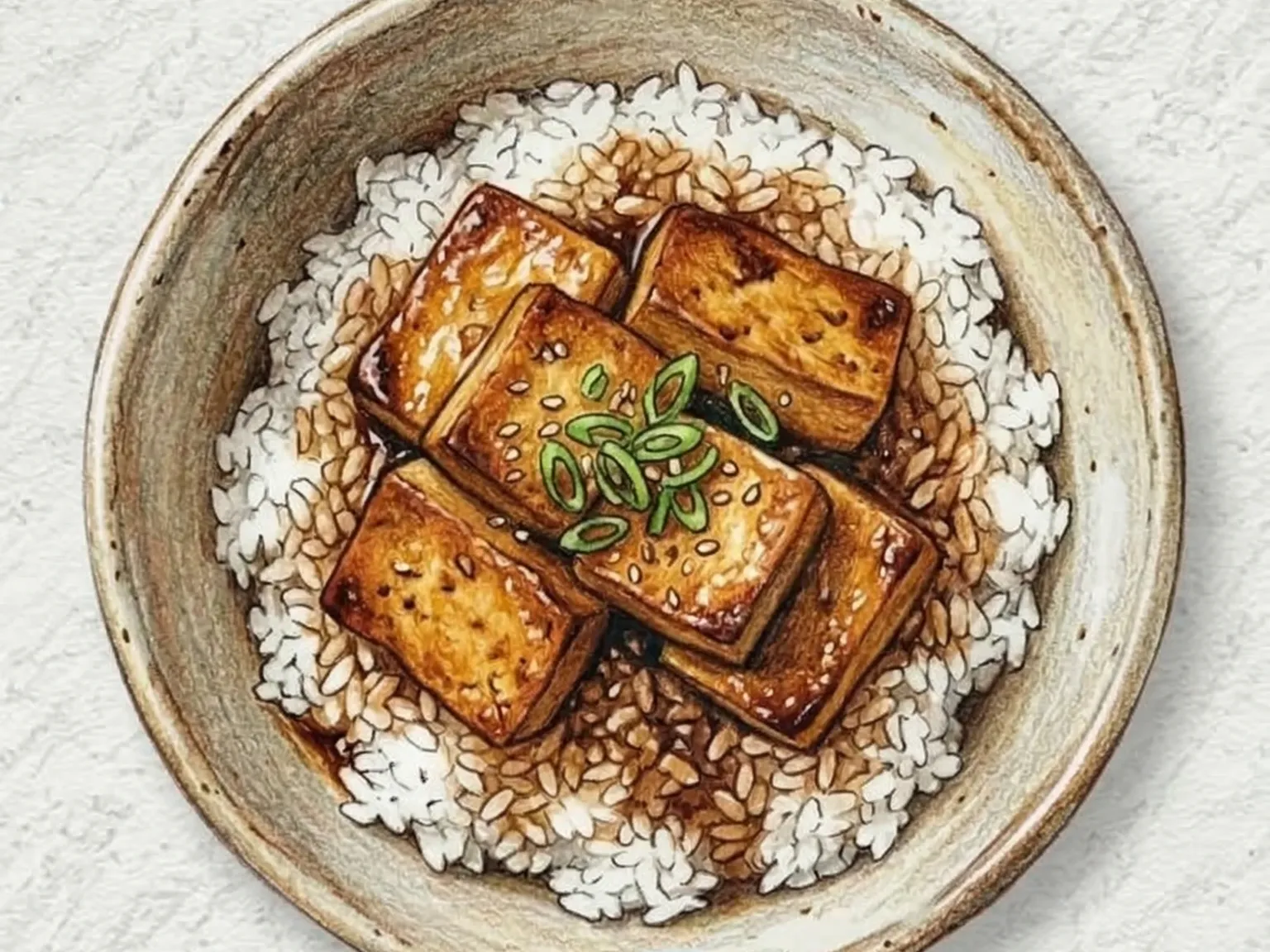
Korean Braised Tofu Rice Bowl
onion, green onion
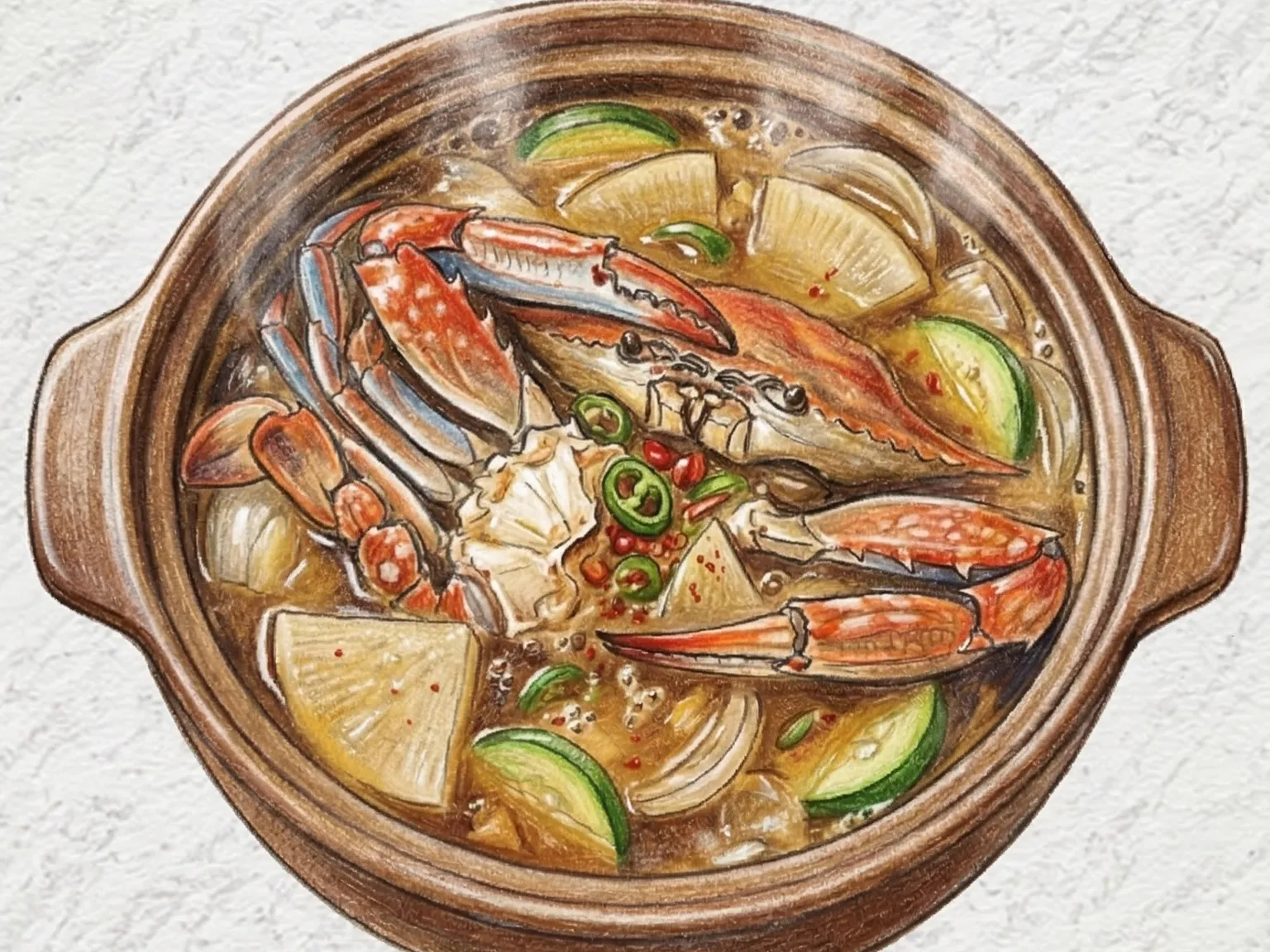
Korean Doenjang Kkotge Tang
onion, green onion
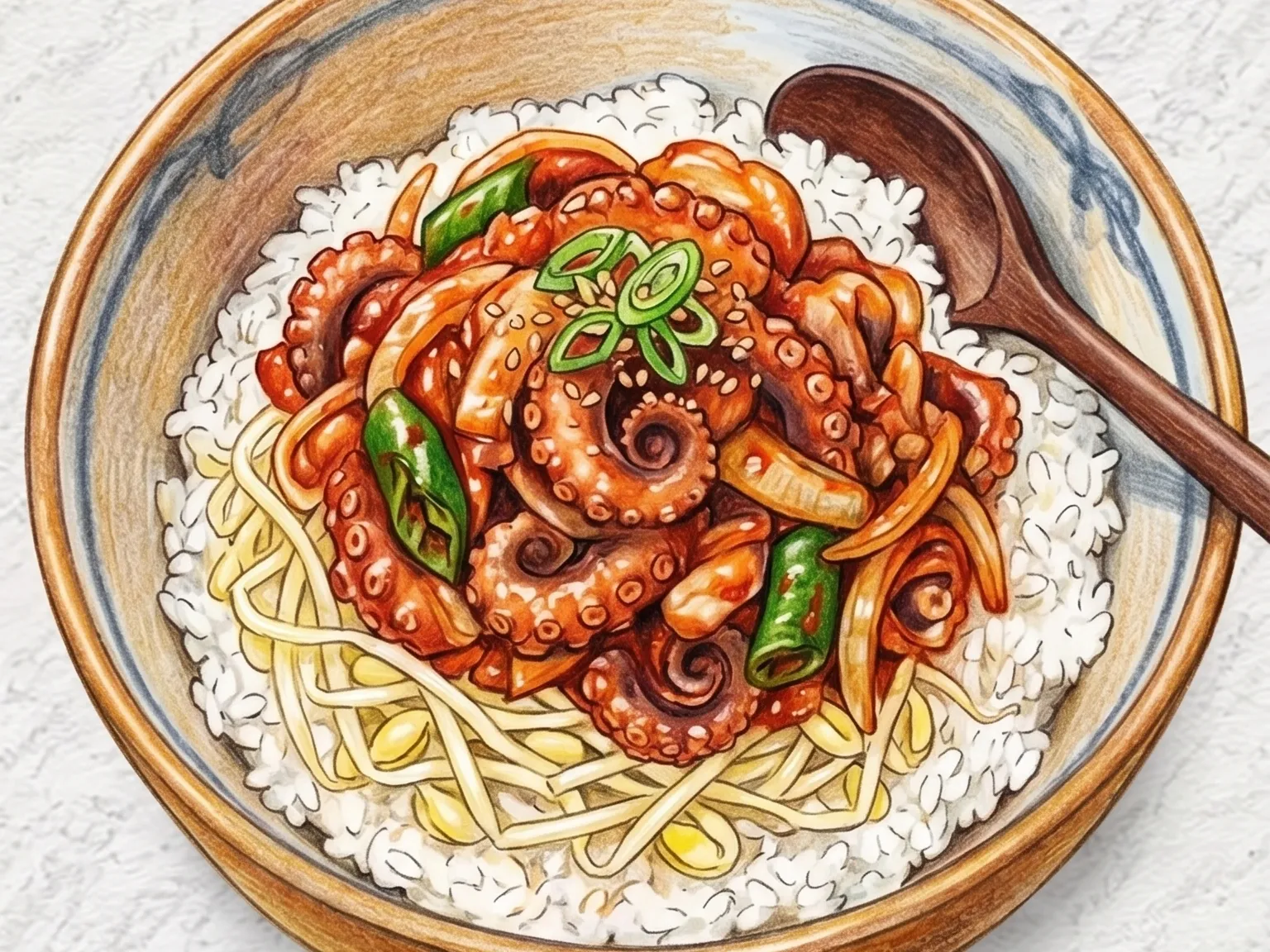
Korean Spicy Stir-Fried Octopus Rice Bowl
onion, hot green chili