Charim

2686 Korean & World Recipes

2686+ Korean recipes, clean and organized. Ingredients to instructions, all at a glance.

Korean Cucumber Doenjang Salad

Korean Cucumber Doenjang Salad

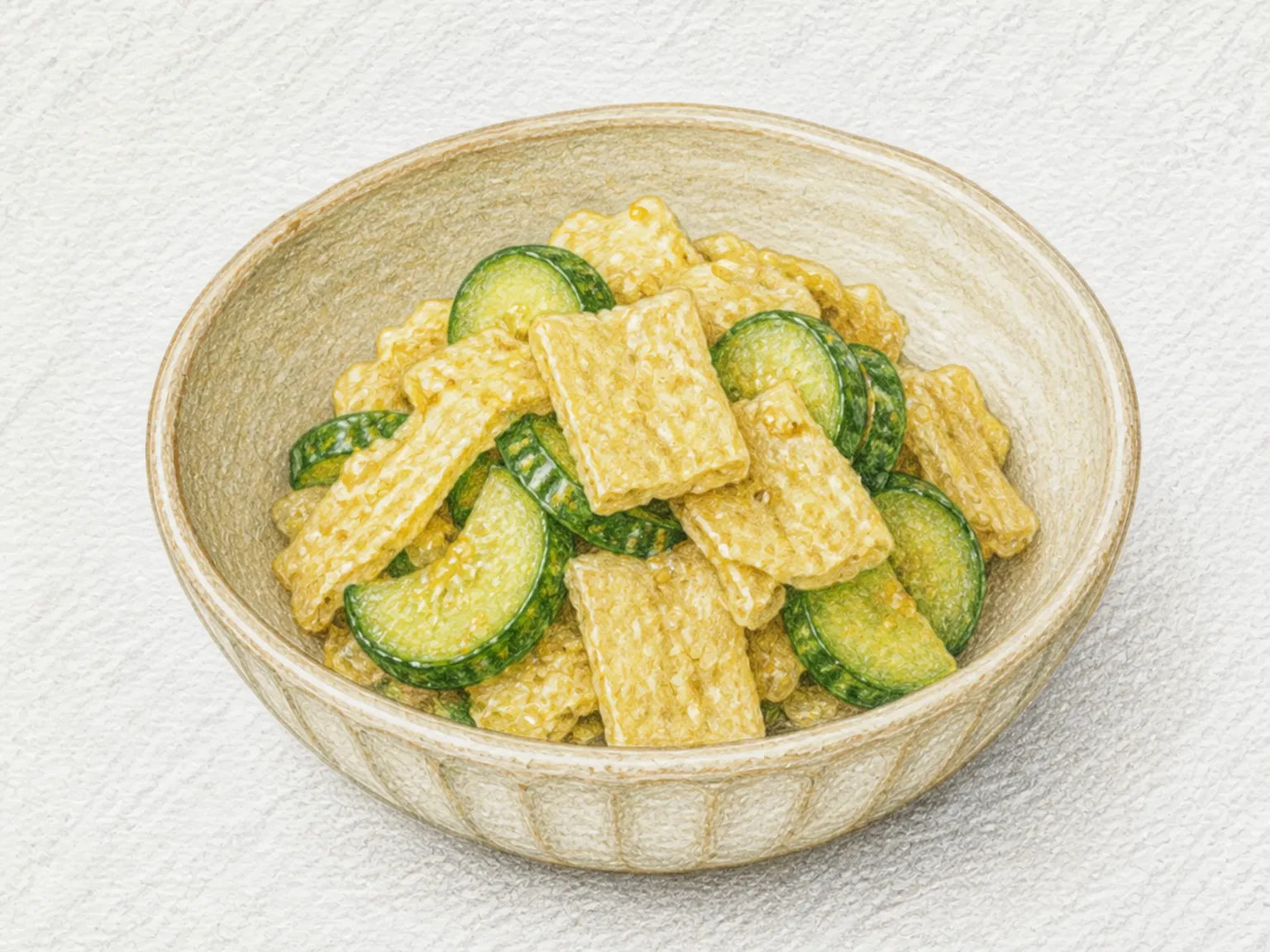
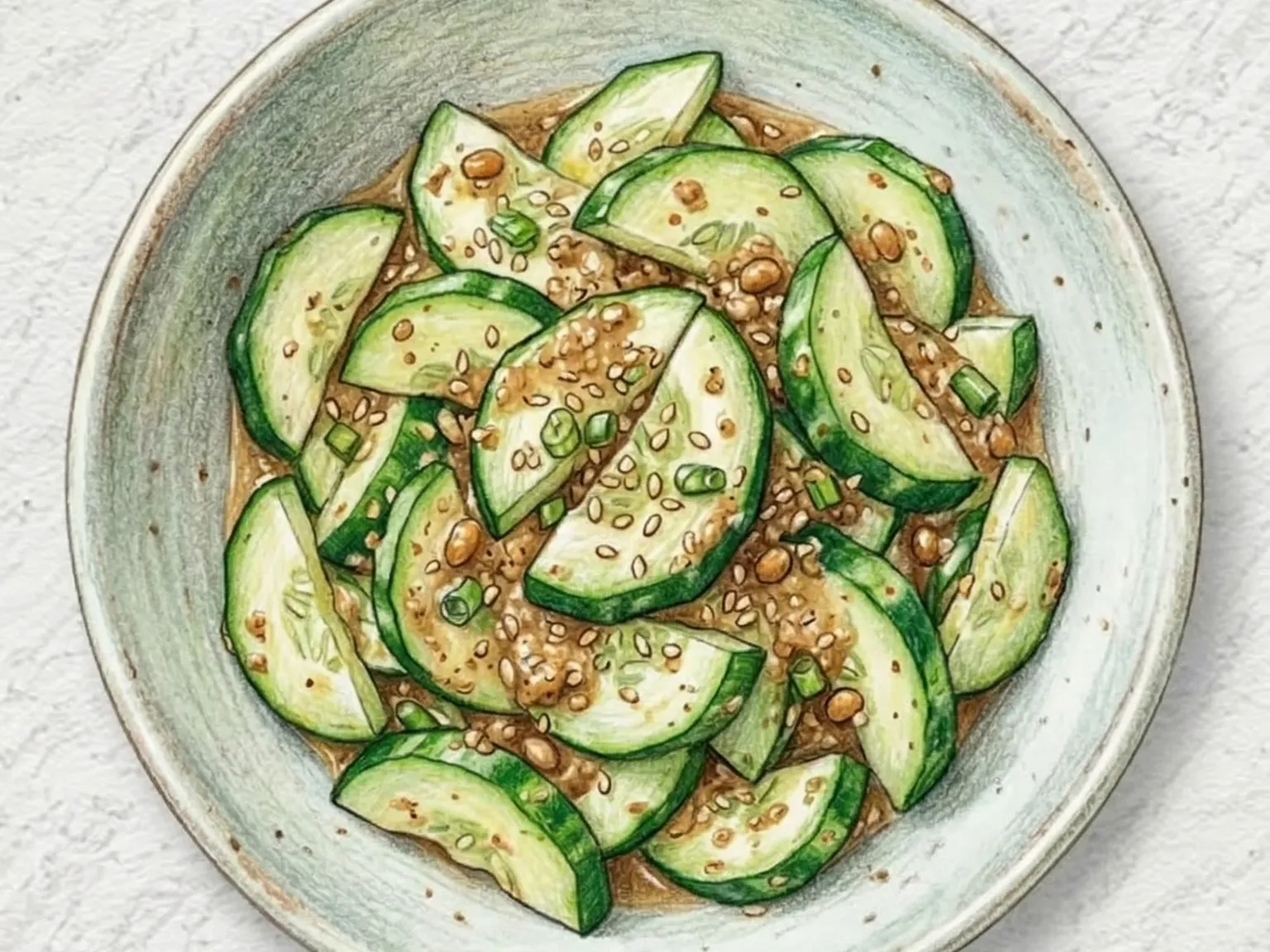
Oi-doenjang-muchim dresses cucumber in a doenjang-based seasoning - a milder alternative to the gochugaru-forward oi-muchim, foregrounding the fermented soybean paste's savory depth over spicy heat. Cucumber is sliced into half-moons or diagonal cuts and salted for five minutes to draw out moisture; skipping this step dilutes the dressing into a watery puddle. The seasoning blends doenjang, soup soy sauce, minced garlic, sesame oil, and sesame seeds, with the doenjang quantity being the critical ratio - too much and the dish is aggressively salty, too little and the cucumber's blandness dominates. Roughly one tablespoon of doenjang to two cucumbers is the working proportion. The cucumber's cool moisture meets doenjang's deep umami to produce a combination that is refreshing yet substantial enough to anchor a rice meal, especially in summer. This banchan must be eaten promptly after assembly - over time, osmotic pressure draws water from the cucumber and collapses its crunch. Served alongside grilled meat, the doenjang's savoriness complements the char while cleansing the palate.

Prep 10min02 servings

Adjust Servings

2servings
servings

Instructions

  1. 1

    Slice cucumbers into half-moons and lightly salt for 5 minutes.

  2. 2

    Squeeze out excess moisture.

  3. 3

    Mix doenjang, chili flakes, garlic, vinegar, and sugar.

  4. 4

    Toss cucumbers gently with the dressing.

  5. 5

    Finish with sesame oil and ground sesame.

🛒Shop Ingredients on Amazon

As an Amazon Associate, we may earn from qualifying purchases.

Tips

Keep salting short to maintain crunch.
Add a bit more vinegar if your doenjang is very salty.

Nutrition (per serving)

Calories
70
kcal
Protein
2
g
Carbs
7
g
Fat
4
g

More Recipes

Korean Spicy Cucumber Salad
Side dishesEasy

Korean Spicy Cucumber Salad

Oi-muchim - Korean spicy cucumber salad - is one of the most frequently served vegetable banchan on summer Korean tables, tossing thinly sliced cucumber in gochugaru, garlic, vinegar, and sesame oil. Slicing the cucumber as thin as possible with a mandoline or knife is important - thin slices absorb the dressing rapidly and deliver a texture that is simultaneously crunchy and yielding. Salting for ten minutes and squeezing out the released water is the pivotal step; undrained cucumber turns the dressing into a diluted puddle. The seasoning mixes gochugaru, minced garlic, vinegar, sugar, sesame oil, and sesame seeds - vinegar amplifies the cucumber's natural freshness while gochugaru provides a gentle trailing heat. Assembling immediately before serving is essential, as osmotic action wilts the cucumber within thirty minutes. This banchan tops naengmyeon and bibimbap or stands alone alongside rice. When summer heat suppresses appetite, oi-muchim is often the first dish Korean diners reach for - its cool, sharp bite cuts through the lethargy.

🏠 Everyday🍱 Lunchbox
Prep 15min4 servings
Korean Broccoli Doenjang Salad
Side dishesEasy

Korean Broccoli Doenjang Salad

Blanched broccoli in doenjang dressing - a modern Korean banchan bridging Western ingredients with traditional seasoning logic. Florets and thinly sliced stems blanch ninety seconds, then are shocked in cold water for vivid green and a firm bite. The dressing combines doenjang with vinegar and oligosaccharide syrup - fermented salt, acidity, and gentle sweetness that lifts mild bitterness. Ready in under ten minutes and keeps refrigerated for days.

🥗 Light & Healthy🏠 Everyday
Prep 10minCook 5min4 servings
Korean Seasoned Shishito Pepper Banchan
Side dishesEasy

Korean Seasoned Shishito Pepper Banchan

Kkwarigochu-muchim is a Korean banchan made by briefly blanching shishito peppers and dressing them in doenjang-based seasoning - distinct from the braised version (jjim) that simmers the peppers until soft. The key is keeping blanching under forty seconds so the peppers retain their snap. Those characteristic wrinkles on the pepper skin trap the doenjang-soy-sesame dressing, delivering concentrated flavor even with minimal sauce. Shocking the peppers in cold water after blanching locks in their vivid green color. Tearing one end slightly allows the seasoning to seep inside. Among Korean diners, part of the appeal is the occasional surprise - most shishito peppers are mild, but one in every handful packs unexpected heat. This banchan releases very little liquid, making it a practical choice for packed lunches.

🏠 Everyday🍱 Lunchbox
Prep 8minCook 3min4 servings
Korean Seasoned Cucumber Pickle Salad
Side dishesEasy

Korean Seasoned Cucumber Pickle Salad

Oiji-muchim takes oiji - cucumber that has been salt-brined for a month or longer - rinses out the excess salinity, and dresses it in a sweet-sour-spicy sauce. Oiji is a traditional Korean preserved food: summer cucumbers are submerged in a concentrated salt brine and aged until their moisture migrates out, transforming the texture from fresh and crisp into something firm, almost crunchy-chewy - a chew fundamentally different from raw cucumber. If the pickle is too salty, soaking in cold water for thirty minutes to an hour draws the brine down to a palatable level. After thorough squeezing, the cucumber pieces are tossed with gochugaru, vinegar, sugar, sesame oil, minced garlic, and scallion. Vinegar and sugar layer a bright sweet-sour dimension over the pickle's inherent saltiness, balancing it for pairing with rice. Julienned oiji absorbs more dressing and delivers a different eating experience than diagonal-cut slices - each approach has its advocates. Made during the summer cucumber glut, oiji keeps refrigerated for over a month.

🏠 Everyday🍱 Lunchbox
Prep 15min4 servings
Korean Stuffed Cucumber Kimchi
KimchiMedium

Korean Stuffed Cucumber Kimchi

Oi sobagi is a Korean stuffed cucumber kimchi where salted cucumbers are slit crosswise - base left intact - and packed with a filling of chopped garlic chives, onion, gochugaru, anchovy fish sauce, and plum syrup. Each bite releases the cucumber's cool juice together with the spicy, fragrant stuffing, and the firm flesh contrasts with the softer chive filling inside. Salting for exactly thirty minutes is critical - any longer softens the cucumber past the point where it can hold its shape and crunch. Four hours of room-temperature fermentation followed by refrigeration allows lactic acid to develop overnight, bringing a tangy depth that peaks by the second day. Cutting into three-centimeter pieces just before serving minimizes juice loss from the stuffed interior.

🍱 Lunchbox
Prep 35min4 servings
Korean Spicy Braised Tofu
Stir-fryEasy

Korean Spicy Braised Tofu

Spicy dubu-jorim pan-sears firm tofu slabs cut 1.5 centimeters thick until golden on both sides, then braises them in a sauce of soy sauce, gochugaru, garlic, and sugar. Searing first firms the tofu so it holds its shape through the eight-minute simmer, during which onion and green onion cook alongside in the reducing liquid. The chili flakes deliver a direct, persistent heat that penetrates the tofu as the sauce thickens, balanced by the sugar's sweetness. A final circle of sesame oil ties the flavors together with a roasted, nutty aroma.

🏠 Everyday🍱 Lunchbox
Prep 10minCook 15min2 servings
More Side dishes