Korean Stuffed Squid Grill
Grilled Medium

Korean Stuffed Squid Grill

Quick answer

Ojingeo-sun-gui is grilled stuffed squid, a Korean dish where cleaned squid tubes are filled with a mixture of soaked glutinous rice, crumbled tofu, diced carrot, soy sau...

What makes this special

  • Ojingeo-sun-gui stuffs fresh squid with glutinous rice and tofu for a hearty, grilled specialty.
  • Glutinous rice soaked 3 hours ensures even cooking inside the squid
  • 70-80% fill prevents the expanding rice from splitting the body
Total time
50 min
Level
Medium
Servings
2 servings
Ingredients
7
Calories
330 kcal
Protein
28 g

Key ingredients

SquidGlutinous rice (soaked)TofuCarrotSoy sauce

Core cooking flow

  1. 1 Soak 100 g glutinous rice for at least 3 hours, then drain it well in a sieve.
  2. 2 Put the drained rice, crumbled tofu, and 30 g finely diced carrot in a bowl.
  3. 3 Pat the inside of the 2 cleaned squid tubes dry before stuffing.

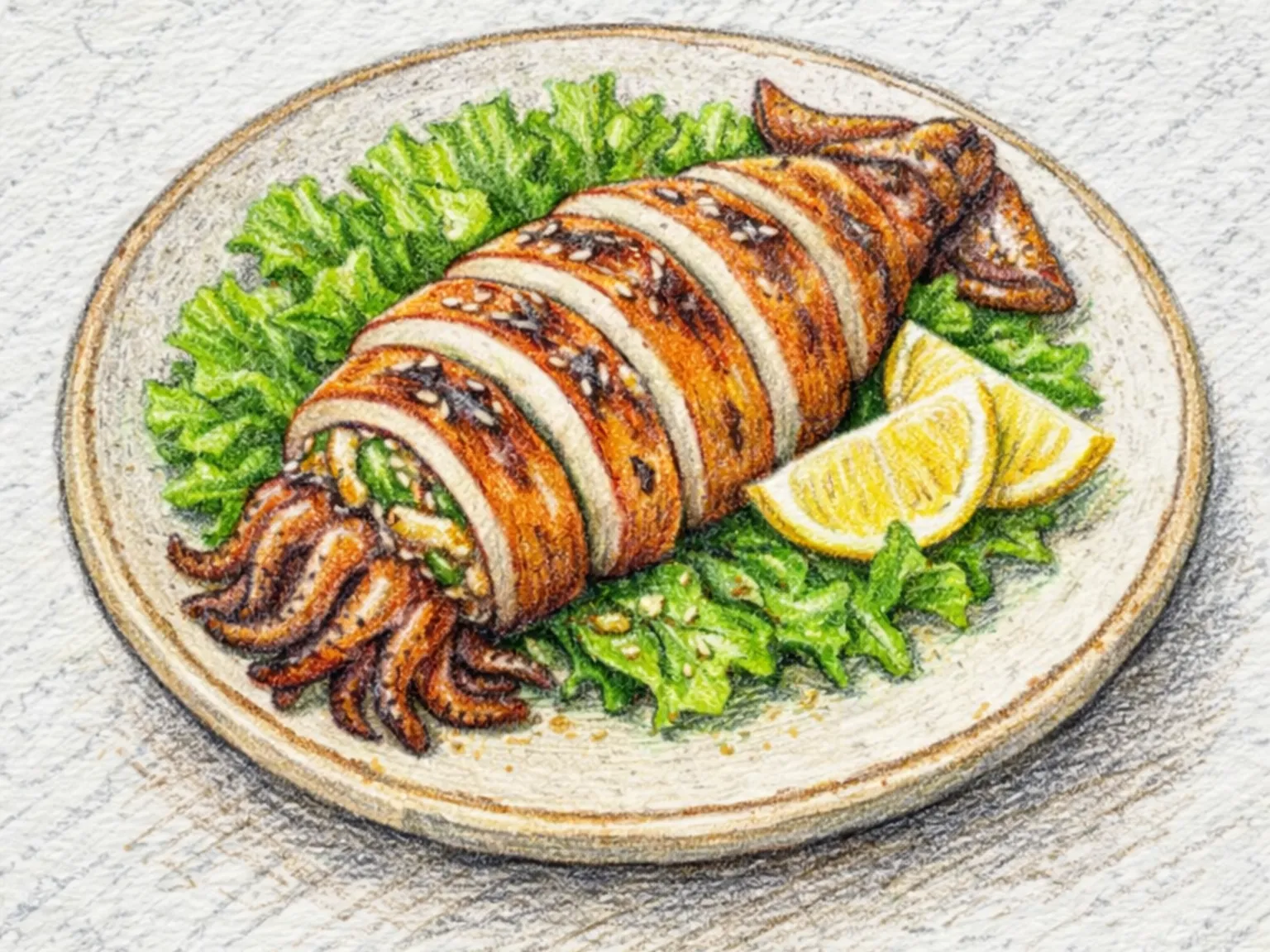
Ojingeo-sun-gui is grilled stuffed squid, a Korean dish where cleaned squid tubes are filled with a mixture of soaked glutinous rice, crumbled tofu, diced carrot, soy sauce, and sesame oil, sealed with toothpicks, and grilled over medium heat with frequent turning. The glutinous rice needs at least three hours of soaking to cook through evenly inside the squid cavity, and the tofu must be pressed dry in cheesecloth to prevent the filling from becoming waterlogged and falling apart. Filling only seventy to eighty percent of each tube is essential because the rice expands as it cooks, and overstuffed squid will burst on the grill. When sliced into 1.5-centimeter rounds after grilling, each piece reveals concentric layers in cross section: the chewy squid exterior, a sticky ring of glutinous rice, and a soft tofu core at the center. The seasoning built into the filling with soy sauce and sesame oil is sufficient on its own, so no dipping sauce is required.

Prep 30min Cook 20min 2 servings

Instructions

Read the steps as a cooking flow: prep, heat, seasoning, doneness control, and finish.

6 steps
  1. 1
    Step

    Soak 100 g glutinous rice for at least 3 hours, then drain it well in a sieve.

    Wrap 100 g tofu in cheesecloth and press firmly until excess moisture is removed, so the filling stays compact.

  2. 2
    Season

    Put the drained rice, crumbled tofu, and 30 g finely diced carrot in a bowl.

    Season with 1 tablespoon soy sauce, 0.5 tablespoon sesame oil, and 0.5 teaspoon salt, mixing until the filling looks evenly coated.

  3. 3
    Heat

    Pat the inside of the 2 cleaned squid tubes dry before stuffing.

    Fill each tube only 70 to 80 percent full because the glutinous rice expands as it cooks and can split the squid.

  4. 4
    Control

    Close the openings with toothpicks, securing them firmly without squeezing the filling.

    Preheat a pan or grill over medium heat, then sear the squid lightly first so the surface firms up before longer cooking.

  5. 5
    Finish

    Keep the heat at medium and cook for about 12 to 15 minutes, turning often and gently.

    When the outside turns opaque and springy, lower the heat slightly so the rice finishes cooking without scorching the squid.

  6. 6
    Finish

    Let the grilled squid rest briefly so the filling settles and slices cleanly.

    Remove the toothpicks, then cut into 1.5 cm rounds with a sharp knife and serve without disturbing the layered cross section.

After the steps

Pick a recipe that fits this dish.

Continue with shared ingredients, meal pairings, or a similar method.

Recipes That Go Well With This

More Grilled →

Based on shared ingredients and meal pairing

Korean Steamed Stuffed Squid
Shared ingredient: whole squid Steamed

Korean Steamed Stuffed Squid

Ojingeo sundae jjim is a Korean stuffed squid dish from the Gangwon-do region, where whole squid bodies are filled with a mixture of glass noodles, ground pork, onion, carrot, and garlic chives, then steamed. The chewy squid exterior encases a moist, savory stuffing that melds together during cooking. Soy sauce and sesame oil in the filling season it from within, and the squid's own moisture keeps everything from drying out. Slicing the squid after a brief rest reveals clean, attractive cross-sections with the noodles and vegetables visible inside. This dish is a common choice for home gatherings where a visually striking centerpiece is wanted.

Korean Grilled Squid and Pork
Shared ingredient: whole squid Grilled

Korean Grilled Squid and Pork

Osam-gui is a Korean mixed grill of squid and pork belly marinated together in a spicy sauce of gochujang, soy sauce, sugar, minced garlic, and sesame oil, then cooked on a pan or grill. As the pork belly renders its fat, it merges with the marinade to form a rich, savory-spicy sauce in the pan that the squid absorbs during cooking, producing a deeper flavor than either ingredient would achieve alone. The two proteins cook at very different rates, so the pork belly goes in first for five to six minutes to render its fat and partially cook through before the squid is added-squid toughens past three to four minutes of heat exposure. The gochujang paste scorches easily at high temperatures, so maintaining medium heat and turning the pieces frequently is necessary to build a glossy glaze without any burnt bitterness.

Ojingeo-muguk (Korean Squid Radish Soup)
Serve together Soups

Ojingeo-muguk (Korean Squid Radish Soup)

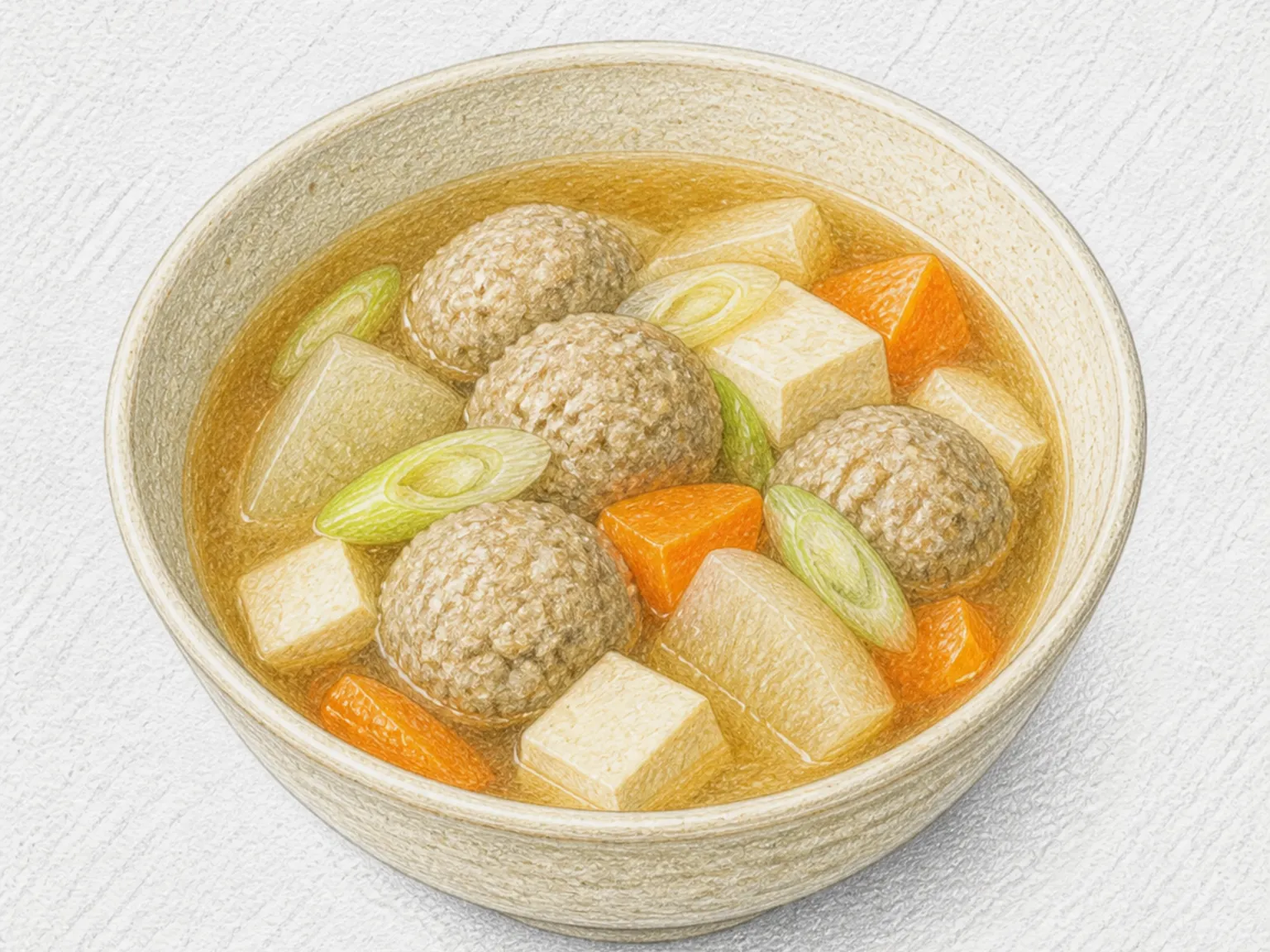
Ojingeo-muguk is a clear Korean soup that pairs squid and radish in a gently sweet, clean-tasting broth built without any chili or strong seasoning. Radish is added to cold water from the start and simmered for at least eight minutes, during which the vegetable slowly releases a natural sweetness that forms the flavor foundation of the soup. Squid is cleaned, sliced into rings, and added only after the radish has softened, and the timing here is critical: five minutes in the hot broth is enough for the flesh to turn fully opaque and pleasantly firm, but even a minute or two beyond that causes the proteins to tighten and the rings to turn rubbery and tough. Soup soy sauce seasons the broth without darkening it, and minced garlic provides depth without heat. Sliced green onion stirred in at the end neutralizes any residual seafood aroma and leaves the broth tasting bright and clean. The simplicity of the combination is the point: the radish's sweetness and the squid's umami reinforce each other in a broth that is light in body but surprisingly satisfying.

Korean Garlic-Grilled Skirt Steak
Similar recipe Grilled

Korean Garlic-Grilled Skirt Steak

Anchangsal is the inner skirt cut from the diaphragm muscle, yielding roughly a kilogram per animal, which explains why Korean grill restaurants price it as a premium item. The grain runs coarse, marbling is tight within the thick muscle fibers, and the beefy flavor is intense - more so than well-known cuts like galbi or samgyeopsal. Marinating for too long or with aggressive seasoning buries those qualities. A short soak in soy sauce, sesame oil, minced garlic, and black pepper is enough. On a charcoal grill, thin slices cook in under a minute per side. The right doneness shows as caramelized edges with a slight char while the center stays pink - at that point the fat has rendered into the grain and the full flavor of the cut is present. Whole garlic cloves grilled alongside undergo a different transformation: about ten minutes of high heat takes away the sharpness and turns them sweet and soft. The standard way to eat it is wrapped in lettuce with ssamjang and a roasted garlic clove folded in together.

Serve with this

Korean Stir-Fried Sweet Potato Stems
Side dishes Medium

Korean Stir-Fried Sweet Potato Stems

Goguma julgi - sweet potato stems - are the above-ground vines of the sweet potato plant, a byproduct that Korean cooks transform into a summer namul rather than discarding. The most labor-intensive step is peeling each stem by hand, pinching the outer skin with a fingernail and pulling it away to reveal the tender core beneath. After blanching for two minutes and rinsing in cold water, the stems are stir-fried in perilla oil with garlic and seasoned with soup soy sauce. Perilla powder stirred in at the end thickens the remaining liquid into a nutty glaze. In season during summer, the stems are harvested from sweet potato fields before the tubers themselves are dug up.

🏠 Everyday 🍱 Lunchbox
Prep 30min Cook 10min 4 servings
Korean Grilled Eel Rice Bowl
Rice Medium

Korean Grilled Eel Rice Bowl

Jangeeo deopbap is a bowl of grilled freshwater eel over steamed rice, where the key technique is building up a thick, lacquered glaze through multiple applications of a sweet-salty sauce reduced from soy sauce, mirin, sugar, and ginger juice. The eel starts skin-side down on the grill over medium heat for around five minutes to crisp the skin, then is flipped and basted repeatedly with the sauce as it finishes cooking. A single coat of sauce produces a pale, thin color, so at least two applications and ideally three or more are needed to build the characteristic glossy surface. With each additional coat, the sugars in the sauce react with heat through both Maillard browning and caramelization, layering flavor with every pass. Because freshwater eel is naturally fatty, fat drips during grilling can cause flare-ups, so heat control is important throughout the process. Sansho pepper dusted on at the end cuts through the eel's inherent richness with a sharp, numbing fragrance that balances the sweet glaze and keeps the dish from feeling heavy.

🎉 Special Occasion 🏠 Everyday
Prep 10min Cook 15min 1 servings
Korean Pickled Taro Stems
Kimchi Medium

Korean Pickled Taro Stems

Torandae jangajji is a Korean pickled side dish made from taro stems. The outer fibrous skin is peeled away first, and the stems are salted and then blanched. Raw taro stems contain calcium oxalate crystals that cause an unpleasant prickling sensation in the throat, and blanching effectively neutralizes this before the stems are packed into the pickling liquid. The brine is made by bringing soy sauce, vinegar, and sugar to a boil, and it is poured over the stems while still hot so the seasoning penetrates quickly and evenly. Sliced garlic and ginger are simmered in the brine before it is poured, which infuses the liquid with deep aromatic warmth without any of the sharp pungency those ingredients carry raw. After two to three days of refrigerating, each piece develops a layered depth of salty, savory flavor with a clean vinegar brightness underneath. The defining characteristic of this pickle is its distinctive fibrous crunch, which stays satisfying even after the stems have fully absorbed the brine. It works as a rice accompaniment throughout the week and doubles as a drinking snack alongside soju.

🍱 Lunchbox 🏠 Everyday
Prep 30min Cook 15min 4 servings

Similar recipes

Korean Grilled Mixed Mushrooms
Grilled Easy

Korean Grilled Mixed Mushrooms

Mushroom-gui is a Korean grilled mixed mushroom dish combining king oyster, shiitake, and oyster mushrooms, seasoned simply with butter, minced garlic, salt, and black pepper. Each mushroom variety contributes a different texture: king oyster offers a dense, meaty chew from its thick stem, shiitake delivers concentrated umami from its cap, and oyster mushrooms add a delicate, silky shred. The key technique is to resist stirring the mushrooms after placing them in the pan-their high water content must evaporate first before the surfaces can brown and develop flavor. Adding butter partway through rather than at the start prevents it from burning while still infusing the mushrooms with its richness.

🍺 Bar Snacks ⚡ Quick
Prep 10min Cook 10min 2 servings
Korean Assorted Grilled Chicken
Grilled Medium

Korean Assorted Grilled Chicken

Dakgogi-gui-modeum is a Korean assorted chicken grill that brings breast, thigh, and wing pieces together on a single plate, each cut seasoned differently: salt for the breast, gochujang paste for the thigh, and soy-based glaze for the wings. Because each cut carries a different ratio of fat to muscle, cooking times must be calibrated individually rather than treating all three the same. Breast meat loses moisture quickly and needs the shortest time over heat, while wings benefit from longer cooking to render the fat under the skin. The salt-seasoned breast keeps its clean, mild flavor front and center; the gochujang thigh delivers fermented heat and a char at the edges; the soy-glazed wing balances sweet against salty in each sticky bite. Serving all three together lets diners compare three distinct outcomes from the same bird, making the role of seasoning and cut easy to taste side by side rather than just understand in theory.

🍺 Bar Snacks 🎉 Special Occasion
Prep 30min Cook 30min 4 servings
Korean Spicy Squid Salad (Gochujang Blanched Squid)
Side dishes Easy

Korean Spicy Squid Salad (Gochujang Blanched Squid)

Ojingeo-muchim tosses blanched squid in a gochujang-vinegar dressing for a tangy, spicy seafood banchan that works equally well as a rice side dish or as anju with drinks. Squid, unlike vegetables, has an extremely narrow blanching window that determines the entire outcome: one minute to ninety seconds in boiling water is the limit. Beyond that, the proteins contract and the texture turns rubbery; under that, the interior stays translucent and fishy. Plunging into ice water immediately after blanching halts carryover cooking and locks in the ideal springy-bouncy texture. The dressing combines gochujang, gochugaru, vinegar, sugar, garlic, sesame oil, and sesame seeds, with vinegar playing the pivotal role - it introduces a sharp acidity over the squid's marine umami, forming a triangular balance with the chili heat. Julienned onion and cucumber mixed in add textural variety and stretch the portion. A popular variation stirs in one tablespoon of mayonnaise, whose emulsified fat wraps around the heat and produces a milder, creamier version.

🏠 Everyday 🍱 Lunchbox
Prep 15min Cook 5min 4 servings

Tips

Fill the squid only 70~80% to prevent bursting during cooking.

Nutrition (per serving)

Calories
330
kcal
Protein
28
g
Carbs
32
g
Fat
10
g