Korean Freshwater Snail Soup
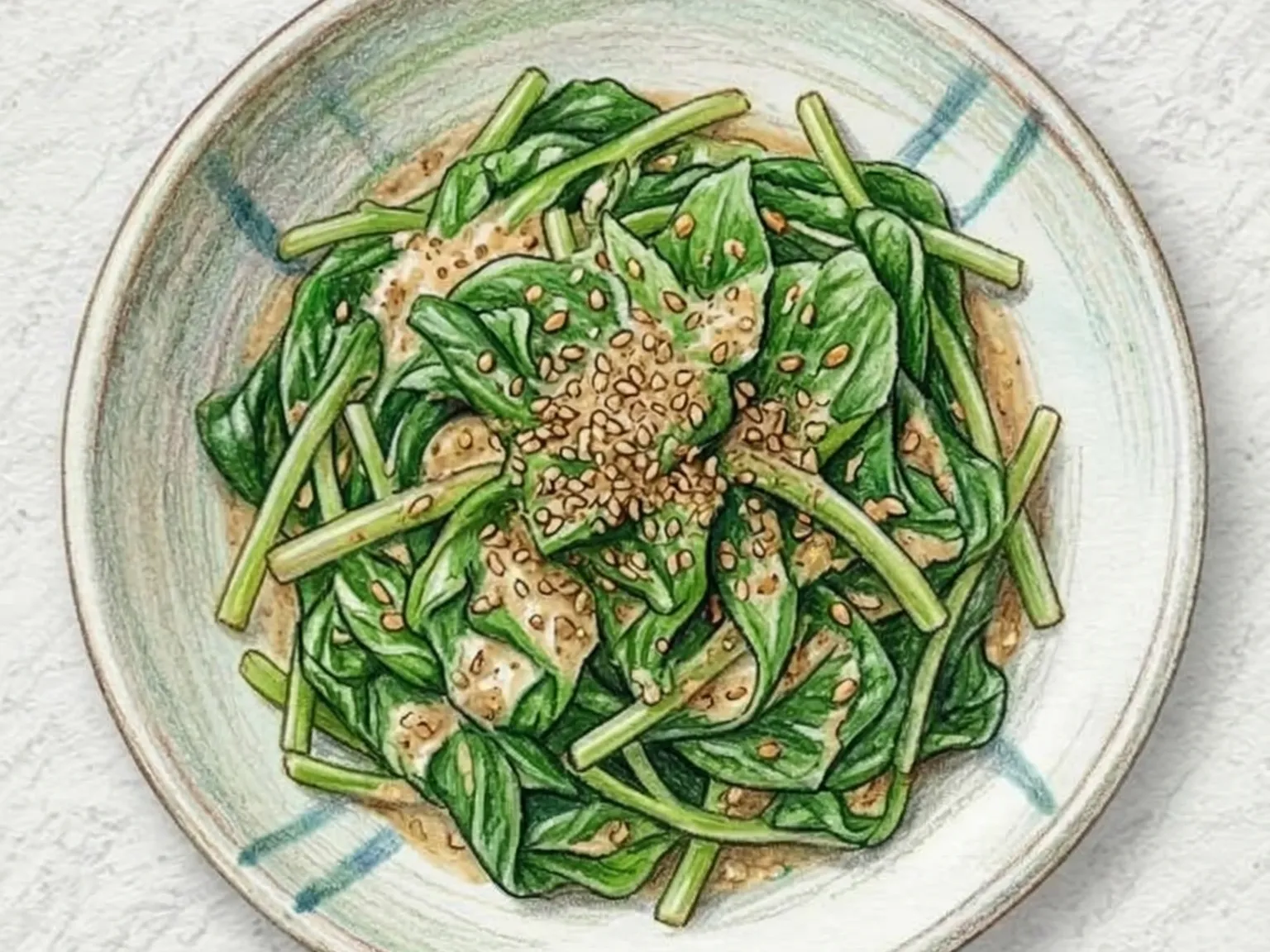
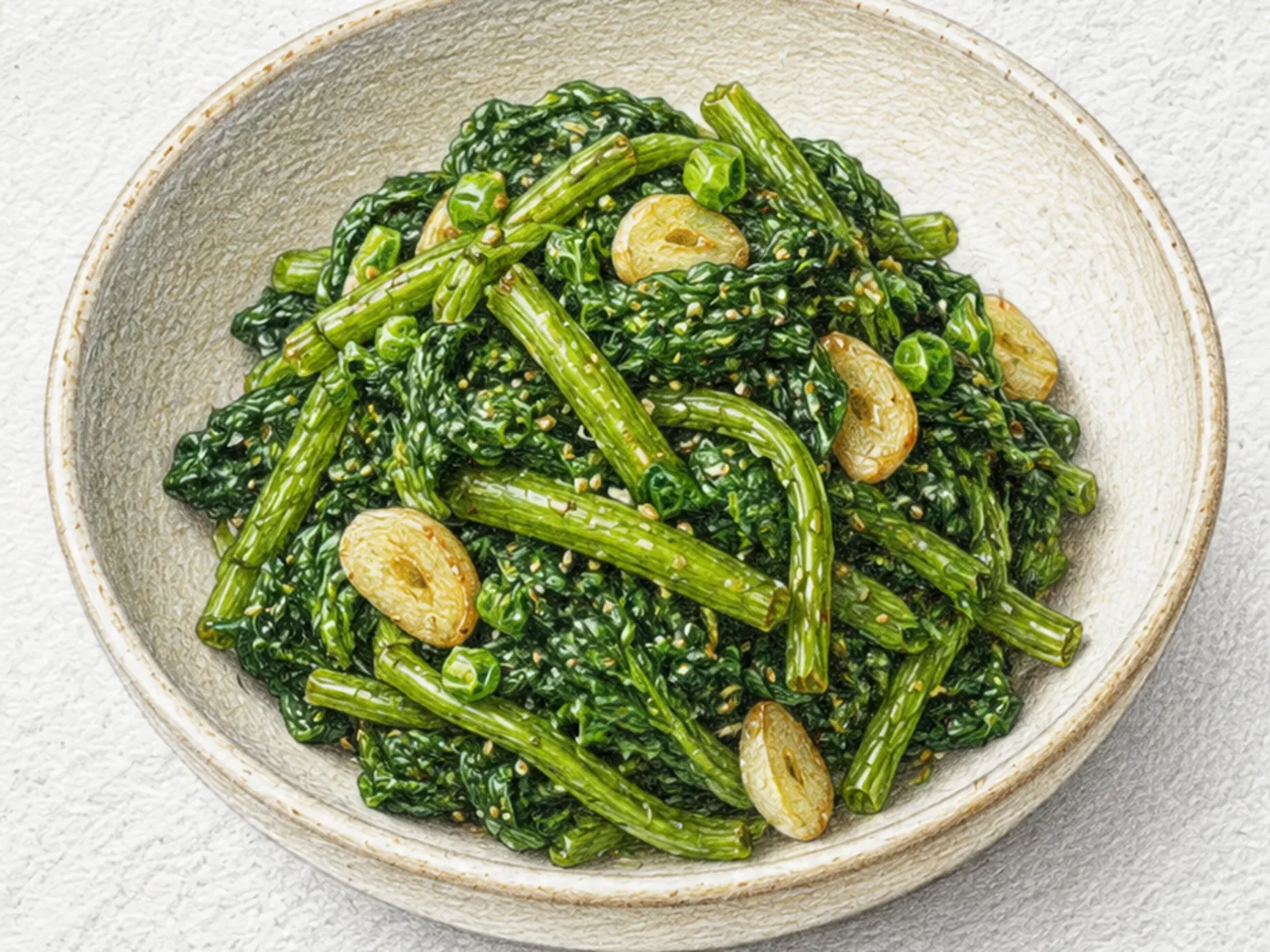
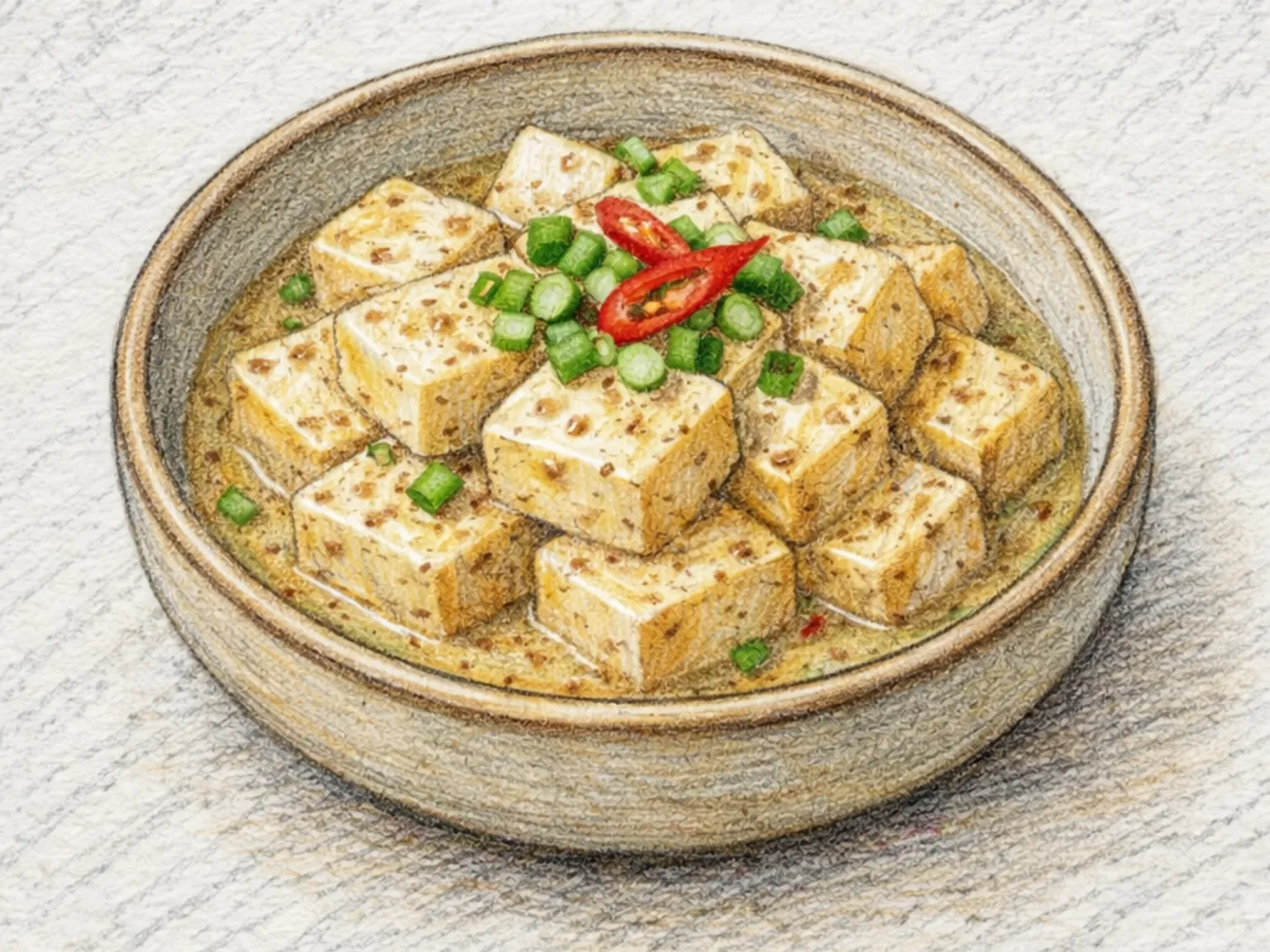
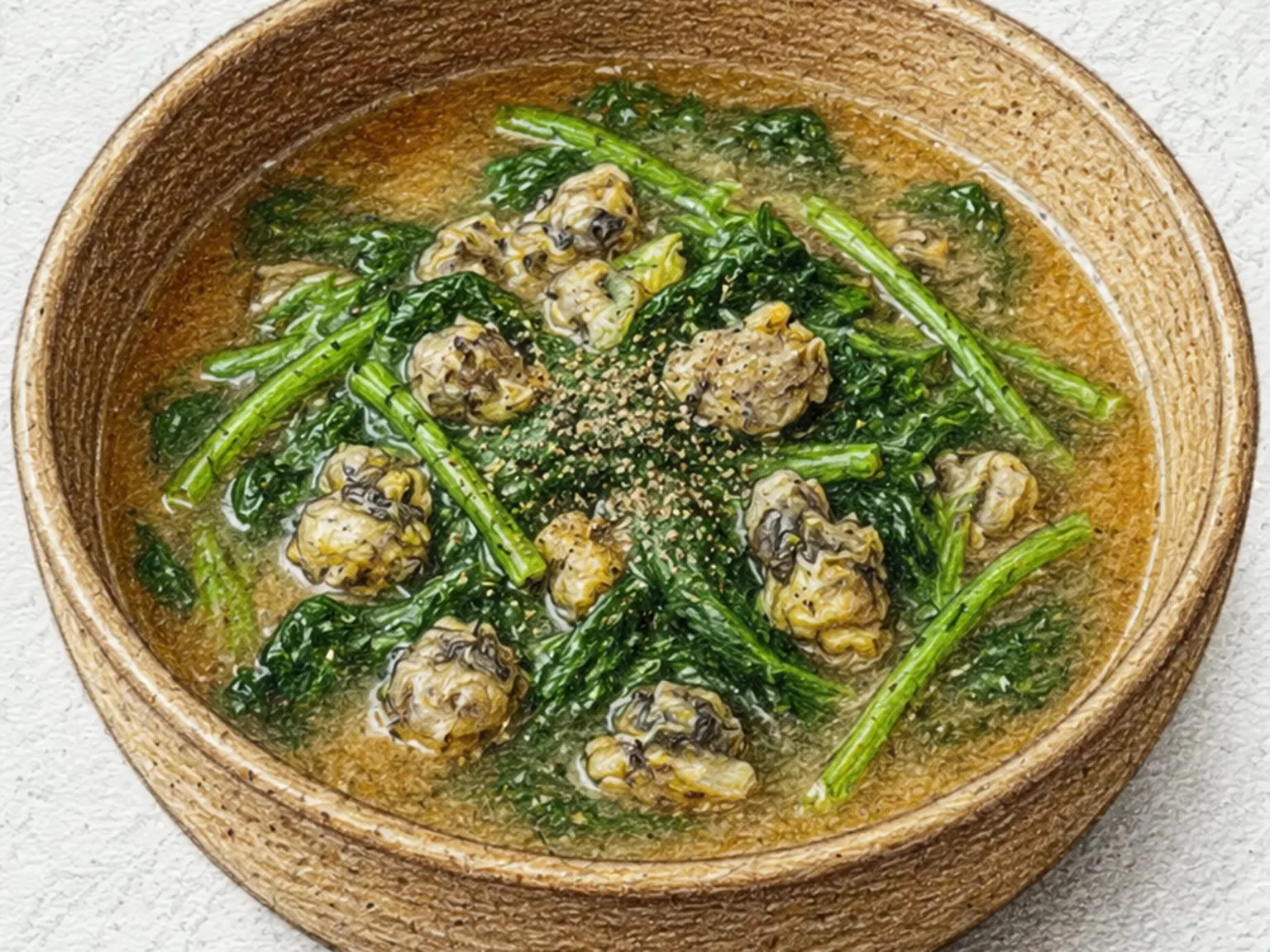
Olgaengi-guk is a defining dish of the Chungcheong region, a rustic and deeply flavored Korean soup made with freshwater snails called daseugi and mallow leaves simmered in a doenjang-based broth. Pressing the soybean paste through a fine strainer before adding it to the pot keeps the broth smooth and free of lumps, which gives the finished soup a cleaner appearance than versions made by simply dropping a spoonful into the water. Mallow leaves go in first and simmer for eight minutes, gradually releasing a soft, vegetal flavor that works its way through every corner of the broth. The snail meat follows, adding a delicate freshwater umami that is noticeably lighter and cleaner than the brine-forward taste of ocean shellfish. Ground perilla seed stirred in at the very end coats the liquid in a nutty richness and acts as a binding element that pulls the doenjang, the snail, and the mallow into a single coherent whole. The result is a bowl that is simple in its list of ingredients but quietly complex in flavor, a soup that reflects the rivers, fields, and fermentation culture of central Korea. It rarely appears on menus outside its home territory, making it one of those genuinely regional dishes that most people encounter only when they find themselves in Chungcheong.
Adjust Servings
Instructions
- 1
Trim tough stems from mallow leaves, then wash well.
- 2
Boil water and dissolve soybean paste through a strainer into the pot.
- 3
Add mallow leaves and simmer for 8 minutes to build flavor.
- 4
Add snail meat and garlic, then simmer 7 more minutes.
- 5
Finish with perilla powder and sliced green onion, then bring to a brief boil.
As an Amazon Associate, we may earn from qualifying purchases.
Tips
Nutrition (per serving)
Goes Well With

Korean Chicken Rice Porridge
Dakjuk is a Korean chicken rice porridge built from a straightforward foundation: a whole chicken breast poached in water until tender, then shredded along the grain and returned to the broth with soaked short-grain rice. The rice and minced garlic are first sauteed briefly in sesame oil so each grain takes on a faint nuttiness before the stock is added, which carries through into the finished porridge. As the rice simmers and slowly breaks down over twenty-five or more minutes of regular stirring, it releases starch that thickens the liquid into a smooth, flowing consistency without turning gluey. The chicken adds lean protein without weighing the dish down, and the garlic mellows from sharp to a quiet warmth. Sliced green onion scattered on top provides a fresh, grassy contrast to the mild, savory base. Dakjuk has been a household staple in Korea for generations, reached for when the body needs recovery, when the stomach asks for something gentle, or when a warm and undemanding breakfast is simply the right start to the morning.

Korean Stir-Fried Leafy Greens
Baby bok choy stir-fry takes five minutes from board to table. Removing all surface moisture before the greens go in is the single most important step - wet leaves steam instead of sear, and the texture turns limp. Garlic sautés over low heat for twenty seconds to mellow its bite, then the pan goes to high and the greens follow. Soup soy sauce and salt season without adding liquid, and sesame oil off the heat gives a light gloss. The high heat catches the leaf edges with just a touch of char, which adds depth without bitterness. This mild, clean-tasting side suits nearly any Korean main course and holds its bright green color well on the table.

Korean Pickled Broccoli (Blanched Soy Vinegar Brine)
Broccoli jangajji is a Korean soy-pickled broccoli dish prepared by briefly blanching florets and stems, then submerging them in a cooled brine of soy sauce, vinegar, and sugar. Minimizing the blanch time deliberately preserves two distinct textures: crisp, substantial stems and softer, more tender floret heads. The vinegar's acidity and the soy sauce's savory depth together lift broccoli's naturally mild, clean flavor into something more complex. Bell pepper and onion are added to the same pickling jar to contribute natural sweetness and create a vivid visual contrast of green and red. Pouring the brine only after it has cooled completely protects the broccoli's color and prevents the texture from going soft. The seasoning fully penetrates the vegetables after three to four days of refrigeration, and the jangajji keeps well for up to two weeks, making it a practical and versatile everyday banchan.

Korean Shiitake Tofu Pancake
Shiitake-tofu jeon is a savory Korean pancake made by finely chopping fresh shiitake mushrooms and firm tofu, then mixing them into a batter of pancake mix, egg, and a touch of sesame oil before pan-frying. The shiitakes contribute a meaty chew and pronounced umami depth, while the tofu lightens the texture and keeps the interior moist. Carrot and chives are added for color contrast and a fresh, slightly pungent bite. The egg binds everything together, and the sesame oil in the batter gives a nutty fragrance. Cooked uncovered over medium-low heat until both sides are golden, the exterior crisps up while the inside stays tender. When using dried shiitakes, soaking them in water first is worthwhile because the soaking liquid can be reserved for use in soups or braising liquid. Served with a dipping sauce of soy sauce and vinegar, the salty acidity sharpens the overall savory flavor.
More Recipes

Korean Freshwater Crab Spicy Soup
Freshwater crabs are halved, thoroughly cleaned, and simmered in a stock built from radish and doenjang that draws out their intense, briny umami over forty minutes of steady cooking. Gochugaru and cheongyang chili build up layers of fiery heat, while zucchini and radish contribute natural sweetness that tempers the spice. Pressing the soybean paste through a strainer before adding it keeps the broth smooth and clear rather than grainy, and the result is a bold, aromatic stew deeply rooted in Korean regional tradition.

Korean Spring Cabbage Soybean Paste Soup
Bomdong doenjang-guk is a seasonal Korean home soup made by simmering spring cabbage and doenjang in rice-rinsing water, which adds a subtle starchy body to the broth and softens the saltiness of the paste. The thicker cabbage stems go in first to soften properly while retaining some bite, and the tender leaves are added at the end to hold their natural sweetness and color. Tofu, a pinch of red chili flakes, and green onion round out the bowl with depth and mild heat. A drop of sesame oil just before serving adds a nutty finishing aroma. Spring cabbage has a high water content and turns mushy quickly, so the leaves should be added less than two minutes before turning off the heat.

Korean Spinach Soybean Paste Soup
Sigeumchi-doenjang-guk is a foundational Korean soup that combines spinach with soybean paste in anchovy-kelp stock, producing a broth that is earthy, warm, and deeply familiar to anyone who grew up eating Korean home cooking. Doenjang is dissolved into the simmering stock first, establishing a savory, slightly funky baseline. Spinach is added near the end and wilts within seconds, contributing a soft green color and a faint bitterness that, rather than clashing with the fermented paste, amplifies its complexity. Tofu is a common addition that gives the soup more substance and a creamy counterpoint to the leafy greens. Garlic and green onion handle the aromatics, and no chili is used, keeping the soup on the gentle end of the Korean flavor spectrum. The key technical point is timing: spinach left in boiling liquid too long turns dull and mushy, so experienced cooks drop it in and turn off the heat almost immediately. This soup is one of the most frequently prepared versions of doenjang-guk in Korean kitchens precisely because spinach is available year-round, affordable, and cooks in moments. It pairs seamlessly with any banchan spread and never competes for attention on the table.

Korean Loach Soup (Blended Loach and Dried Radish Greens Tonic)
Chueo-tang is a southern Korean tonic soup made by blending blanched loach into a smooth puree, straining out bones and skin, then simmering the liquid with doenjang and gochujang for depth. The straining step is what separates a clean, richly flavored broth from a gritty one; every bit of bone and skin must be removed before the long simmer begins. Dried radish greens, siraegi, are added midway and cooked for twenty-five minutes, contributing a fibrous chew that contrasts the velvety broth. Perilla seed powder stirred in near the end thickens the soup to a creamy, pale consistency and layers in a pronounced nutty fragrance that carries through each spoonful. A final pinch of ground sansho pepper leaves a tingling numbness on the tongue that clears any lingering earthiness from the freshwater fish. Loach is high in protein and calcium, and the soup has long been eaten as a summer restorative; a broth that is thick and deeply concentrated is the standard by which a well-made chueo-tang is judged.

Korean Beef Brisket Soybean Paste Noodles
Chadol doenjang kalguksu is a Korean noodle soup made by simmering thin slices of beef brisket in a soybean paste broth and adding hand-cut wheat noodles to finish the bowl. The doenjang gives the broth a fermented, earthy depth, and the marbled fat from the brisket slowly renders into the simmering liquid, adding body and a gentle richness that rounds out each spoonful. Kalguksu noodles are rolled thin by hand and cut with a knife, so they are naturally uneven in thickness. Thicker sections retain a satisfying chew while thinner edges go silky and absorb the broth more readily, which means a single bowl contains multiple textures without any deliberate effort. Zucchini, potato, and onion are added early and cook down into the broth, contributing natural sweetness that tempers the saltiness of the doenjang. Minced garlic and sliced scallion stirred in near the end lift the aroma and add a fresh, sharp note at the finish. Because doenjang concentrates as the broth reduces, starting with more water than seems necessary is a practical safeguard against the soup becoming too salty before the noodles are cooked through. Serving the noodles immediately after cooking prevents them from absorbing too much liquid and going soft.

Korean Aralia Shoot Soybean Paste Stew
Dureup, the young shoots of the aralia tree, appear for only a few weeks in spring. Their pleasant bitterness and firm bite translate well into the savoury heat of doenjang broth. Anchovy stock forms the base, and both doenjang and gochujang are stirred in together to give the soup an earthy depth with a steady background heat. Zucchini and onion round out the bitterness with sweetness. Tofu fills the bowl with a soft contrast. The shoots go in late in the cooking so their crunch survives the heat of the broth.