Omija Cream Cheese Muffins (Korean Schisandra Muffins)
Quick answer
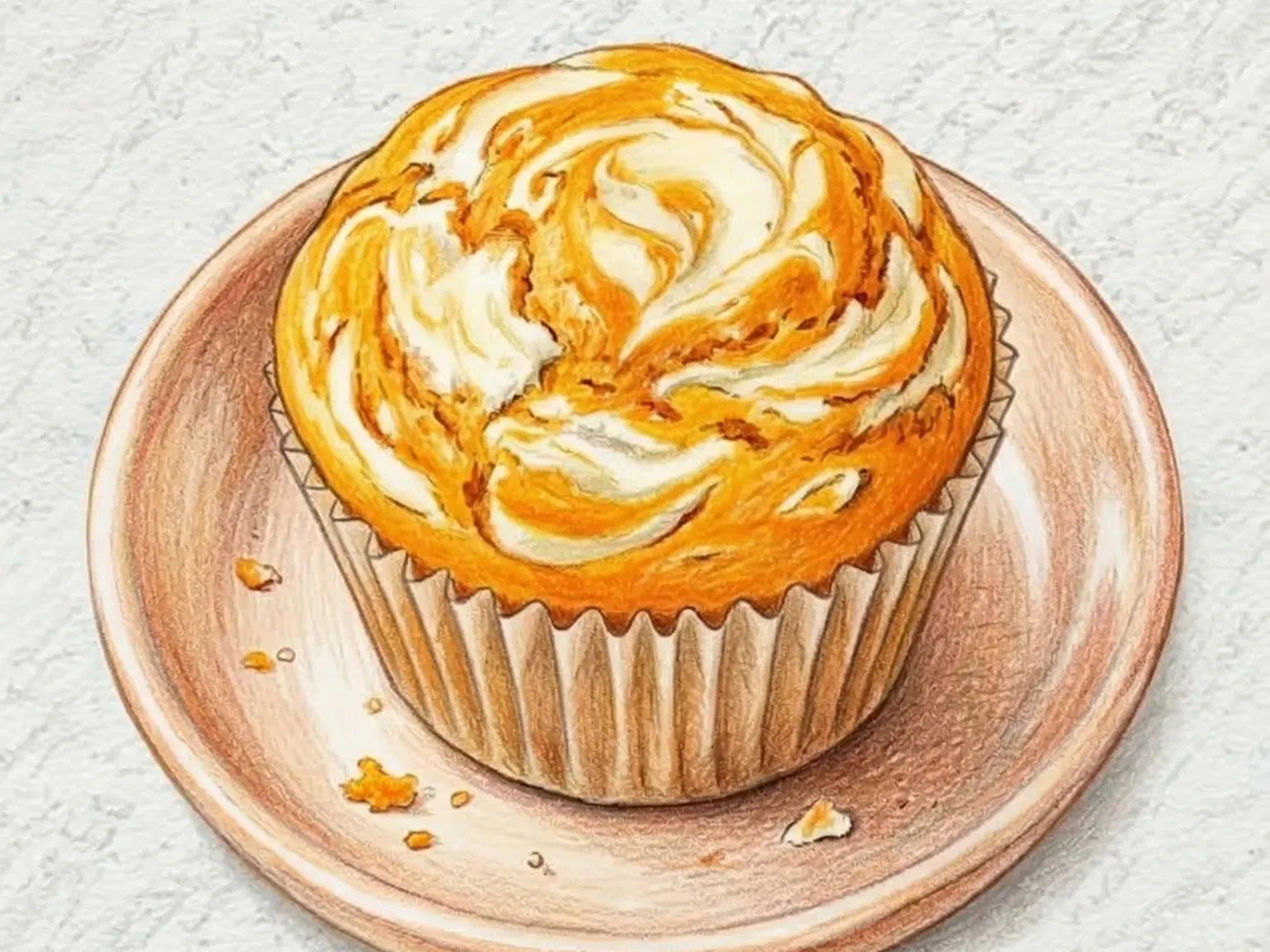
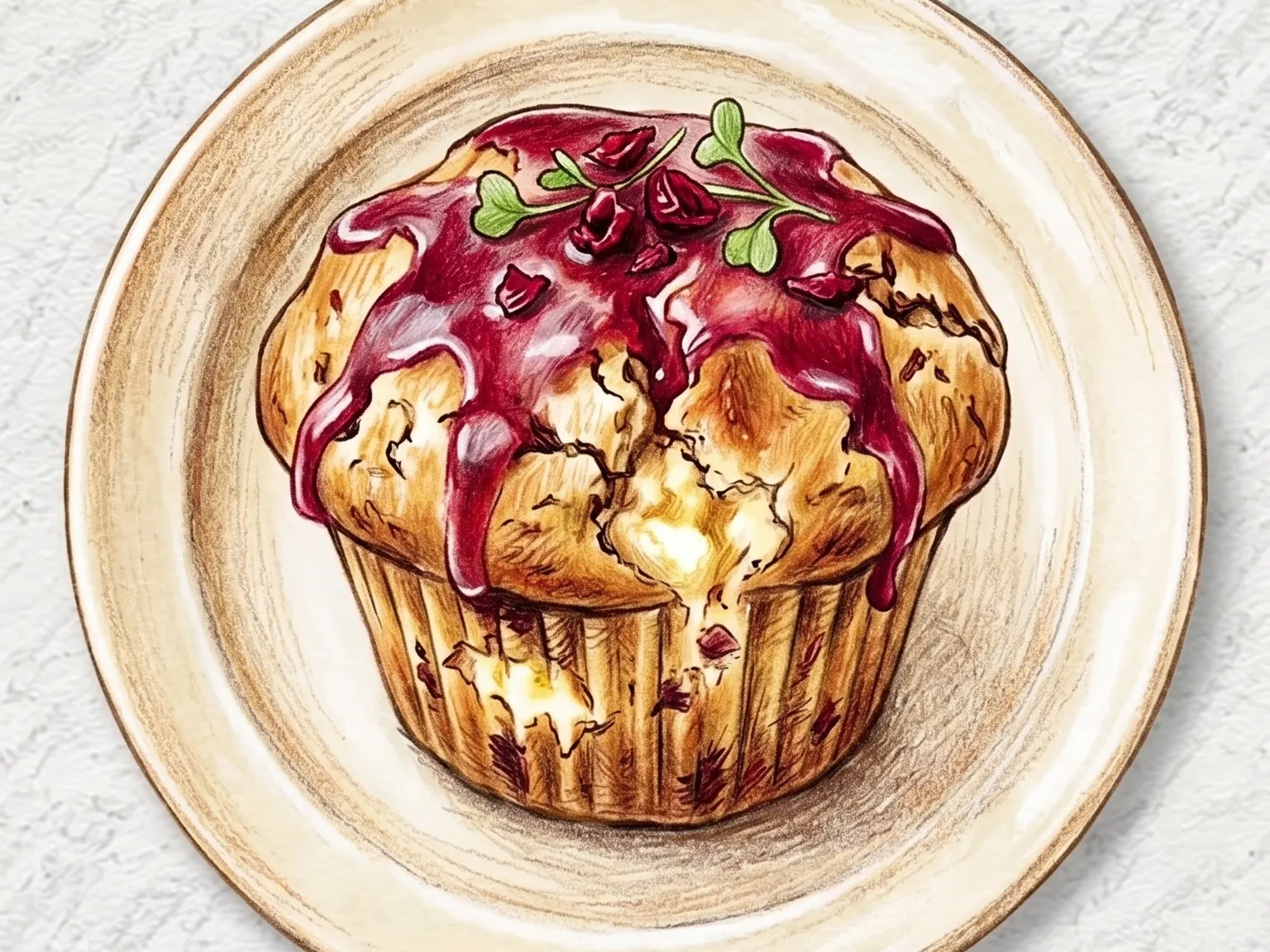
Soft muffin batter is dotted with cubes of cream cheese and swirled with omija syrup, then baked until the tops dome and crack.
What makes this special
- Tangy cheese pockets swirl through muffins flavored with complex omija berry syrup.
- Omija's five-flavor profile creates a complex aftertaste no plain fruit muffin has
- Cream cheese half-melts into a dense tangy pocket inside the baked crumb
Key ingredients
Core cooking flow
- 1 Preheat the oven fully to 180°C and line the muffin tin with paper cups before mixing the batter.
- 2 Leave the 100g cream cheese at room temperature only until it can be cut cleanly.
- 3 In a large bowl, whisk 180g flour, 95g sugar, 6g baking powder, and 2g salt until evenly distributed.
Soft muffin batter is dotted with cubes of cream cheese and swirled with omija syrup, then baked until the tops dome and crack. The cream cheese melts partially in the oven, creating dense, tangy pockets that contrast with the airy crumb around them. Omija - the Korean five-flavor berry - adds a layered tartness that goes beyond simple fruit sourness, carrying faint bitter, peppery, and salty undertones that make each bite more complex than a typical fruit muffin. The cream cheese smooths out the omija's sharper edges, acting as a rich buffer between the berry's intensity and the sweet batter. A final brush of omija syrup over the warm muffin tops deepens the pink color and reinforces the berry flavor on the crust, where it concentrates into a thin, tacky glaze.
Instructions
Read the steps as a cooking flow: prep, heat, seasoning, doneness control, and finish.
- 1Prep
Preheat the oven fully to 180°C and line the muffin tin with paper cups before mixing the batter.
Having the pan ready helps the baking powder work in the oven instead of sitting too long in the bowl.
- 2Prep
Leave the 100g cream cheese at room temperature only until it can be cut cleanly.
Portion it into small cubes, and if it becomes sticky or too soft, chill it briefly so the pieces stay distinct in the batter.
- 3Season
In a large bowl, whisk 180g flour, 95g sugar, 6g baking powder, and 2g salt until evenly distributed.
Break up visible lumps with the whisk so the muffins rise evenly and do not get salty pockets.
- 4Finish
In another bowl, mix 1 egg, 110ml milk, 55ml grapeseed oil, and 45ml omija syrup until the egg is loosened and the oil looks dispersed. Reserve a small spoonful of syrup for brushing the tops if desired.
- 5Prep
Pour the wet mixture into the dry ingredients and fold with a spatula only until a few streaks of flour remain.
Add the cream cheese cubes and fold two or three more times to avoid tough, dense muffins.
- 6Finish
Fill each cup to about 80% and bake at 180°C for 20-22 minutes.
Remove the muffins when the tops are domed, cracked, and set, then brush warm tops lightly with the reserved omija syrup before cooling.
After the steps
Pick a recipe that fits this dish.
Continue with shared ingredients, meal pairings, or a similar method.
Recipes That Go Well With This
More Baking →Based on shared ingredients and meal pairing
Danhobak Cream Cheese Swirl Muffin (Kabocha Cream Cheese Swirl Muffin)
Kabocha squash swirl muffins are autumn bakes that use steamed and mashed kabocha puree in the batter and a lightly sweetened cream cheese filling swirled across the top before baking. The puree contributes natural moisture and sweetness that transform the crumb from the typically dry muffin texture into something denser and notably more tender, while the orange pigment of the squash tints the batter to a warm amber that signals the season. A small amount of cinnamon and nutmeg deepens the earthy sweetness of the squash and wraps each bite in the rounded, cozy warmth that autumn spices are known for. The cream cheese filling is kept at minimal sweetness so its tanginess remains assertive, and drawing swirls through the batter with a toothpick before baking creates marble-like veins across the surface and through the interior once cut. The muffins emerge from the oven with lightly cracked, golden tops, and splitting one open reveals bright orange crumb threaded with white cream cheese streaks. The interplay between the sharp, rich cream cheese and the spiced squash crumb produces a complexity that makes these more interesting than a single-note muffin, and they come together in under an hour from mixing bowl to cooling rack.
Injeolmi Crumble Muffins (Roasted Soybean Crumble Top)
Injeolmi crumble muffin takes the roasted soybean powder that coats injeolmi rice cakes and builds it into both the muffin batter and the crumble topping, translating a beloved Korean rice cake flavor into a baked format. The batter is soft and moist throughout, carrying a mild nuttiness that runs from the first bite to the last, while the crumble on top bakes into crunchy, sandy clusters that shatter when bitten - a textural contrast between the pillow-soft interior and the crisp crown that defines each mouthful. Sweetness is kept deliberately moderate, making these appropriate as an after-school snack for children while remaining interesting for adults who appreciate the depth of roasted grain flavors. Paired with a grain latte or a misutgaru drink, the shared soybean-and-roasted-grain family of flavors amplifies in a way that plain coffee or tea cannot replicate. Each muffin fills the kitchen with a roasted, faintly popcorn-like aroma as it bakes, a signal that the soybean powder is developing the same toasty character it has on traditional injeolmi.
Korean Dalgona Coffee (Whipped Instant Coffee Foam Milk)
Dalgona coffee is made by whipping equal parts instant coffee, sugar, and hot water with a hand mixer for three to five minutes until stiff, caramel-colored peaks form, then spooning the foam over iced milk. The whipped layer carries a concentrated, bittersweet coffee flavor that gradually blends into the cold, neutral milk below as you stir. A light dusting of cocoa powder on top introduces a faint chocolate note, and increasing the sugar slightly helps the whipped cream hold its stiff structure longer.
Omija Berry Frangipane Tart
A crisp, buttery tart shell cradles a filling of frangipane - the classic almond cream made from ground almonds, butter, eggs, and sugar - baked until the surface sets into a thin golden crust while the interior stays moist and dense. Omija berries and mixed berries are pressed into the frangipane before baking, and as they heat they release tart juices that seep into the almond cream, creating pockets of bright acidity that cut through the richness. Omija contributes a complex sourness with faintly astringent and floral undertones that distinguish this tart from standard berry versions. The almond flavor intensifies as the tart cools, and a light dusting of powdered sugar before serving adds a clean finishing touch. Sliced thin, each piece offers the full progression: crunchy pastry, dense nutty cream, and bursts of fruit.
Serve with this
Cinnamon Persimmon Ice (Korean Spiced Punch Scraped Ice Dessert)
Sujeonggwa granita converts the traditional Korean cinnamon-ginger punch into a flaky frozen dessert by sweetening the steeped liquid with dark brown sugar and then breaking it into coarse crystals through repeated scraping. Cinnamon sticks and fresh ginger are simmered in water for at least twenty minutes to draw out the full depth of both spices before being strained. The sweetened liquid is poured into a shallow metal tray, which chills more quickly and freezes more evenly than deep containers. Every hour for three to four rounds a fork is dragged through the solidifying surface, breaking up any sheets of ice and encouraging the formation of separate, granular crystals. Scraping more frequently and starting promptly after the first hour produces a finer, more uniform texture, while leaving it too long between sessions allows solid blocks to form that are harder to break up. The spice compounds concentrate into each ice shard as the water freezes around them, so the granita delivers a cold but intensely flavored mouthful at every bite. Thin strips of dried persimmon and pine nuts placed on top before serving add the same garnishes used in traditional sujeonggwa: the persimmon brings a sticky chewiness and concentrated sweetness, while the pine nuts contribute a mild, buttery richness that contrasts with the crunchy, crystalline ice beneath.
Fruit Salad (Fresh Seasonal Fruit in Yogurt)
Fruit salad dices apple, banana, kiwi, strawberries, and blueberries into uniform bite-sized pieces and folds them gently into a light dressing of plain yogurt, honey, and lemon juice. Cutting everything to a similar size ensures an even mix of crisp, soft, and juicy textures in every spoonful. The lemon juice serves two purposes - it adds a bright acidity that ties the different fruits together and slows the oxidation that turns apple flesh brown. Banana should be added last to prevent it from turning mushy under the weight of the other ingredients. Using unsweetened yogurt lets the natural sweetness of the fruit stand out more clearly, and chilling the finished salad for about ten minutes allows the fruit juices to merge with the dressing for a more cohesive flavor.
Tomato Basil Soup
Tomato basil soup sautés onion and garlic in olive oil, adds canned whole tomatoes crushed by hand, simmers with vegetable stock for 15 minutes, then blends until smooth and finishes with cream and fresh basil. Crushing and cooking the tomatoes for the first five minutes before adding stock concentrates their natural sugars and reduces raw acidity, building a sweeter, deeper base. The 15-minute simmer lets the flavors merge without overcooking, and blending produces a velvety texture that cream enhances without masking the tomato. Basil is heat-sensitive - its volatile oils dissipate within minutes of cooking - so it goes in only after the heat is off, releasing its fragrance through residual warmth alone. A tablespoon of tomato paste can be stirred in during the sauté stage for a more intense tomato flavor if desired.
Similar recipes
Black Rice Cream Cheese Tart
Black rice cream cheese tart is a Korean-style baked tart that combines a crisp, buttery shell with a cream cheese filling tinted and flavored with black rice flour. The filling is made by blending cream cheese, sugar, egg, and heavy cream until smooth, then folding in black rice powder, which gives the mixture a pale purple color and a subtle roasted grain character. Baked at a moderate temperature, the filling puffs gently in the oven before settling back into a dense, silky layer as it cools - the texture sits between a cheesecake and a custard tart, smooth and rich but not heavy. The pre-baked tart shell provides a firm, buttery crunch that contrasts the soft filling above. Vanilla extract ties the tangy cream cheese to the earthy black rice notes, rounding out the flavor so neither element dominates.
Yuja Cheesecake Bars (Citron Cheesecake)
Yuja cheesecake bars are a baked dessert that begins with a pressed crust of cracker crumbs and melted butter, pre-baked for eight minutes to set a firm base before the filling goes in. The filling combines softened cream cheese, eggs, sugar, and yuja citron marmalade, poured over the crust and baked at 170 degrees Celsius until just set. Pre-baking the crust is essential for keeping the layers distinct, and room-temperature cream cheese is non-negotiable for a batter free of lumps. Seventy grams of yuja marmalade introduces the fruit's sharp, floral citrus fragrance alongside clean acidity that cuts through the dense richness of the cheese layer, preventing the aftertaste from feeling heavy or cloying. Chilling for two full hours in the refrigerator before slicing produces straight, clean edges on each bar, and the texture sits between dense and silky, dissolving slowly once it hits the palate.
Schisandra Fruit Punch (Korean Cold-Brewed Berry Fruit Bowl)
Omija hwachae is a traditional Korean fruit punch made by cold-infusing dried schisandra berries in water for at least two hours to extract a vivid red liquid, then sweetening with honey. Cold extraction is not optional: hot water pulls excess astringency from the berries and makes the liquid harsh rather than bright. Only a small portion of the infusion is gently warmed to dissolve the honey before the two are combined. Scooped balls of Korean pear and watermelon sit submerged in the chilled omija broth, so each spoonful delivers a crisp, juice-filled bite against the tart-sweet liquid. Pine nuts floated on the surface add a mild fatty richness that tempers the sharpness of the schisandra acid, and serving the hwachae over generous ice keeps every component at its most vivid.