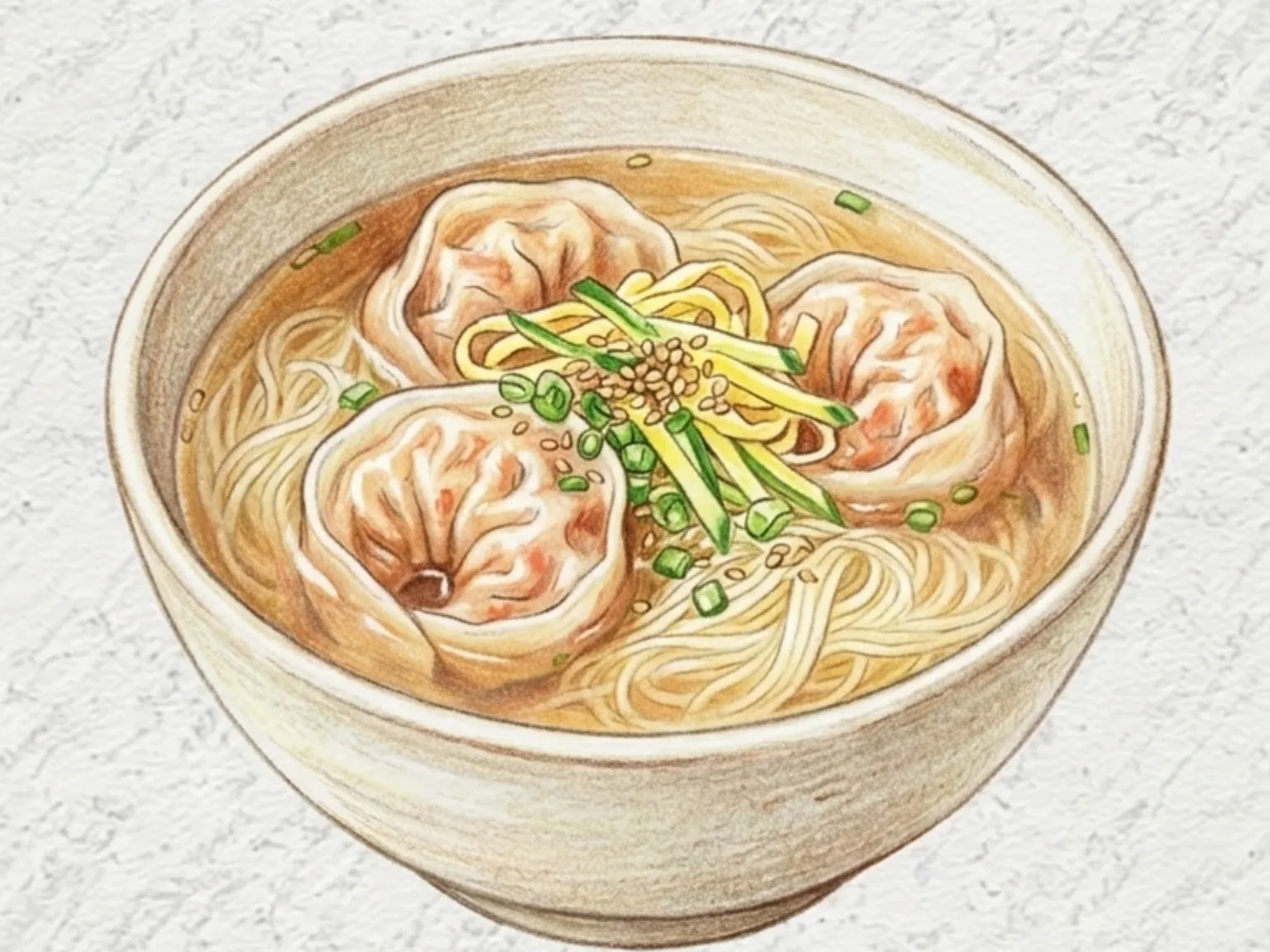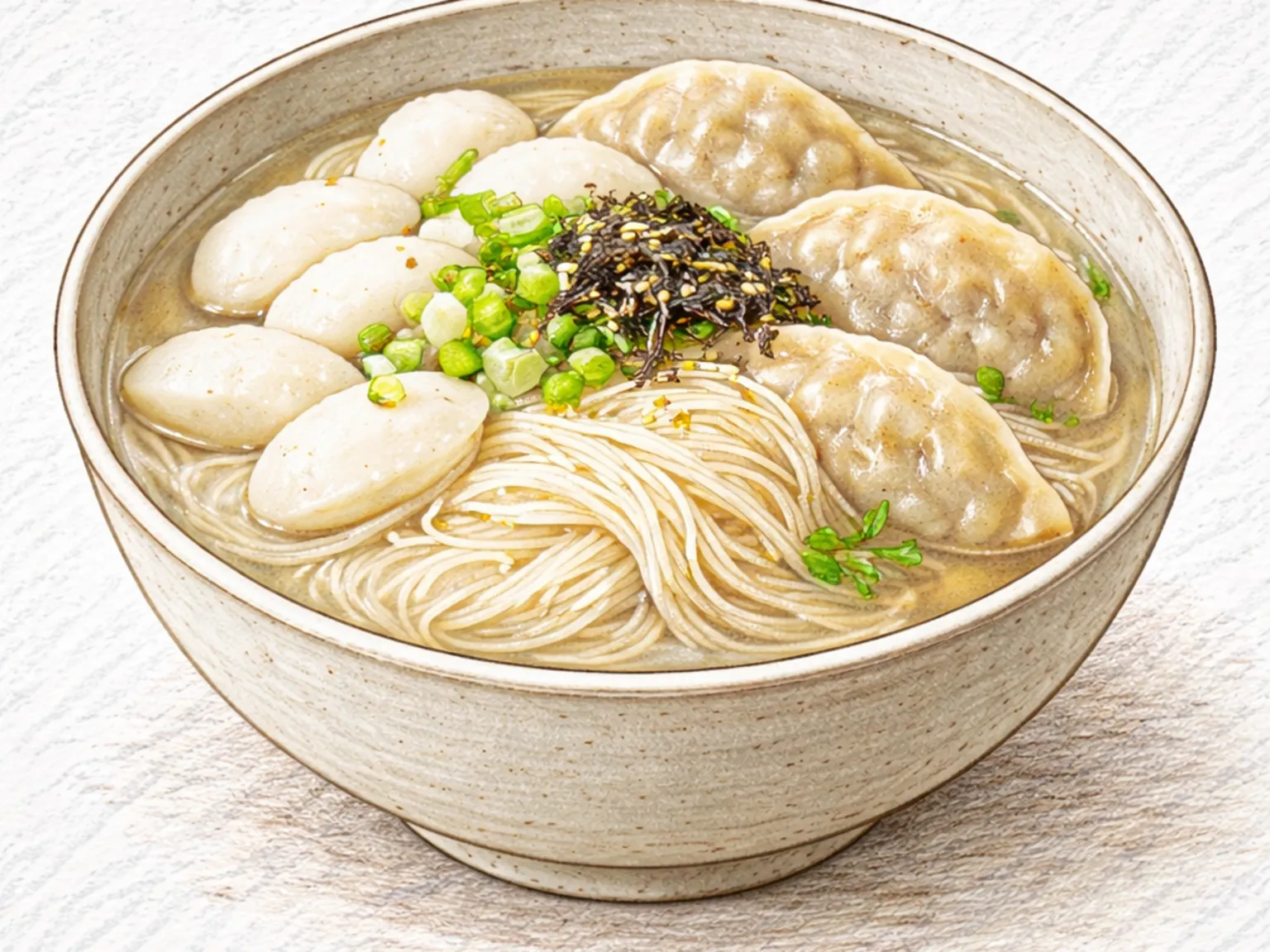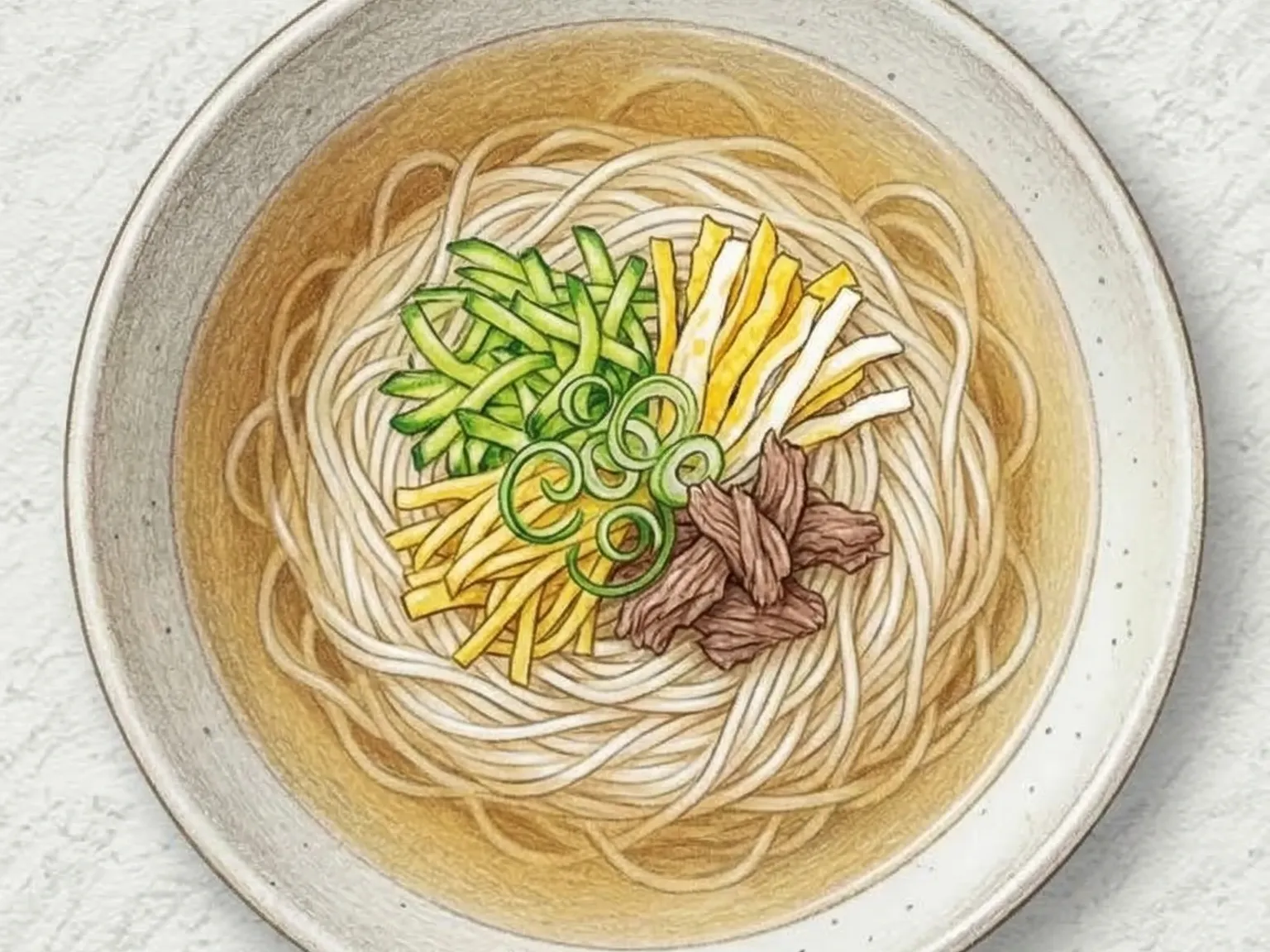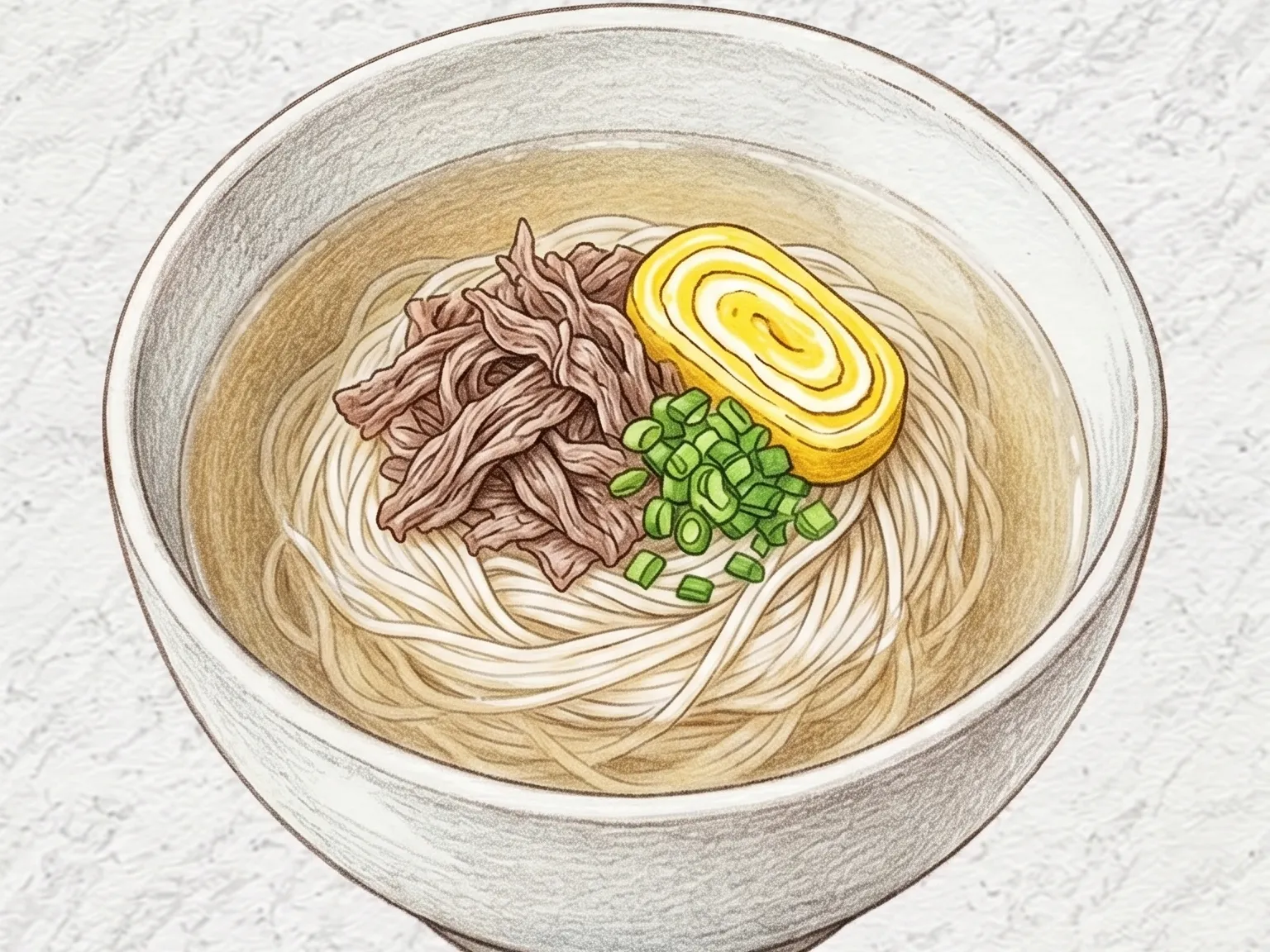
Onmyeon (Korean Warm Noodle Soup Recipe)

Onmyeon (Korean Warm Noodle Soup Recipe)

Quick answer

Onmyeon, also romanized on-myeon or onmyun, is a Korean warm noodle soup built on a clear beef brisket broth served over thin somyeon noodles.

What makes this special

  • Warm Korean somyeon noodles served in a clear, lean beef brisket broth simmered for 25 minutes.
  • Brisket simmered 25 minutes then strained for a clear, lean broth
  • Soup soy sauce added gradually to keep the broth light-colored
Total time
45 min
Level
Easy
Servings
2 servings
Ingredients
7
Calories
560 kcal
Protein
30 g

Key ingredients

somyeon noodlesbeef brisketgreen onionsoup soy saucegarlic

Core cooking flow

  1. 1 Place 250 g beef brisket and 6 cups water in a pot and bring to a boil over medium heat.
  2. 2 Lift out the beef and let it cool just enough to handle, then shred it thinly along the grain.
  3. 3 Add the 1 tablespoon soup soy sauce to the strained broth gradually, checking that the color remains pale.

Onmyeon, also romanized on-myeon or onmyun, is a Korean warm noodle soup built on a clear beef brisket broth served over thin somyeon noodles. The brisket simmers in water for about twenty-five minutes to produce a light yet flavorful stock, which is then strained to remove fat and sediment for clarity. Soup soy sauce seasons the broth gradually so its color stays pale, preserving the clean appearance that defines this dish. The noodles are cooked separately and rinsed in cold water before hot broth is poured over them, keeping the bowl clear instead of cloudy.

Prep 15min Cook 30min 2 servings

Instructions

Read the steps as a cooking flow: prep, heat, seasoning, doneness control, and finish.

6 steps
  1. 1
    Control

    Place 250 g beef brisket and 6 cups water in a pot and bring to a boil over medium heat.

    Once boiling, lower to gentle heat, simmer for 25 minutes, and skim off foam so the broth stays clean.

  2. 2
    Step

    Lift out the beef and let it cool just enough to handle, then shred it thinly along the grain.

    Strain the broth through a sieve to remove fat and sediment, then return the clear broth to the pot.

  3. 3
    Control

    Add the 1 tablespoon soup soy sauce to the strained broth gradually, checking that the color remains pale.

    Stir in 1 tablespoon garlic and 1 teaspoon salt, then simmer for 2 minutes to settle the seasoning.

  4. 4
    Heat

    Cook 180 g somyeon noodles separately until tender through the center, then drain them right away.

    Rinse several times in cold water to wash off starch, and shake off excess water so the broth will not cloud.

  5. 5
    Finish

    Cook 1 egg into a thin garnish over low heat, let it cool, then slice it into fine strips.

    Slice 40 g green onion thinly so it releases aroma quickly when it meets the hot broth.

  6. 6
    Finish

    Place the rinsed noodles in bowls and arrange the shredded beef, egg strips, and green onion neatly on top.

    Bring the broth back to a strong boil, pour it over, check seasoning and clarity, and serve immediately.

After the steps

Pick a recipe that fits this dish.

Continue with shared ingredients, meal pairings, or a similar method.

Recipes That Go Well With This

More Noodles →

Based on shared ingredients and meal pairing

Korean Warm Noodles with Kimchi Dumplings
Shared ingredient: somyeon noodles Noodles

Korean Warm Noodles with Kimchi Dumplings

Kimchi mandu onmyeon is a Korean warm noodle dish that combines kimchi dumplings simmered in anchovy-kelp stock with thin wheat noodles served in the hot broth. The filling of kimchi and pork inside each dumpling gradually releases savory depth into the clean dashi as the dumplings cook, building a broth that feels substantive without requiring heavy seasoning. Soup soy sauce and minced garlic are the only seasoning additions, keeping the overall flavor clear and well-defined. Thin wheat noodles are boiled separately and rinsed under cold water before serving, which prevents the cooking starch from clouding the broth and keeps the noodles smooth and springy in texture rather than swollen and soft. Julienned zucchini added to the broth and a thin stream of beaten egg swirled in just before serving add color and textural variety to the finished bowl. Since the sodium content of kimchi dumplings varies considerably by brand, soup soy sauce should be added in small increments at the end rather than all at once. Overcooking the dumplings causes the wrapper to loosen and the broth to cloud, so once the dumplings float to the surface the noodles should go in and the dish brought together quickly. Gochugaru or sliced cheongyang chili transforms the bowl into a spicier version, and a drop of sesame oil stirred in just before eating rounds out the nuttiness of the broth. Equally suited as a late-night solo meal or a warming bowl on a cold day.

Korean Clam Seaweed Onmyeon (Warm Noodle Soup)
Shared ingredient: somyeon noodles Noodles

Korean Clam Seaweed Onmyeon (Warm Noodle Soup)

Dongjuk miyeok onmyeon is a warm noodle soup where small surf clams are simmered to build a clear, deeply briny stock, then combined with rehydrated seaweed and thin wheat noodles. The cool, oceanic flavor of the clams forms the backbone of the dish, and simmering radish alongside rounds out the saltiness into something bright and clean. The seaweed unfurls in the hot broth, contributing its own quiet marine umami, and seasoning stays minimal with only soup soy sauce and salt so the ingredients speak clearly. This is a restorative bowl often eaten for morning recovery or when a light, clear-tasting meal is preferred. Dongjuk clams resemble Manila clams in shape but yield a deeper, more concentrated broth, making them effective even without additional stock. The thin noodles should be cooked until just tender and transferred directly to the bowl to prevent over-softening once the hot broth is ladled over.

Korean Shepherd's Purse & Napa Pancake
Serve together Pancakes

Korean Shepherd's Purse & Napa Pancake

Naengi Baechu Jeon is a seasonal Korean pancake that features wild shepherd's purse and sweet napa cabbage. To prepare this dish, the roots of the shepherd's purse are thoroughly scrubbed to remove soil and chopped into short lengths, while the cabbage is sliced, lightly salted to draw out moisture, and squeezed. The batter consists of Korean pancake mix, rice flour, an egg, cold water, and soup soy sauce, which provides a clean base that allows the flavors of the vegetables to stand out. Mixing rice flour into the batter ensures that the edges of the pancake turn crispy and remain tender even after cooling. The prepared greens are gently folded into the mixture, then pan-fried in oil over medium heat until both sides are golden brown. It is sliced on a board and served warm.

Korean Anchovy Broth Thin Noodle Soup
Similar recipe Noodles

Korean Anchovy Broth Thin Noodle Soup

Anchovy somyeon is the noodle soup Korean families fall back on when the kitchen offers little to work with - dried anchovies, a strip of dashima kelp, and a bundle of thin wheat noodles are enough. The broth starts with dried anchovies soaked briefly to cut any bitterness, then simmered with dashima for fifteen minutes before being strained to produce a clear liquid with a faint oceanic sweetness and deep umami. Somyeon - hair-thin wheat noodles - are cooked in a separate pot to keep their starch from clouding the broth, then rinsed repeatedly under cold water until every strand separates cleanly. The noodles go into a bowl of hot broth and are finished with sliced scallion, a small drop of sesame oil, and often a sheet of toasted gim. A few drops of soy sauce tune the salt level, and a soft-boiled egg or a few slices of tofu can round it into a full meal. The appeal of the dish is its restraint: no chili paste, no fermented base, just the clean savor of anchovy stock meeting springy noodles. Korean mothers have served this as a quick midday meal for generations, and it endures as comfort food in its most unadorned form.

Serve with this

Korean Perilla Soybean Sprout Namul
Side dishes Easy

Korean Perilla Soybean Sprout Namul

Kongnamul, soybean sprouts, are among the most consumed vegetables in Korea, and this perilla-dressed version adds a nutty, full-bodied depth that the plain sesame oil variety lacks. The sprouts are steamed with the lid sealed for five minutes, which drives off the raw bean smell while keeping the heads firm and crunchy. Tossed with perilla powder, soup soy sauce, garlic, and sesame oil while still warm, the powder absorbs the moisture and dissolves into a pale coating that makes each sprout feel creamy on the tongue. Chopped scallion contributes a sharp, grassy contrast that balances the richness, and resting the finished dish for five minutes before serving lets the seasoning penetrate evenly so the flavor comes together more completely.

🥗 Light & Healthy 🏠 Everyday
Prep 10min Cook 8min 4 servings
Korean-Style Cucumber Pickle
Kimchi Easy

Korean-Style Cucumber Pickle

Oi pickle is a vinegar-brined cucumber pickle where one-centimeter-thick rounds are briefly salted to draw out surface moisture, then submerged in a hot brine of vinegar, water, sugar, salt, bay leaf, and whole black peppercorns. Pouring the hot brine directly over the salted cucumbers contracts their cell structure on contact, locking in a crunch that persists through multiple days of refrigeration. As the pickles rest, the sharp acidity of the vinegar softens and blends with the sugar into a balanced sweet-sour profile rather than a single piercing note. Bay leaf contributes a low, herbal background, and the peppercorns leave a faint heat at the finish that gives depth beyond plain vinegar sourness. The pickles are ready after twelve hours of chilling and keep well in a sealed container in the refrigerator for up to two weeks. Served alongside fried or fatty dishes, the clean acidity cuts through richness and refreshes the palate between bites.

🍱 Lunchbox 🏠 Everyday
Prep 20min Cook 10min 4 servings
Deodeok Citrus Chicken Salad
Salads Medium

Deodeok Citrus Chicken Salad

Deodeok citrus chicken salad is a Korean-style dish that focuses on the interplay between various textures and flavors. The preparation involves pan-searing chicken tenderloin in a hot skillet until it develops a golden crust on the outside while the meat remains tender on the inside. This protein is paired with deodeok root, which is beaten or pounded before use to loosen its tough fibers and soften its structure. Deodeok provides a unique earthy quality and a subtle bitterness that is difficult to find in other root vegetables. Fresh orange segments are included to provide a bright acidity that balances the savory notes of the seared chicken and the natural earthiness of the deodeok. Arugula is used as the base of the greens, contributing a sharp, peppery layer to the overall composition. A simple dressing made from soy sauce and olive oil is used to integrate the Korean-inspired components with more Western salad elements. Because the dish contains a high amount of protein from the chicken and a significant volume of vegetables, it functions as a light meal that remains nutritionally complete.

🥗 Light & Healthy 🏠 Everyday
Prep 20min Cook 12min 2 servings

Similar recipes

Korean Doenjang Thin Noodle Soup
Noodles Easy

Korean Doenjang Thin Noodle Soup

Doenjang somyeon is a Korean noodle soup of thin wheat noodles in a fermented soybean paste broth built on anchovy stock. Potato, zucchini, and onion - or whatever vegetables are available - go into the broth first, simmering until they release their moisture and natural sugars into the liquid, which rounds out the earthy doenjang base. The somyeon noodles take only three to four minutes to cook, so they go in last to stay firm. Sliced green onion scattered on top adds a clean, bright note against the fermented broth. The ingredient list is short and adaptable, but the doenjang delivers enough layered depth to make this a satisfying weeknight dinner without any complex technique.

🏠 Everyday ⚡ Quick
Prep 10min Cook 15min 2 servings
Korean Street Stall Udon (Dashi Broth Fish Cake Noodle Soup)
Street food Medium

Korean Street Stall Udon (Dashi Broth Fish Cake Noodle Soup)

This street stall-style udon starts with kombu cold-steeped in water that is then brought to a gentle boil and simmered for eight minutes to extract its clean, mineral sweetness. The heat is turned off before bonito flakes are added, left to steep for two minutes until the broth turns golden and faintly smoky, then strained clear. Soup soy sauce and regular soy sauce are used together so the broth achieves both the right color and a balanced savory depth, and a small amount of sugar smooths the sharp edge of the soy without making the broth sweet. Fish cake slices are added directly to the hot broth and simmered for roughly five minutes, releasing their own mild umami into the liquid while absorbing the dashi flavor in return. Cooking them much longer causes the texture to deteriorate. Udon noodles are blanched separately in a second pot to wash off surface starch, then transferred to serving bowls while the broth is brought back to a rolling boil. Pouring the hot broth over the noodles at the last moment rather than simmering the noodles in the broth keeps them springy and prevents the soup from turning cloudy. Sliced scallion and dried seaweed flakes go on top as the final garnish.

🧒 Kid-Friendly 🌙 Late Night
Prep 15min Cook 20min 2 servings
Korean Heotgae Tea (Oriental Raisin Tree Hangover Herbal Brew)
Drinks Easy

Korean Heotgae Tea (Oriental Raisin Tree Hangover Herbal Brew)

Heotgae-cha is a traditional Korean herbal tea made by simmering dried oriental raisin tree fruit with jujubes, ginger, and cinnamon over low heat for thirty-five minutes. The dried heotgae fruit, small and knobby in appearance, is astringent and muted in raw form, but prolonged simmering draws out a deep, earthy sweetness that gradually fills the water. Jujubes add natural sweetness and a faint fruity note, ginger contributes a sharp warmth that lingers at the tip of the tongue, and cinnamon layers in a gentle, aromatic sweetness, building a multi-layered flavor that develops slowly over the long cooking time. Honey is stirred in at the end to adjust sweetness to taste. In Korean traditional medicine, the oriental raisin tree has long been associated with supporting liver function and alleviating hangover symptoms, which is why the tea has been consumed as a morning-after drink for generations. Among Korean office workers accustomed to frequent after-work drinking gatherings, heotgae-cha remains one of the most commonly reached-for hangover remedies.

🍺 Bar Snacks 🥗 Light & Healthy
Prep 5min Cook 35min 4 servings

Tips

Rinsing noodles prevents the broth from turning cloudy.
Add soup soy sauce gradually to keep the broth light in color.

Nutrition (per serving)

Calories
560
kcal
Protein
30
g
Carbs
68
g
Fat
18
g