Korean Steamed Duck with Chives
Quick answer
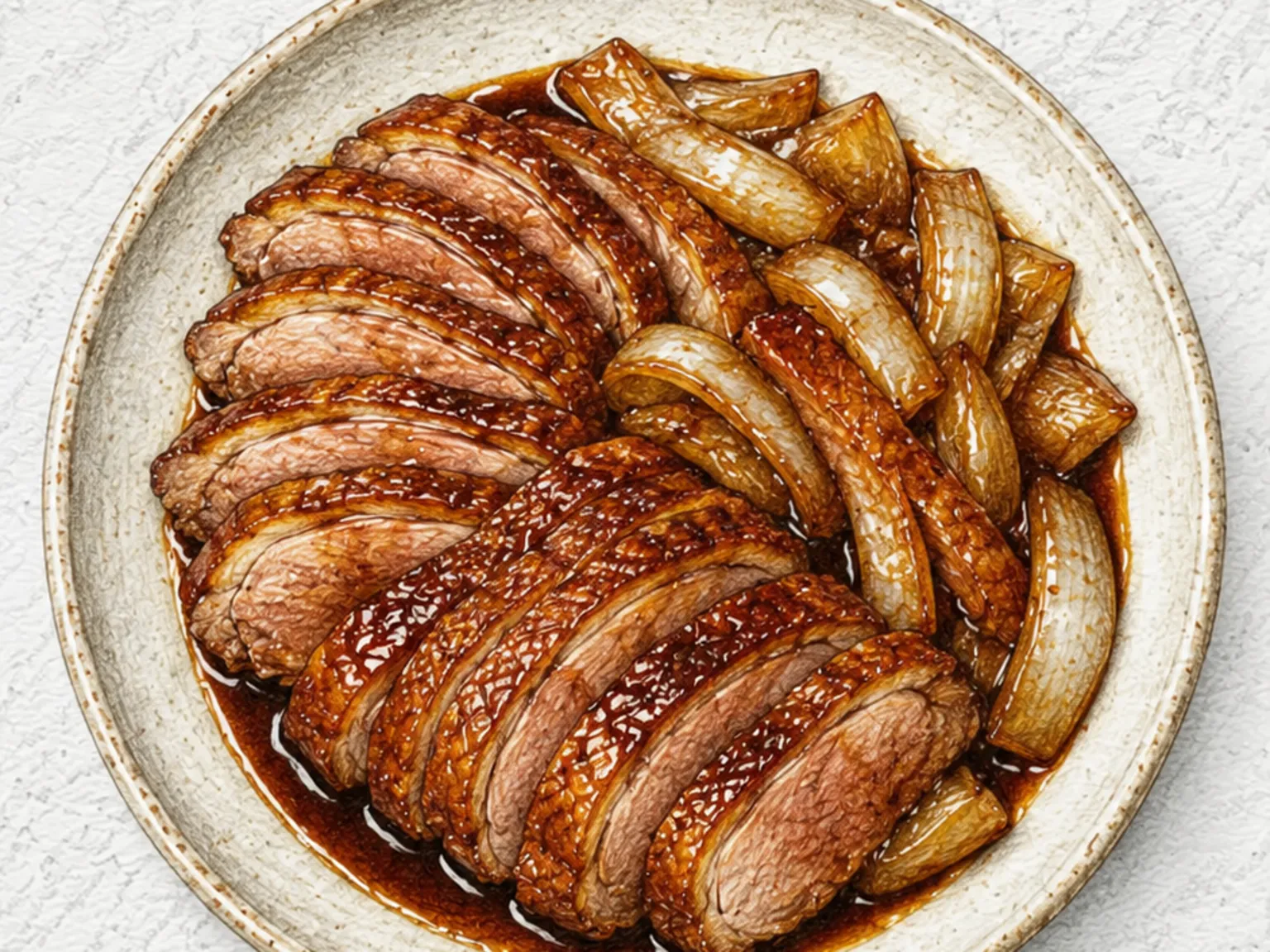
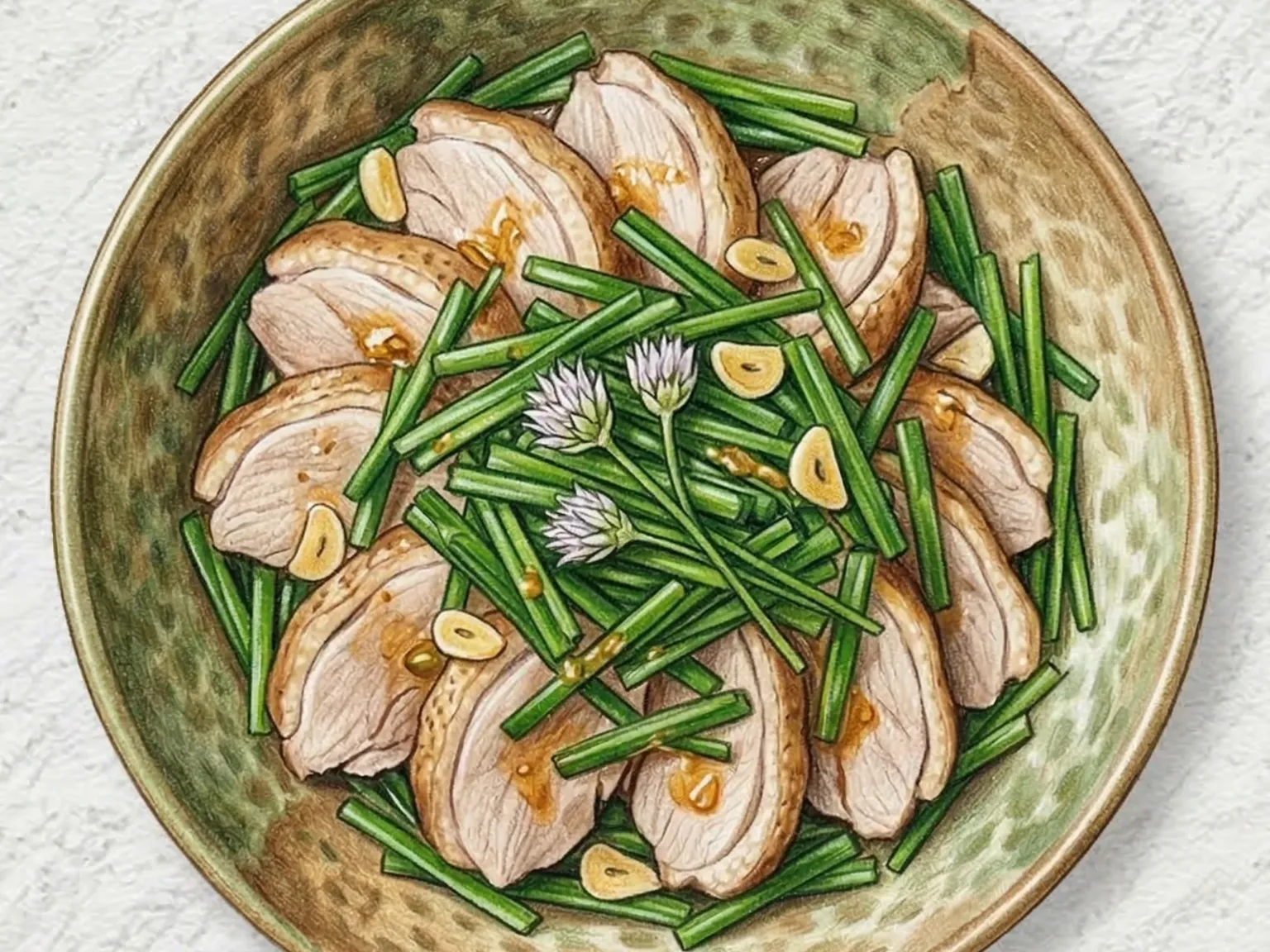
Ori-buchu-jjim is a Korean braised duck dish where duck meat is marinated in soy sauce, cooking wine, garlic, and black pepper, then placed over a layer of sliced onion w...
What makes this special
- Ori-buchu-jjim layers marinated duck over onions to render fat while steaming the meat to a tender, clean finish with chives.
- Skimming duck fat that rises during steaming cuts the greasiness
- Soy, mirin, and pepper marinade removes off-odors and isolates the meat flavor
Key ingredients
Core cooking flow
- 1 Cut 700 g duck meat into bite-size pieces, then press it well with paper tow...
- 2 Mix 2.5 tbsp soy sauce, 2 tbsp cooking wine, 1 tbsp minced garlic, and 0.5 tsp black pepper.
- 3 Slice 150 g onion thickly and spread it across the bottom of the pot so the duck does not scorch.
Ori-buchu-jjim is a Korean braised duck dish where duck meat is marinated in soy sauce, cooking wine, garlic, and black pepper, then placed over a layer of sliced onion with water added and the lid on. Over thirty minutes of steady heat, the fat rendered from the duck is skimmed away periodically, which removes the gamey heaviness and keeps the final result clean on the palate. Fresh garlic chives go in only at the end, wilting just enough to soften while releasing their sharp, green fragrance into the pot. That herbal sharpness is precisely what balances the deep, fatty richness of duck. As the liquid reduces near the end of cooking, the soy-based marinade thickens and clings to the surface of each piece, glazing the meat with concentrated seasoning. Duck has long been regarded in Korean food culture as a restorative ingredient, and this preparation honors that reputation by delivering full flavor while skimming away the excess fat. It is a main course suited to summer tables when the body needs replenishment.
Instructions
Read the steps as a cooking flow: prep, heat, seasoning, doneness control, and finish.
- 1Prep
Cut 700 g duck meat into bite-size pieces, then press it well with paper towels to remove blood and surface moisture.
Keep the pieces fairly dry so the soy marinade clings instead of sliding off.
- 2Season
Mix 2.5 tbsp soy sauce, 2 tbsp cooking wine, 1 tbsp minced garlic, and 0.5 tsp black pepper.
Coat the duck evenly and marinate for 15 minutes, turning once if the seasoning pools below.
- 3Prep
Slice 150 g onion thickly and spread it across the bottom of the pot so the duck does not scorch.
Lay the marinated duck on top, then pour in the remaining marinade and 200 ml water.
- 4Finish
Cover the pot and start over medium heat, then lower to medium-low once steady bubbling begins.
Steam-braise for 30 minutes, skimming off the rendered duck fat every 10 minutes for a cleaner finish.
- 5Season
When a chopstick slides into the duck easily and the seasoning liquid looks shallow and glossy, add 150 g garlic chives.
Place them on top without stirring hard, then cook about 5 minutes until just wilted.
- 6Finish
Before turning off the heat, spoon the sauce from the bottom over the duck so the pieces are evenly glazed.
Rest covered for 3 minutes, then serve while the chives still smell fresh.
After the steps
Pick a recipe that fits this dish.
Continue with shared ingredients, meal pairings, or a similar method.
Recipes That Go Well With This
More Steamed →Based on shared ingredients and meal pairing
Korean Soy Garlic Grilled Duck
Ori-ganjang-gui is a Korean soy-braised grilled duck dish where scored duck breast is marinated for twenty minutes in a sauce of soy sauce, minced garlic, honey, cooking wine, ginger juice, and black pepper, then placed skin-side down in a cold pan to start cooking. The cold-start method slowly renders the thick subcutaneous fat layer into the pan over eight minutes, building up a pool of self-basting duck fat that eliminates the need for added oil and crisps the skin without burning it before the breast is flipped. Soy sauce and honey caramelize at high heat into a glossy dark brown glaze, while ginger juice actively breaks down the gamey odor that duck fat often carries. In the final two minutes, the remaining marinade is brushed back onto the meat and sliced onions are added to the pan, where their natural sugars rise and merge with the salty-sweet soy coating to form a deeply savory side that complements the duck. The sliced meat can be wrapped in perilla or lettuce leaves, or the rendered cooking juices can be spooned directly over rice.
Korean Braised Pork with Garlic Chives
Pork shoulder is steamed with garlic chives in a seasoning of soy sauce, gochugaru, and cooking wine. The shoulder cut has fat distributed evenly through the muscle, so it stays moist during steaming and pulls apart naturally along the grain rather than turning dry or stringy. Garlic chives are piled generously over the pork before the lid goes on; as they steam they release moisture and a sweet, garlicky aroma that seeps down into the meat. Soy sauce penetrates deeply through the slow steam, and gochugaru gives the finished dish its red color and moderate heat. A finish of sesame oil and black pepper adds nuttiness and a sharp edge. The combination of savory depth and mild spice makes it a natural partner for plain steamed rice.
Korean Seafood & Chicken Herbal Soup
Haesintang is a premium Korean restorative soup that combines a whole chicken with abalone, octopus, and shrimp, simmered together in a single large pot for an extended period. The chicken goes in first and cooks for well over an hour, building a cloudy, collagen-rich stock with a naturally silky body. The seafood is added later in the process to avoid overcooking: abalone stays chewy, octopus retains its characteristic bounce, and shrimp turn just pink and stop there. The interaction between the poultry fat and the marine umami produces a broth with a depth that neither chicken alone nor seafood alone could achieve. Seasoning is deliberately restrained, typically garlic, green onion, and salt, so the flavors of the ingredients themselves define the soup rather than any added sauce or spice. In Korea, haesintang is categorized as a stamina food, most commonly eaten on the hottest days of summer in the traditional belief that rich nourishment combats heat fatigue. Its combination of two high-end protein sources places it firmly in the celebratory register of Korean home and restaurant cooking.
Korean Steamed Whole Garlic
Maneul-jjim is a Korean steamed whole garlic dish where cloves are slowly braised in soy sauce, oligosaccharide syrup, and sesame oil until completely tender. The raw garlic's sharp bite disappears entirely with heat, transforming into a mellow sweetness with a creamy, almost buttery texture. The syrup creates a glossy coating on each clove, and the sesame oil wraps everything in a nutty fragrance. This banchan works as a side to grilled meats or as a drinking snack, offering all of garlic's depth without any of its usual pungency. Placing a softened clove on a spoonful of rice is the simplest and most satisfying way to enjoy it.
Serve with this
Korean Beef & Shiitake Japchae
Japchae originated as a Joseon royal court dish of stir-fried vegetables before sweet potato glass noodles were added to create the form recognized today. This version pairs glass noodles with soy-marinated beef and sliced shiitake mushrooms. Each component cooks separately: beef and mushrooms stir-fried with garlic, spinach blanched and squeezed dry, carrots and onions sauteed until just tender. A final toss with sesame oil brings everything together. The noodles should be translucent and springy, carrying a sweet-salty soy glaze into each forkful. A standard presence on every Korean holiday table at Chuseok, Seollal, and birthday celebrations alike.
Korean Seaweed Roe Pot Rice
The preparation starts by layering finely diced radish at the bottom of a heavy pot before adding soaked rice. A specific technique defines this dish: warming the salted pollock roe and butter using only the residual heat of the vessel after the flame is extinguished. Avoiding direct heat prevents the roe's proteins from tightening into a dry or crumbly texture. Instead, the indirect warmth maintains a soft consistency where individual eggs pop and release their salty essence into the grains. As the butter melts, it coats each piece of rice, acting as a bridge between the sharp saltiness of the fish roe and the mild nature of the rice. Throughout the cooking process, the radish pieces release moisture upward, ensuring the rice remains hydrated while contributing a subtle sweetness and a clean finish. Before the meal begins, crumbling gamtae over the surface introduces a distinct oceanic scent that sits above the savory layers of butter and roe. Sliced scallions provide a sharp, crisp contrast to the overall richness. Pouring hot water into the pot at the end creates a toasted rice water that clears the palate. It is important to place the roe and butter within four minutes of turning off the heat to ensure the remaining warmth is sufficient to soften the ingredients.
Korean Stuffed Bossam Kimchi
Bo-kimchi is a premium Korean stuffed kimchi where brined napa cabbage leaves are wrapped around a filling of julienned radish, water dropwort, chestnuts, jujubes, shrimp, and pine nuts, then tied into bundles and left to ferment. Each ingredient in the stuffing develops its own flavor during fermentation, building a complex, layered taste enclosed in a single neat package. Shrimp and pine nuts contribute richness and a roasted note, while chestnuts and jujubes add subtle sweetness that lifts this well above everyday kimchi. Originating in the Gaeseong region and tracing its lineage through Goryeo-era court cuisine, it is a kimchi reserved for holidays and formal occasions.
Similar recipes
Korean Steamed Mixed Mushrooms
Three types of mushrooms - oyster, shiitake, and enoki - are steamed in a soy sauce and garlic seasoning. Oyster mushrooms should be torn by hand along the grain so the rough surface absorbs the seasoning, and shiitake caps should be sliced thick after removing the stems to preserve their dense bite even after steaming. Enoki are trimmed at the base and loosened before going in. Sesame oil is added immediately after steaming, before the mushroom moisture evaporates, so the nutty aroma coats the surface properly. Because the three varieties have different densities and thicknesses, steaming time should stay within ten minutes to prevent the enoki from going limp.
Korean Steamed Tofu with Soy Sauce
Dubu-jjim is firm tofu steamed and topped with a seasoning sauce of soy sauce, gochugaru, chopped green onion, garlic, and sesame oil. Cutting the tofu into thick slabs before steaming lets heat penetrate evenly, producing pieces with slight resistance on the outside and a silky interior. The soy and chili sauce drizzled over the warm tofu seeps into each slice, delivering salty and mildly spicy flavors throughout. Sesame oil and seeds finish with a toasted aroma. Cooked without any added oil, it is a clean, protein-rich banchan that fits well on a vegetarian spread. Lightly salting the tofu before steaming draws out excess moisture, which allows the seasoning sauce to absorb more deeply and firms up the texture.
Korean Garlic Chive Duck Stir-fry
Sliced smoked duck is cooked first to render its fat, and that rendered fat becomes the cooking medium for onion, oyster mushrooms, and a gochujang-based sauce. Because the duck releases enough oil on its own, additional cooking fat is barely needed, and the smoky flavor carried in the rendered fat transfers directly into the vegetables. The gochujang and oligosaccharide syrup create a sweet-spicy glaze that counterbalances the richness of the duck, while garlic chives are tossed in only during the final minute over high heat so they keep their vivid green color and bright herbal finish. Perilla oil drizzled after the flame is off adds a final aromatic layer that elevates the entire plate. If the duck releases more fat than desired, pouring off all but one tablespoon keeps the dish cleaner without sacrificing flavor. This dish pairs naturally with soju or makgeolli, and any leftovers fold well into fried rice the next day.