Korean Soy Udon with Scallion Salad
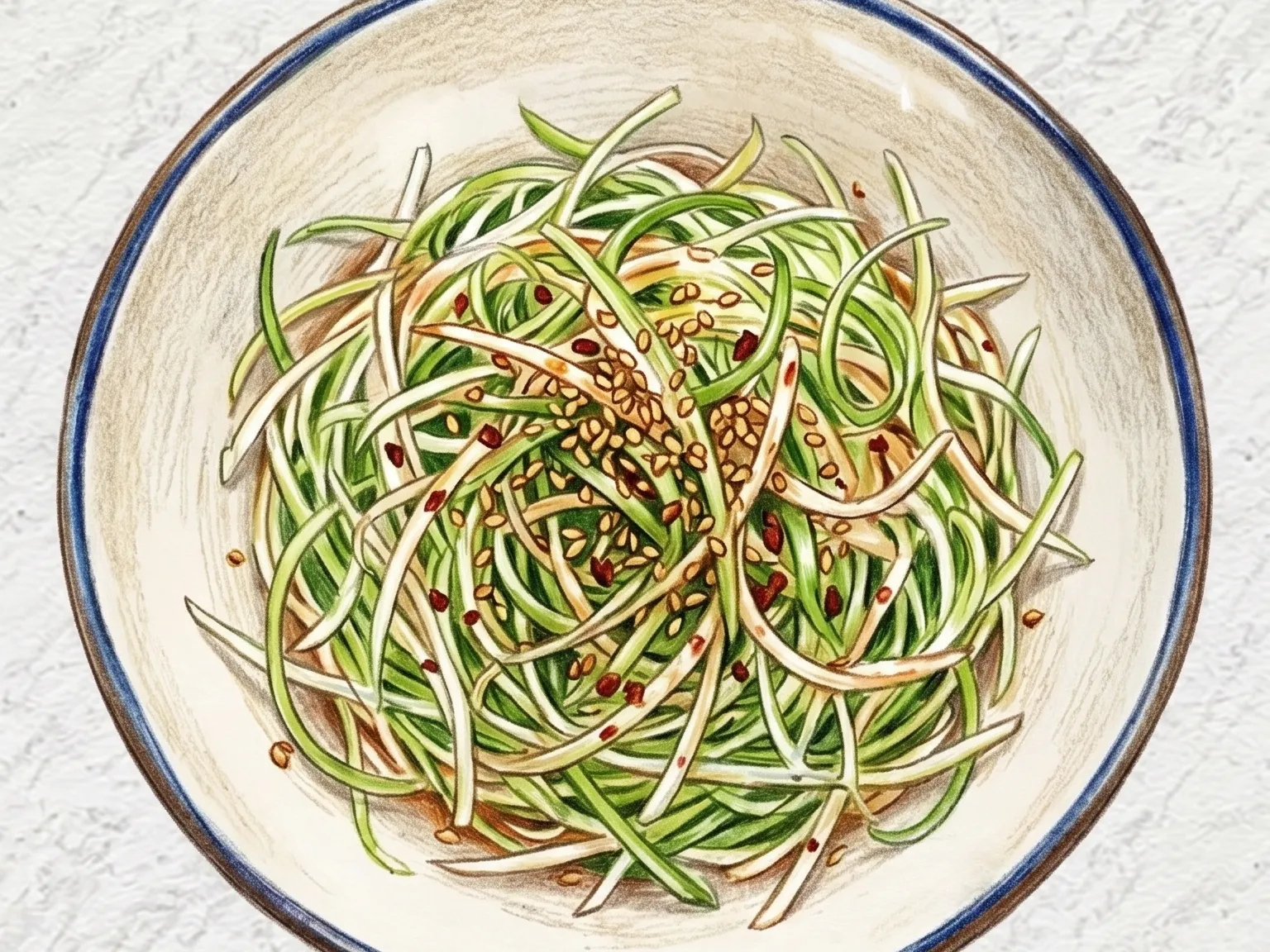
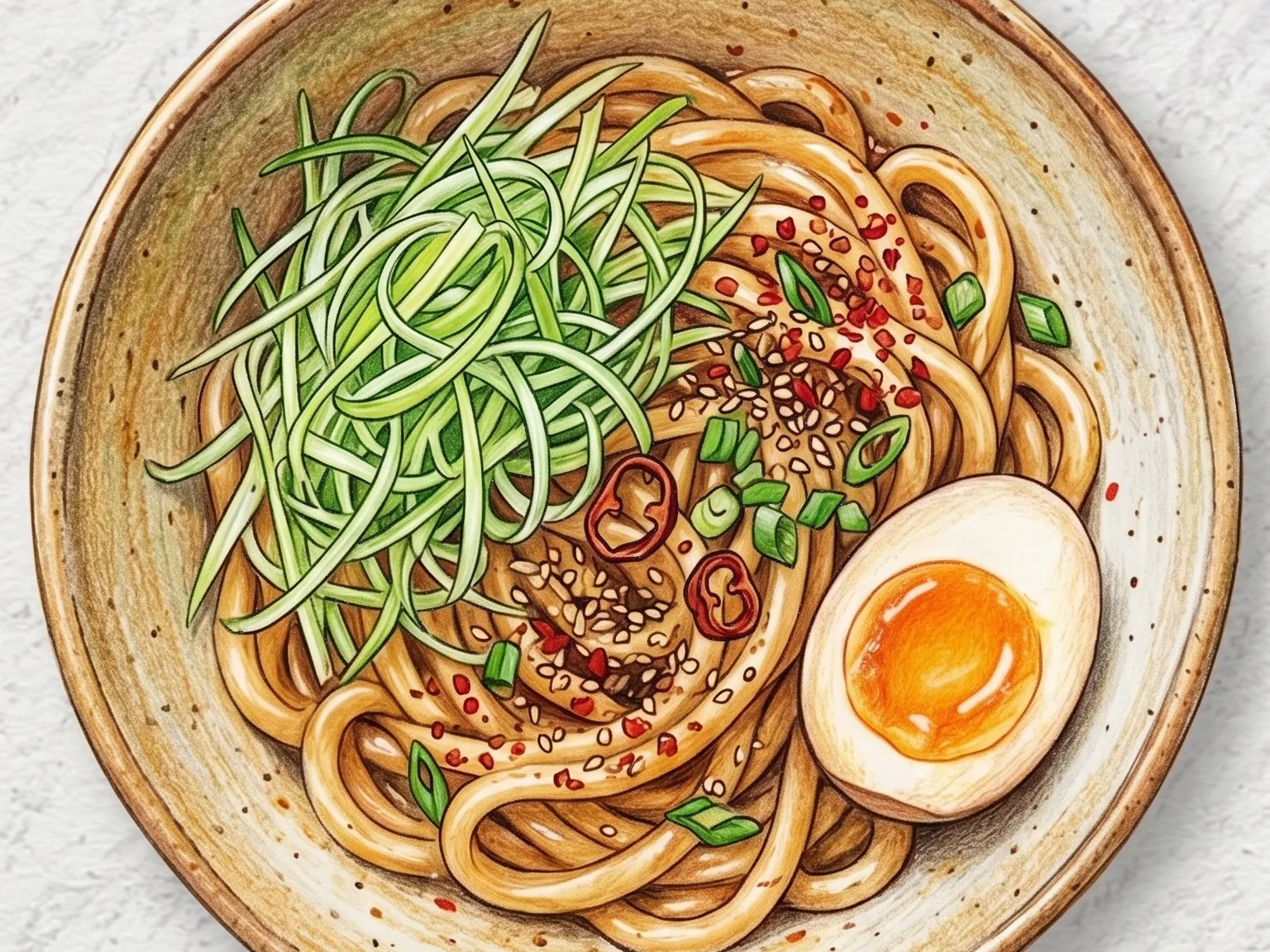
Pajeori ganjang bibim udon is a Korean mixed udon dish topped with crisp shredded scallion salad in a soy-vinegar dressing. The scallion is soaked in cold water for five minutes to soften its sharp bite while keeping its crunch. A dressing of soy sauce, vinegar, sugar, chili flakes, and sesame oil creates a sweet-salty-tangy-spicy base. The udon noodles are tossed with half the dressing first for an even base coating, then the drained scallion and remaining dressing are folded in. The pungent, fresh scallion against the seasoned noodles produces a flavor that is more complex than its few ingredients suggest. Keeping the udon slightly underdone preserves its bouncy texture, and sesame seeds add a nutty finish.
Adjust Servings
Instructions
- 1
Shred green onion finely, soak in cold water for 5 minutes, then drain.
- 2
Mix soy sauce, vinegar, sugar, chili flakes, and sesame oil for the dressing.
- 3
Cook or heat udon per package directions, then rinse in cold water.
- 4
Toss noodles with half the dressing first for base seasoning.
- 5
Add drained scallions and the remaining dressing, then toss lightly.
- 6
Plate and finish with sesame seeds before serving.
As an Amazon Associate, we may earn from qualifying purchases.
Tips
Nutrition (per serving)
More Recipes

Korean Chilled Udon with Yuzu Soy Sauce
Yuja ganjang naeng udon is a chilled udon dish dressed in a sauce made from yuja (citron) syrup, soy sauce, and tsuyu. The sauce balances bright citrus fragrance with salty depth, and the tsuyu rounds out the umami. Frozen udon noodles are boiled and rinsed in cold water, which keeps them firm and allows the sauce to coat evenly. Bonito flakes, shredded nori, and sesame seeds are common toppings. The entire recipe takes about 19 minutes and requires no advanced technique.

Korean Gamtae Sesame Oil Somyeon
Gamtae chamgireum somyeon is a Korean noodle dish where boiled thin wheat noodles are dressed in sesame oil and soy sauce, then topped generously with gamtae seaweed flakes. Gamtae is thinner and more intensely aromatic than standard roasted seaweed, laying a pronounced ocean fragrance over the noodles. The sesame oil and soy sauce form a simple but effective pairing - the oil's toasted nuttiness against the soy's salty depth. A small amount of minced garlic introduces a sharp warmth that gives the otherwise straightforward flavors a sense of direction. Rinsing the noodles thoroughly in cold water after boiling is essential to prevent clumping and ensure the dressing distributes evenly.

Korean Spicy Mixed Wheat Noodles
Bibim guksu is a chilled Korean noodle dish in which boiled and cold-rinsed somyeon wheat noodles are tossed in a sauce of gochujang, chili flakes, plum syrup, vinegar, soy sauce, and sesame oil. The heat from the gochujang, the sweetness of plum syrup, and the brightness of vinegar layer together into a multi-dimensional flavor in every bite. Rinsing the noodles thoroughly in cold water removes excess starch, giving them a bouncy chew and allowing the sauce to cling evenly. Torn lettuce and julienned cucumber folded in at the end contribute crunch and moisture that loosen the thick sauce just enough. A tablespoon of noodle cooking water can thin the sauce if it feels too heavy.

Korean Gochujang Bibim Udon Cup (Spicy Mixed Udon Cup)
Gochujang bibim udon cup is a cold-tossed udon dish served in a cup, dressed with a sauce of gochujang, soy sauce, oligosaccharide syrup, vinegar, and sesame oil. The fermented heat of gochujang meets the vinegar's acidity to create a tangy-spicy profile without harshness, while the syrup adds body that helps the sauce coat the thick udon strands evenly. Raw julienned cabbage and carrot are mixed in for textural crunch against the soft noodles. Cooling the noodles completely before tossing prevents the sauce from clumping, ensuring every strand is evenly seasoned.

Korean Spicy Noodles with Beef Pancake
Yukjeon bibim guksu pairs pan-fried beef pancakes with spicy-tangy dressed wheat noodles. Thin slices of lean beef round are patted dry, dusted with flour, dipped in beaten egg, and fried until golden on both sides. Removing moisture before coating is what gives the yukjeon its crisp exterior and keeps the egg layer from sliding off. The dressing combines gochujang, soy sauce, vinegar, sugar, and sesame oil into a sauce that balances heat with sweet-sour brightness. Somyeon noodles are boiled and rinsed multiple times in cold water to wash off excess starch, which keeps them springy and helps the dressing cling evenly. Shredded cucumber and lettuce add freshness and crunch against the warm, savory beef.

Korean Silken Tofu with Seasoned Soy Sauce
Chilled silken tofu is placed in a bowl and topped with a soy-based seasoning sauce that provides all the flavor the bland tofu needs. Silken tofu is coagulated with less agent than regular tofu, resulting in a custard-like texture that yields to a spoon and dissolves on the tongue. The sauce mixes soy sauce with gochugaru, minced garlic, chopped green onion, sesame oil, and toasted sesame seeds, concentrating salty, spicy, and nutty notes into a single spoonful. Each bite pairs the tofu's neutral softness with the sauce's concentrated punch, creating a rhythm of gentle and sharp that keeps the palate engaged. Sesame oil in the sauce adds a glossy sheen across the tofu's white surface, and the red flecks of chili powder provide a visual contrast that signals the heat to come. The soybean fragrance of the tofu itself acts as a quiet backdrop, grounding the louder flavors of the dressing. Because no cooking is required beyond mixing the sauce, this banchan comes together in minutes and is especially practical on busy evenings.