Charim

2686 Korean & World Recipes

2686+ Korean recipes, clean and organized. Ingredients to instructions, all at a glance.

Pancit Canton (Filipino Stir-Fried Egg Noodles with Chicken and Vegetables)

Pancit Canton (Filipino Stir-Fried Egg Noodles with Chicken and Vegetables)

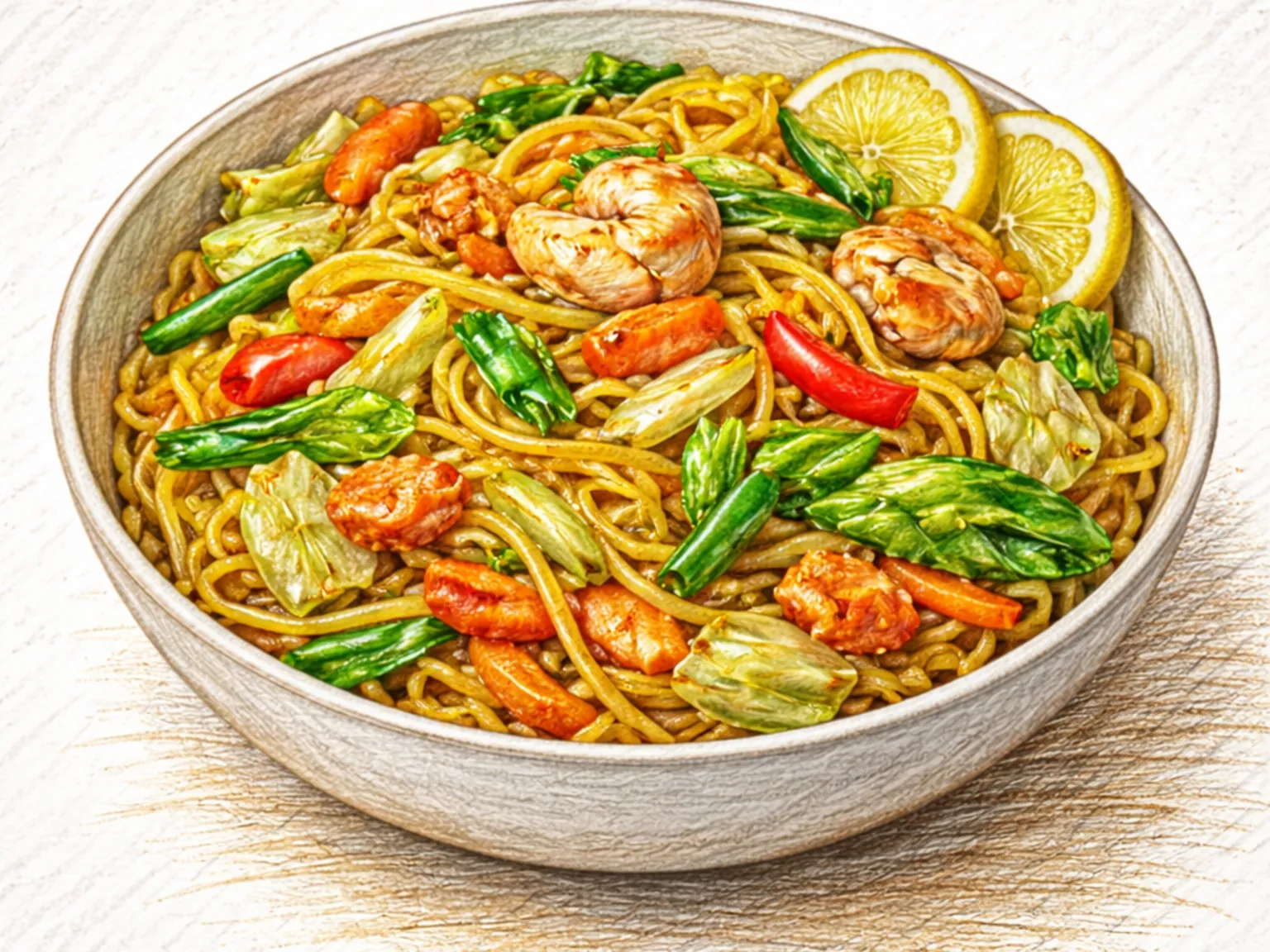
Pancit canton is a Filipino stir-fried egg noodle dish cooked with chicken, carrot, and cabbage in a soy sauce and oyster sauce seasoning. The noodles are parboiled to about seventy percent doneness so they finish cooking in the wok while absorbing the sauce, staying springy rather than soft. Chicken thigh is stir-fried first to render its fat and juices, then carrot and cabbage go in over high heat to keep their crunch. Soy sauce and oyster sauce combine into a salty, umami-rich glaze that coats the noodles evenly. A squeeze of fresh lemon after the heat is turned off lifts the dish with citrus brightness, cutting through the oily richness. The lemon must be added at the very end to preserve its volatile aroma.

Prep 15minCook 15min2 servings

Adjust Servings

2servings
servings

Instructions

  1. 1

    Parboil noodles until about 70% cooked, then drain.

  2. 2

    Heat oil and stir-fry chicken thigh until cooked.

  3. 3

    Add carrot and cabbage, stir-fry quickly over high heat.

  4. 4

    Add soy and oyster sauce, toss in noodles, and stir-fry until evenly coated.

  5. 5

    Turn off heat and finish with a squeeze of lemon.

🛒Shop Ingredients on Amazon

As an Amazon Associate, we may earn from qualifying purchases.

Tips

Slightly undercooked noodles stay springy during stir-frying.
Add lemon juice at the end to keep it bright.

Nutrition (per serving)

Calories
610
kcal
Protein
29
g
Carbs
74
g
Fat
20
g

More Recipes

Chinese Chow Mein
NoodlesEasy

Chinese Chow Mein

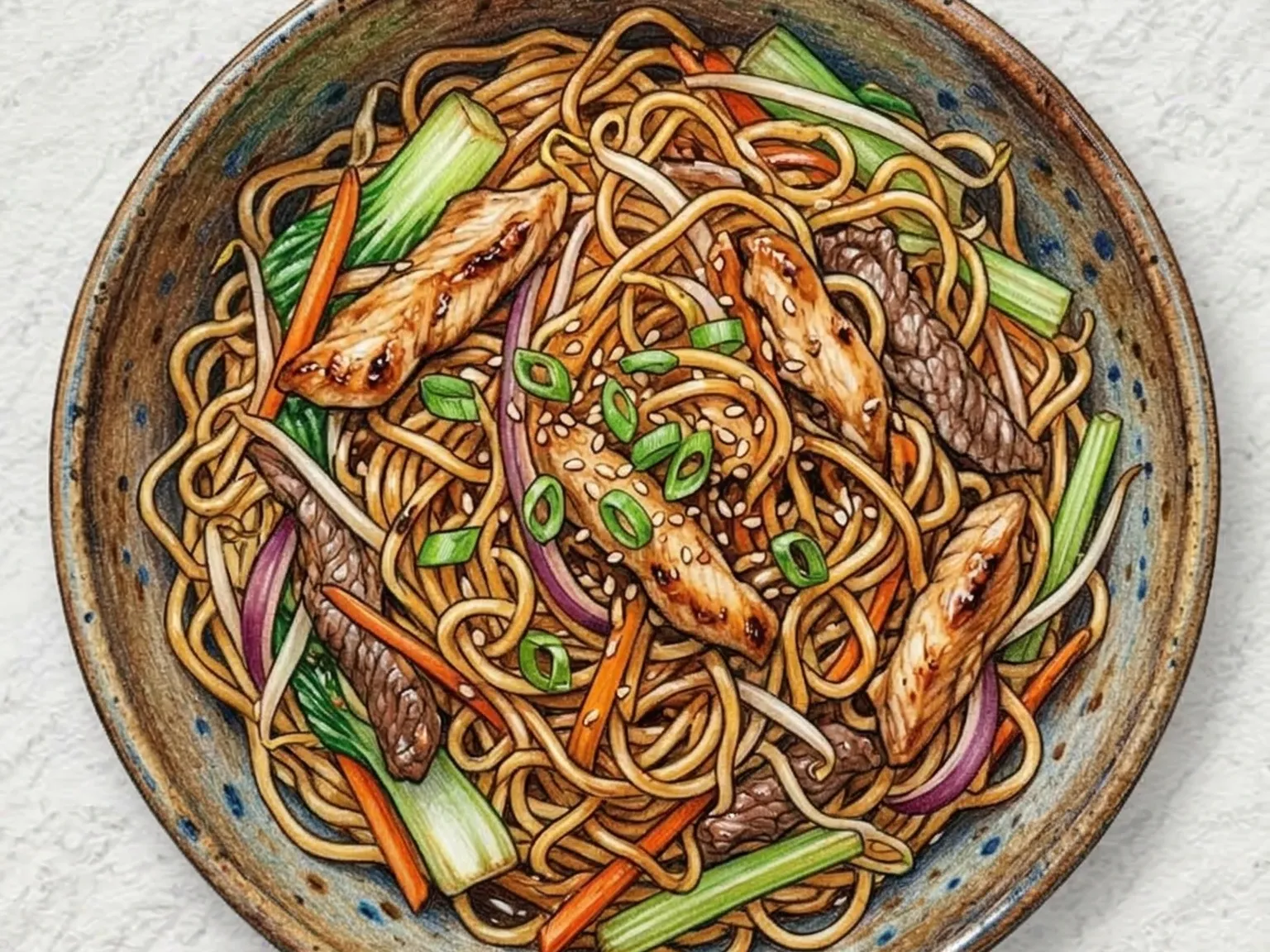
Chinese chow mein stir-fries boiled noodles with vegetables and protein over fierce wok heat. The noodles are parboiled, lightly oiled, then tossed in a screaming-hot wok until the exterior crisps while the interior stays chewy. A sauce of soy, oyster sauce, and sesame oil lacquers each strand with salty depth and umami, while bean sprouts, cabbage, and carrot contribute crunch. The hallmark smoky flavor, known as wok hei, comes only from sustained high heat, so home cooks achieve the closest result by working in small batches and letting the pan recover between additions. Chicken, shrimp, or beef can replace one another as the main protein, making chow mein endlessly adaptable. A squeeze of lime at the table brightens the overall flavor.

🏠 Everyday🌙 Late Night
Prep 15minCook 12min2 servings
Pancit Bihon (Filipino Stir-Fried Rice Vermicelli with Chicken)
AsianEasy

Pancit Bihon (Filipino Stir-Fried Rice Vermicelli with Chicken)

Pancit bihon is the most widely eaten noodle dish in the Philippines, made with thin rice vermicelli stir-fried with meat, vegetables, and a savory soy-fish sauce seasoning. It holds a special place in Filipino culture as a celebration dish - no birthday party is complete without a large platter, symbolizing long life and good fortune. The technique involves boiling chicken to create a broth, then using that broth to cook the noodles in the wok so every strand absorbs savory depth. Shredded cabbage and julienned carrots provide crunch, while a squeeze of calamansi brightens the dish with a tart, floral acidity.

🏠 Everyday🎉 Special Occasion
Prep 20minCook 20min4 servings
Pancit Palabok (Filipino Rice Noodles with Annatto Shrimp Sauce)
NoodlesMedium

Pancit Palabok (Filipino Rice Noodles with Annatto Shrimp Sauce)

Pancit palabok is a Filipino celebratory noodle dish built on thin rice noodles blanketed in an orange-hued shrimp sauce. The sauce gets its color from annatto powder and its backbone from shrimp-shell stock simmered with fish sauce. Boiled egg halves and a squeeze of lime are the traditional garnish, balancing richness with acidity. It is a staple at Filipino birthday parties and holiday gatherings, served family-style on a large platter.

🎉 Special Occasion
Prep 20minCook 25min2 servings
Kimchi Butter Udon (Tangy Kimchi Stir-Fried in Butter)
NoodlesEasy

Kimchi Butter Udon (Tangy Kimchi Stir-Fried in Butter)

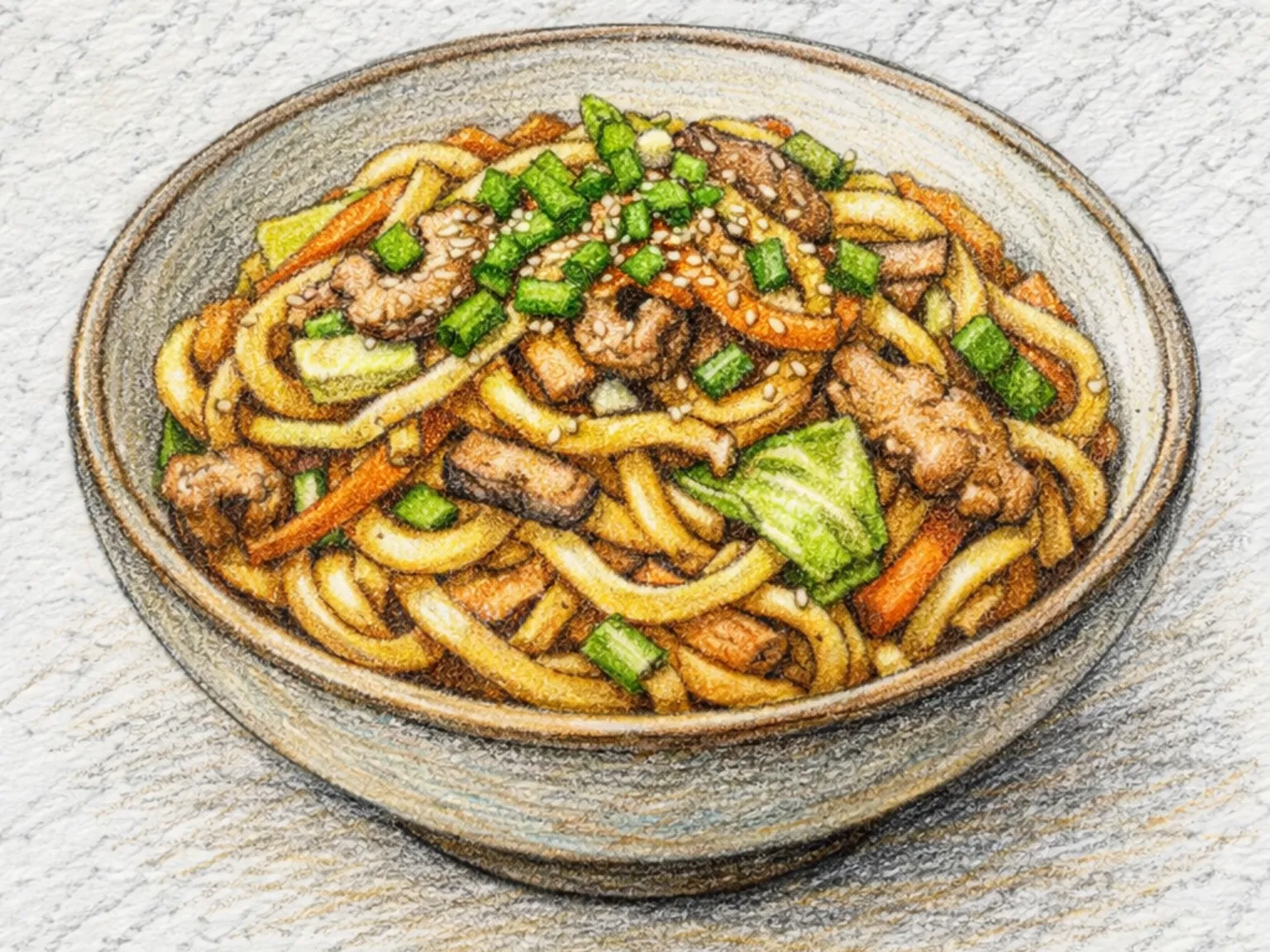
Kimchi butter udon is a fusion stir-fried noodle that pairs the tangy heat of aged kimchi with the richness of butter. Half the butter goes in first to saute onion and garlic, then chopped kimchi is stir-fried for two minutes to drive off moisture and deepen its flavor. Blanched udon noodles and soy sauce are tossed in on high heat until evenly coated, and the remaining butter is melted off-heat so its aroma stays vivid on the finished noodles. A soft-cooked egg placed on top breaks into a creamy sauce when mixed in, while seaweed flakes and sliced scallion add crunch and freshness. The whole dish comes together in about twelve minutes, making it a reliable quick lunch.

🏠 Everyday🌙 Late Night
Prep 10minCook 12min2 servings
Singapore Rice Noodles (Curry-Spiced Stir-Fried Vermicelli with Shrimp)
NoodlesEasy

Singapore Rice Noodles (Curry-Spiced Stir-Fried Vermicelli with Shrimp)

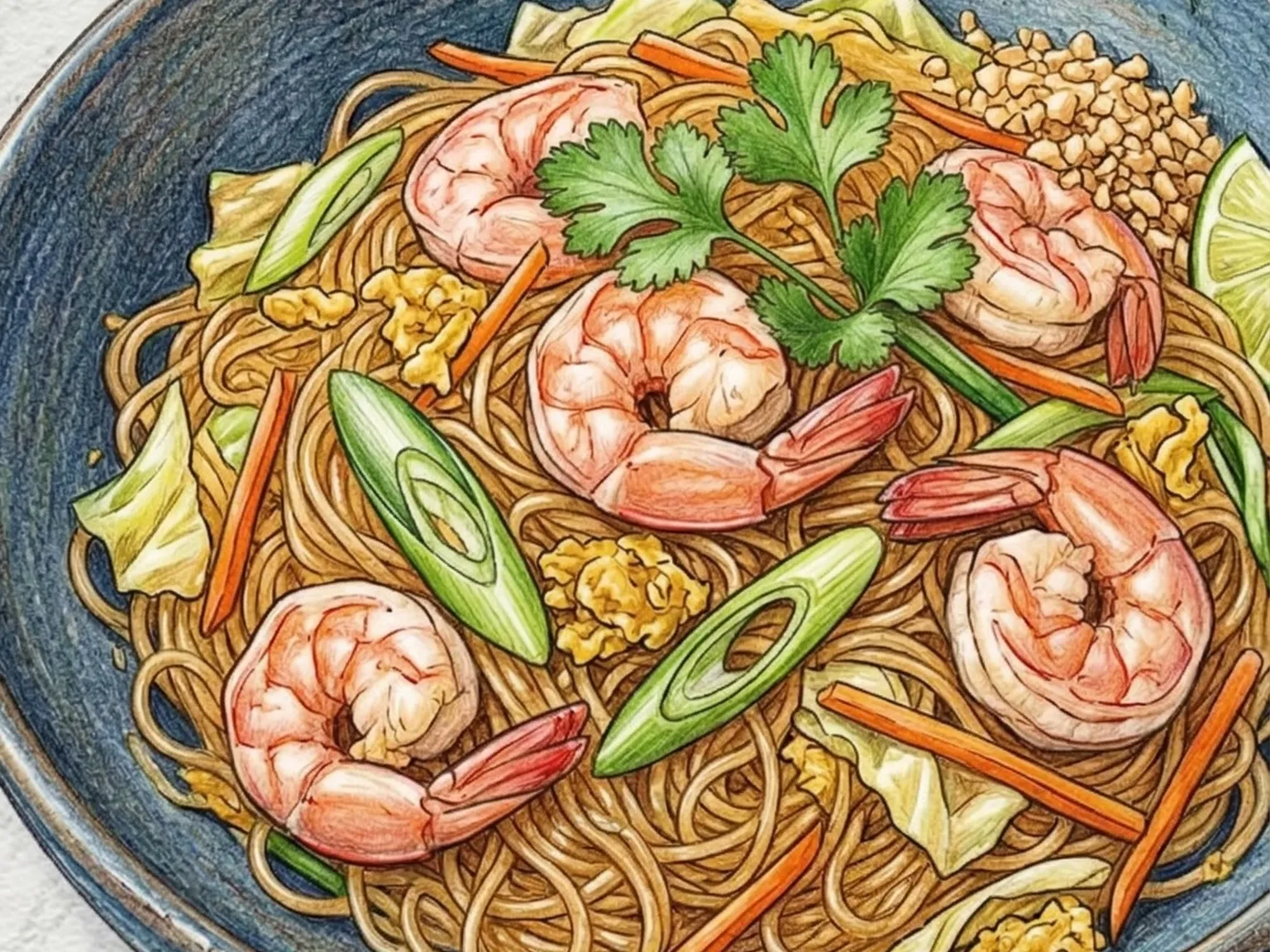
Singapore rice noodles are a Cantonese-style stir-fry of thin rice vermicelli tossed with curry powder, shrimp, and mixed vegetables over high heat. The curry powder is bloomed in hot oil at the edge of the wok to unlock its full aroma before being mixed into the noodles. Soy sauce adds seasoning depth, and bean sprouts go in during the last thirty seconds to keep their crunch. Soaking the vermicelli for only eight minutes prevents the noodles from breaking apart during stir-frying.

🏠 Everyday🌙 Late Night
Prep 15minCook 12min2 servings
Hakka Noodles (Indo-Chinese Stir-Fried Noodles)
AsianEasy

Hakka Noodles (Indo-Chinese Stir-Fried Noodles)

Hakka noodles belong to the Indo-Chinese tradition, a culinary fusion born in Kolkata's Chinese community that has since spread across India. Egg noodles are boiled just short of fully done, rinsed in cold water, and tossed with a little oil so they stay separate during stir-frying. The vegetables, julienned into matchstick-thin strips of cabbage, carrot, and bell pepper, are tossed in a smoking-hot wok for barely two minutes to keep their crunch. Seasoning is deliberately minimal: soy sauce for saltiness, rice vinegar for a faint tang, and black pepper for warmth. The speed of the cooking matters more than the ingredient list; the intense wok heat creates a smoky char on the noodles that no amount of seasoning can replicate at lower temperatures. Spring onions are stirred in only after the heat is off, keeping their bite and fresh aroma intact.

🏠 Everyday🌙 Late Night
Prep 15minCook 10min2 servings
More Noodles