Pandesal Milk Rolls (Soft Filipino Bread with Crumb Coating)
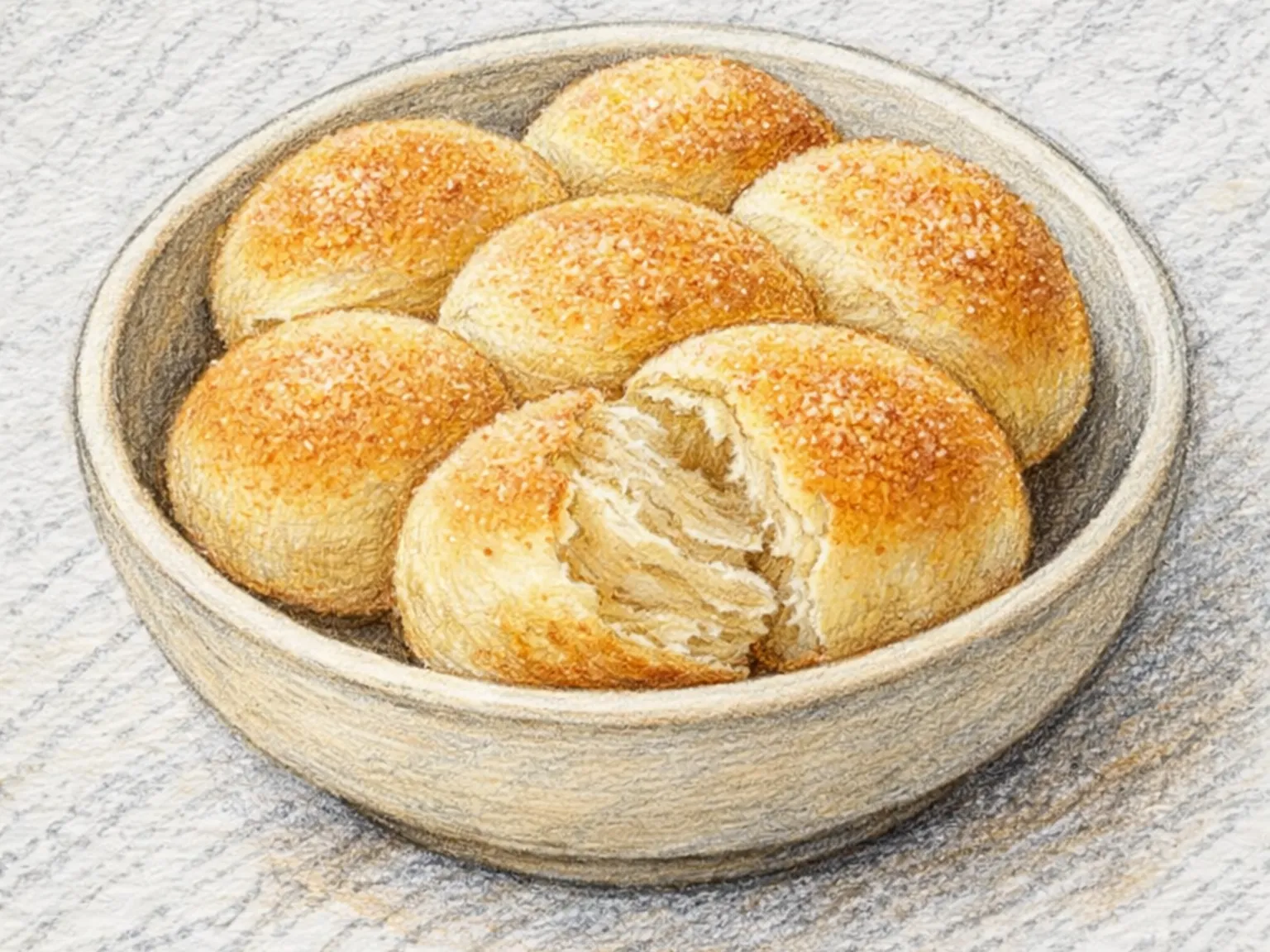
These small Filipino bread rolls are leavened with yeast and enriched with milk, producing an interior so soft it tears apart in cotton-like wisps. A coating of fine breadcrumbs on the outside adds a faintly sandy texture and a pale, matte appearance that distinguishes pandesal from other dinner rolls. The sweetness is deliberately understated, making the rolls versatile enough for jam at breakfast or sliced meat at lunch. Butter kneaded into the dough contributes richness without heaviness, and the crumb stays moist through the next day when stored in a sealed bag. Covering the rolls with a clean towel five minutes after baking traps steam and keeps them especially tender.
Adjust Servings
Instructions
- 1
Mix yeast and half the sugar into warm milk and let it bloom for 5 minutes.
- 2
Combine flour, remaining sugar, and salt, then add bloomed milk and egg to form a dough.
- 3
Knead in butter for 8-10 minutes until smooth and elastic.
- 4
Proof for 60 minutes in a warm spot until doubled.
- 5
Divide into 8 pieces, shape into balls, lightly moisten tops, coat with breadcrumbs, and place on a tray.
- 6
After a 25-minute second proof, bake at 190°C for 16-18 minutes until lightly golden.
As an Amazon Associate, we may earn from qualifying purchases.
Tips
Nutrition (per serving)
More Recipes

Brown Sugar Cinnamon Rolls
Brown sugar replaces white sugar in the filling of these cinnamon rolls, adding a molasses-like depth that elevates the pastry beyond the standard version. The yeast dough, enriched with milk, egg, and butter, rises into a soft and elastic sheet that rolls easily around the dark sugar and cinnamon filling. During baking, the brown sugar melts into a sticky caramel that clings to the spiraled layers. The resulting rolls are darker in color and richer in flavor, with a mineral sweetness that white sugar cannot provide. Cinnamon warmth permeates every layer from edge to center. A cream cheese glaze drizzled over the hot rolls introduces a tangy counterpoint that prevents the sweetness from becoming one-dimensional.

Ensaymada Cheese Bread (Filipino Sweet Cheese Brioche)
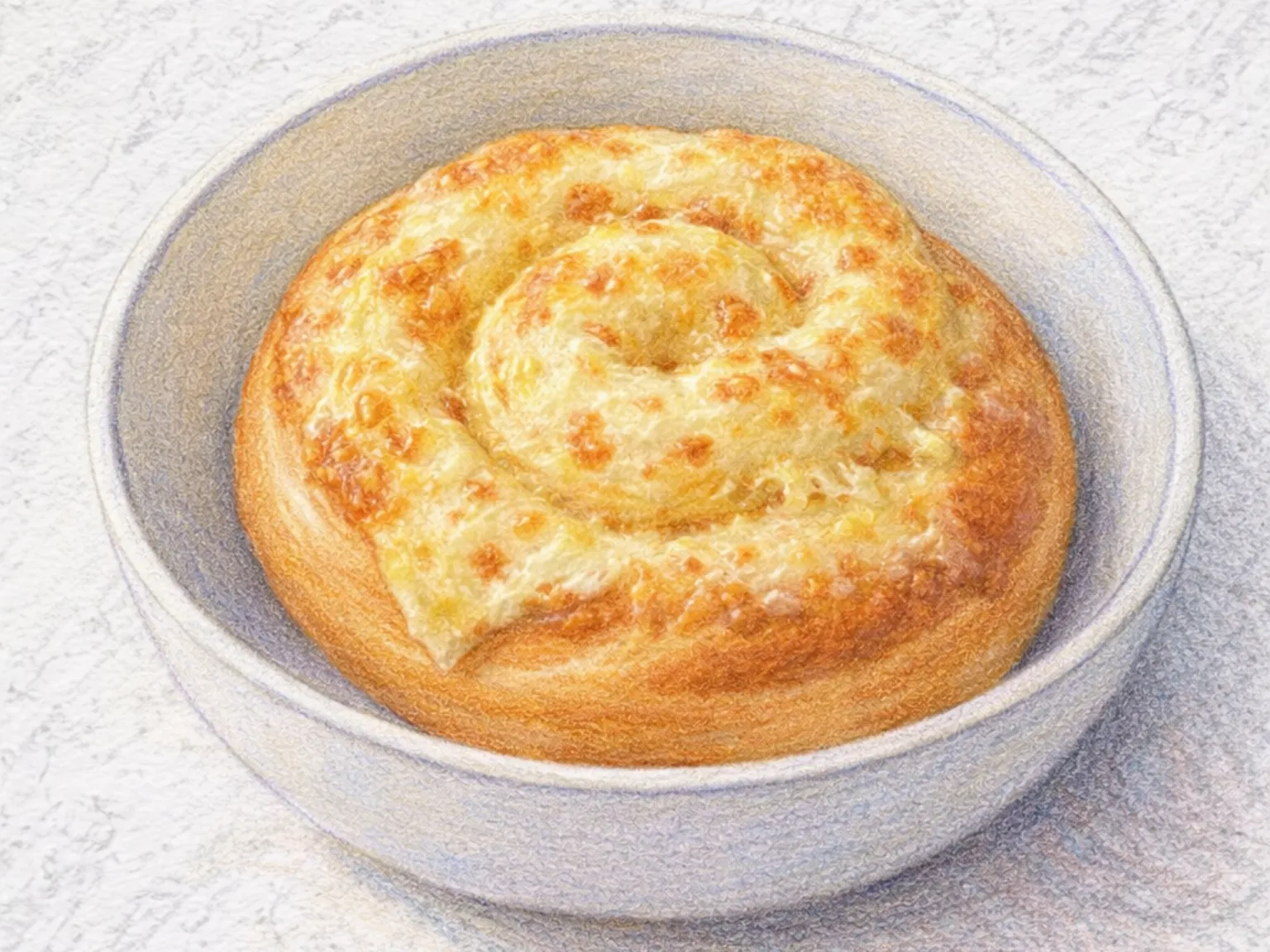
Ensaymada is a Filipino sweet brioche bread topped with butter, sugar, and grated cheese, descended from the Spanish ensaimada of Mallorca but transformed into something distinctly Filipino. The dough is enriched with eggs and butter, kneaded until smooth, and given a long rise that produces a pillowy crumb with a pull-apart, cotton-like texture when torn by hand. After baking, each bun is brushed with softened butter, rolled in sugar, and covered with a generous layer of grated cheddar or Edam cheese. The combination of sweet bread and salty cheese is central to the appeal and reflects a Filipino preference for contrasting flavors within a single bite. Ensaymada is most popular during Christmas, when bakeries produce them in large quantities, but it is eaten year-round as a breakfast bread with hot chocolate or coffee.

Dried Persimmon Cinnamon Rolls
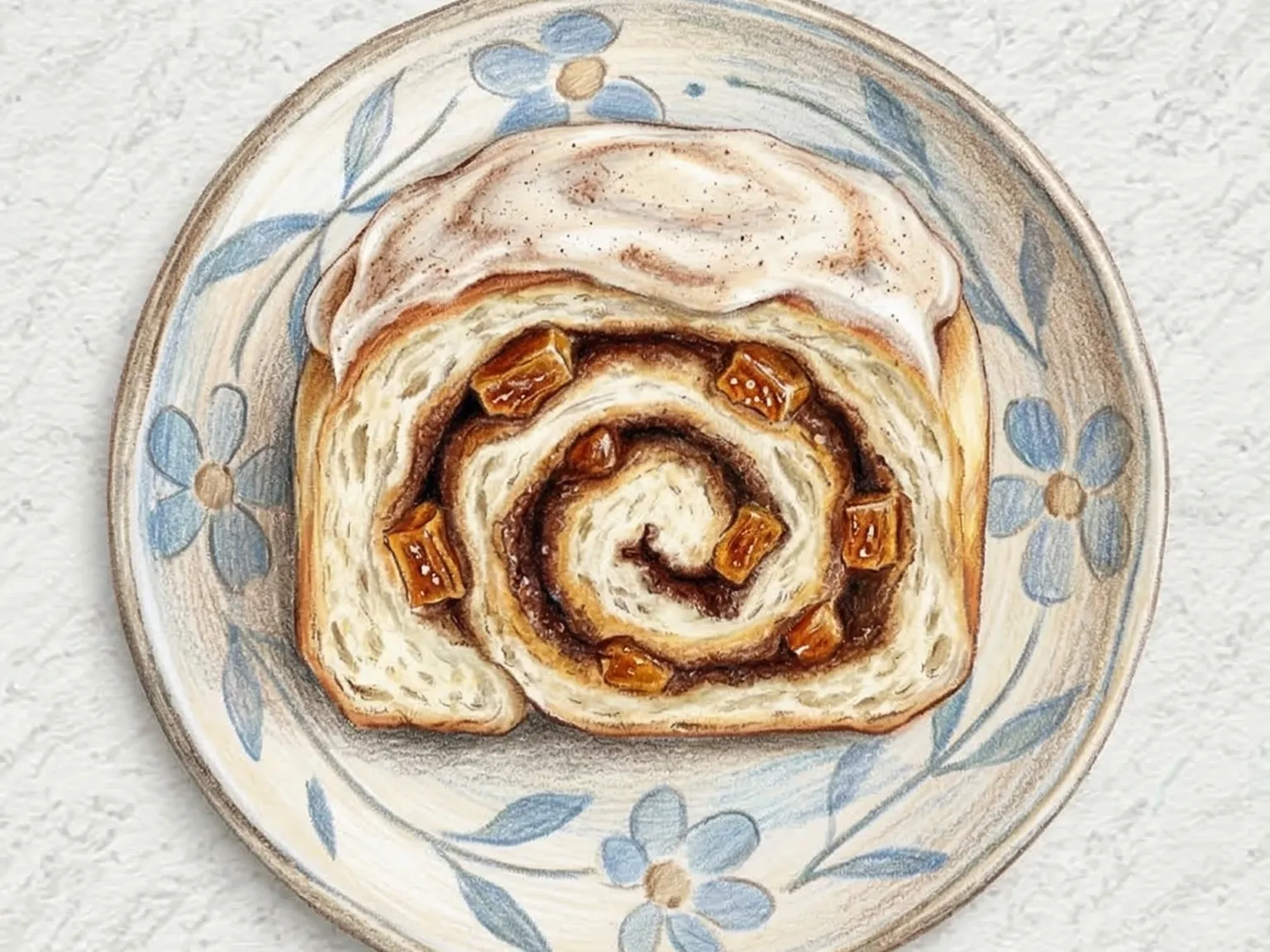
This fusion cinnamon roll replaces the standard raisin or brown-sugar filling with finely chopped gotgam, Korean dried persimmon. A soft, enriched yeast dough, close to brioche in richness, is rolled thin, spread with cinnamon sugar and the diced persimmon, then coiled, sliced, and baked until golden. Dried persimmon concentrates its sugars during the drying process, developing a caramel-like intensity that pairs with cinnamon in a way reminiscent of sujeonggwa, the traditional Korean cinnamon-persimmon punch. Slicing into a baked roll reveals the persimmon pieces spiraling through the layers, so each pull-apart strip delivers a pocket of soft, jammy fruit. A drizzle of cream cheese glaze across the top introduces tangy acidity that offsets the concentrated sweetness. The buttery fragrance of the yeasted dough and the persimmon's natural depth create a pastry that feels both familiar and distinctly Korean.

Salt Bread (Sogeum-ppang - Korean Bakery Butter Roll)
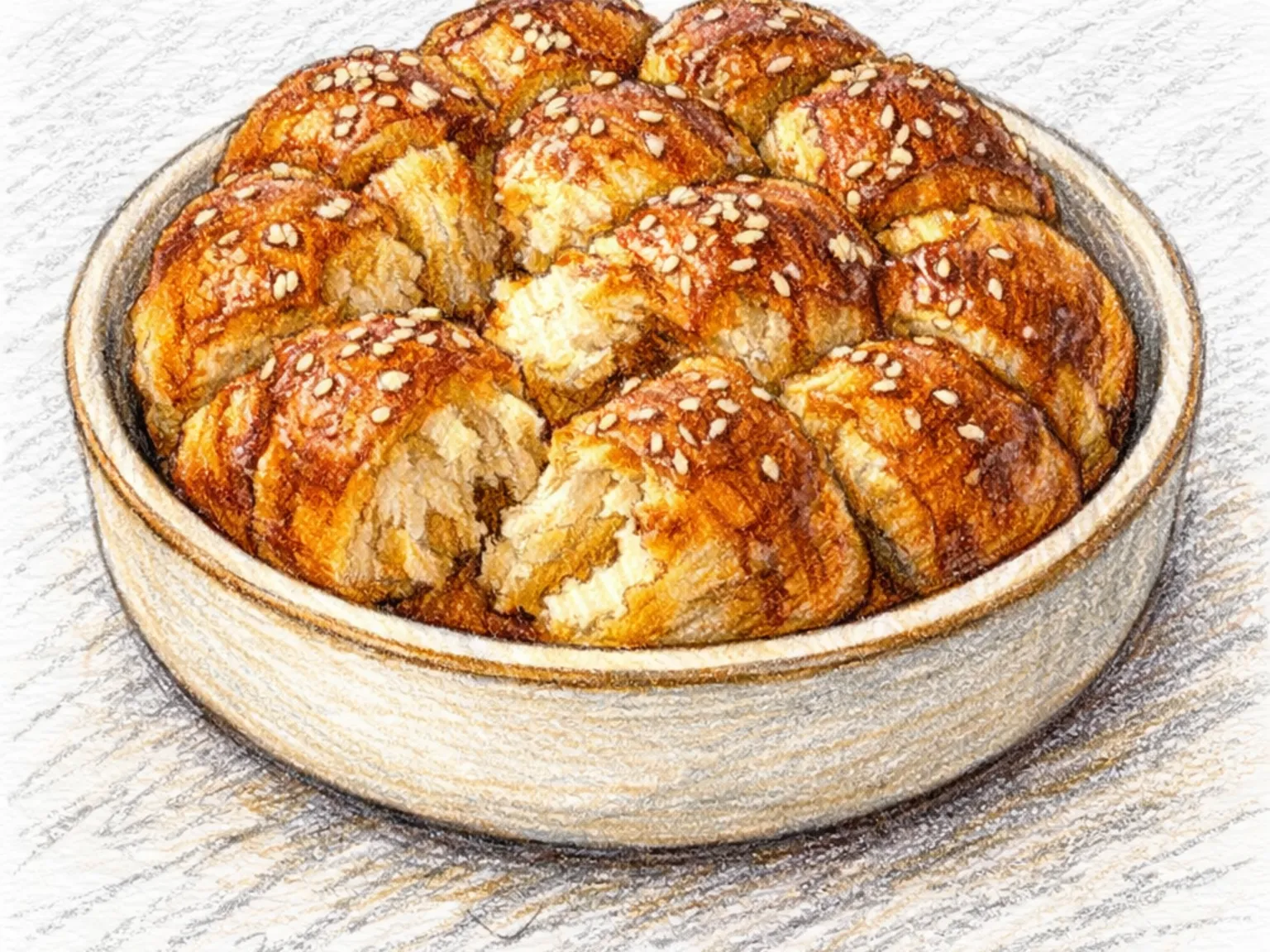
Salt bread is a Korean bakery favorite built on a simple premise: yeasted dough enriched with milk is wrapped around a plug of cold butter, shaped into a tapered roll, and baked at high heat. The butter melts during baking and saturates the crumb from the inside out, while the exterior develops a thin, crackling crust. Coarse salt sprinkled on top before the oven amplifies the butter's richness and adds sharp, crystalline bites that punctuate each mouthful. A full second proof is essential - underproofed dough bakes dense and heavy - and a hot oven ensures the outside crisps before the interior dries out. Eaten warm, when the melted butter is still pooled inside the crumb, the bread delivers its full impact: salty, buttery, and gone in four bites.

Lumpiang Shanghai (Filipino Deep-Fried Pork Spring Rolls)
Lumpiang Shanghai is the spring roll that shows up at every Filipino celebration - birthdays, fiestas, and holiday gatherings alike. Ground pork is mixed with finely diced carrots, onions, and scallions, seasoned with soy sauce and black pepper, then rolled tightly in thin wrappers and fried until the exterior turns golden and audibly crisp. The rolls are cut into finger-length pieces and served with a sweet chili or vinegar dipping sauce. What makes them addictive is the contrast between the shattering shell and the well-seasoned meat inside, which stays juicy even as the outside crisps. They hold up remarkably well at room temperature, which is why trays of them disappear within minutes at any gathering.

Bicol Express (Filipino Pork Belly in Spicy Coconut Cream Stew)
Bicol Express is named after the railway line that once connected Manila to the Bicol region in southeastern Luzon - an area famous for its love of coconut and chili peppers. Thinly sliced pork belly simmers in a mixture of coconut milk and coconut cream with shrimp paste (bagoong), garlic, onion, and a generous amount of finger-length chilies and bird's eye chilies. The coconut milk reduces slowly over medium heat, splitting into oil as the liquid evaporates, at which point the pork begins to fry in the rendered coconut fat. The finished dish is nearly dry - the sauce has thickened into a creamy, oily coating that clings to the pork and chilies. The shrimp paste adds a deep, funky salinity beneath the coconut sweetness, and the chili heat builds over successive spoonfuls rather than hitting immediately. Despite its name suggesting a modern invention, the combination of coconut, chili, and fermented shrimp is an ancient Bicolano flavor profile. It pairs inseparably with steamed white rice, which absorbs the rich, spicy sauce.