Pasta alla Gricia (Roman Guanciale Pecorino Black Pepper Pasta)
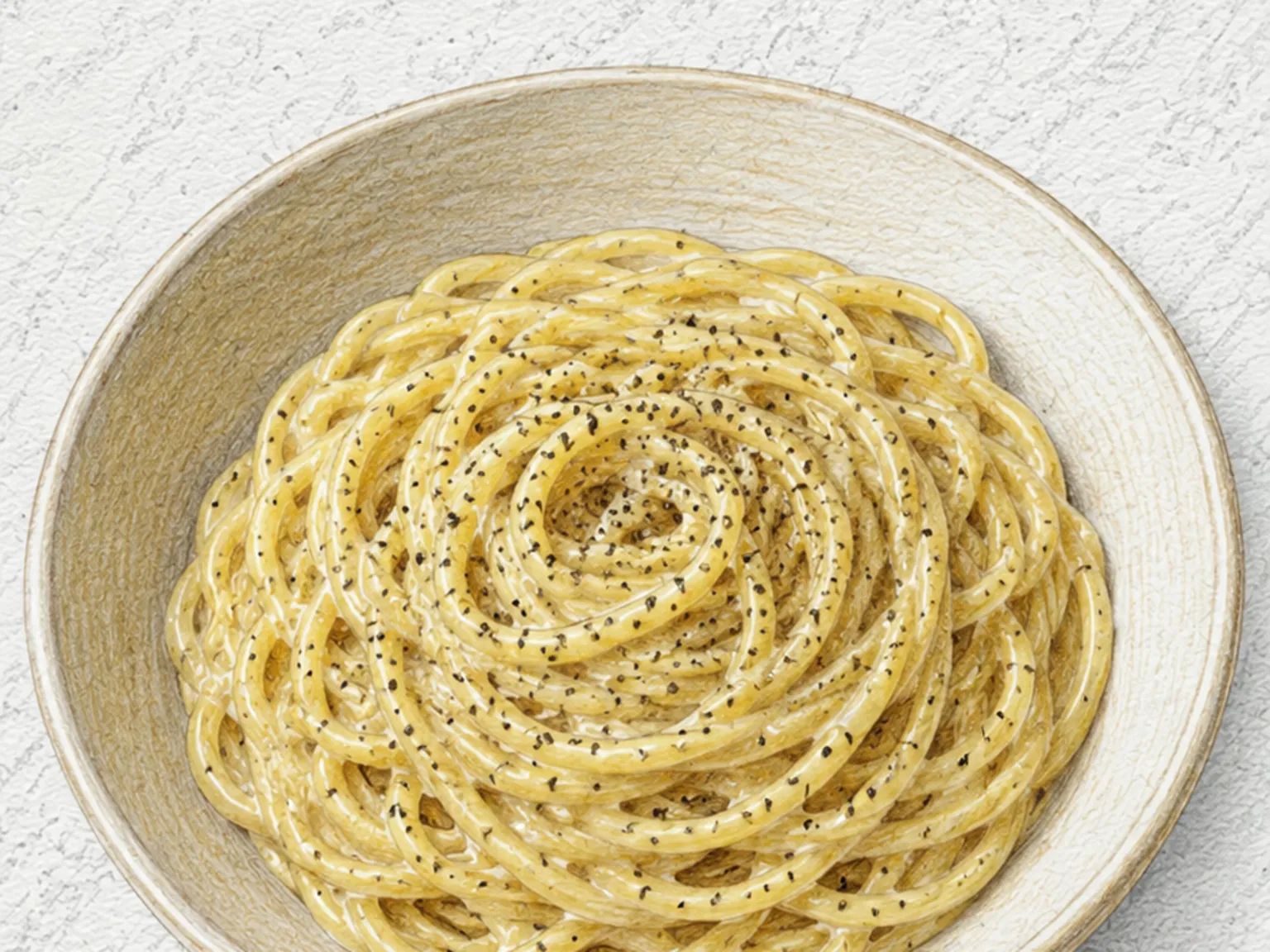
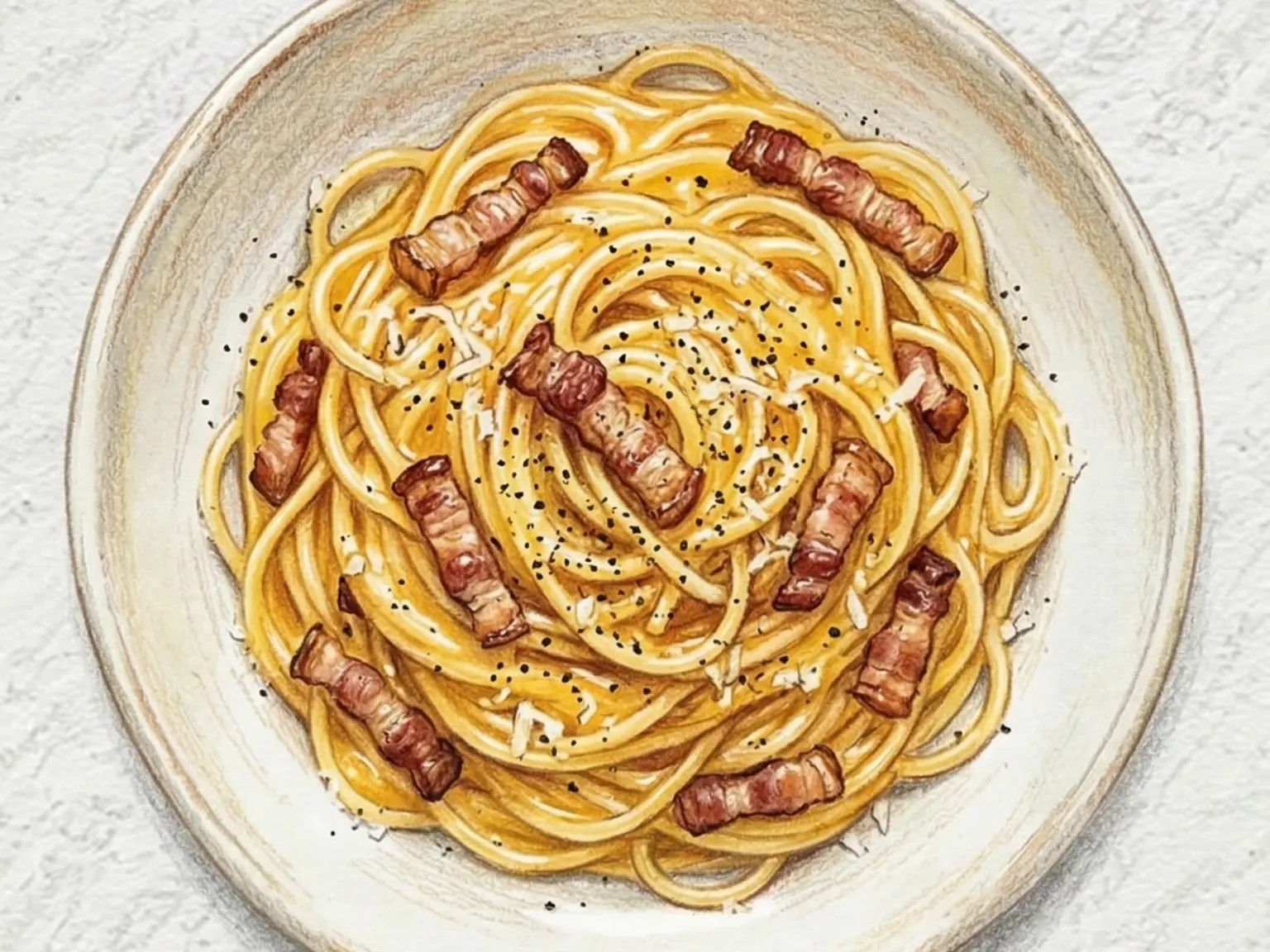
Pasta alla Gricia is one of Rome's four classic pastas, made with only guanciale, Pecorino Romano, and black pepper. The cured pork jowl is rendered slowly until crisp, and its fat becomes the foundation of the sauce. Cooked pasta and a splash of starchy pasta water are tossed with finely grated Pecorino to form a creamy emulsion without any cream. It is considered the ancestor of both carbonara and amatriciana, predating the introduction of tomato and egg to those dishes.
Adjust Servings
Instructions
- 1
Slice guanciale into strips and render slowly until crisp.
- 2
Cook spaghetti in salted water until al dente.
- 3
Add cooked pasta and 1/2 cup pasta water to the guanciale pan.
- 4
Lower heat and toss with pecorino and black pepper rapidly.
- 5
Serve immediately once the sauce turns glossy and lightly thick.
As an Amazon Associate, we may earn from qualifying purchases.
Tips
Nutrition (per serving)
More Recipes

Pasta alla Genovese (Neapolitan Slow-Braised Onion and Beef Ragu)
Pasta alla Genovese is a Neapolitan slow-cooked ragu that uses a large volume of onions braised with beef chuck for at least two hours. No tomato is involved; the sauce draws all its sweetness from caramelized onions and depth from white wine and the rendered beef fat. The finished ragu has a thick, almost jam-like consistency with shredded meat folded throughout. Ziti is the traditional pasta shape, served with a generous dusting of Parmigiano-Reggiano.

Spaghetti Carbonara
Carbonara is a Roman pasta built on four core ingredients: guanciale, egg yolks, Pecorino Romano, and black pepper. The guanciale is rendered until crisp, and its fat becomes the base of the sauce. Off the heat, a mixture of yolks and grated cheese is tossed with the hot pasta and starchy cooking water to form a glossy emulsion - no cream involved. The dish takes under 25 minutes from start to finish, though temperature control at the sauce stage is critical to avoid scrambling the eggs.

Penne alla Vodka
Penne alla vodka combines tomato puree, heavy cream, and a splash of vodka into a smooth, coral-colored sauce. The vodka helps release flavor compounds in the tomato that are not soluble in water or fat alone, then cooks off to leave only a subtle warmth. Butter-softened onions and a pinch of chili flakes round out the base before cream is stirred in on low heat. The tubular shape of penne catches the thick sauce inside each piece.

Pasta Bolognese
Pasta Bolognese is a slow-simmered meat ragu from Bologna, built on a soffritto of onion, carrot, and celery cooked with ground beef and pork. Red wine deglazes the browned meat, and whole milk is added to soften acidity and tenderize the proteins. The sauce requires at least one hour of low heat to meld the flavors into a cohesive, concentrated ragu. Tagliatelle is the traditional pairing in Emilia-Romagna, served with freshly grated Parmigiano-Reggiano.

Pasta all'Amatriciana (Roman Guanciale Tomato Pasta)
Pasta all'Amatriciana originates from the town of Amatrice east of Rome and is built on the rendered fat of guanciale - cured pork jowl - which provides the deep, savory backbone of the entire dish. The guanciale is cooked slowly over low heat until its fat fully renders and the meat turns crisp, and this fat becomes the base of the tomato sauce. Hand-crushed whole tomatoes are simmered at medium heat until their raw acidity fades and a concentrated sweetness emerges. Chili flakes add a gentle warmth that lifts the sauce, while Pecorino Romano grated over the finished plate brings a sharp saltiness that sharpens every other flavor. Bucatini is the traditional pasta choice - its hollow center traps sauce inside, delivering consistent flavor in every bite.

Spaghetti Carbonara
Carbonara is a Roman pasta that relies on egg yolks, Pecorino Romano, and black pepper emulsified with hot pasta to form its sauce - no cream involved. Guanciale or bacon is rendered slowly over low heat to release its fat, which coats the drained spaghetti before the egg-cheese mixture is tossed in off the heat. The starch in reserved pasta water acts as the emulsifier that binds cheese protein and egg fat into a glossy, clinging sauce. Coarsely ground black pepper adds a sharp, aromatic edge over the rich base of cheese and cured pork. The dish must be served immediately because the sauce continues to thicken as it cools, losing the silky consistency that defines a properly made carbonara.