Charim

2686 Korean & World Recipes

2686+ Korean recipes, clean and organized. Ingredients to instructions, all at a glance.

Beijing Zhajiangmian (Northern Chinese Fermented Bean Paste Noodles)
Asian Medium

Beijing Zhajiangmian (Northern Chinese Fermented Bean Paste Noodles)

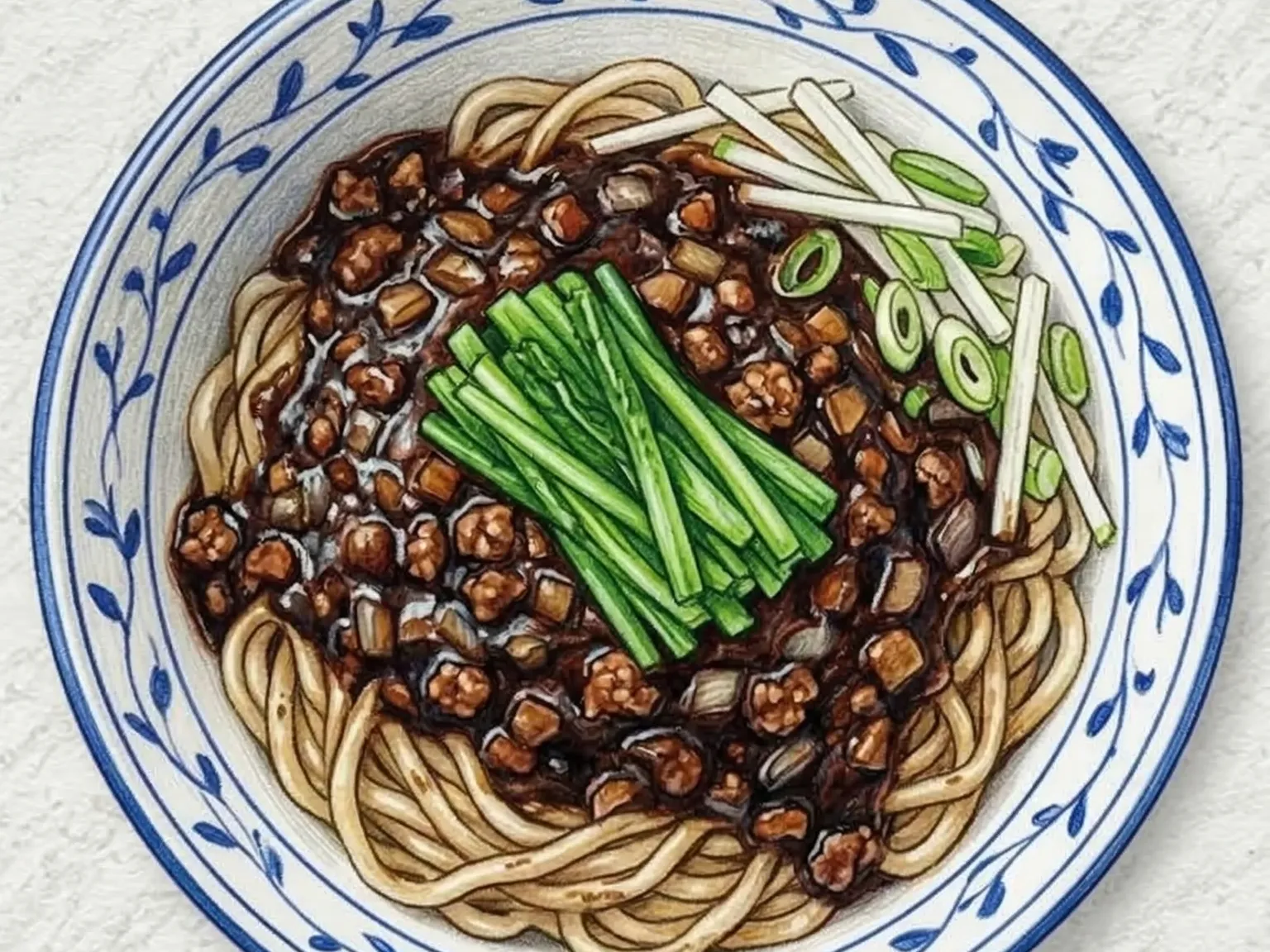
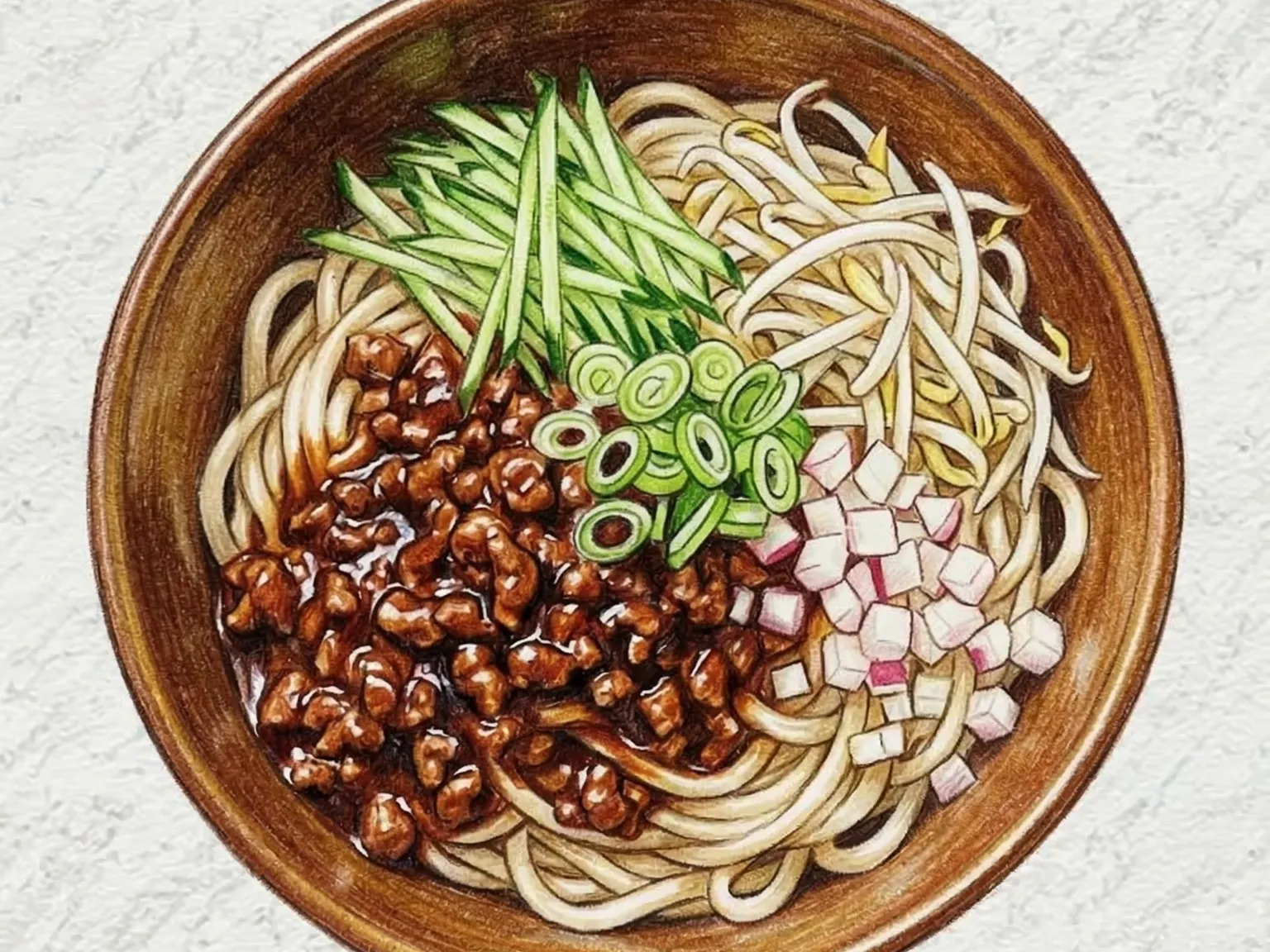
Beijing zhajiangmian is the northern Chinese ancestor of Korean jajangmyeon, though the two have diverged significantly in flavor and presentation. The sauce is built from ground pork stir-fried with huangjiang, a fermented soybean paste darker and saltier than miso, until the fat separates and the paste turns glossy. Thick hand-pulled or machine-cut wheat noodles form the base, and an array of raw garnishes - julienned cucumber, radish sprouts, bean sprouts, and shredded scallion - are arranged neatly on top. The dish is meant to be tossed vigorously at the table so the sauce coats every strand. The contrast between the warm, intensely savory paste and the cool, crisp vegetables defines the eating experience. In summer, the noodles are often rinsed in cold water before serving.

Prep 20min Cook 25min 4 servings

Adjust Servings

2servings
servings

Instructions

  1. 1

    Mix fermented soybean pastes with a little water to form a sauce base.

  2. 2

    Heat oil and saute chopped scallion until fragrant.

  3. 3

    Add ground pork and stir-fry until browned, then add the paste sauce.

  4. 4

    Add sugar and simmer 8-10 minutes until thick and glossy.

  5. 5

    Cook noodles, rinse in cold water for chewiness, and drain.

  6. 6

    Serve noodles with sauce, shredded cucumber, and blanched sprouts, then mix before eating.

🛒Shop Ingredients on Amazon

As an Amazon Associate, we may earn from qualifying purchases.

Tips

Reduce the sauce enough so it clings to noodles well.
Chilled toppings add a refreshing textural contrast.

Nutrition (per serving)

Calories
610
kcal
Protein
27
g
Carbs
79
g
Fat
21
g

More Recipes

Zhajiangmian (Chinese Black Bean Paste Noodles with Ground Pork)
NoodlesMedium

Zhajiangmian (Chinese Black Bean Paste Noodles with Ground Pork)

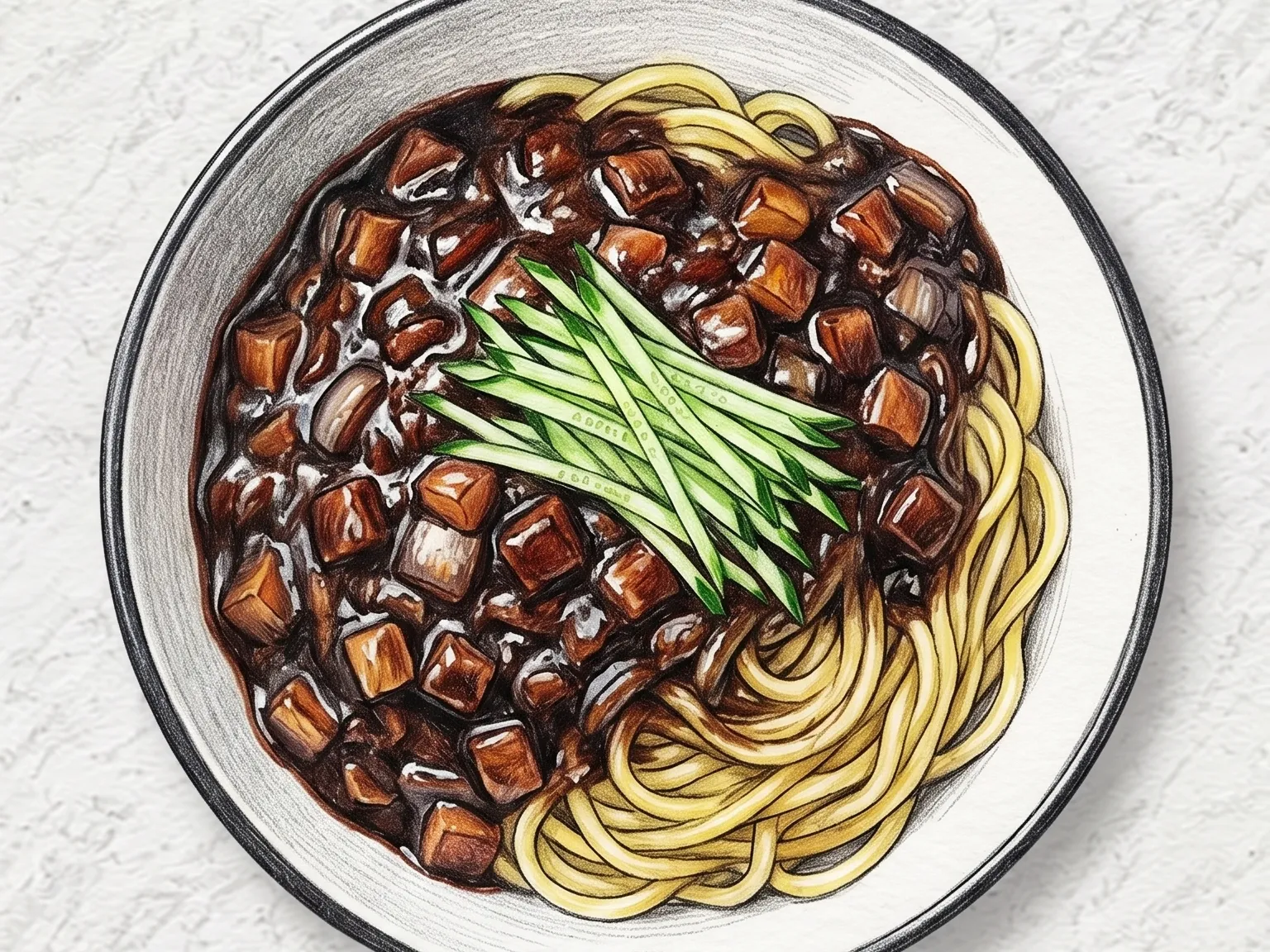
Zhajiangmian is a Chinese noodle dish built on a thick sauce of ground pork and onion stir-fried with chunjang, a fermented black bean paste. The paste must be fried thoroughly in oil to draw out its roasted, savory character and eliminate the raw bitterness it carries before cooking. Adding soy sauce and sugar, then simmering on low heat for five minutes, concentrates the sauce into a glossy, dark coating. Fresh wheat noodles are boiled, briefly rinsed, and drained so the sauce clings without being diluted. Julienned cucumber served on top provides a crisp, cool contrast that balances the dense, salty depth of the bean paste.

🏠 Everyday🌙 Late Night
Prep 20minCook 20min2 servings
Sesame Spicy Tantanmen (Chinese Creamy Sesame Chili Oil Noodle Soup)
AsianMedium

Sesame Spicy Tantanmen (Chinese Creamy Sesame Chili Oil Noodle Soup)

Tantanmen is a Chinese-origin noodle soup that combines a creamy sesame-based broth with the heat of chili oil to produce a bowl that is simultaneously nutty, spicy, and deeply savory. The broth begins with chicken stock into which sesame paste is whisked until fully dissolved, creating a thick, tan-colored liquid with a pronounced roasted-nut fragrance. Ground pork is fried separately with garlic, ginger, and doubanjiang-a fermented chili bean paste-until the meat is browned and crumbly, then spooned over the noodles as a rich, salty topping. Blanched bok choy adds a crisp, vegetal note that breaks up the heaviness of the broth, and a final drizzle of chili oil pools on the surface, releasing its fragrance with every sip. The noodles should be cooked just short of fully done so they maintain their chew in the hot liquid. Each component-sesame, chili, fermented bean, and pork-contributes a distinct layer of flavor, and the bowl rewards slow eating as they gradually merge.

🍺 Bar Snacks🎉 Special Occasion
Prep 15minCook 15min2 servings
Hakka Noodles (Indo-Chinese Stir-Fried Noodles)
AsianEasy

Hakka Noodles (Indo-Chinese Stir-Fried Noodles)

Hakka noodles belong to the Indo-Chinese tradition, a culinary fusion born in Kolkata's Chinese community that has since spread across India. Egg noodles are boiled just short of fully done, rinsed in cold water, and tossed with a little oil so they stay separate during stir-frying. The vegetables, julienned into matchstick-thin strips of cabbage, carrot, and bell pepper, are tossed in a smoking-hot wok for barely two minutes to keep their crunch. Seasoning is deliberately minimal: soy sauce for saltiness, rice vinegar for a faint tang, and black pepper for warmth. The speed of the cooking matters more than the ingredient list; the intense wok heat creates a smoky char on the noodles that no amount of seasoning can replicate at lower temperatures. Spring onions are stirred in only after the heat is off, keeping their bite and fresh aroma intact.

🏠 Everyday🌙 Late Night
Prep 15minCook 10min2 servings
Yangchunmian (Shanghai Clear Soy Broth Noodle Soup)
AsianEasy

Yangchunmian (Shanghai Clear Soy Broth Noodle Soup)

Yangchunmian is one of the most stripped-down noodle soups in Chinese cuisine, where a clear soy-seasoned broth and fresh wheat noodles are the entire focus. Chicken stock forms the base, seasoned with light soy sauce, a drizzle of sesame oil, and a dusting of white pepper. Chopped scallions float on top and blanched bok choy sits alongside the noodles - there is no meat, no elaborate garnish, nothing to distract from the broth itself. The critical finishing touch is a spoonful of scallion oil ladled over the surface, spreading an aromatic warmth across each bite. It has been a staple breakfast in Shanghai for generations.

🏠 Everyday🌙 Late Night
Prep 10minCook 12min2 servings
Biang Biang Mian (Xi'an Hand-Pulled Belt Noodles with Chili Oil)
AsianHard

Biang Biang Mian (Xi'an Hand-Pulled Belt Noodles with Chili Oil)

Biang biang mian takes its name from the sound the dough makes when the cook slaps it against the counter to stretch it into wide, belt-like ribbons - a technique practiced in Xi'an and across Shaanxi Province for centuries. The noodle dough is made from high-gluten flour and rested until pliable, then pulled by hand into strips as wide as a belt and as long as an arm, with an irregular thickness that creates varied chew in every bite. The cooked noodles are dressed with a simple topping of minced garlic, chili flakes, Sichuan peppercorn powder, and chopped scallion, over which smoking-hot rapeseed oil is poured at the table - the sizzle activates the aromatics and blooms the chili into a fragrant, rust-colored oil that coats each strand. Soy sauce and black vinegar are stirred through, adding a salty-sour backbone. The character of the biang biang - written in one of Chinese script's most complex characters with over fifty strokes - is said to encode the sounds of the kitchen: slapping dough, sizzling oil, and the satisfied sighs of eaters.

🎉 Special Occasion
Prep 35minCook 15min2 servings
Korean-Chinese Seafood Gravy Noodles
NoodlesMedium

Korean-Chinese Seafood Gravy Noodles

Ulmyeon is a Korean-Chinese noodle dish in which fresh wheat noodles are topped with a thick, white starch-thickened gravy loaded with seafood and vegetables. Shrimp, squid, and other shellfish give the gravy a pronounced umami backbone. Beaten egg is swirled into the sauce toward the end, adding body and soft curds throughout. Unlike jjamppong, the dish carries little to no chili heat. Preparation takes about 40 minutes, and getting the starch slurry to the right consistency is the most important step.

🏠 Everyday🌙 Late Night
Prep 20minCook 20min2 servings
More Asian →