Korean Bracken Fern Namul with Perilla
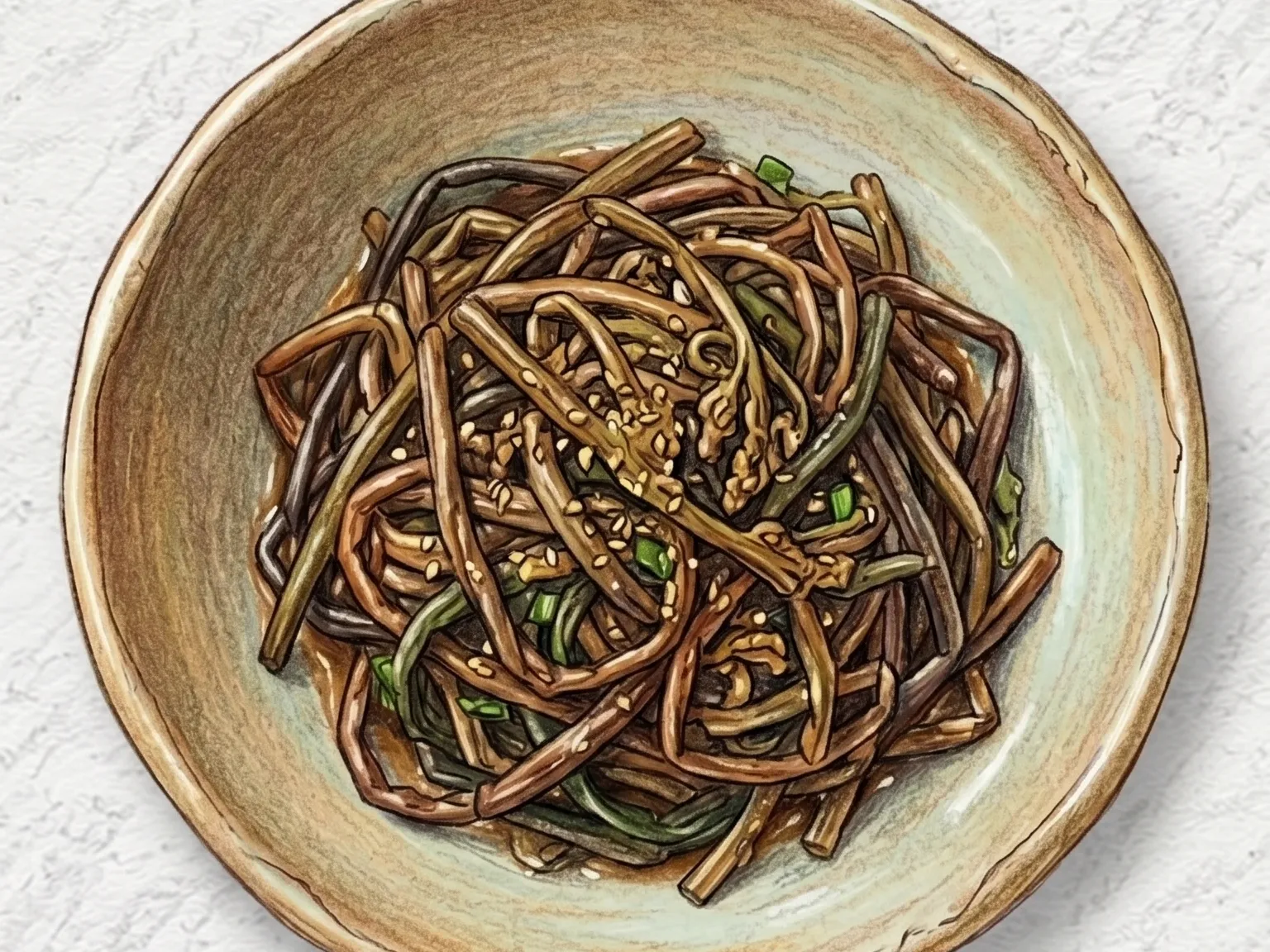
This perilla-scented bracken fern namul begins by pre-seasoning 250 grams of boiled bracken with soup soy sauce, minced garlic, and half the perilla oil for five minutes so the flavor seeps into the chewy fibers. Green onion is sauteed briefly in the remaining perilla oil to build an aromatic base before the seasoned bracken joins the pan for a two-minute stir-fry that drives off excess moisture. Adding water and ground perilla seeds, then simmering gently for five minutes, transforms the dish into a lightly sauced namul where every strand carries a nutty, earthy depth. Sesame seeds scattered at the end add a visual accent and a faint crunch that complements the bracken's dense chew.
Adjust Servings
Instructions
- 1
Cut bracken into 6 cm lengths and split thick stems by hand.
- 2
Season bracken with soup soy sauce, garlic, and half the perilla oil for 5 minutes.
- 3
Heat remaining perilla oil and sauté green onion for 30 seconds.
- 4
Add seasoned bracken and stir-fry for 2 minutes.
- 5
Add water and perilla powder; simmer gently for 5 minutes.
- 6
Turn off heat, sprinkle sesame seeds, and toss once to finish.
As an Amazon Associate, we may earn from qualifying purchases.
Tips
Nutrition (per serving)
More Recipes

Korean Fernbrake Namul with Doenjang
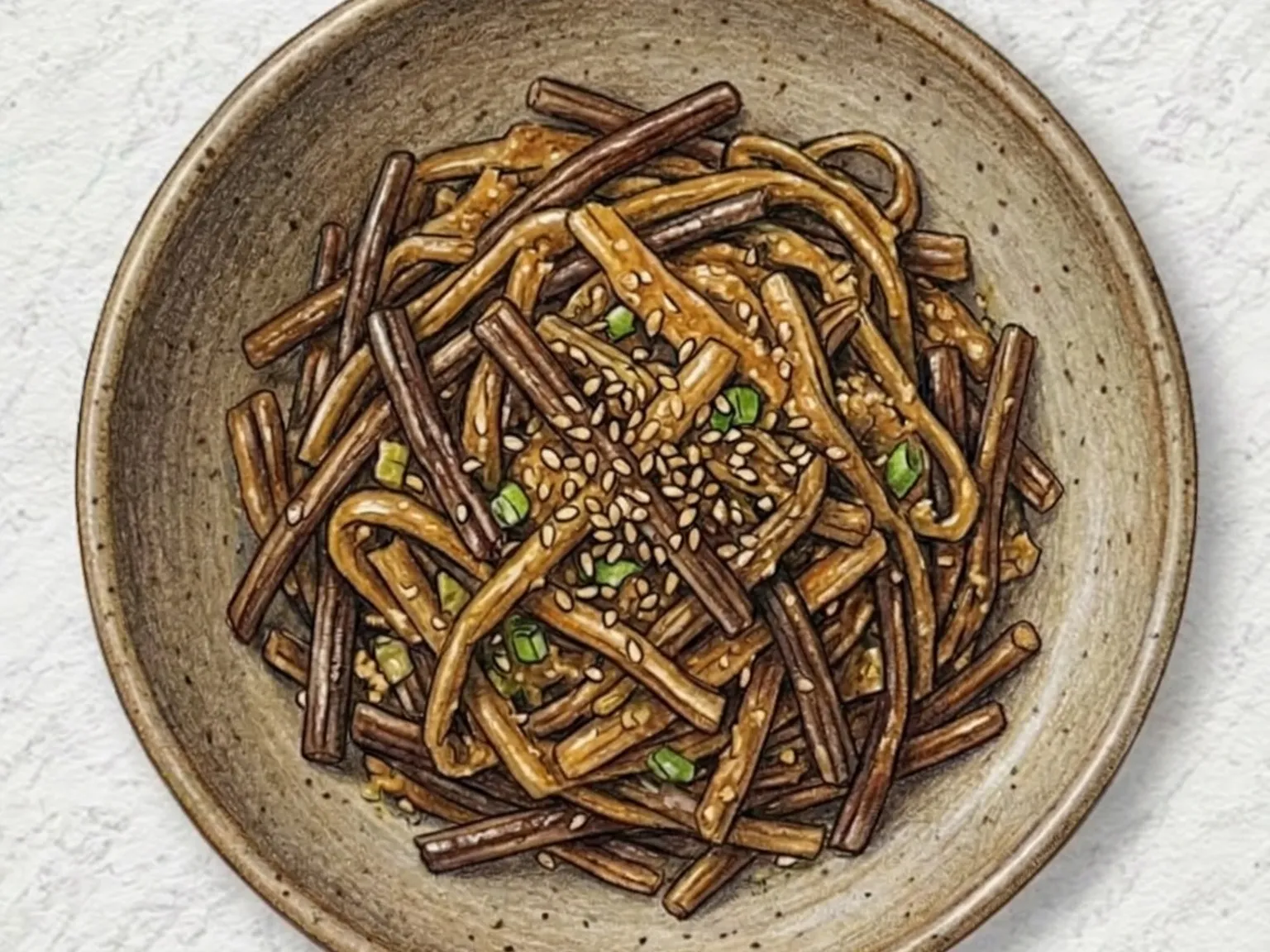
This doenjang variation of gosari namul replaces the soy-sauce-forward seasoning of the standard version with fermented soybean paste, producing a banchan with significantly more depth. Rehydrated and boiled bracken is stir-fried in perilla oil, then doenjang and soup soy sauce are added with a splash of water for a five-minute braise over medium-low heat. The paste's funky, fermented umami penetrates the fern's porous fibers, building a flavor density that the plain soy version cannot match. Perilla powder stirred in at the end transforms the remaining liquid into a thick, nutty coating around each strand. Richer and more layered than its soy-sauce counterpart, this namul delivers deep flavor when mixed into a bowl of steamed rice.

Korean Stir-fried Bracken Fern
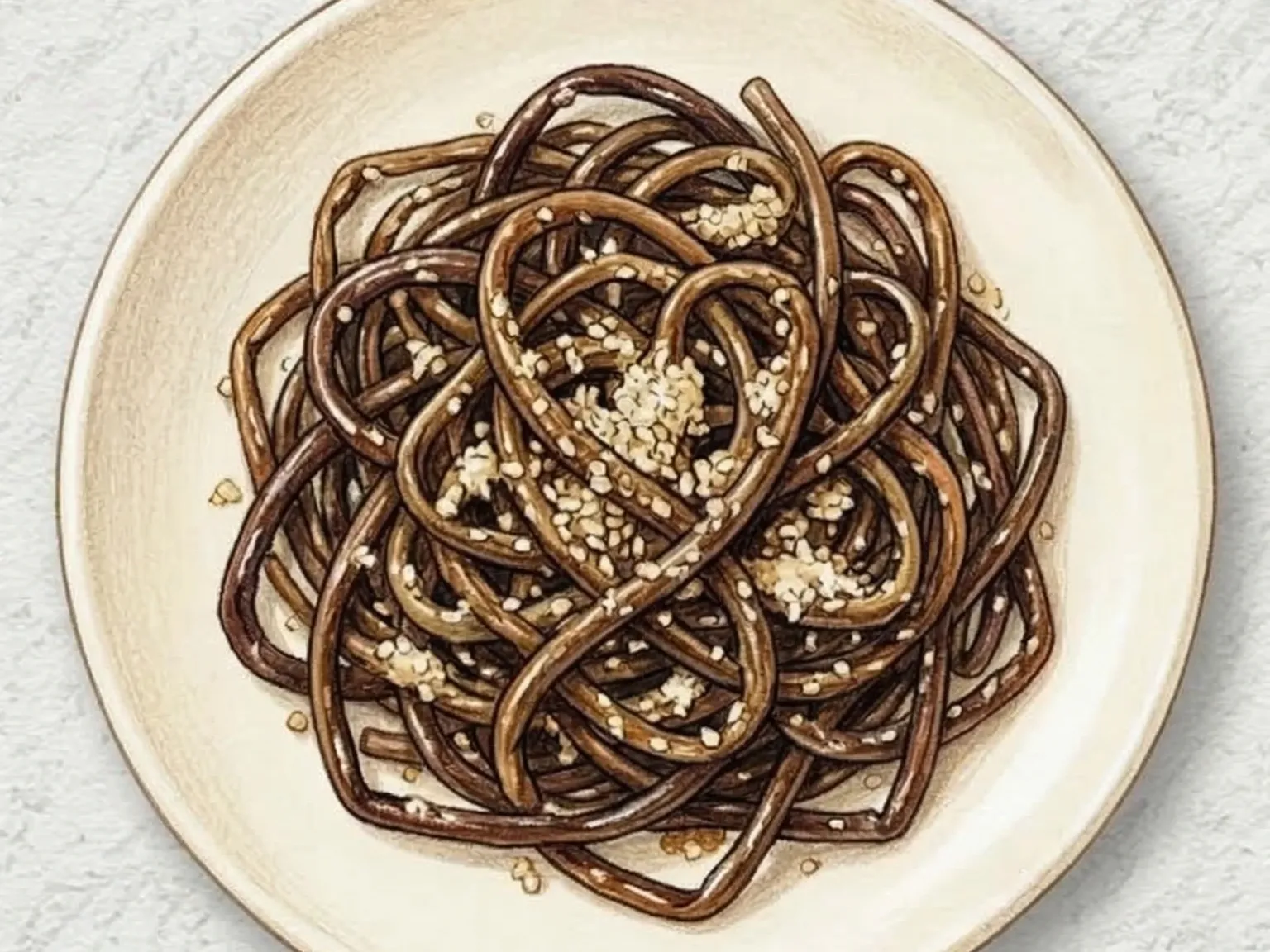
Gosari-bokkeum is a classic Korean side dish of rehydrated bracken fern stir-fried with soy sauce, minced garlic, and perilla oil. The fern absorbs the nutty perilla aroma during cooking, while soy sauce layers in a deep, earthy savoriness. Its texture stays tender with a slight bite, making it easy to eat alongside other dishes. Gosari-bokkeum is a staple component of bibimbap and appears on nearly every Korean holiday table as one of the essential namul dishes.

Korean Seasoned Napa Cabbage Namul
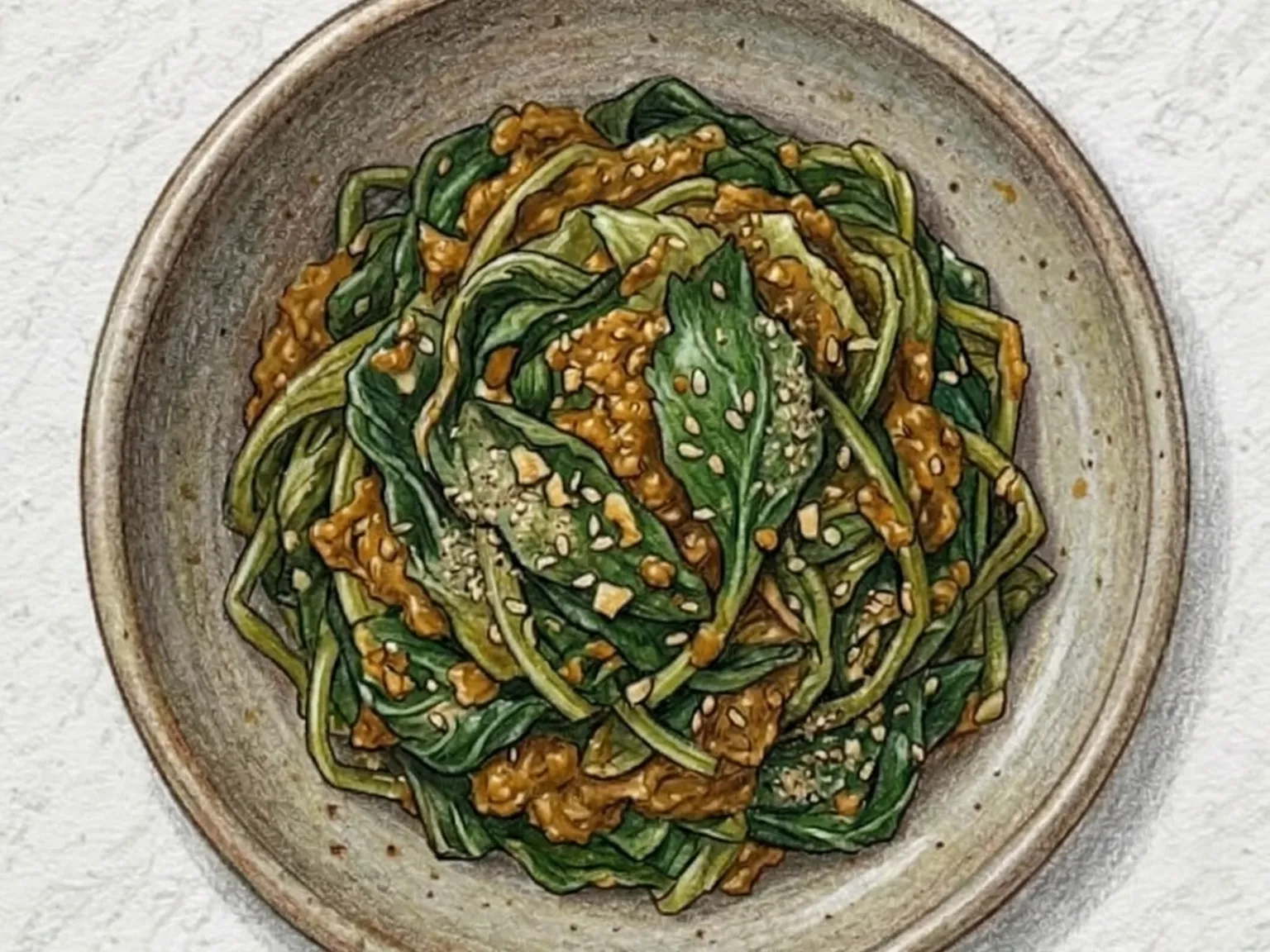
Boiled napa cabbage dressed with doenjang and perilla, passed down through generations of Korean home cooks. The cabbage boils two minutes - leaves collapse while white stems stay slightly firm - then is rinsed, squeezed, and cut. Perilla oil gives a distinctly herbal quality, and perilla powder thickens the dressing into a paste clinging to each piece. This quiet, understated banchan pairs well with clear soups and plain rice.

Korean Seasoned Bracken Fern
Gosari - bracken fern - is one of Korea's oldest foraged vegetables, with consumption records dating to the Three Kingdoms period. It is a mandatory component of bibimbap and a required dish on ancestral rite tables (jesa). Dried gosari must soak overnight and then boil until the tough fibers relax into a distinctive springy chew. The rehydrated fern is stir-fried in perilla oil with garlic, then briefly braised with soup soy sauce and a splash of water. Perilla oil rather than sesame is the traditional choice because its herbal note pairs more naturally with gosari's woodsy, forest-floor flavor. Koreans prepare large batches during holidays and eat it over several days.

Korean Seasoned Perilla Sprout Namul
Kkaetsun-namul-muchim uses young perilla shoots rather than the mature leaves, blanched and dressed with doenjang and perilla oil. Kkaetsun has more tender stems and a more concentrated aroma than full-grown kkaennip, and it appears in traditional markets mainly from summer into early autumn. Trimming the thick lower stems and blanching for just forty seconds preserves the fragrance while softening the fibrous stalks. Hand-dressing with doenjang, soup soy sauce, garlic, and deulgirum (perilla oil) creates a double layer of herbal nuttiness - the fermented paste's earthy umami meeting the shoot's intense green perfume. Perilla oil is preferred over sesame oil here because it belongs to the same botanical family as the shoots, creating a more harmonious pairing. This seasonal namul is a strong alternative when you want something beyond the usual sigeumchi (spinach).

Korean Bracken Fern Pickles
Gosari jangajji is a Korean pickle of boiled bracken fern submerged in a brine made from dark soy sauce, vinegar, sugar, and rice wine. The bracken's earthy, nutty aroma layers with the soy umami to create a flavor that deepens with every chew. Though softened by prolonged boiling, the fern stems retain enough fiber to give a pleasantly chewy, springy bite. Dried chili and garlic add quiet warmth to the brine, and the vinegar cuts through bracken's heavier earthy notes to leave a clean finish. Refrigerated, this jangajji keeps for over a week, making it a practical banchan to have ready in the kitchen.