Deulkkae Kkul Muffins (Perilla Honey Muffins)
Quick answer
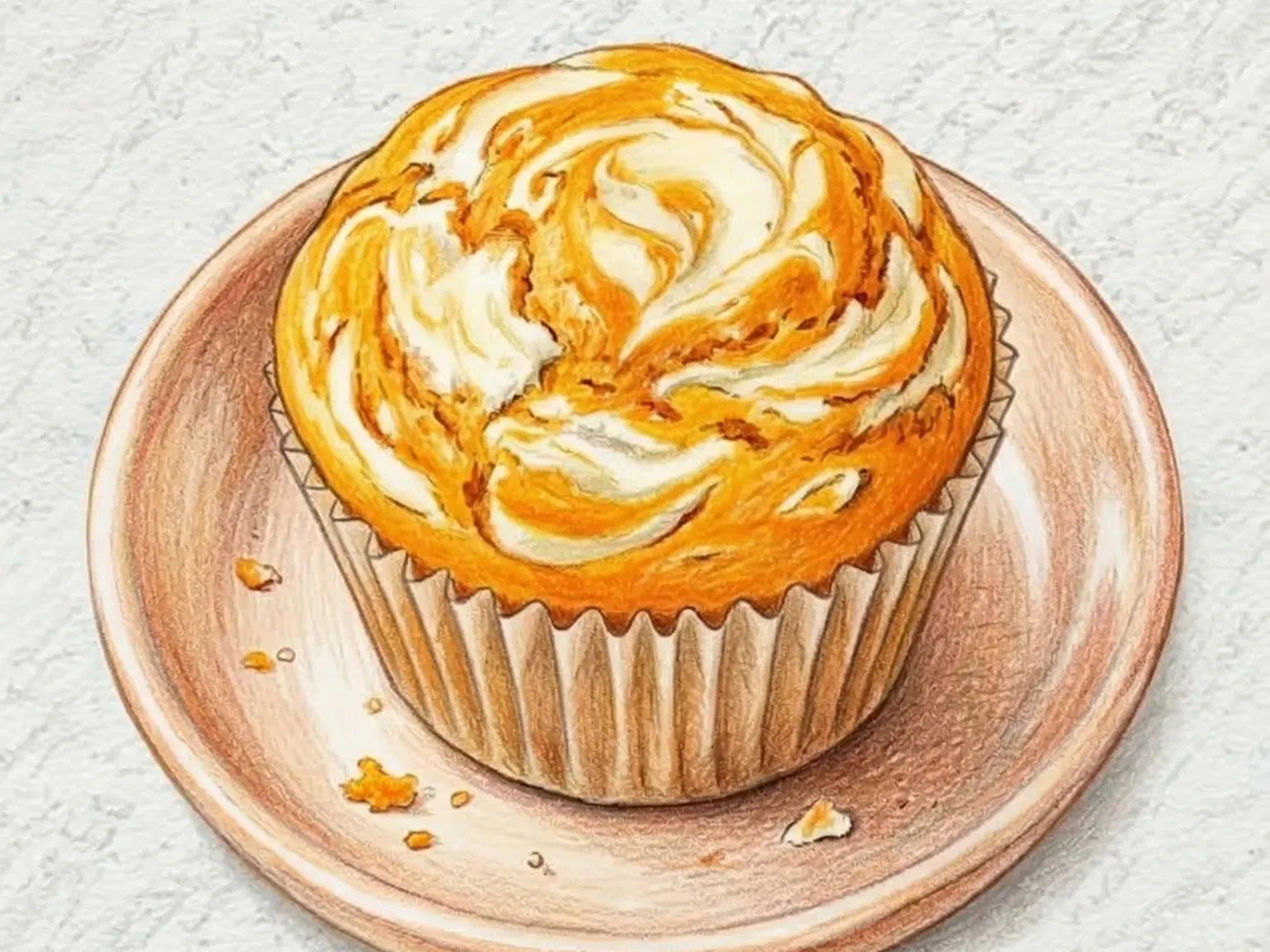
Ground perilla seeds are folded into a quick muffin batter alongside honey and brown sugar, creating a Korean-inspired bake with a pronounced nutty fragrance and gentle sweetness.
What makes this special
- Perilla seed muffins blend ground deulkkae with honey and brown sugar for a nutty, Korean-style bake.
- 30g toasted perilla powder creates a nutty aroma that lingers with every chew
- Honey and brown sugar together add caramel depth beyond simple sweetness
Key ingredients
Core cooking flow
- 1 Preheat the oven to 180C until it is fully hot, and line a 6-cup muffin tray with paper cups.
- 2 In one bowl, combine 170 g all-purpose flour, 30 g ground perilla seeds, 6 g baking powder, and 2 g salt.
- 3 In another bowl, loosen 1 egg first, then add 110 ml milk, 55 g honey, 45 ml...
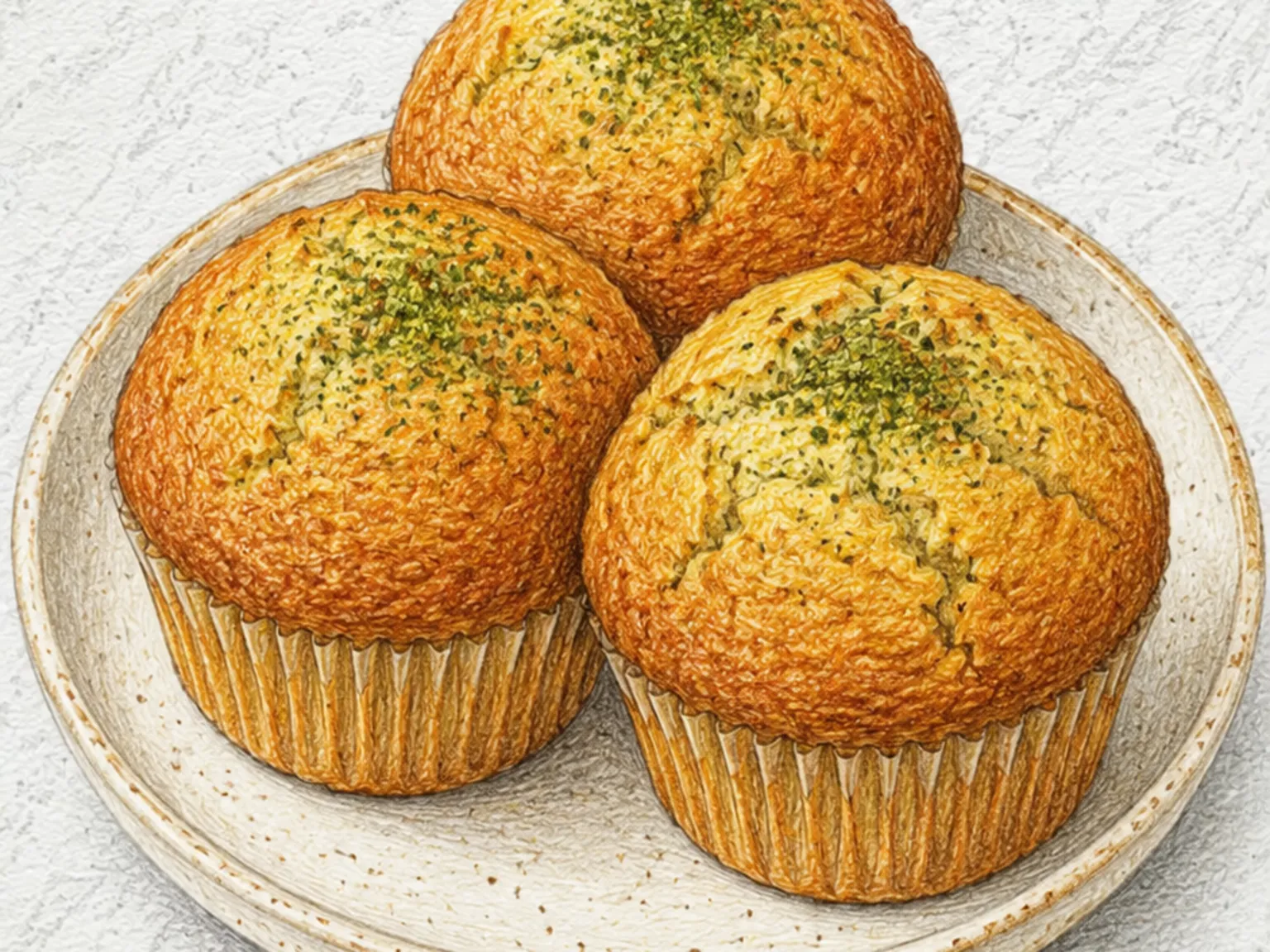
Ground perilla seeds are folded into a quick muffin batter alongside honey and brown sugar, creating a Korean-inspired bake with a pronounced nutty fragrance and gentle sweetness. The perilla flavor is warm and toasty, somewhere between sesame and fresh herbs, and it builds with each bite rather than fading. Honey keeps the crumb moist without making it heavy, and neutral oil replaces butter so the perilla aroma stays at the forefront. Mixing the batter in only ten to twelve strokes is critical: overmixing toughens the gluten and dulls the texture. A light sprinkle of perilla powder on top before baking gives each muffin a visual cue and an extra burst of fragrance when broken open. They pair well with grain lattes, where the roasted notes in the drink echo the seed's toasted character.
Instructions
Read the steps as a cooking flow: prep, heat, seasoning, doneness control, and finish.
- 1Prep
Preheat the oven to 180C until it is fully hot, and line a 6-cup muffin tray with paper cups.
Set the tray on a stable surface before mixing so the batter can go in promptly.
- 2Season
In one bowl, combine 170 g all-purpose flour, 30 g ground perilla seeds, 6 g baking powder, and 2 g salt.
Whisk just until the color looks even and any small flour or perilla clumps are broken up.
- 3Season
In another bowl, loosen 1 egg first, then add 110 ml milk, 55 g honey, 45 ml neutral oil, and 35 g brown sugar.
Whisk until the honey disperses and the sugar grains feel smaller.
- 4Prep
Pour the wet mixture into the dry bowl at once and fold from the bottom with a spatula.
Stop within 10 to 12 strokes while a few pale streaks remain, because extra mixing makes the muffins tough.
- 5Heat
Divide the batter among the 6 cups, filling each about 80 percent full, and sprinkle a little ground perilla on top.
Bake at 180C for 20 to 22 minutes, until the tops rise and look lightly set.
- 6Step
Insert a skewer into the center; remove the muffins when no wet batter clings to it.
Leave them in the tray for 5 minutes, then move them to a rack so the crumb stays moist, not soggy.
After the steps
Pick a recipe that fits this dish.
Continue with shared ingredients, meal pairings, or a similar method.
Recipes That Go Well With This
More Baking →Based on shared ingredients and meal pairing
Injeolmi Crumble Muffins (Roasted Soybean Crumble Top)
Injeolmi crumble muffin takes the roasted soybean powder that coats injeolmi rice cakes and builds it into both the muffin batter and the crumble topping, translating a beloved Korean rice cake flavor into a baked format. The batter is soft and moist throughout, carrying a mild nuttiness that runs from the first bite to the last, while the crumble on top bakes into crunchy, sandy clusters that shatter when bitten - a textural contrast between the pillow-soft interior and the crisp crown that defines each mouthful. Sweetness is kept deliberately moderate, making these appropriate as an after-school snack for children while remaining interesting for adults who appreciate the depth of roasted grain flavors. Paired with a grain latte or a misutgaru drink, the shared soybean-and-roasted-grain family of flavors amplifies in a way that plain coffee or tea cannot replicate. Each muffin fills the kitchen with a roasted, faintly popcorn-like aroma as it bakes, a signal that the soybean powder is developing the same toasty character it has on traditional injeolmi.
Red Bean Baked Doughnuts (Oven-Baked Doughnuts with Bean Paste)
These baked doughnuts encase a core of sweetened red bean paste inside a soft, cake-like crumb, delivering the satisfaction of a filled doughnut without any frying. The batter is spooned halfway into a greased doughnut mould, a teaspoon of chilled red bean paste is placed on top, and more batter seals it in before baking. The result is a ring with a fluffy exterior and a hidden pocket of dense, earthy-sweet filling that reveals itself on the first bite. Because the recipe relies on cake flour and baking powder rather than yeast, the entire process from mixing to cooling takes under forty minutes. Minimal stirring is essential - overworking the batter activates too much gluten and turns the finished doughnut tough instead of tender. Keeping the bean paste cold before assembly prevents it from melting into the surrounding batter and losing its distinct layer. The absence of oil gives these doughnuts a remarkably clean finish, making them well suited as a light afternoon snack.
Korean Dalgona Coffee (Whipped Instant Coffee Foam Milk)
Dalgona coffee is made by whipping equal parts instant coffee, sugar, and hot water with a hand mixer for three to five minutes until stiff, caramel-colored peaks form, then spooning the foam over iced milk. The whipped layer carries a concentrated, bittersweet coffee flavor that gradually blends into the cold, neutral milk below as you stir. A light dusting of cocoa powder on top introduces a faint chocolate note, and increasing the sugar slightly helps the whipped cream hold its stiff structure longer.
Yuja Madeleines (Brown Butter Citrus French Shell Cakes)
These yuja madeleines rely on brown butter for a deeply nutty base that elevates the batter beyond a standard madeleine. About 35 grams of yuja marmalade is folded directly into the mixture, distributing bright citrus oil and small shreds of peel throughout each shell-shaped cake. A 30-minute rest in the refrigerator helps develop the signature madeleine hump during baking. The two-stage bake - 3 minutes at 200 degrees Celsius followed by 8 to 9 minutes at 180 degrees - crisps the thin edges while keeping the center moist and springy. A small measure of lemon juice reinforces the yuja acidity, preventing the sweetness from becoming one-dimensional.
Serve with this
Honey-Filled Rice Cakes (Steamed Glutinous Rice with Brown Sugar Syrup)
Kkultteok are bite-sized Korean rice cakes made by kneading glutinous rice flour with hot water, wrapping each 20-gram round of dough around a filling of dark brown sugar, ground cinnamon, and chopped walnuts, then steaming for eight to ten minutes. After steaming, a light brush of sesame oil gives the surface a sheen and keeps the pieces from sticking together, and a final roll in roasted soybean powder adds a dry, nutty outer coating. Biting through the soft, chewy shell releases a pool of melted brown sugar syrup with cinnamon warmth, while the walnut fragments provide crunch against the sticky interior. The most critical step is pinching the dough seam shut as tightly as possible: if the seal fails during steaming, the molten brown sugar syrup leaks out and the rice cake ends up hollow and dry.
Fruit Salad (Fresh Seasonal Fruit in Yogurt)
Fruit salad dices apple, banana, kiwi, strawberries, and blueberries into uniform bite-sized pieces and folds them gently into a light dressing of plain yogurt, honey, and lemon juice. Cutting everything to a similar size ensures an even mix of crisp, soft, and juicy textures in every spoonful. The lemon juice serves two purposes - it adds a bright acidity that ties the different fruits together and slows the oxidation that turns apple flesh brown. Banana should be added last to prevent it from turning mushy under the weight of the other ingredients. Using unsweetened yogurt lets the natural sweetness of the fruit stand out more clearly, and chilling the finished salad for about ten minutes allows the fruit juices to merge with the dressing for a more cohesive flavor.
Calzone
Calzone rolls pizza dough into a circle, fills one half with ricotta, mozzarella, diced ham, and fresh basil, then folds into a half-moon shape, seals the edges with a fork, and bakes until golden at 220 degrees Celsius. Leaving a two-centimeter border free of filling is critical -- overstuffing causes steam pressure to burst the seam during baking. Brushing a thin line of water along the edge before pressing firmly with a fork creates a tighter seal that holds through the full bake. Fifteen to twenty minutes in a well-preheated oven produces a crisp, burnished exterior while the interior heats the ricotta into a soft cream and melts the mozzarella into long, stretchy strings. Brushing olive oil on the surface before baking adds a richer color and a slight nuttiness to the crust. Tomato sauce served on the side for dipping provides an acidic counterpoint that cuts through the dense cheese filling and keeps each bite feeling balanced.
Similar recipes
Injeolmi Scone (Soybean Powder & Rice Cake Scone)
This scone folds roasted soybean powder and small pieces of glutinous rice cake into a classic British scone dough, capturing the flavor of Korean injeolmi in a handheld baked form. Soybean powder mixed into the dough lends the crumb a warm, toasted nuttiness that plain flour alone cannot produce, and the tteok pieces soften and melt in the oven, leaving behind chewy, stretchy pockets scattered throughout the crumb. Cold butter cut into small pieces and worked into the dry ingredients without fully melting is what allows the scone to develop distinct flaky layers that crack at the surface while the interior stays tender and moist. Minimal mixing is the central technique: working the dough only until the ingredients just come together prevents gluten development that would produce a tough, dense result instead of the desired crumbly tenderness. A drizzle of honey or a small bowl of sweetened condensed milk served alongside echoes the traditional way injeolmi is eaten and reinforces the sweet-nutty pairing that defines the dish. Warm green tea or pu-erh makes a natural companion for the afternoon. Cutting the tteok into pieces no larger than one centimeter ensures they melt evenly through the bake rather than leaving undercooked chunks in the center.
Korean Street Egg Bread (Sweet Batter Muffin with Whole Egg)
Winter streets in Seoul feature this warm handheld snack prepared by baking a whole egg atop a sweet batter. The base consists of cake flour, baking powder, milk, and melted butter poured into muffin molds. Adding a layer of finely diced ham beneath the egg creates a salty contrast against the sweetness of the dough. When baked at 180 degrees Celsius, sixteen minutes results in a soft and runny yolk, while eighteen minutes produces a firm center. Vanilla extract mixed into the batter helps neutralize the natural scent of the egg for a clean finish. A light dusting of dried parsley on the domed surface adds a subtle herbal scent as the bread turns golden in the oven. Small amounts of shredded cheese can be added to the batter to balance the sweetness. Serving the bread while it remains warm ensures the interior stays moist. This egg bread functions well as a quick breakfast option and can be made in paper muffin cups if metal molds are unavailable.
Red Bean Pastry (Korean Gyeongju Soft Bun with Anko)
Gyeongju-ppang is a baked Korean pastry made from a yeast-leavened dough enriched with milk and butter, wrapped generously around a core of sweet red bean paste. The dough is rolled thin, formed around the filling with the seam placed down, and baked at 180 degrees Celsius until the top domes up smooth and the surface takes on a pale golden color. Because the filling-to-dough ratio is deliberately high, the dominant flavor in each bite is the dense, sweet red bean, with the thin enriched shell contributing a quiet dairy aroma. The pastry traces its lineage to hwangnam-ppang, originating in the Hwangnam district of Gyeongju, and has become one of the city's defining food souvenirs. It stays moist after cooling, which makes it practical both as a packaged gift and as an everyday snack eaten at room temperature.