Korean Perilla Seed Kalguksu

Korean Perilla Seed Kalguksu

Quick answer

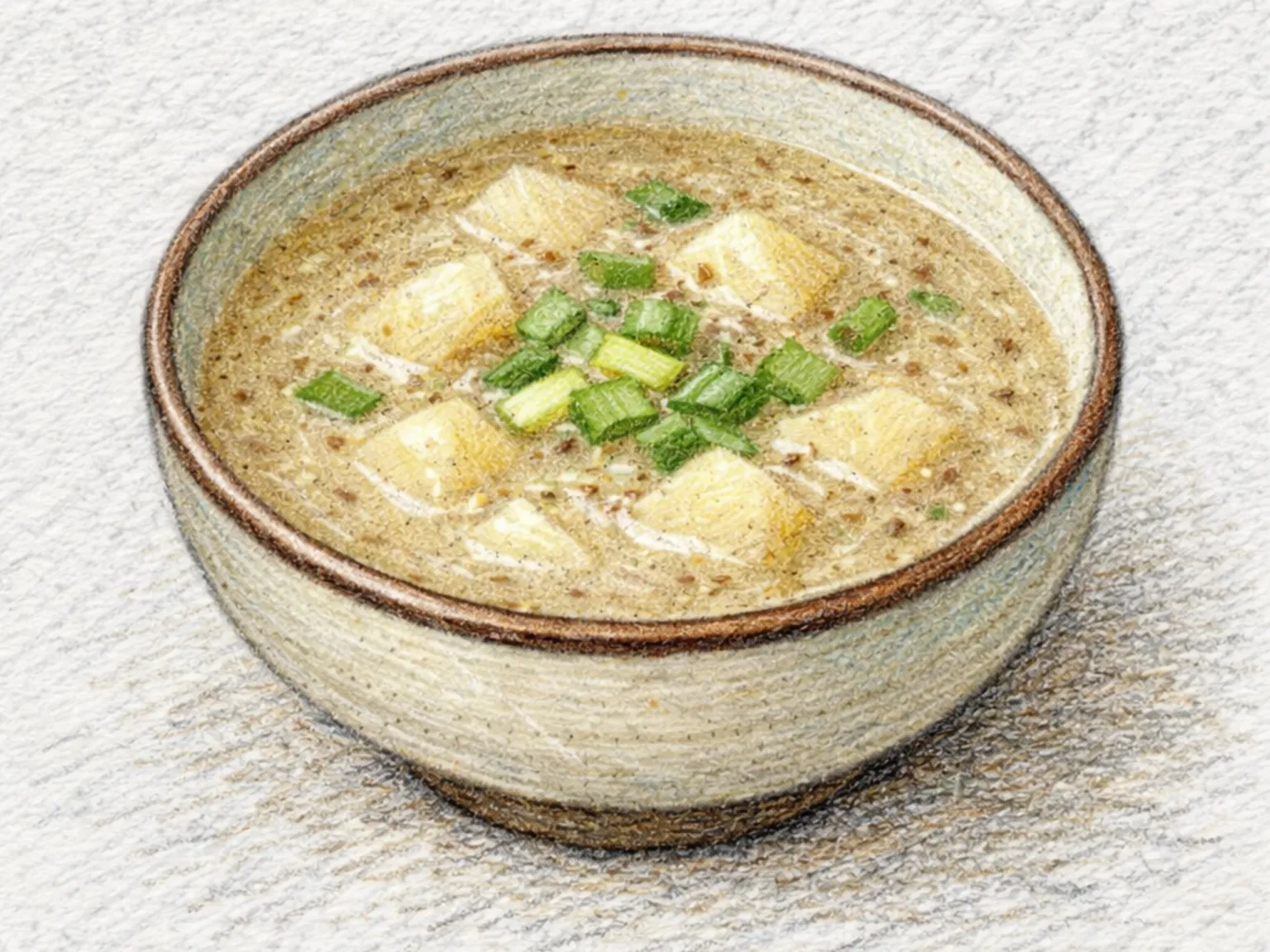
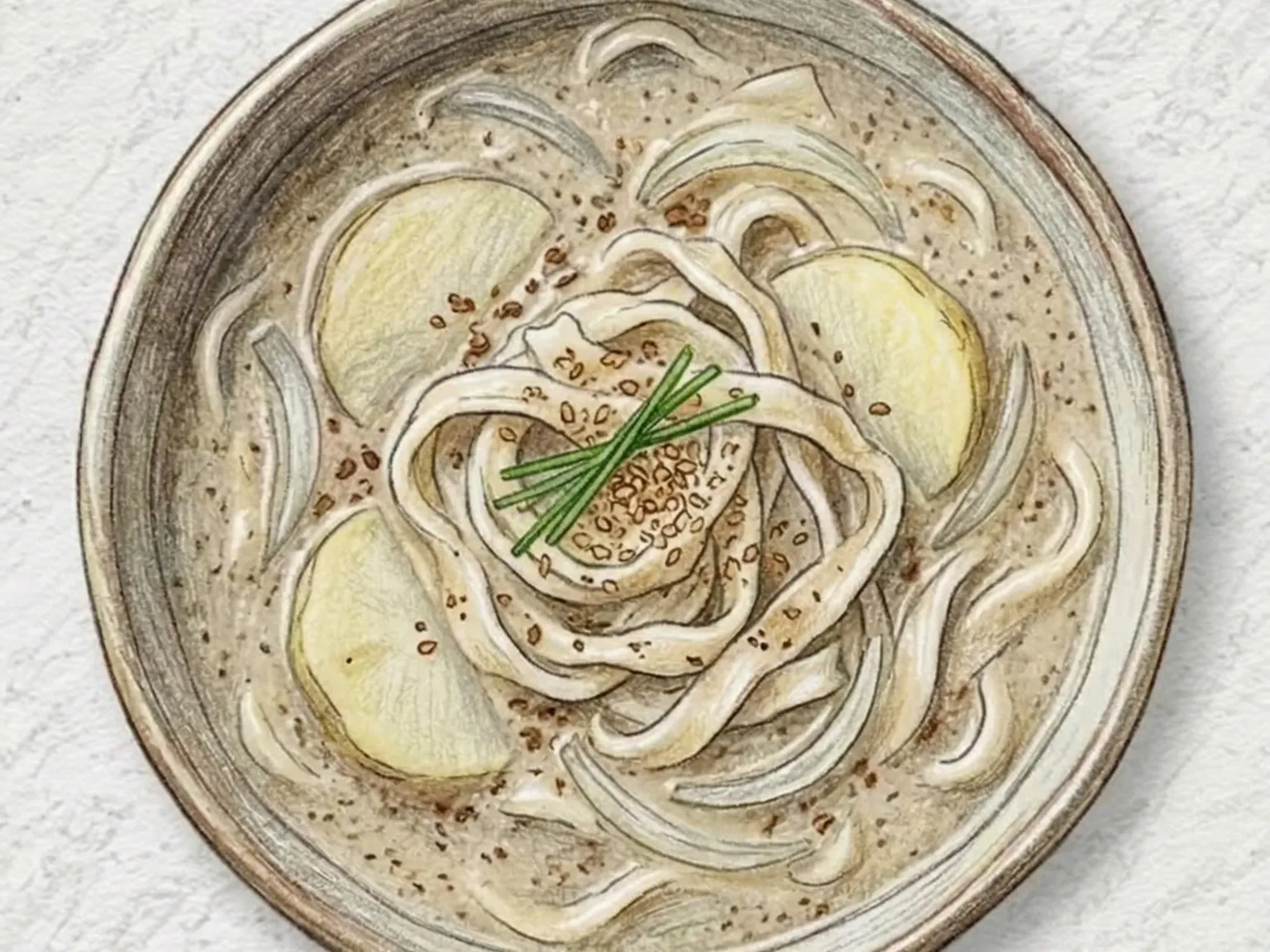
Perilla kalguksu is a Korean noodle soup where ground perilla seeds give the broth a distinctly nutty, creamy quality.

What makes this special

  • Ground perilla seeds and starchy potatoes create a nutty, naturally thick Korean noodle soup.
  • Potato cooked 6 minutes first releases starch to naturally thicken broth
  • Perilla powder added last to preserve its volatile nutty aroma
Total time
28 min
Level
Easy
Servings
2 servings
Ingredients
9
Calories
560 kcal
Protein
14 g

Key ingredients

fresh kalguksu noodlesground perilla seedswaterpotatoonion

Core cooking flow

  1. 1 Slice 120 g potato and 80 g onion thinly, then finely chop 30 g green onion.
  2. 2 Put 900 ml water and the potato in a pot and bring it to a boil over high heat.
  3. 3 Add the onion, 1 tsp minced garlic, and 1 tbsp soup soy sauce, then simmer over medium heat for 2 minutes.

Perilla kalguksu is a Korean noodle soup where ground perilla seeds give the broth a distinctly nutty, creamy quality. Potatoes are simmered first to release starch, naturally thickening the liquid before the noodles go in. Onion and garlic add mild sweetness, and soup soy sauce seasons the bowl without darkening the color. The perilla powder is stirred in near the end of cooking to preserve its fragrance. The main ingredients are fresh kalguksu noodles, ground perilla seeds, potato, and onion, and the recipe depends on careful handling of noodle cooking time and sauce thickness.

Prep 10min Cook 18min 2 servings

Instructions

Read the steps as a cooking flow: prep, heat, seasoning, doneness control, and finish.

6 steps
  1. 1
    Season

    Slice 120 g potato and 80 g onion thinly, then finely chop 30 g green onion.

    Keep 1 tsp minced garlic, soup soy sauce, salt, and perilla powder within reach so the soup does not overcook later.

  2. 2
    Control

    Put 900 ml water and the potato in a pot and bring it to a boil over high heat.

    Once boiling, reduce to medium and cook for about 6 minutes, until the broth turns slightly cloudy from the potato starch.

  3. 3
    Control

    Add the onion, 1 tsp minced garlic, and 1 tbsp soup soy sauce, then simmer over medium heat for 2 minutes.

    The onion should start turning translucent, adding mild sweetness without making the broth dark.

  4. 4
    Control

    Loosen 300 g fresh kalguksu noodles and add them to the boiling broth, stirring right away.

    Cook over medium-high heat for about 4 minutes, lifting and stirring occasionally so the noodles do not stick to the bottom.

  5. 5
    Control

    Lower the heat and stir in 5 tbsp ground perilla seeds a little at a time so they disperse smoothly.

    Simmer only 2 minutes to keep the nutty aroma, adding water in 50 ml amounts if the broth gets too thick.

  6. 6
    Finish

    Season at the end with 1/2 tsp salt, then check that the noodles are tender and the broth coats them lightly.

    Ladle into bowls, top with the chopped green onion, and serve immediately while hot.

After the steps

Pick a recipe that fits this dish.

Continue with shared ingredients, meal pairings, or a similar method.

Recipes That Go Well With This

More Noodles →

Based on shared ingredients and meal pairing

Korean Potato Perilla Seed Soup
Shared ingredient: perilla seed powder Soups

Korean Potato Perilla Seed Soup

Gamja-deulkkae-guk is a Korean home soup of potatoes and ground perilla seed simmered in anchovy stock. The potatoes go in first and cook until they begin to fall apart, releasing their starch into the liquid and giving the broth a natural, gentle thickness. Ground perilla seed is stirred in toward the end of cooking, turning the clear stock opaque and white and filling the pot with a toasty, earthy fragrance that is distinctive to perilla. The flavor sits in its own space: it has none of the fermented depth of doenjang soup and none of the oceanic quality of miyeok-guk, but the perilla leaves a long, nutty finish that builds with each spoonful rather than fading immediately. Soup soy sauce brings the seasoning together, and onion and green onion laid in at the start provide a background sweetness that keeps the broth from tasting flat. The texture is thick and warming without being heavy or greasy. This is a soup that rarely appears on restaurant menus but comes up frequently on home dinner tables during the cold months, the kind of everyday dish that fits naturally into a simple meal.

Korean Knife-cut Noodle Soup
Shared ingredient: potatoes Noodles

Korean Knife-cut Noodle Soup

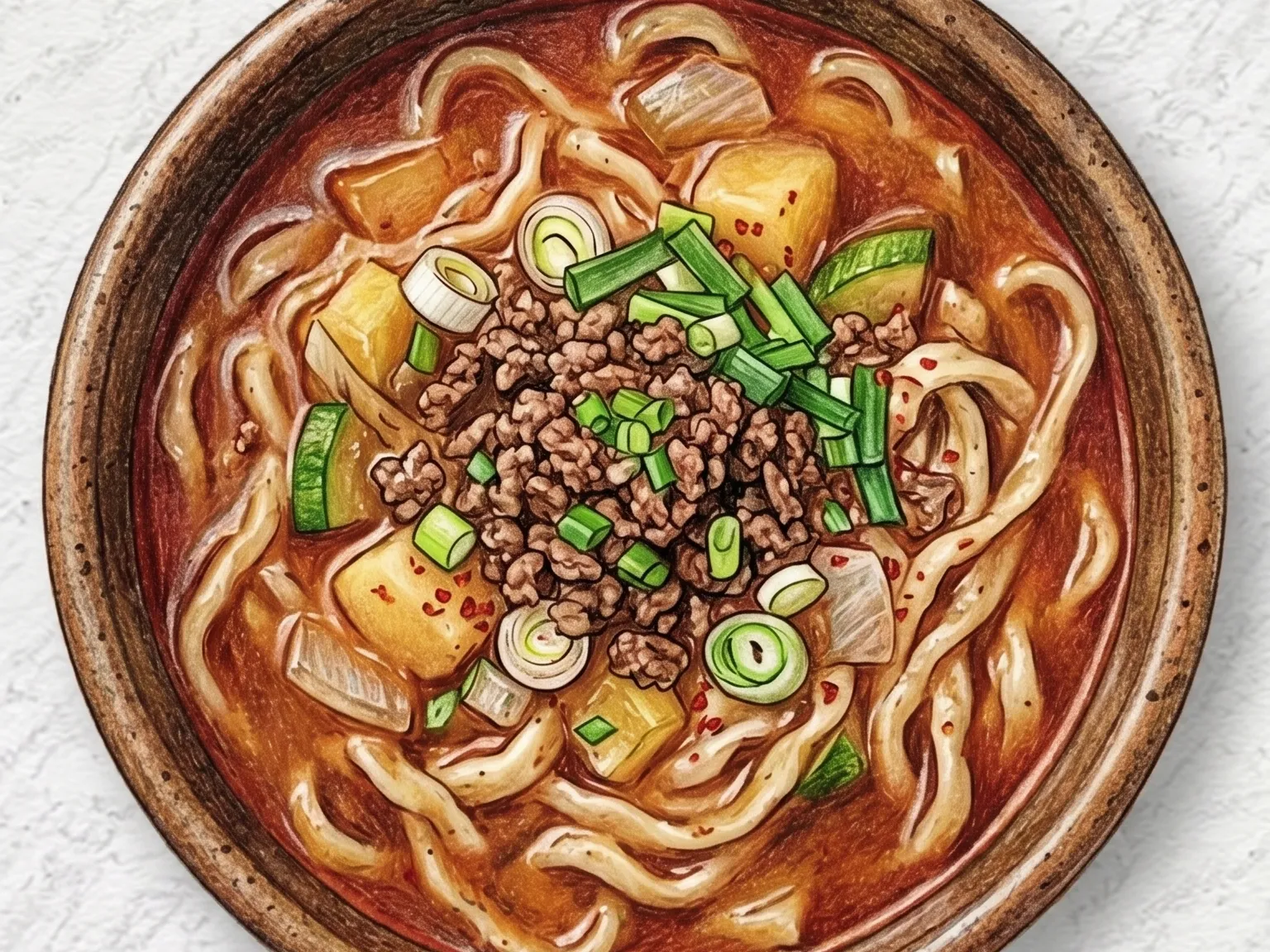
Kalguksu is a Korean noodle soup made with hand-cut wheat noodles simmered in anchovy-kelp broth. The noodles are rolled flat and sliced with a knife, giving them a rough surface that absorbs broth and a satisfying chew distinct from machine-made pasta. Sliced potato, half-moon zucchini, and onion go into the pot, with the potato releasing starch that naturally thickens the broth as it cooks. Seasoning stays minimal - soup soy sauce, salt, minced garlic, and green onion added at the end - so the clean, savory depth of the stock comes through clearly. The dish is traditionally associated with rainy days in Korea, and adding clams turns it into a popular seafood variation.

Korean Crisp Chili Pepper Salad
Serve together Side dishes

Korean Crisp Chili Pepper Salad

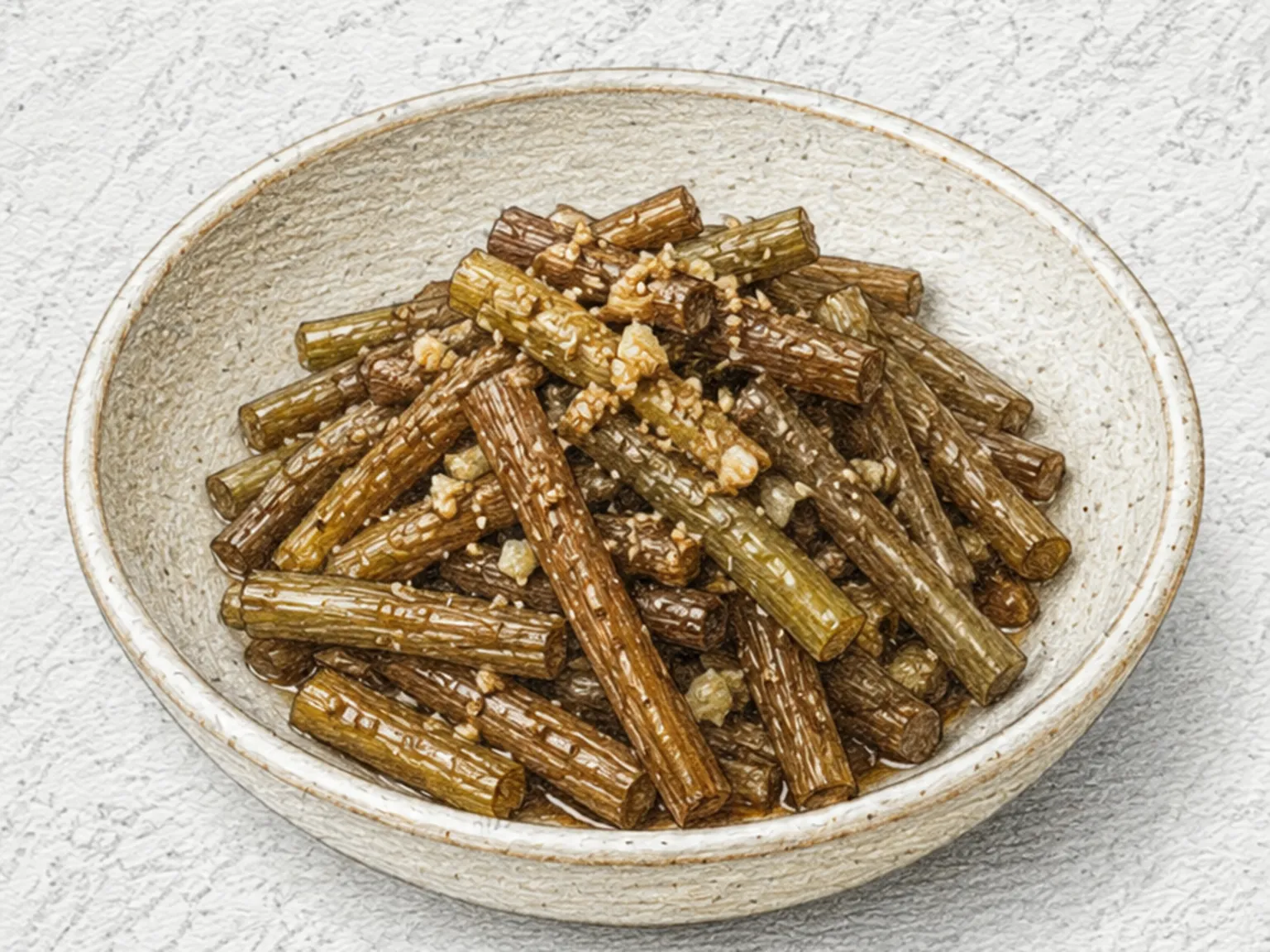
Asakigochu is a specific variety of Korean pepper characterized by its thick walls and a distinct snap when bitten. This pepper was developed to prioritize texture over spiciness, resulting in a vegetable that offers a significant crunch without the heat of other varieties. The preparation of this dish involves a brief blanching process where the peppers are submerged in boiling water for a duration of exactly twenty seconds. This short exposure to heat is sufficient to eliminate the raw, grassy aroma often found in uncooked peppers, yet it is not long enough to soften the cellular structure. Consequently, the characteristic crispness remains unchanged. The seasoning sauce is a mixture of two traditional fermented pastes. Doenjang provides a salty and fermented depth, while gochujang adds complexity. To balance these heavy flavors, vinegar is added for sharpness and oligosaccharide syrup is used to adjust the consistency and add a subtle sweetness. This combination creates a contrast between the deep, funky notes of the fermented beans and a bright acidity that highlights the clean taste of the pepper. Timing is important for the final result. It is best to allow the seasoned peppers to rest for five minutes before serving. This pause allows the flavors from the thick sauce to soak into the pepper walls instead of simply sitting on the exterior. This side dish functions well as a standard accompaniment to a bowl of rice or as a more fullly flavored snack to be consumed while drinking soju.

Korean Shepherd's Purse Soybean Paste Noodles
Similar recipe Noodles

Korean Shepherd's Purse Soybean Paste Noodles

Naengi doenjang kalguksu is a Korean knife-cut noodle soup simmered in anchovy-kelp stock with doenjang and fresh shepherd's purse, a springtime herb prized for its earthy, peppery fragrance. Dissolving the doenjang through a fine strainer keeps the broth smooth and clear rather than cloudy. Soup soy sauce and minced garlic fine-tune the seasoning so the fermented soybean flavor stays rich without becoming overly salty. The noodles cook for four minutes before zucchini and onion are added for two more, allowing their gentle sweetness to dissolve into the broth. Shepherd's purse must go in only during the final minute with reduced heat, because its volatile aromatic compounds dissipate quickly at a rolling boil and the distinctive spring fragrance would be lost. Adjusting salt with soup soy sauce at the end compensates for the varying saltiness across different doenjang brands. The herb's aroma is most concentrated from mid-March to early April, making that narrow window the best time to prepare this soup for the fullest seasonal flavor.

Serve with this

Squid and Cucumber Chojang Salad
Salads Medium

Squid and Cucumber Chojang Salad

Squid is blanched briefly for a chewy yet tender texture without any fishy taste. Diagonally sliced cucumber adds juicy crunch, while shredded red cabbage brings vivid purple color. Chojang - gochujang, vinegar, and plum extract - delivers a sweet, spicy, and sour punch that accents the mild seafood. Sesame oil, minced garlic, and a sprinkle of sesame seeds complete the classic Korean seafood salad profile, best served chilled in summer as a refreshing standalone meal.

🥗 Light & Healthy ⚡ Quick
Prep 16min Cook 4min 2 servings
Korean Radish & Shrimp Pancake
Pancakes Easy

Korean Radish & Shrimp Pancake

Julienned Korean radish and small peeled shrimp are combined in a pancake batter fortified with a measured amount of potato starch for added crispiness. Egg is mixed into the batter to improve binding and keep the pancake intact when flipped. Scallions are distributed throughout for a mild, grassy fragrance. Radish releases notable moisture as it cooks, so frying over high heat is essential to drive off that liquid quickly and achieve a crisp outer surface. The sharp, slightly bitter edge of raw radish disappears with heat and gives way to a gentle natural sweetness that pairs cleanly with the mild, delicate flavor of the shrimp. Pressing the center of the pancake down with a spatula while frying encourages even browning all the way through.

🍺 Bar Snacks ⚡ Quick
Prep 15min Cook 12min 2 servings
Korean Soy Pickled Radish Cubes
Kimchi Easy

Korean Soy Pickled Radish Cubes

Mu jangajji is a fundamental Korean soy-pickled radish made by cutting radish into 1.5 cm cubes, packing them in a sterilized jar with dried chili, and pouring over a boiled brine of soy sauce, vinegar, and sugar. The radish's firm flesh absorbs the sweet-salty brine gradually while maintaining its crisp bite, and the dried chili adds a gentle warmth and aroma to the liquid. Pouring the brine while still hot is important because the heat briefly opens the cell walls of the radish, allowing the seasoning to penetrate more evenly throughout. Vinegar balances the soy's saltiness with a clean tang, and using dense winter radish yields the best texture. This is one of the most versatile Korean pickles, appearing alongside gimbap, bibimbap, and gukbap as a reliable everyday table companion.

🍱 Lunchbox 🏠 Everyday
Prep 20min Cook 10min 4 servings

Similar recipes

Korean Warm Perilla Mushroom Rice Noodles
Noodles Easy

Korean Warm Perilla Mushroom Rice Noodles

Deulkkae beoseot on ssalguksu is a warm Korean noodle soup built on kelp stock simmered with oyster and shiitake mushrooms, then enriched with ground perilla seeds into a creamy, opaque broth. Rice noodles are smoother and more slippery than wheat varieties, sliding through the rich liquid with ease, while the mushrooms provide a firm, chewy counterpoint. Adding the perilla powder at the very end preserves its roasted, nutty fragrance on the surface of each spoonful rather than cooking it off. Soup soy sauce seasons the broth cleanly without the heaviness of fermented soybean paste. Using dried shiitake mushrooms instead of fresh ones and soaking them in cold water first draws out a concentrated mushroom stock that deepens the base significantly. Substituting king oyster mushrooms cut into thick rounds for oyster mushrooms adds more substantial chew. The dish contains no wheat and suits gluten-free diets. It is particularly fitting on cold days as a light but warming meal.

🥗 Light & Healthy 🏠 Everyday
Prep 20min Cook 20min 4 servings
Korean Clam Kalguksu (Hand-Cut Noodles in Clam Broth)
Noodles Medium

Korean Clam Kalguksu (Hand-Cut Noodles in Clam Broth)

Baekhap kalguksu is a Korean knife-cut noodle soup in which the broth is derived entirely from hard clams rather than the more standard anchovy base. Purged clams are placed in cold water and brought to a boil; once the shells open, the clams are lifted out and the broth is strained through cheesecloth to remove any residual sand or shell fragments. Thinly sliced daikon radish and Korean zucchini cook in the strained broth for five minutes, contributing vegetal sweetness. The hand-cut noodles go in next and are boiled for six to seven minutes until they turn translucent; starch released from the noodles thickens the broth naturally into a lightly viscous, silky consistency without any additional thickener. Once the noodles are cooked, the reserved clam meat returns to the pot, and the soup is seasoned with minced garlic and guk-ganjang. Onion added with the vegetables deepens the broth's sweetness further. Because clam liquor rather than dried anchovy forms the base, the soup carries a distinctly marine, mineral character that permeates every strand of noodle, setting baekhap kalguksu apart from all other regional kalguksu variations. Along the coastal areas of South Chungcheong and Jeolla Provinces, this style of noodle soup has been a local specialty for generations, best in the seasons when clams are most abundant.

🎉 Special Occasion 🏠 Everyday
Prep 20min Cook 25min 2 servings
Korean Perilla Chicken Soup
Soups Easy

Korean Perilla Chicken Soup

Deulkkae samgye-guk is a perilla-enriched Korean chicken soup that delivers the warming, restorative depth of samgyetang with a considerably simpler preparation -- no glutinous rice to stuff, no ginseng required, just chicken pieces and perilla seed powder. The chicken is cut into large pieces and placed in cold water from the start, then simmered for forty minutes so the collagen and flavor compounds dissolve gradually into the broth, turning it milky and full-bodied. Perilla powder must be pre-dissolved in a small cup of water before being stirred in -- adding it dry causes it to clump -- and ten more minutes of gentle simmering allows its oils to emulsify fully into the chicken stock, creating a broth with a smooth, nutty coating on every sip. Seasoning with only soup soy sauce and salt lets the natural savoriness of the chicken and the distinctive fragrance of perilla come through without distraction. Rich in the omega-3 fatty acids of perilla seed and the protein of chicken, this soup is eaten as a restorative meal during hot summers and whenever energy levels drop.

🏠 Everyday 🥗 Light & Healthy
Prep 15min Cook 60min 4 servings

Tips

Add perilla powder near the end to preserve aroma.
If too thick, thin with 50 ml water increments.

Nutrition (per serving)

Calories
560
kcal
Protein
14
g
Carbs
78
g
Fat
22
g