Poha (Indian Spiced Flattened Rice Breakfast with Peanuts)
Asian Easy

Poha (Indian Spiced Flattened Rice Breakfast with Peanuts)

Quick answer

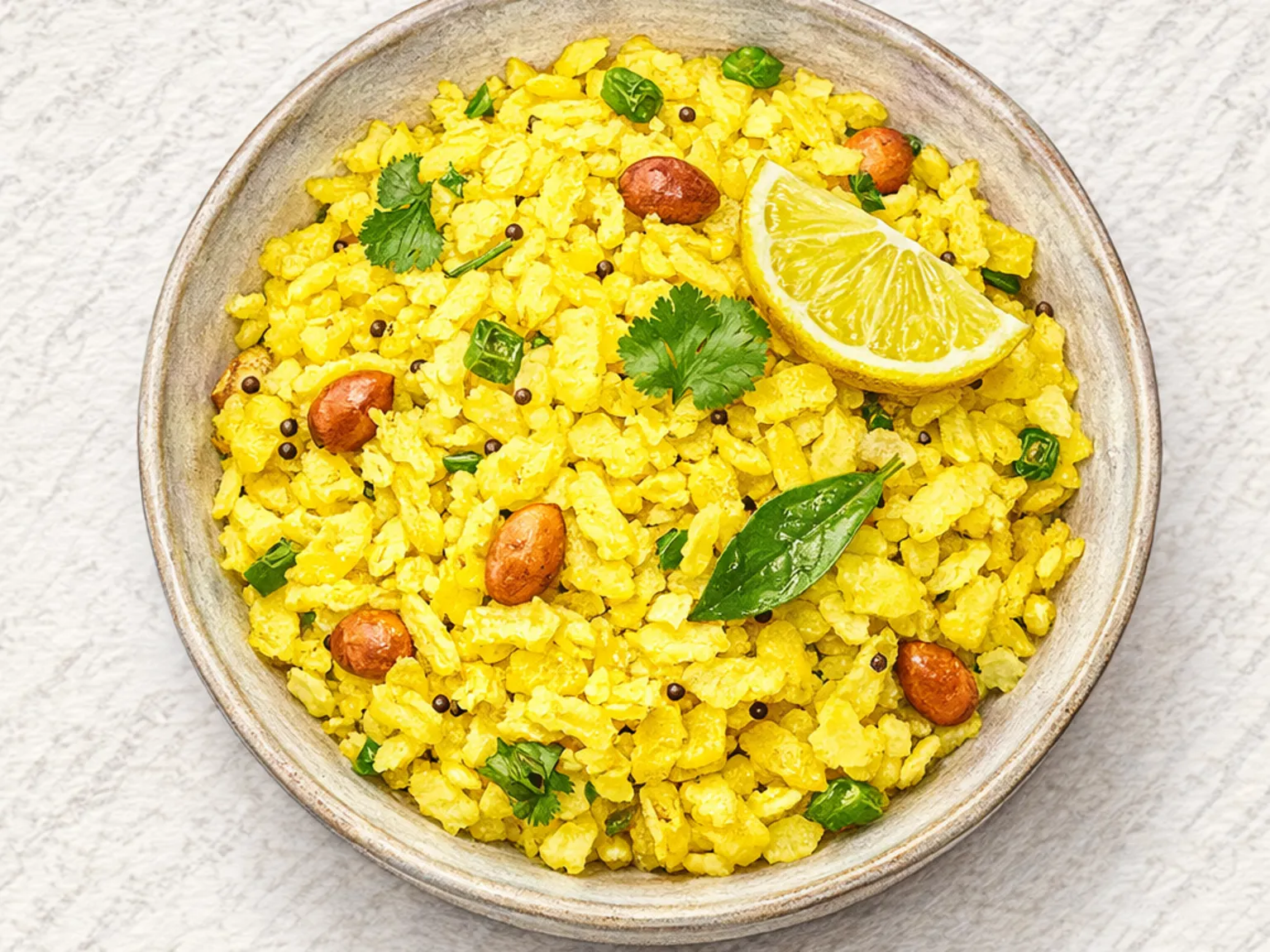
Poha is a staple Indian breakfast built on flattened rice that has been briefly soaked in water until pliable.

What makes this special

  • Poha is an Indian breakfast of flattened rice tempered with mustard seeds, turmeric, and peanuts.
  • Quick rinse and five-minute soak only keeps flattened rice intact while stir-frying
  • Frying mustard seeds in oil first is the flavor starting point unique to poha
Total time
22 min
Level
Easy
Servings
2 servings
Ingredients
8
Calories
390 kcal
Protein
9 g

Key ingredients

flattened rice (poha)oniongreen chiliturmeric powdermustard seeds

Core cooking flow

  1. 1 Place 200 g flattened rice in a sieve and rinse under cold water for about 10 seconds.
  2. 2 Thinly slice 1 onion and finely chop 1 green chili.
  3. 3 Add 1/2 teaspoon mustard seeds and let them crackle for about 20 seconds.

Poha is a staple Indian breakfast built on flattened rice that has been briefly soaked in water until pliable. The cooking starts with a tempering of mustard seeds and curry leaves in oil, followed by sliced onion, green chili, and turmeric. The soaked flattened rice is folded in gently so the grains stay separate rather than clumping. Turmeric stains everything a warm yellow. Roasted peanuts tossed in at the end provide a crunchy counterpoint to the soft rice, and a generous squeeze of lemon brightens the entire dish. The city of Indore is famous for its poha, where vendors garnish each plate with freshly grated coconut and a handful of sev, a crispy chickpea-flour noodle snack. The dish comes together in under fifteen minutes and sits comfortably in the stomach all morning.

Prep 10min Cook 12min 2 servings

Instructions

Read the steps as a cooking flow: prep, heat, seasoning, doneness control, and finish.

6 steps
  1. 1
    Step

    Place 200 g flattened rice in a sieve and rinse under cold water for about 10 seconds.

    Drain well, then rest for 5 minutes until the grains feel soft when gently pressed.

  2. 2
    Control

    Thinly slice 1 onion and finely chop 1 green chili.

    Add 1 tablespoon cooking oil to a pan and warm it over medium heat for about 30 seconds before adding spices.

  3. 3
    Step

    Add 1/2 teaspoon mustard seeds and let them crackle for about 20 seconds.

    Add the onion and chili right away before the seeds darken or burn in the hot oil.

  4. 4
    Heat

    Keep the heat at medium and cook for about 3 minutes, until the onion turns translucent.

    Add 1/2 teaspoon turmeric powder and stir until the onion is evenly stained yellow.

  5. 5
    Step

    Add the softened flattened rice and lower the heat to low.

    Fold gently with a spatula for only about 2 minutes, warming it through without pressing so the grains do not clump.

  6. 6
    Finish

    Mix in 40 g roasted peanuts, then turn off the heat.

    Drizzle over 1 tablespoon lemon juice, fold once more, and serve while warm so the peanuts stay crisp.

After the steps

Pick a recipe that fits this dish.

Continue with shared ingredients, meal pairings, or a similar method.

Recipes That Go Well With This

More Asian →

Based on shared ingredients and meal pairing

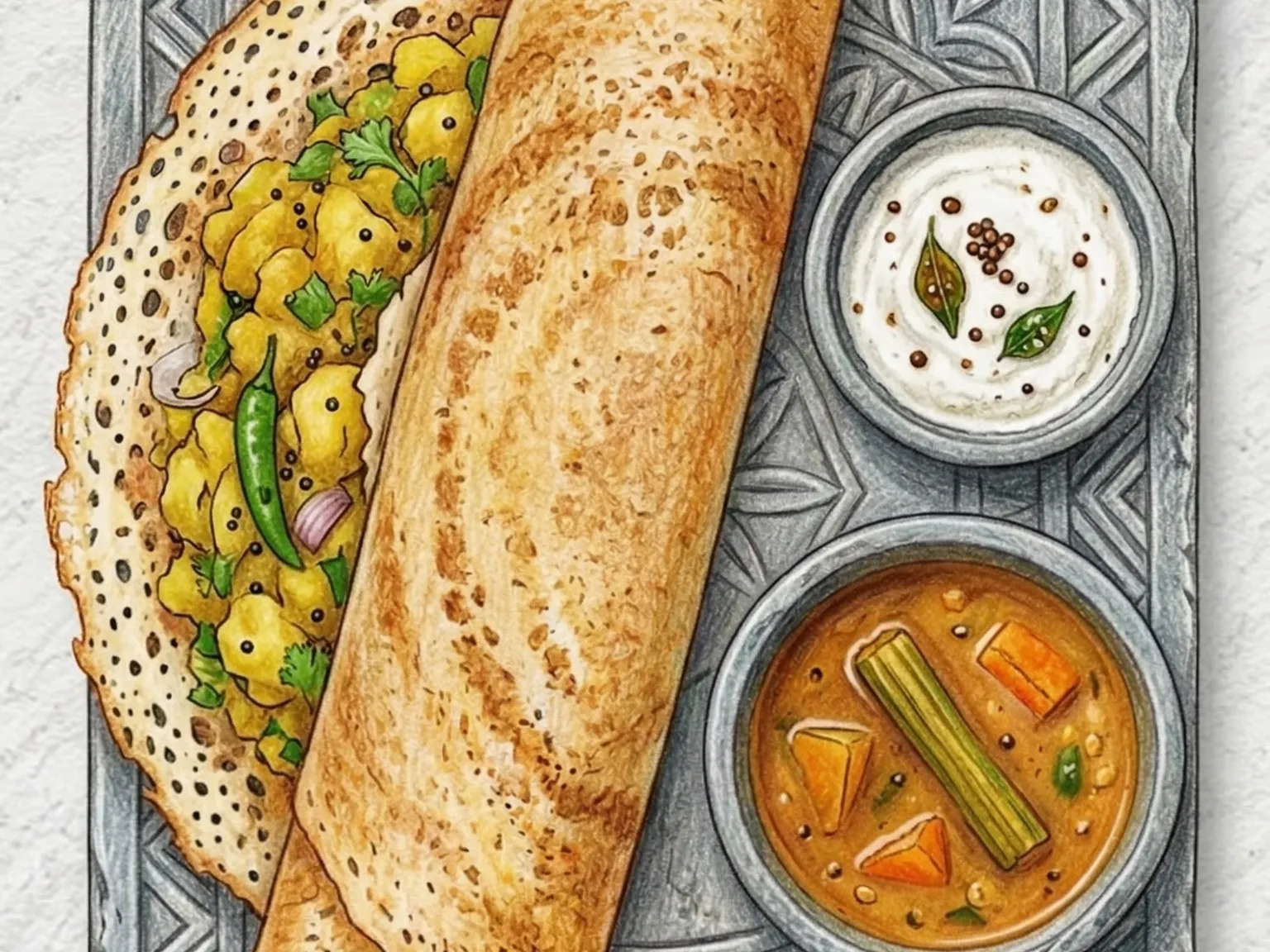
Idli Sambar (Steamed Rice Cakes with Lentil Stew)
Shared ingredient: onion Asian

Idli Sambar (Steamed Rice Cakes with Lentil Stew)

Idli sambar is a foundational South Indian breakfast that pairs soft, steamed rice cakes with a deeply spiced lentil and vegetable stew. The idli batter is made by soaking and grinding rice and urad dal separately, then mixing and leaving the combination to ferment overnight; this fermentation is what produces the airy, spongy texture when the batter is poured into molds and steamed for ten to twelve minutes. The resulting discs absorb sauces readily and have a mild, slightly tangy flavor from the fermentation. The sambar starts with toor dal simmered until completely soft and partially mashed to give the broth body, then combined with sauteed onion and tomato along with sambar powder and tamarind water for a ten-minute simmer. Tamarind's pronounced sourness balances the earthiness of the lentils and keeps the broth from tasting heavy, while the spice blend in sambar powder adds a warm background heat without becoming harsh. The final and essential step is tempering: mustard seeds are dropped into very hot oil until they pop and scatter, then the spiced oil is stirred into the finished stew, releasing a nutty, aromatic burst that threads through the whole pot. Dipping or soaking the mild, fluffy idli in the bold, tangy sambar creates the contrast that defines this combination and distinguishes it from eating either component alone. Coconut chutney served alongside adds a cool, creamy counterpoint.

Paneer Tikka (Indian Spiced Yogurt-Marinated Grilled Cheese Skewer)
Shared ingredient: onion Asian

Paneer Tikka (Indian Spiced Yogurt-Marinated Grilled Cheese Skewer)

Paneer tikka is an Indian grilled appetizer where cubes of paneer cheese and vegetables are marinated in spiced yogurt and cooked over high heat until charred at the edges. The marinade combines plain yogurt with chili powder, turmeric, garam masala, and lemon juice, creating a thick coating that clings to each cube. After marination, the spices penetrate the surface while the yogurt adds tang. Bell peppers and onion chunks are threaded between the paneer pieces, and their natural sugars caramelize during grilling. The goal is to cook quickly so the exterior gets smoky char marks while the inside stays soft. Mint chutney on the side completes the dish.

Kachumber Salad (Indian Kachumber salad)
Serve together Salads

Kachumber Salad (Indian Kachumber salad)

Kachumber salad finely dices cucumber, tomato, and red onion, then tosses them with chopped cilantro, lime juice, ground cumin, chaat masala, and salt in a quick Indian raw vegetable preparation. Removing some of the seeds from the cucumber and tomato limits excess moisture so the dressing stays concentrated rather than watery. Soaking the diced red onion in cold water for three minutes draws out its harsh sharpness, letting it blend more smoothly with the other ingredients. Ground cumin lays down a warm, earthy undertone, and chaat masala layers a tangy, salty complexity over the lime acidity, lifting a simple combination of vegetables into something distinctly Indian. Chopping cilantro stems together with the leaves releases more of the herb's aromatic oils than leaves alone provide. Letting the dressed salad rest for about fifteen minutes before serving allows the flavors to meld so the final result is noticeably more cohesive.

Palak Paneer (Indian Spinach Curry with Paneer Cheese)
Similar recipe Asian

Palak Paneer (Indian Spinach Curry with Paneer Cheese)

Palak paneer is one of North India's most beloved vegetarian curries, pairing a bright spinach puree with cubes of mild, milky paneer cheese. Fresh spinach is blanched briefly and blended into a green sauce, combined with a base of sauteed onions, garlic, ginger, and tomatoes seasoned with garam masala. The paneer cubes are typically pan-seared first to form a light skin that holds their shape in the sauce while the interior stays soft and creamy. A swirl of heavy cream at the end rounds out the flavors, blending the earthy depth of spinach with warm spice and dairy richness.

Serve with this

Mango Lassi
Drinks Easy

Mango Lassi

Mango lassi is an Indian yogurt drink made by blending ripe mango flesh with plain yogurt and milk until completely smooth. The concentrated tropical sweetness of ripe mango and the tangy acidity of yogurt balance each other so that the drink feels refreshing rather than cloying. A small amount of ground cardamom, typically around a quarter teaspoon, introduces a faintly floral, aromatic spice layer that lifts the drink away from an ordinary fruit smoothie and into something distinctly South Asian. Honey allows the sweetness to be calibrated against the specific ripeness of the mango being used. Using ingredients that have been chilled in the refrigerator beforehand produces a thick, cold lassi without needing much ice, avoiding the dilution that comes from blending a large quantity of ice cubes into an otherwise dense drink.

🍺 Bar Snacks ⚡ Quick
Prep 8min 2 servings
Korean Warm Noodles with Kimchi Dumplings
Noodles Easy

Korean Warm Noodles with Kimchi Dumplings

Kimchi mandu onmyeon is a Korean warm noodle dish that combines kimchi dumplings simmered in anchovy-kelp stock with thin wheat noodles served in the hot broth. The filling of kimchi and pork inside each dumpling gradually releases savory depth into the clean dashi as the dumplings cook, building a broth that feels substantive without requiring heavy seasoning. Soup soy sauce and minced garlic are the only seasoning additions, keeping the overall flavor clear and well-defined. Thin wheat noodles are boiled separately and rinsed under cold water before serving, which prevents the cooking starch from clouding the broth and keeps the noodles smooth and springy in texture rather than swollen and soft. Julienned zucchini added to the broth and a thin stream of beaten egg swirled in just before serving add color and textural variety to the finished bowl. Since the sodium content of kimchi dumplings varies considerably by brand, soup soy sauce should be added in small increments at the end rather than all at once. Overcooking the dumplings causes the wrapper to loosen and the broth to cloud, so once the dumplings float to the surface the noodles should go in and the dish brought together quickly. Gochugaru or sliced cheongyang chili transforms the bowl into a spicier version, and a drop of sesame oil stirred in just before eating rounds out the nuttiness of the broth. Equally suited as a late-night solo meal or a warming bowl on a cold day.

🏠 Everyday ⚡ Quick
Prep 10min Cook 18min 2 servings
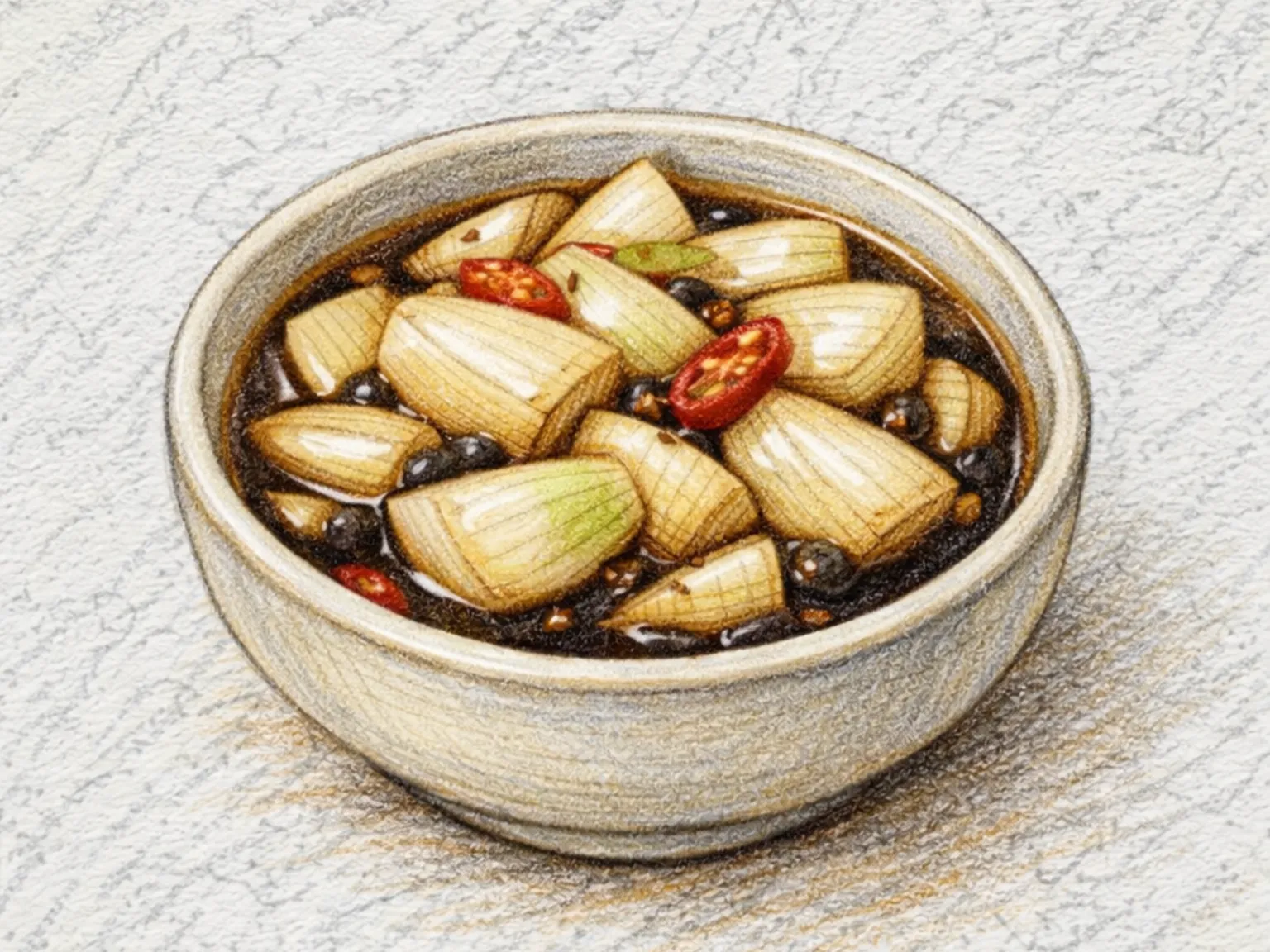
Pork Rice Bowl (Sweet-Salty Glazed Pork over Rice)
Rice Easy

Pork Rice Bowl (Sweet-Salty Glazed Pork over Rice)

Butadon is a Japanese pork rice bowl that originated in Obihiro, Hokkaido, where thin slices of pork belly or shoulder are simmered with onion in a glaze of soy sauce, mirin, and sugar, then laid over a bowl of steamed rice. The soy salt and sugar sweetness balance precisely as the meat absorbs the sauce, while the onion dissolves gradually into the cooking liquid, contributing a natural sweetness that deepens the glaze. Where the pork meets the pan, the edges caramelize into a slightly charred coating that adds a roasted dimension to the otherwise clean, saucy topping. Hokkaido pork, with its firm texture and higher fat content, is traditional, though any well-marbled cut works. The preparation is genuinely simple - one pan, one sauce, no elaborate knife work - which is exactly why it became a staple weeknight meal across Japan.

🏠 Everyday ⚡ Quick
Prep 15min Cook 15min 2 servings

Similar recipes

Neer Dosa (Mangalorean Thin Rice Water Crepe with Coconut)
Asian Medium

Neer Dosa (Mangalorean Thin Rice Water Crepe with Coconut)

Neer dosa is a rice crepe from the coastal Mangalore region of Karnataka in southwestern India. The name means 'water dosa' in Kannada, referring to the extremely thin batter used to make it. Soaked rice and a little fresh coconut are ground to a pourable consistency thinner than regular dosa batter, then swirled onto a hot pan from the edges inward. The batter spreads into a delicate, lace-patterned sheet with tiny holes throughout. Unlike traditional dosa, neer dosa requires no fermentation, so there is no sourness - just the clean, mild flavor of rice. It is cooked on one side only and never flipped.

🏠 Everyday 🎉 Special Occasion
Prep 20min Cook 20min 4 servings
Mango Lassi
Drinks Easy

Mango Lassi

Mango lassi is an Indian yogurt drink made by blending ripe mango flesh with plain yogurt and milk until completely smooth. The concentrated tropical sweetness of ripe mango and the tangy acidity of yogurt balance each other so that the drink feels refreshing rather than cloying. A small amount of ground cardamom, typically around a quarter teaspoon, introduces a faintly floral, aromatic spice layer that lifts the drink away from an ordinary fruit smoothie and into something distinctly South Asian. Honey allows the sweetness to be calibrated against the specific ripeness of the mango being used. Using ingredients that have been chilled in the refrigerator beforehand produces a thick, cold lassi without needing much ice, avoiding the dilution that comes from blending a large quantity of ice cubes into an otherwise dense drink.

🍺 Bar Snacks ⚡ Quick
Prep 8min 2 servings

Tips

Do not soak poha too long or it becomes mushy.
Add lemon juice off heat for fresher flavor.

Nutrition (per serving)

Calories
390
kcal
Protein
9
g
Carbs
57
g
Fat
14
g