Charim

2686 Korean & World Recipes

2686+ Korean recipes, clean and organized. Ingredients to instructions, all at a glance.

Korean Braised Pork Kimchi
Steamed Medium

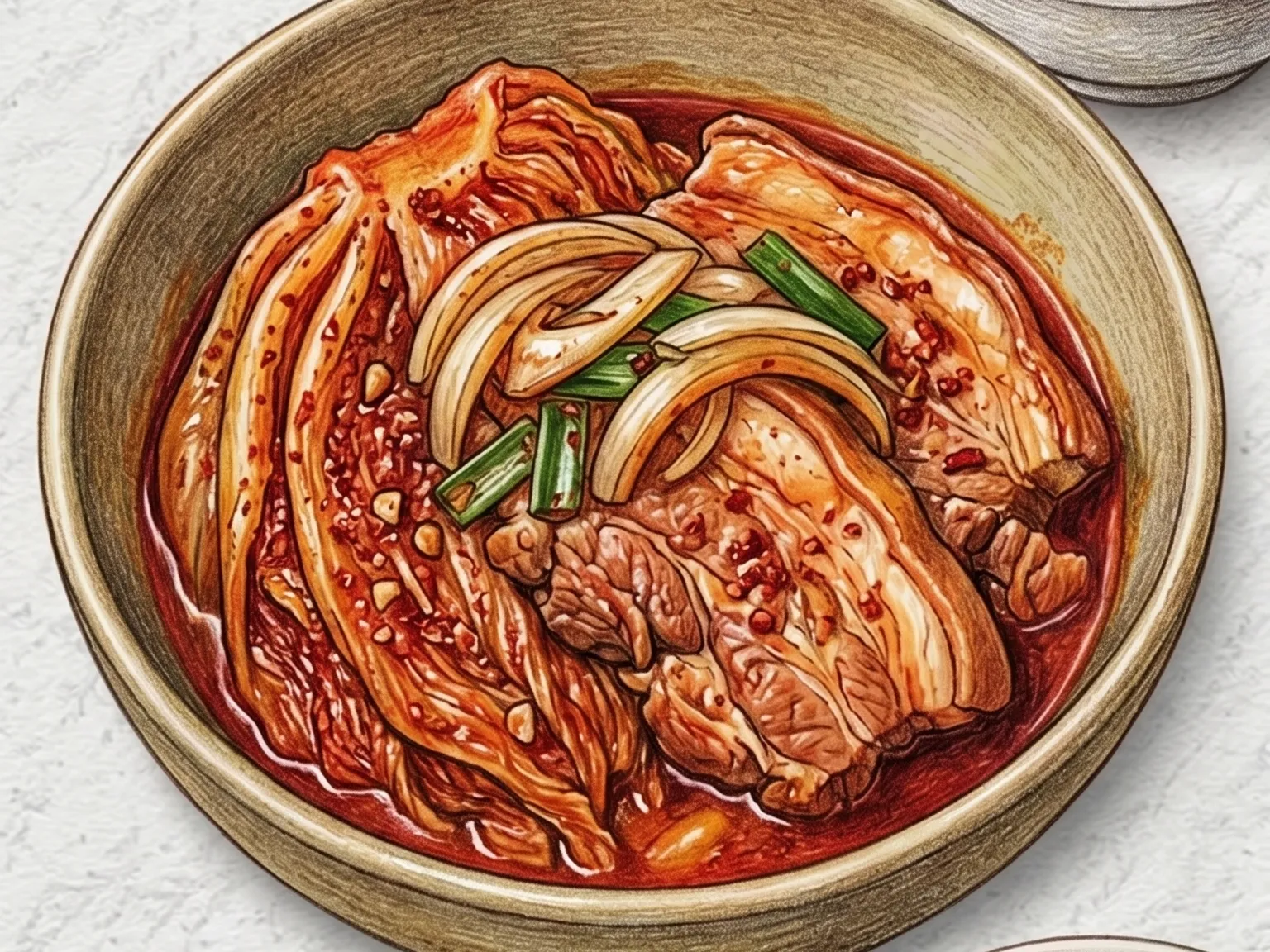
Korean Braised Pork Kimchi

Pork kimchi jjim is a cornerstone Korean home braise where pork shoulder and well-aged kimchi are layered in a pot with gochugaru, soy sauce, and garlic, then simmered on low heat for over fifty minutes. The kimchi's sharp fermented acidity mellows during the long cook while still infusing the meat with its complex, funky depth. Fat rendered from the pork shoulder enriches the braising liquid, and onion and green onion contribute a natural sweetness that rounds out the bold flavors. When the pork is soft enough to pull apart with chopsticks, the dish is ready to be served over rice with the remaining sauce spooned generously on top.

Prep 20min Cook 70min 4 servings

Adjust Servings

2servings
servings

Instructions

  1. 1

    Cut pork into large chunks and halve long pieces of aged kimchi.

  2. 2

    Layer kimchi on the pot bottom, then add pork and onion.

  3. 3

    Add water, garlic, chili flakes, and soy sauce, then bring to a boil over high heat.

  4. 4

    Reduce to low heat and simmer covered for 50 minutes.

  5. 5

    Add green onion, simmer 10 more minutes, and adjust seasoning.

🛒Shop Ingredients on Amazon

As an Amazon Associate, we may earn from qualifying purchases.

Tips

If kimchi is too sour, add 1 tsp sugar to balance acidity.
Use pork with some fat for a more tender texture.

Nutrition (per serving)

Calories
520
kcal
Protein
36
g
Carbs
10
g
Fat
36
g

More Recipes

Korean Braised Mackerel with Aged Kimchi
SteamedMedium

Korean Braised Mackerel with Aged Kimchi

Godeungeo kimchi jjim is mackerel braised with well-fermented aged kimchi in a soy sauce and gochugaru broth. The deep sourness of the aged kimchi cuts through the rich, oily mackerel flesh, creating a concentrated savory flavor without heaviness. Onion adds a gentle sweetness while a small amount of sugar balances the fermented tang. The sauce reduces to a thin, intensely flavored glaze that is meant to be spooned over steamed rice, making this one of the most satisfying ways to pair fermented ingredients with fish.

🍱 Lunchbox
Prep 10minCook 35min2 servings
Korean Braised Pork Back Ribs with Aged Kimchi
SteamedMedium

Korean Braised Pork Back Ribs with Aged Kimchi

Mukeunji deunggalbi jjim is a Korean braise of pork back ribs with well-aged kimchi in a sauce of gochugaru, gochujang, and soy sauce. The bones release a rich stock as they simmer, and the fermented tang of the aged kimchi layers a complex acidity on top of that savory base. Reducing the liquid to about one-third of its original volume concentrates the flavors and creates a thick glaze that clings to each rib. The kimchi softens during the long cook but keeps its assertive, funky character, and the meat eventually pulls cleanly from the bone. Served with steamed rice, this is a hearty, warming main course.

🏠 Everyday🎉 Special Occasion
Prep 25minCook 70min4 servings
Korean Steamed Perilla Leaves
SteamedEasy

Korean Steamed Perilla Leaves

Kkaennip-jjim is a Korean banchan made by stacking perilla leaves one by one with a soy sauce, gochugaru, and garlic seasoning between each layer, then gently braising them covered over low heat. As the leaves wilt, they absorb the sauce and release their distinctive herbal aroma, which mingles with the soy's umami into a layered flavor. Sesame oil brushed between the leaves adds a nutty fragrance, while the chili flakes provide a slow-building warmth. Wrapping a spoonful of steamed rice in a single seasoned leaf makes for a complete bite, which is why this dish is considered one of Korea's most reliable everyday side dishes.

🍱 Lunchbox
Prep 15minCook 12min2 servings
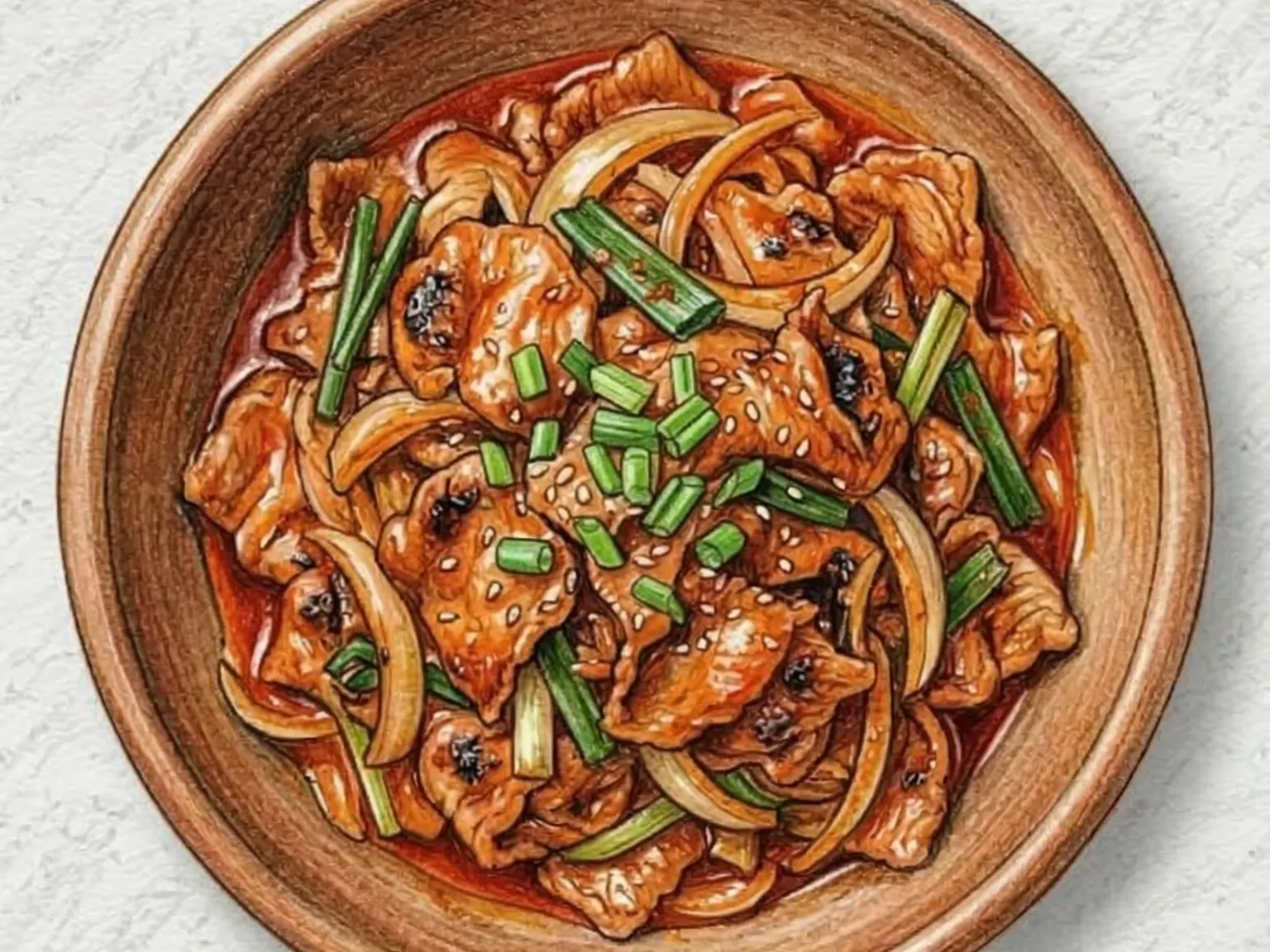
Korean Braised Pork Backbone
SteamedHard

Korean Braised Pork Backbone

Deungppyeo-jjim is pork backbone braised with potato and green onion in a sauce of doenjang, gochugaru, and soy sauce. After a long simmer, the meat and cartilage between the vertebrae pull away from the bone effortlessly. Doenjang lays a deep, fermented base note while chili flakes add a sharp heat on top. The potatoes cook until they are soft enough to break apart with a spoon, melding into the thick broth. Picking the meat from between the bones is part of the appeal, making this a popular dish to share over drinks.

🏠 Everyday🎉 Special Occasion
Prep 30minCook 80min4 servings
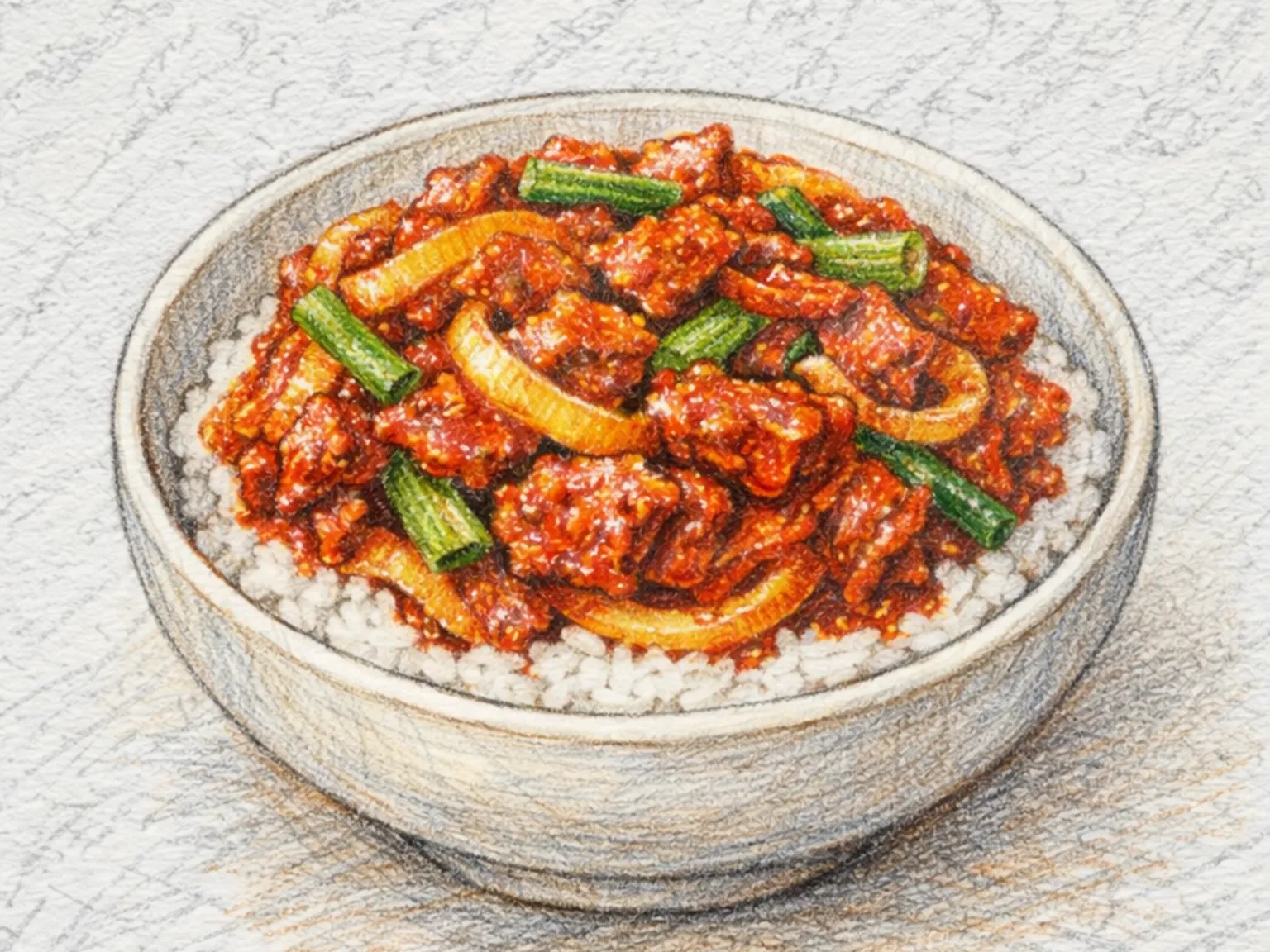
Korean Stir-Fried Kimchi (Caramelized Aged Kimchi Banchan)
Side dishesEasy

Korean Stir-Fried Kimchi (Caramelized Aged Kimchi Banchan)

Kimchi-bokkeum is the default way Korean households use up kimchi that has fermented past its fresh prime. Stir-frying tempers the sharp lactic acidity that over-ripe kimchi develops - the heat transforms the sourness into something mellower, sweeter, and more rounded. Onion goes in first and cooks until translucent, laying a sweet foundation before the kimchi and garlic join. Medium heat is essential: it drives off moisture gradually, yielding a thick, concentrated sauce rather than a watery stew. A small addition of gochugaru brightens the color, and a pinch of sugar balances the fermented tang. One tablespoon of kimchi brine amplifies the umami from the lactobacillus culture itself. The finished banchan is versatile enough to eat straight over rice, fold into fried rice, or pile on top of ramyeon.

🏠 Everyday🍱 Lunchbox
Prep 8minCook 10min4 servings
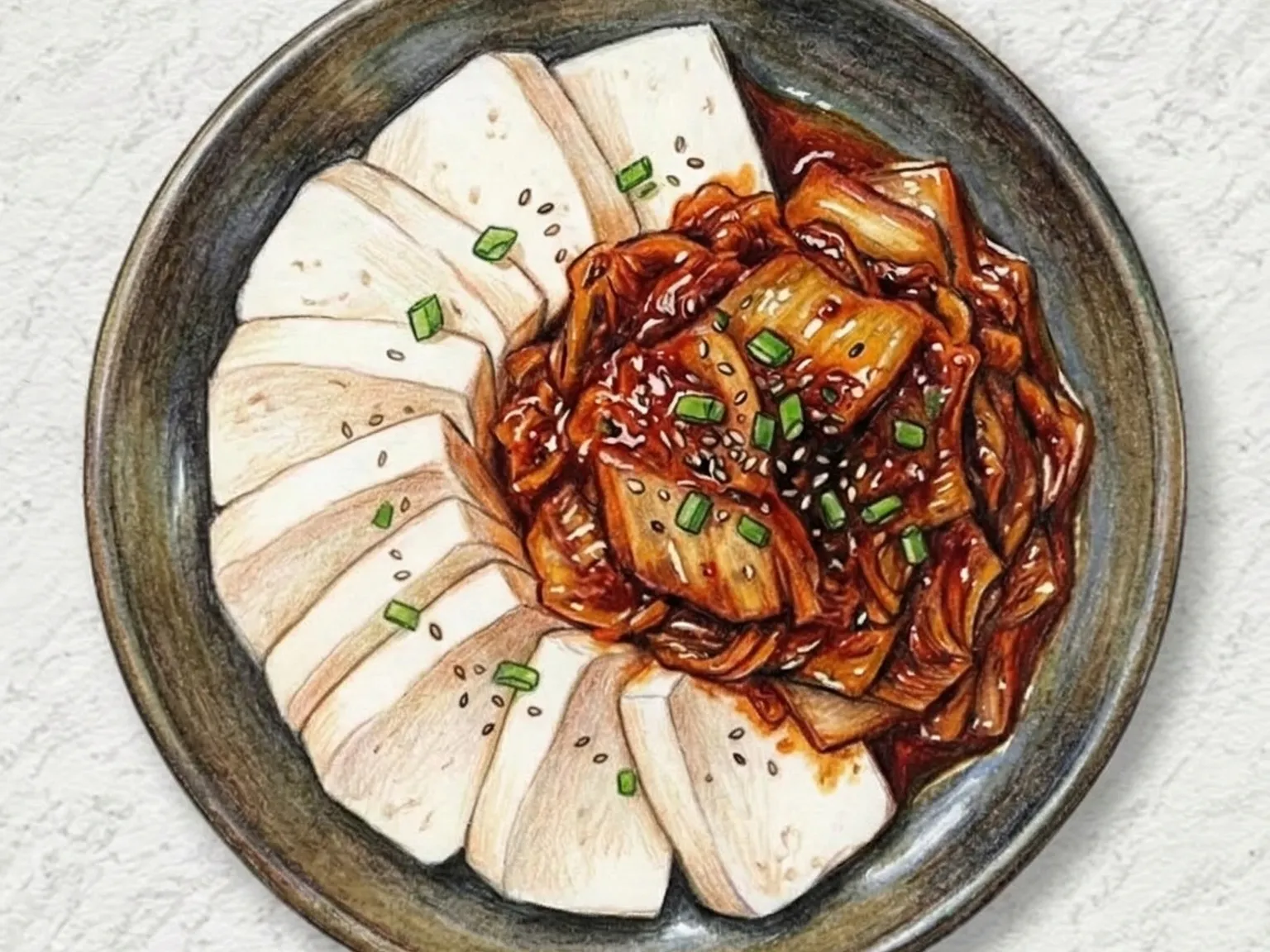
Korean Doenjang Braised Tofu
Stir-fryEasy

Korean Doenjang Braised Tofu

Doenjang-dubu-jorim is a Korean braised tofu dish cooked in a fermented soybean paste sauce. The doenjang penetrates the tofu as it simmers, infusing each slice with a nutty, salty depth characteristic of Korean fermented condiments. Zucchini and onion cook alongside the tofu, contributing natural sweetness that tempers the salt. It is an economical, easy-to-prepare side dish that keeps well in the refrigerator for several days.

🏠 Everyday🍱 Lunchbox
Prep 10minCook 15min2 servings
More Steamed →