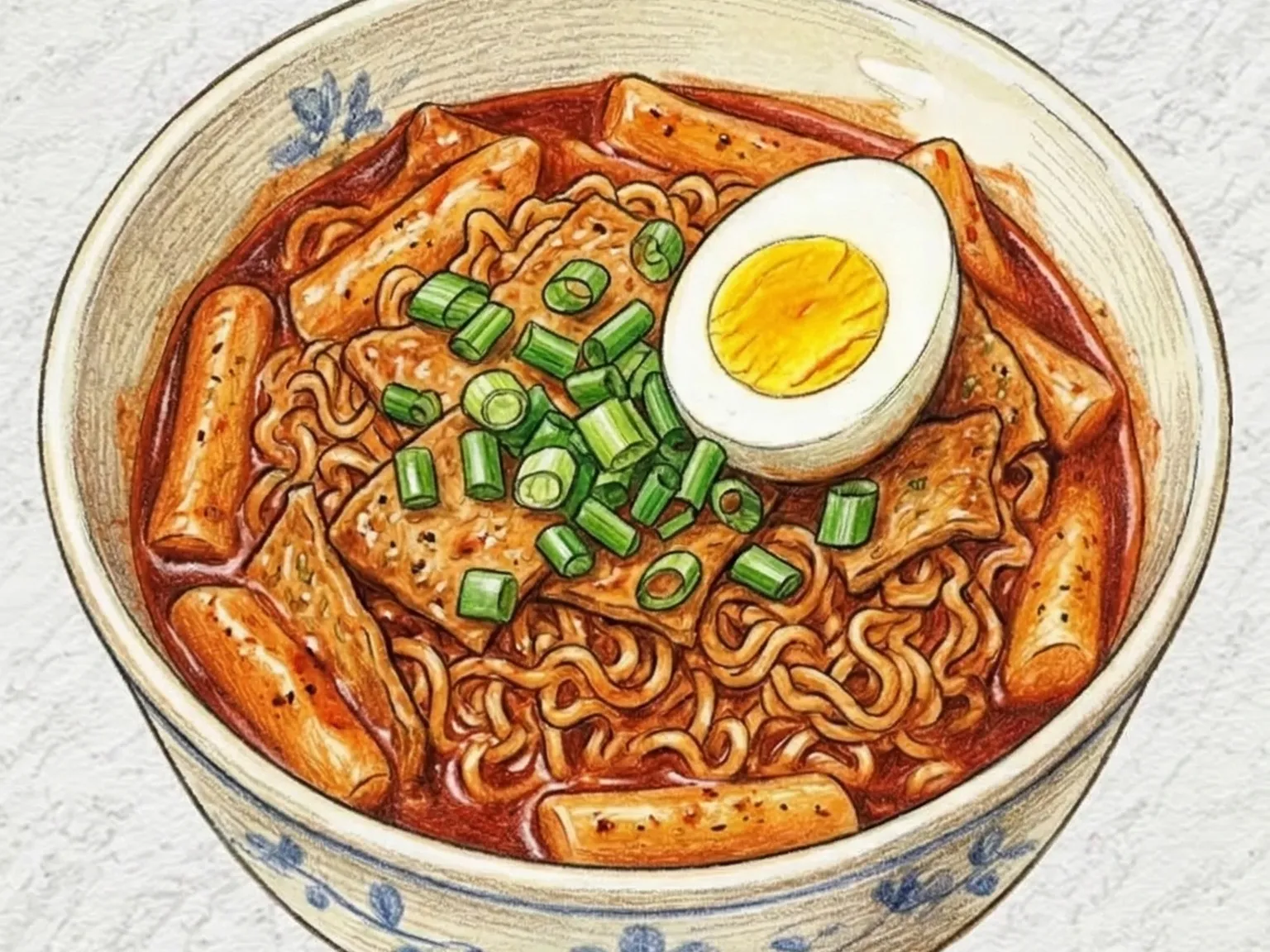
Charim and HAP
Korean Ramen Tteokbokki (Spicy Rice Cake and Ramen Noodle Stir-Fry) cooking process
HAP turned Charim's Korean Ramen Tteokbokki (Spicy Rice Cake and Ramen Noodle Stir-Fry) recipe into a 23-second cooking video.
See more from HAP on YouTubeKorean Ramen Tteokbokki (Spicy Rice Cake and Ramen Noodle Stir-Fry)
Mix 2 tbsp gochujang with 1 tbsp each of gochugaru, soy sauce and sugar until smooth before any heat, because unmixed paste can stick to the pot. Dissolve the sauce in 3 cups water, bring it to a steady boil, and boil the rice cakes over medium-high heat for about 5 minutes, then add the ramen block and fish cake for 3 more minutes. Turn off the heat once the broth has reduced to a thick coating, and serve hot before the noodles overcook.
Quick answer
- Total time
- 20 min
- Level
- Easy
- Servings
- 2 servings
- Ingredients
- 11
About this dish
Rabokki adds instant ramen noodles to tteokbokki, the chewy rice cakes simmered in a sweet, spicy gochujang sauce.
Read more
The rice cakes simmer alone for 5 minutes to soften, and the ramen and fish cakes follow for just 3, because the noodles soak up sauce fast; by the time they are cooked, the sauce has reduced to a thick glaze. Plenty of water at the start allows for that absorption. Half a packet of the ramen seasoning deepens the savoriness, and a layer of cheese turns it into cheese rabokki. Boiled eggs and green onion finish the pot, which is best eaten right away before the noodles swell.
Ingredients
Instructions
- 1
Separate 200 g rice cakes, and if they feel firm, soak them briefly in water so they cook evenly.
Cut 100 g fish cake and the green onion into easy bite-size pieces before heating the sauce.
- 2
Mix 2 tablespoons gochujang, 1 tablespoon gochugaru, 1 tablespoon soy sauce, and 1 tablespoon sugar until smooth.
Break up thick clumps now, because unmixed paste can stick to the pot and make the broth uneven.
- 3
Add 3 cups water and the sauce to a pot, then heat over medium heat while stirring.
Once the sauce is fully dissolved and bubbles appear around the edge, raise the heat slightly to start a steady boil.
- 4
Add the rice cakes and boil over medium-high heat for about 5 minutes.
Stir from the bottom every so often so they do not stick, and check that the rice cakes are turning soft and flexible.
- 5
Add 1 ramen noodle block and the fish cake, then cook for 3 more minutes.
When the noodles loosen, stir gently to coat them with sauce, and add half the ramen seasoning packet if you want deeper umami.
- 6
Turn off the heat when the broth has reduced to a thick coating and the noodles have absorbed the sauce.
Add the green onion, top with 2 boiled eggs, and serve while hot before the noodles overcook.
Use-up ingredient planner
Turn these ingredients into two more meals
The overlap excludes basic seasonings. Open the next recipe and your selected dishes will stay with you.
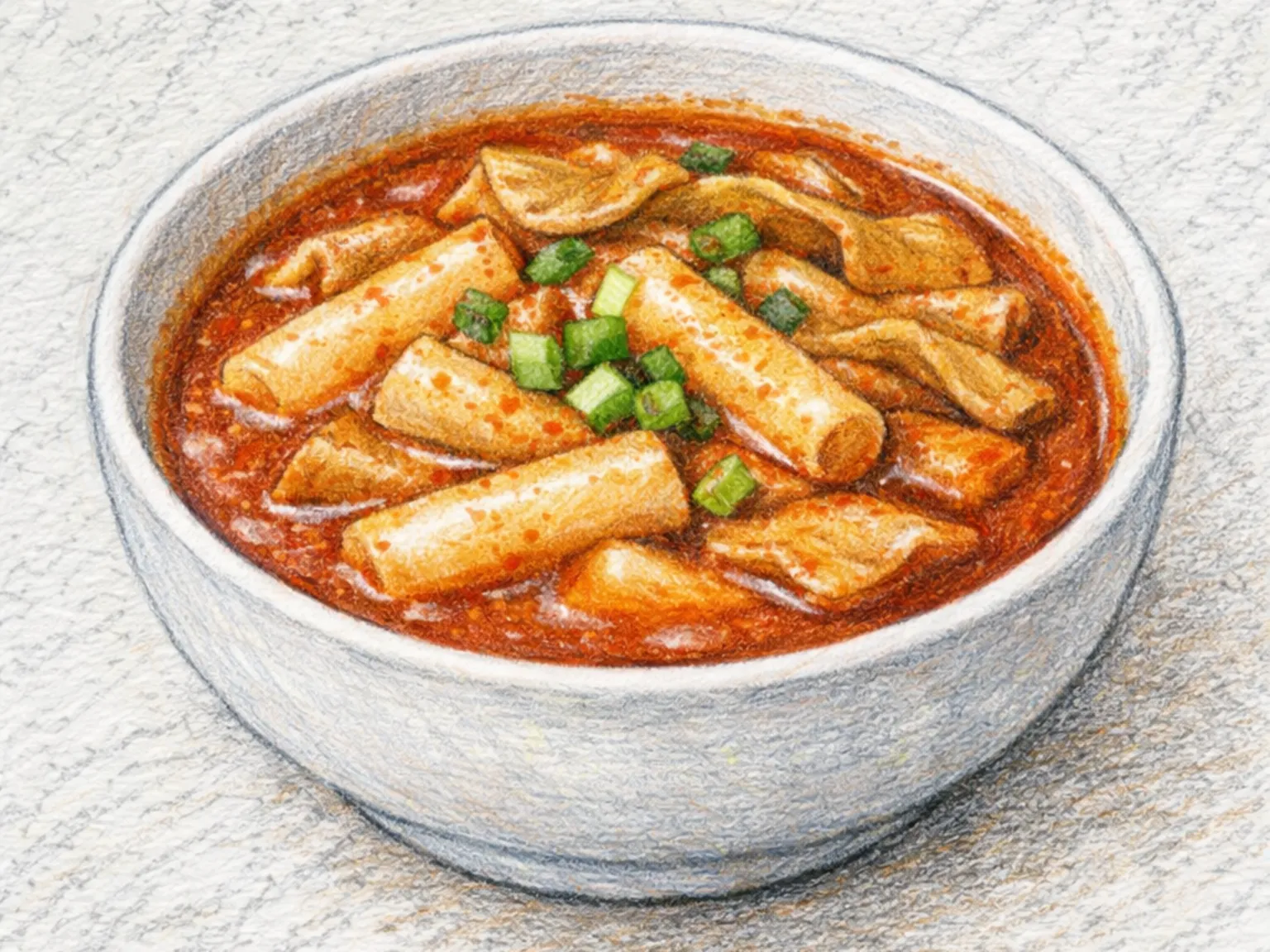
Korean Soupy Tteokbokki (Rice Cakes in Spicy Gochujang Broth)
rice cakes, fish cake
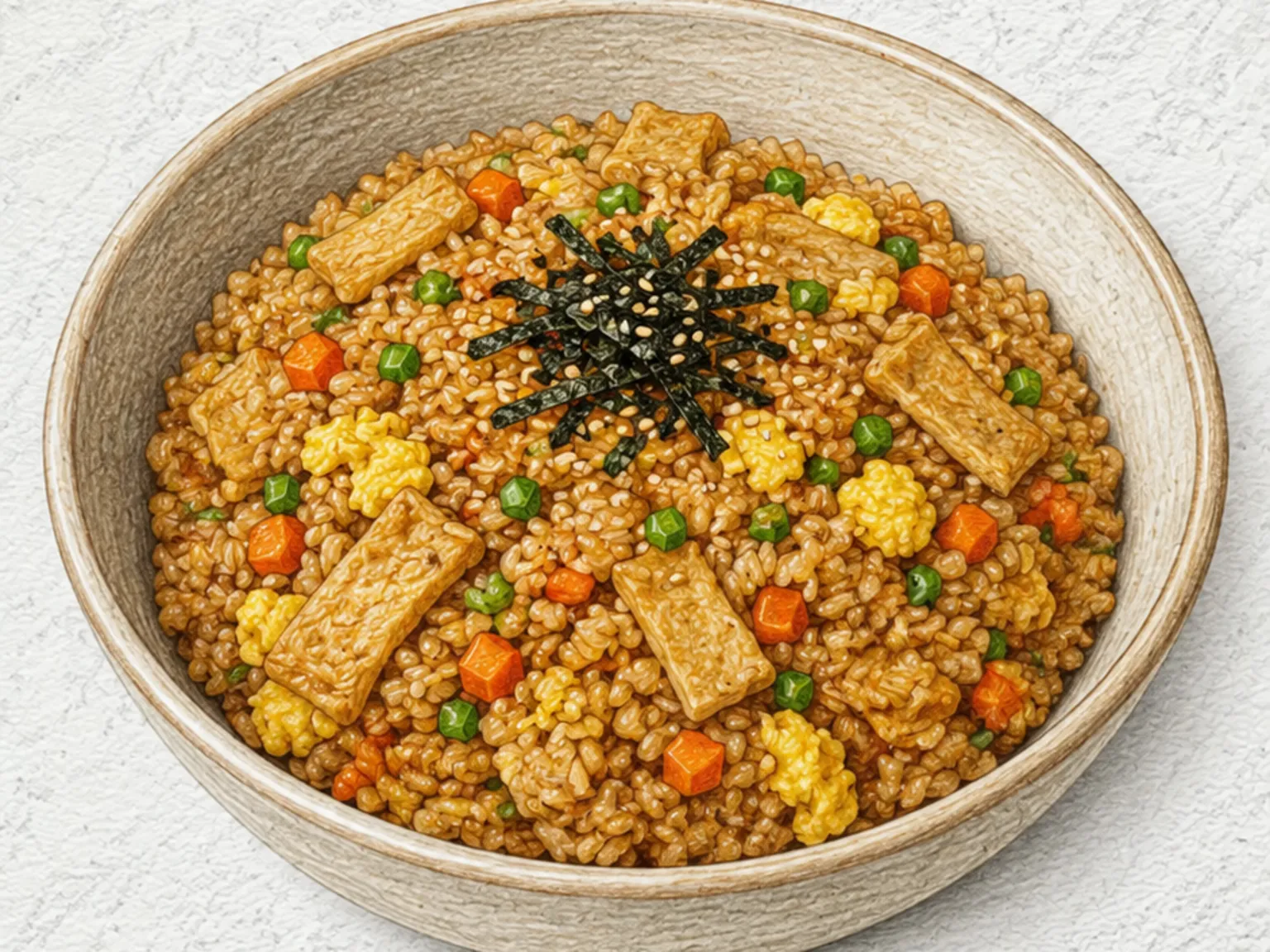
Korean Fish Cake Fried Rice
fish cake, green onion
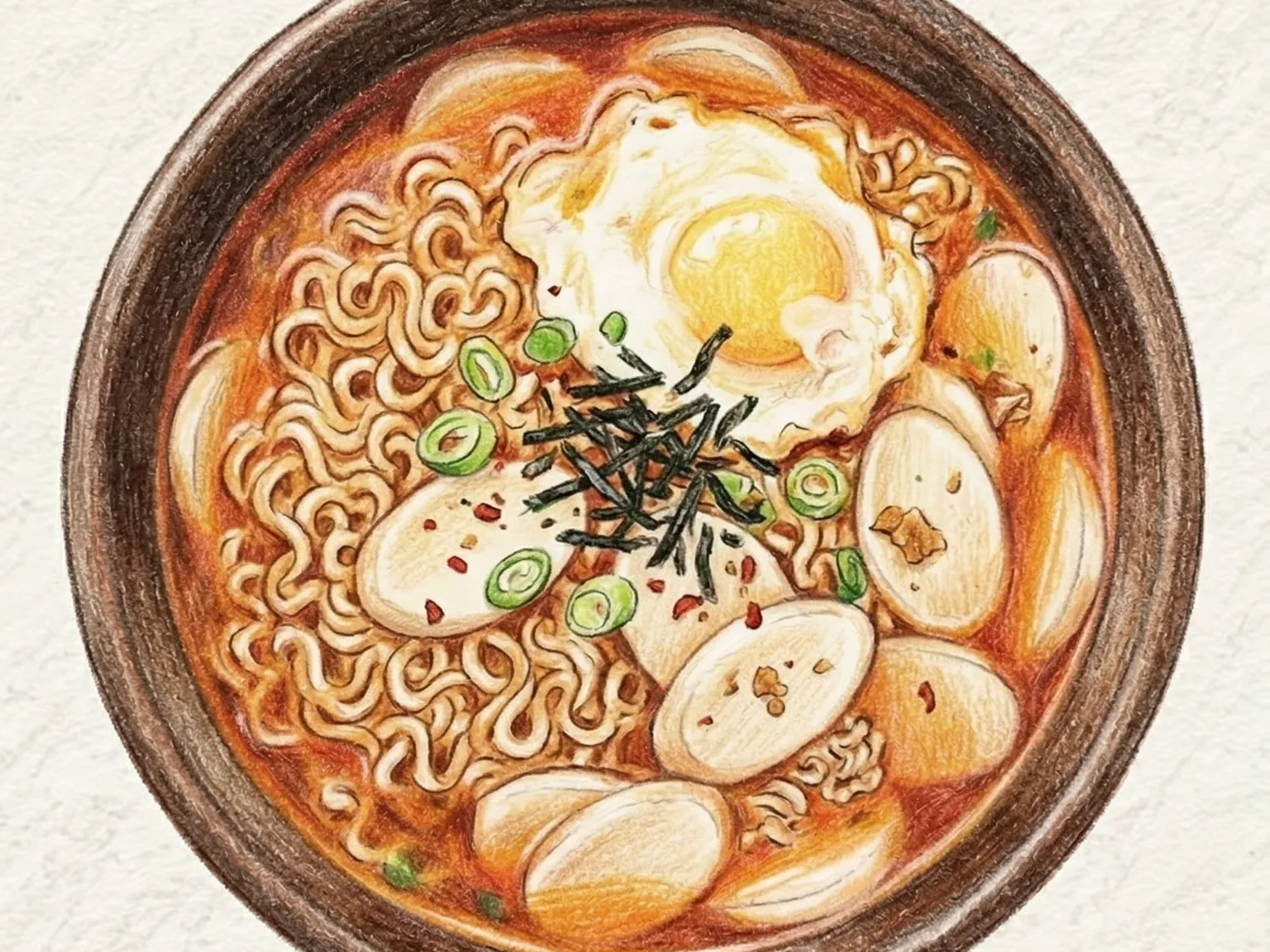
Korean Tteok and Ramyeon (Instant Ramen with Chewy Rice Cakes)
rice cakes, green onion