Red Bean Baked Doughnuts (Oven-Baked Doughnuts with Bean Paste)
Quick answer
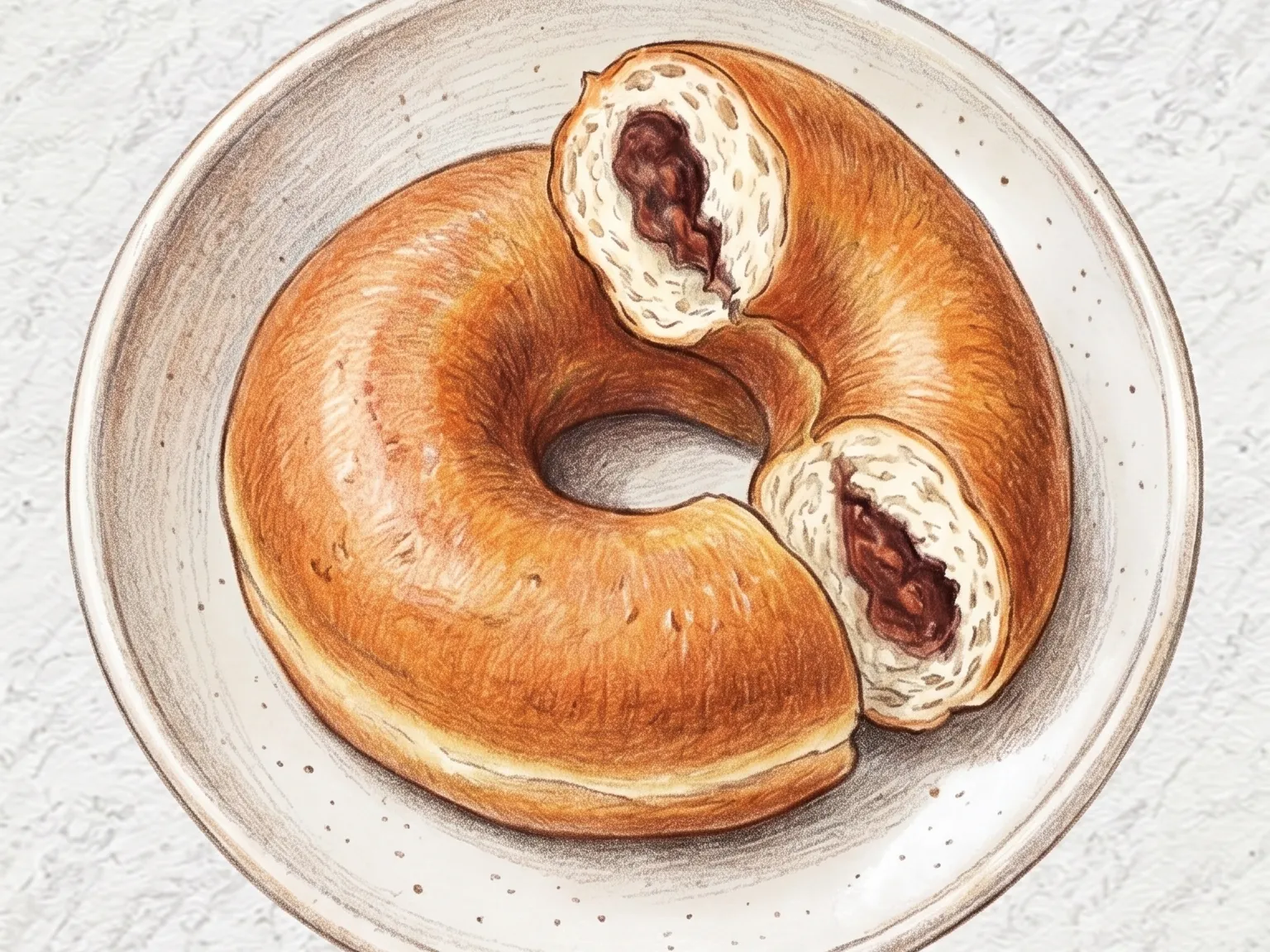
These baked doughnuts encase a core of sweetened red bean paste inside a soft, cake-like crumb, delivering the satisfaction of a filled doughnut without any frying.
What makes this special
- Red Bean Baked Doughnuts enclose a sweet bean paste core inside a soft, oven-baked crumb.
- Chilled red bean paste stays centered and doesn't spread during baking
- No yeast needed; baking powder alone makes this a quick oil-free oven doughnut
Key ingredients
Core cooking flow
- 1 Keep the 140 g sweet red bean paste chilled while you prepare the pan.
- 2 Sift 180 g cake flour, 6 g baking powder, and 70 g sugar together into a mixing bowl.
- 3 In another bowl, whisk 1 egg with 150 ml milk, 45 g melted unsalted butter, and 2 ml vanilla.
These baked doughnuts encase a core of sweetened red bean paste inside a soft, cake-like crumb, delivering the satisfaction of a filled doughnut without any frying. The batter is spooned halfway into a greased doughnut mould, a teaspoon of chilled red bean paste is placed on top, and more batter seals it in before baking. The result is a ring with a fluffy exterior and a hidden pocket of dense, earthy-sweet filling that reveals itself on the first bite. Because the recipe relies on cake flour and baking powder rather than yeast, the entire process from mixing to cooling takes under forty minutes. Minimal stirring is essential - overworking the batter activates too much gluten and turns the finished doughnut tough instead of tender. Keeping the bean paste cold before assembly prevents it from melting into the surrounding batter and losing its distinct layer. The absence of oil gives these doughnuts a remarkably clean finish, making them well suited as a light afternoon snack.
Instructions
Read the steps as a cooking flow: prep, heat, seasoning, doneness control, and finish.
- 1Heat
Keep the 140 g sweet red bean paste chilled while you prepare the pan.
Preheat the oven to 180C, then coat the doughnut mould very lightly with butter or oil so the baked doughnuts release cleanly.
- 2Season
Sift 180 g cake flour, 6 g baking powder, and 70 g sugar together into a mixing bowl.
Whisk briefly to distribute the leavening evenly, which helps the doughnuts rise without bitter pockets of baking powder.
- 3Season
In another bowl, whisk 1 egg with 150 ml milk, 45 g melted unsalted butter, and 2 ml vanilla.
Add the butter while only lukewarm, because hot butter can partially cook the egg and make the batter uneven.
- 4Prep
Pour the wet mixture into the dry ingredients and fold with a spatula, scraping the bottom of the bowl.
Stop as soon as no dry flour remains, since extra mixing makes the cake-like crumb tough instead of soft.
- 5Control
Fill each cavity only halfway with batter, then place a small spoonful of the chilled red bean paste in the center.
Cover with more batter until the filling is hidden, keeping it away from the edges to prevent leaking.
- 6Heat
Bake at 180C for 12 to 15 minutes, until the tops are lightly golden and spring back when gently pressed.
Let them rest in the pan for 5 minutes, then unmold and cool completely before serving.
After the steps
Pick a recipe that fits this dish.
Continue with shared ingredients, meal pairings, or a similar method.
Recipes That Go Well With This
More Baking →Based on shared ingredients and meal pairing
Walnut Cakes (Korean Bite-Sized Red Bean Walnut Pastries)
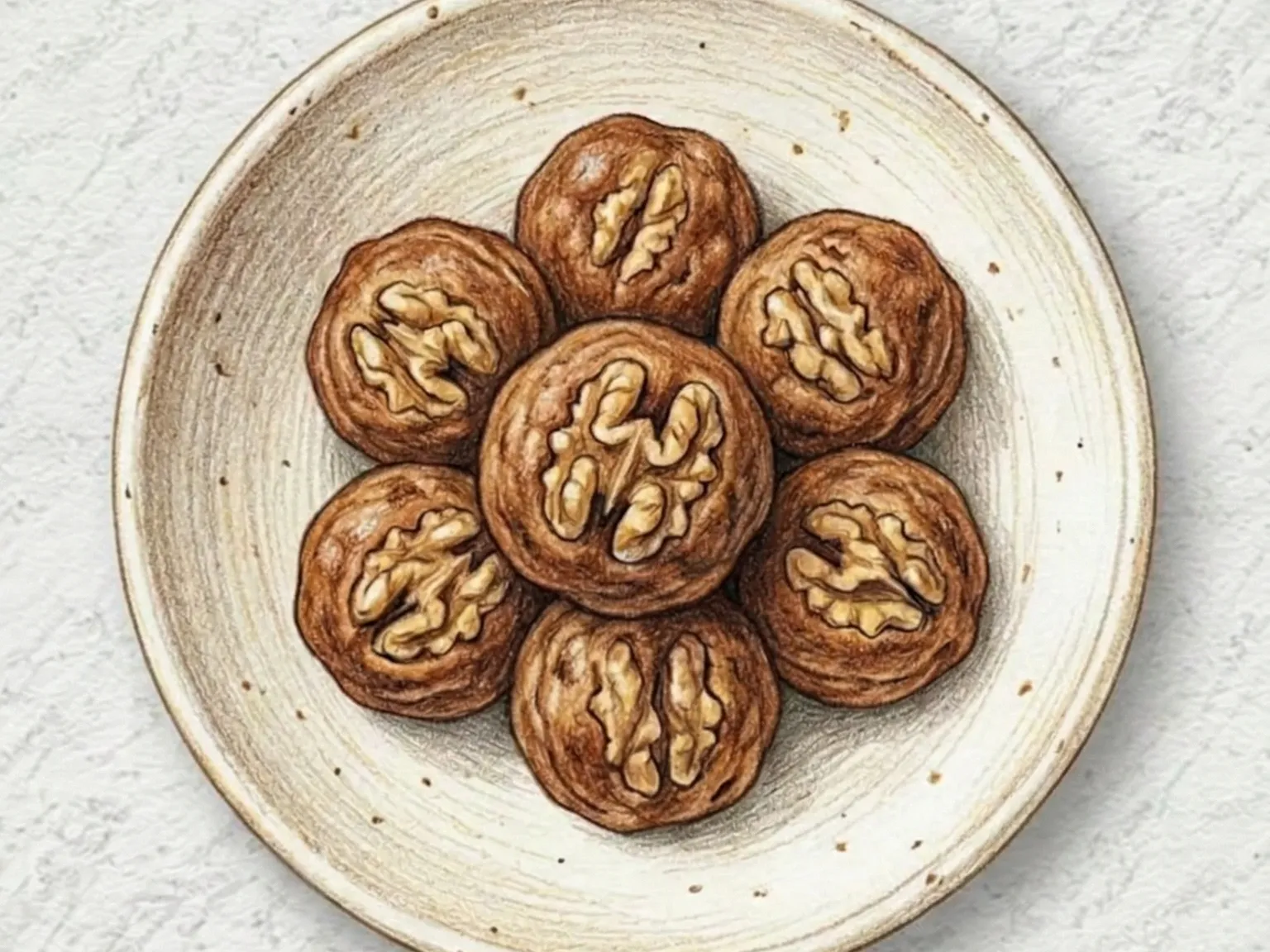
Hodu-gwaja are bite-sized Korean walnut cakes baked in a dedicated walnut-shaped cast iron mold, made from a batter of cake flour, baking powder, eggs, milk, and melted butter. Each cavity is half-filled with batter, then topped with sweet red bean paste and a toasted walnut half, sealed with a second pour of batter, and cooked over medium-low heat for six to eight minutes per side. The result is a thin, lightly browned shell encasing a moist, soft interior. Toasting the walnut halves at 160 degrees Celsius for five minutes beforehand makes a noticeable difference: the finished cakes carry a deeper, more fragrant nut aroma compared to those made with untoasted walnuts. Resting the batter for ten minutes before using it relaxes the gluten, which reduces air pockets during pouring and produces a smoother exterior surface. The cake originated as a regional specialty of Cheonan in South Chungcheong Province and has since become one of the most recognized snacks sold at highway rest stops and traditional markets across the country.
Mugwort Red Bean Muffin (Korean Herbal Sweet Bean Muffin)
This muffin combines mugwort powder and cooked sweet red beans in a soft, fluffy batter that bridges Korean traditional flavors with Western baking technique. Mugwort contributes a distinctive herbal fragrance - faintly bitter, grassy, and deeply aromatic - that permeates the entire crumb and gives it a muted green hue. The red beans, folded in whole, add pockets of grainy sweetness that burst with each bite. Cake flour and baking powder keep the rise gentle and the texture light, while melted butter adds moisture without heaviness. The combination of mugwort and red bean is deeply familiar from Korean rice cakes, but baking it as a muffin introduces a crisp top and a pillowy interior that the steamed rice cake format cannot offer. Mixing the batter in no more than ten to twelve strokes prevents toughness - visible streaks of flour are acceptable and even preferred over a smooth, overworked batter. The beans should be folded in last with a gentle spatula motion to preserve their shape. These muffins pair naturally with grain-based lattes, where the roasted notes in the drink echo the earthy quality of the mugwort.
Korean Job's Tears Walnut Latte
Yulmu-hodu latte is a traditional Korean grain-based beverage prepared by combining job's tears and walnuts with milk to create a thick and consistent texture. The preparation begins by soaking the job's tears in water for a minimum of two hours. This extended soaking period is necessary to soften the grains thoroughly, ensuring they pulverize completely during the blending process to avoid a gritty or sandy mouthfeel. Once softened, the job's tears are dry-toasted along with the walnuts in a pan. This heat application serves to caramelize the starches within the grains, which effectively removes the scent of raw grain and replaces it with a concentrated, roasted aroma. After the toasted ingredients are blended with milk, the liquid is passed through a fine strainer to achieve a smooth and silky finish. Sweetness is added using honey, accompanied by a small amount of salt to highlight the deep profile of the roasted nuts. A light sprinkle of ground cinnamon is applied to the surface to provide a subtle spice that balances the grounded flavor of the grain base. For cold servings, it is important to dissolve the honey while the liquid is still warm to ensure it distributes thoroughly throughout the drink instead of settling at the bottom of the container. The resulting beverage offers a depth of flavor and a rounded profile that is far more prominent than what is found in mass-produced, packaged versions of similar grain drinks.
Injeolmi Scone (Soybean Powder & Rice Cake Scone)
This scone folds roasted soybean powder and small pieces of glutinous rice cake into a classic British scone dough, capturing the flavor of Korean injeolmi in a handheld baked form. Soybean powder mixed into the dough lends the crumb a warm, toasted nuttiness that plain flour alone cannot produce, and the tteok pieces soften and melt in the oven, leaving behind chewy, stretchy pockets scattered throughout the crumb. Cold butter cut into small pieces and worked into the dry ingredients without fully melting is what allows the scone to develop distinct flaky layers that crack at the surface while the interior stays tender and moist. Minimal mixing is the central technique: working the dough only until the ingredients just come together prevents gluten development that would produce a tough, dense result instead of the desired crumbly tenderness. A drizzle of honey or a small bowl of sweetened condensed milk served alongside echoes the traditional way injeolmi is eaten and reinforces the sweet-nutty pairing that defines the dish. Warm green tea or pu-erh makes a natural companion for the afternoon. Cutting the tteok into pieces no larger than one centimeter ensures they melt evenly through the bake rather than leaving undercooked chunks in the center.
Serve with this
Half-moon Rice Cake (Sesame Honey Filled Steamed Rice Cake)
Kkul songpyeon are traditional half-moon rice cakes shaped by hand from rice flour dough and filled with a paste of finely ground toasted sesame seeds, honey, and dark brown sugar, then steamed over a bed of fresh pine needles. Grinding the sesame seeds fine enough to form a cohesive mixture with honey and sugar is important -- the oil-rich nuttiness and dense sweetness bind together into a smooth filling that turns moist and paste-like as steam penetrates the rice dough during cooking. Arranging pine needles at the bottom of the steamer imparts a faint resinous, woody fragrance to the surface of each rice cake after 15 minutes of steaming, layering over the natural grain aroma of the rice flour dough. After steaming, a quick rinse in cold water stops carry-over cooking, and a thin brush of sesame oil gives each songpyeon a glossy sheen while preventing them from sticking together. Shaping songpyeon together as a family at Chuseok is one of the most recognizable autumn traditions in Korea, and the saying that beautifully shaped songpyeon foretells a beautiful daughter remains widely repeated today.
Fruit Salad (Fresh Seasonal Fruit in Yogurt)
Fruit salad dices apple, banana, kiwi, strawberries, and blueberries into uniform bite-sized pieces and folds them gently into a light dressing of plain yogurt, honey, and lemon juice. Cutting everything to a similar size ensures an even mix of crisp, soft, and juicy textures in every spoonful. The lemon juice serves two purposes - it adds a bright acidity that ties the different fruits together and slows the oxidation that turns apple flesh brown. Banana should be added last to prevent it from turning mushy under the weight of the other ingredients. Using unsweetened yogurt lets the natural sweetness of the fruit stand out more clearly, and chilling the finished salad for about ten minutes allows the fruit juices to merge with the dressing for a more cohesive flavor.
Sloppy Joe
Sloppy Joe is an American sandwich where ground beef is browned with diced onion until the moisture cooks off, then simmered in a sweet-savory sauce made from tomato paste, ketchup, Worcestershire sauce, and a small amount of sugar. Browning the beef thoroughly before adding the sauce ingredients is critical - residual moisture dilutes the sauce and prevents the meat from developing flavor. Tomato paste provides concentrated umami, ketchup adds sweetness and body, and Worcestershire contributes a fermented depth that ties the flavors together. The mixture is simmered on low heat for about eight minutes until thick enough that it holds its shape on a spoon rather than running off. Toasting the buns before assembly creates a barrier that slows the inevitable soaking, and pickles served alongside cut through the richness.
Similar recipes
Red Bean Pastry (Korean Gyeongju Soft Bun with Anko)
Gyeongju-ppang is a baked Korean pastry made from a yeast-leavened dough enriched with milk and butter, wrapped generously around a core of sweet red bean paste. The dough is rolled thin, formed around the filling with the seam placed down, and baked at 180 degrees Celsius until the top domes up smooth and the surface takes on a pale golden color. Because the filling-to-dough ratio is deliberately high, the dominant flavor in each bite is the dense, sweet red bean, with the thin enriched shell contributing a quiet dairy aroma. The pastry traces its lineage to hwangnam-ppang, originating in the Hwangnam district of Gyeongju, and has become one of the city's defining food souvenirs. It stays moist after cooling, which makes it practical both as a packaged gift and as an everyday snack eaten at room temperature.
Ssuk Bam Crumble Bars (Mugwort Chestnut Bars)
A cookie-like base made with mugwort powder supports a layer of roasted chestnut pieces, all blanketed by a crumbly butter streusel and baked until golden. The mugwort infuses the entire bar with a subtle, herbal earthiness - green and faintly bitter, reminiscent of fresh spring grass - while the chestnuts lose moisture in the oven and concentrate into pockets of dense, natural sweetness. The bottom layer bakes firm and crisp, providing structural integrity, while the crumble on top breaks apart irregularly, delivering varying bursts of buttery crunch with every bite. Sugar and butter in the dough temper the mugwort's bitterness so it reads as aromatic depth rather than sharpness. Pairing these bars with warm green tea creates a resonance between the herbal notes, each reinforcing the other.
Deulkkae Kkul Muffins (Perilla Honey Muffins)
Ground perilla seeds are folded into a quick muffin batter alongside honey and brown sugar, creating a Korean-inspired bake with a pronounced nutty fragrance and gentle sweetness. The perilla flavor is warm and toasty, somewhere between sesame and fresh herbs, and it builds with each bite rather than fading. Honey keeps the crumb moist without making it heavy, and neutral oil replaces butter so the perilla aroma stays at the forefront. Mixing the batter in only ten to twelve strokes is critical: overmixing toughens the gluten and dulls the texture. A light sprinkle of perilla powder on top before baking gives each muffin a visual cue and an extra burst of fragrance when broken open. They pair well with grain lattes, where the roasted notes in the drink echo the seed's toasted character.