Ropa Vieja (Cuban Shredded Beef in Tomato Sauce)
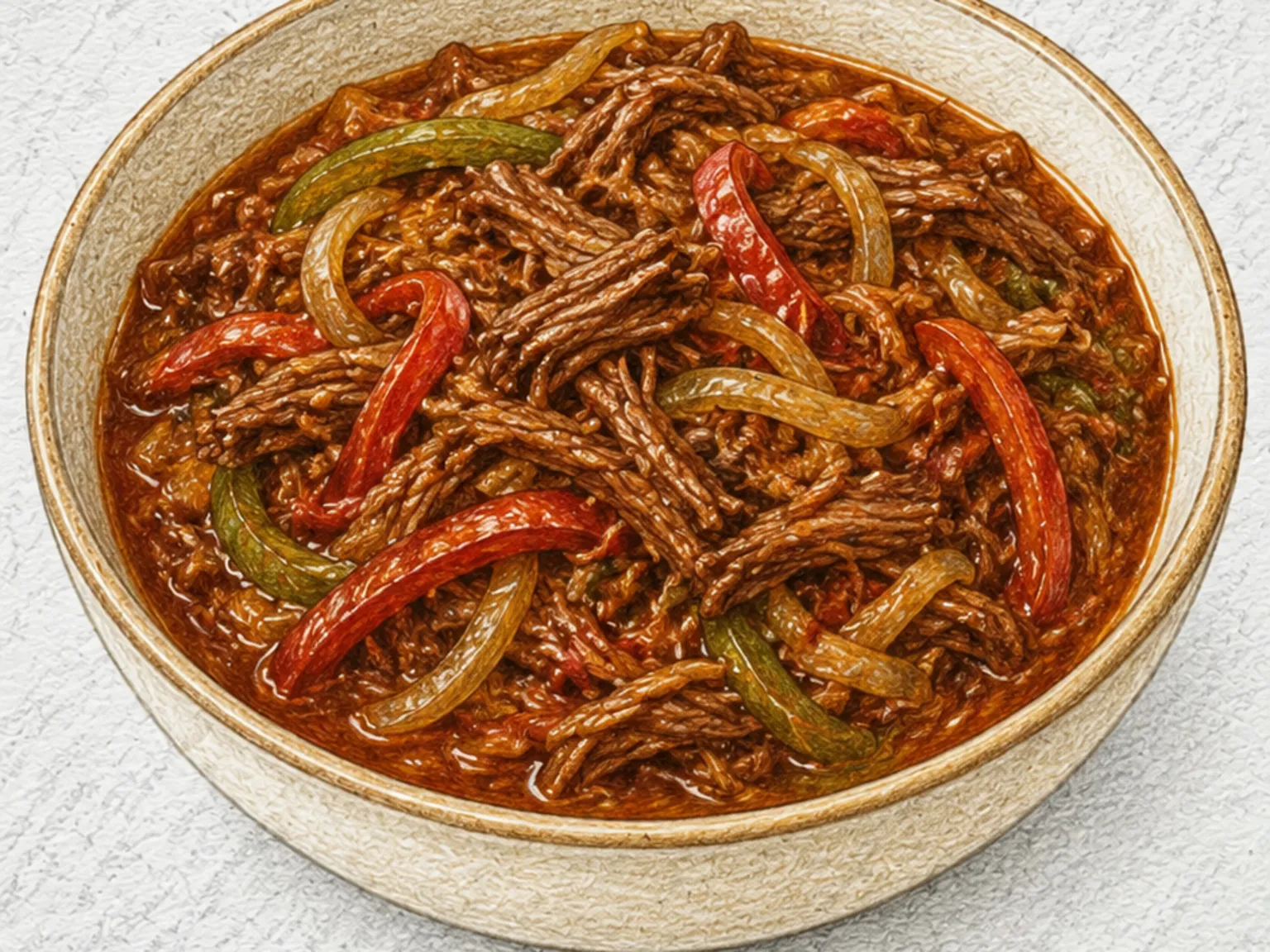
Ropa vieja is a traditional Cuban dish in which beef chuck is boiled whole until tender enough to shred with forks, then simmered in a sauce of sauteed onion, bell pepper, crushed tomatoes, and paprika powder. The name means 'old clothes' in Spanish, a reference to the shredded meat's resemblance to torn fabric. Cooking the beef long enough is essential - undercooked chuck resists shredding and turns out tough and stringy. Simmering the shredded meat in the tomato-pepper sauce for twenty-five minutes drives the savory, slightly smoky flavor deep between the fibers. Served over rice or alongside bread, the sauce absorbs into the starch for a satisfying, complete meal.
Adjust Servings
Instructions
- 1
Boil beef until tender enough to shred.
- 2
Cool the beef and shred it finely along the grain.
- 3
Saute onion, bell pepper, and garlic in oil.
- 4
Add tomatoes and paprika, simmering the sauce for 5 minutes.
- 5
Add shredded beef and water, then simmer 25 minutes until thickened.
As an Amazon Associate, we may earn from qualifying purchases.
Tips
Nutrition (per serving)
Goes Well With

Virgin Mojito
Virgin mojito is a non-alcoholic cocktail built by gently muddling lime wedges and fresh mint leaves in a glass with simple syrup, then filling with sparkling water and ice. The muddling must be light enough to press the essential oils from the leaves without breaking the stems, since bruised stems release a bitter flavor that takes over the drink. One lime is cut into wedges for muddling while a second is juiced separately, which gives the drink both the textural element of pulp and the clean, sharp acidity of fresh juice. A pinch of salt added before muddling amplifies the lime's tartness in a way that simply adding more lime cannot replicate. The carbonation from the sparkling water carries mint aroma upward as it rises, so the first sip delivers fragrance before the liquid even reaches the palate. Larger ice cubes melt more slowly than crushed ice, preserving the balance of the drink for longer. A second option is to clap a few mint leaves between the palms to wake up the aroma before placing them in the glass, which extracts fragrance without any muddling at all.

Seven Layer Salad
Seven layer salad stacks romaine lettuce, sliced cucumber, halved cherry tomatoes, cooked green peas, chopped boiled egg, and thinly sliced red onion in a clear glass bowl, then seals the top with a smooth layer of Greek yogurt mixed with lemon juice. The yogurt cap acts as a moisture barrier, preventing the lower layers from turning soggy and making the salad suitable for advance preparation. Boiled eggs contribute a mild richness and peas add a starchy sweetness that rounds out the crisp vegetable layers, while red onion's sharp bite creates a contrast against the creamy, tangy dressing. Serving requires scooping deep to the bottom so every portion captures all seven layers at once.

Sweet Rice Punch (Traditional Korean Malted Barley Grain Drink)
Sikhye is a traditional Korean sweet rice punch made by steeping malted barley powder in lukewarm water, straining the liquid, adding cooked rice, and holding the mixture at around 60 degrees Celsius for one hour until the rice grains float to the surface. The amylase enzymes in the malt break down the rice starch, producing a distinctly malty, clear sweetness with grain depth that no sugar alone can replicate. Only the clear top liquid is used after settling -- discarding the sediment keeps the punch from turning cloudy. Simmering with sugar and sliced ginger for 20 minutes rounds the sweetness and adds a gentle, spiced warmth to the finish. Served well chilled with the reserved floating rice grains and pine nuts on top, the cold temperature sharpens the malty aroma and makes each sip crisp. Temperature control during the steeping stage is critical: if the mixture exceeds 70 degrees Celsius, the amylase denatures and the grains will not float, so keeping a steady 60-degree hold determines whether the preparation succeeds.

Gamtae Butter Scallop Spaghetti
Preparing gamtae butter scallop spaghetti requires high heat to develop a properly caramelized exterior on the scallops. This process involves searing the scallops for ninety seconds on each side to create a deep brown crust. Before the scallops ever touch the pan, it is essential to ensure they are completely dry by patting them down thoroughly with paper towels. Removing all surface moisture prevents the scallops from steaming in the pan. If the scallops remain damp, they will turn out soft and pale instead of achieving the intended texture and color. After the scallops have been removed from the heat, the remaining browned bits, known as the fond, serve as the primary flavor foundation for the sauce. Garlic and butter are added to the same pan, followed by white wine which is used to deglaze the surface. As the liquid simmers, the alcohol evaporates, leaving behind a clean acidity that balances the richness of the other ingredients. The sauce is finished by swirling in cold butter at the final stage, which creates a smooth and stable emulsion that coats each spaghetti strand evenly. The final component is gamtae seaweed, which has a flavor profile that is notably more delicate and milder than standard nori. By crumbling this seaweed over the pasta immediately before it is served, you introduce a subtle oceanic quality that bridges the gap between the richness of the butter and the natural sweetness of the scallop meat. To complete the preparation, a measured amount of fresh lemon juice is squeezed over the dish. This acidity sharpens the various flavor components and reduces the perceived heaviness of the fats, ensuring that the pasta remains balanced throughout the meal.
More Recipes

Picadillo Cubano (Cuban Ground Beef with Olives and Raisins)
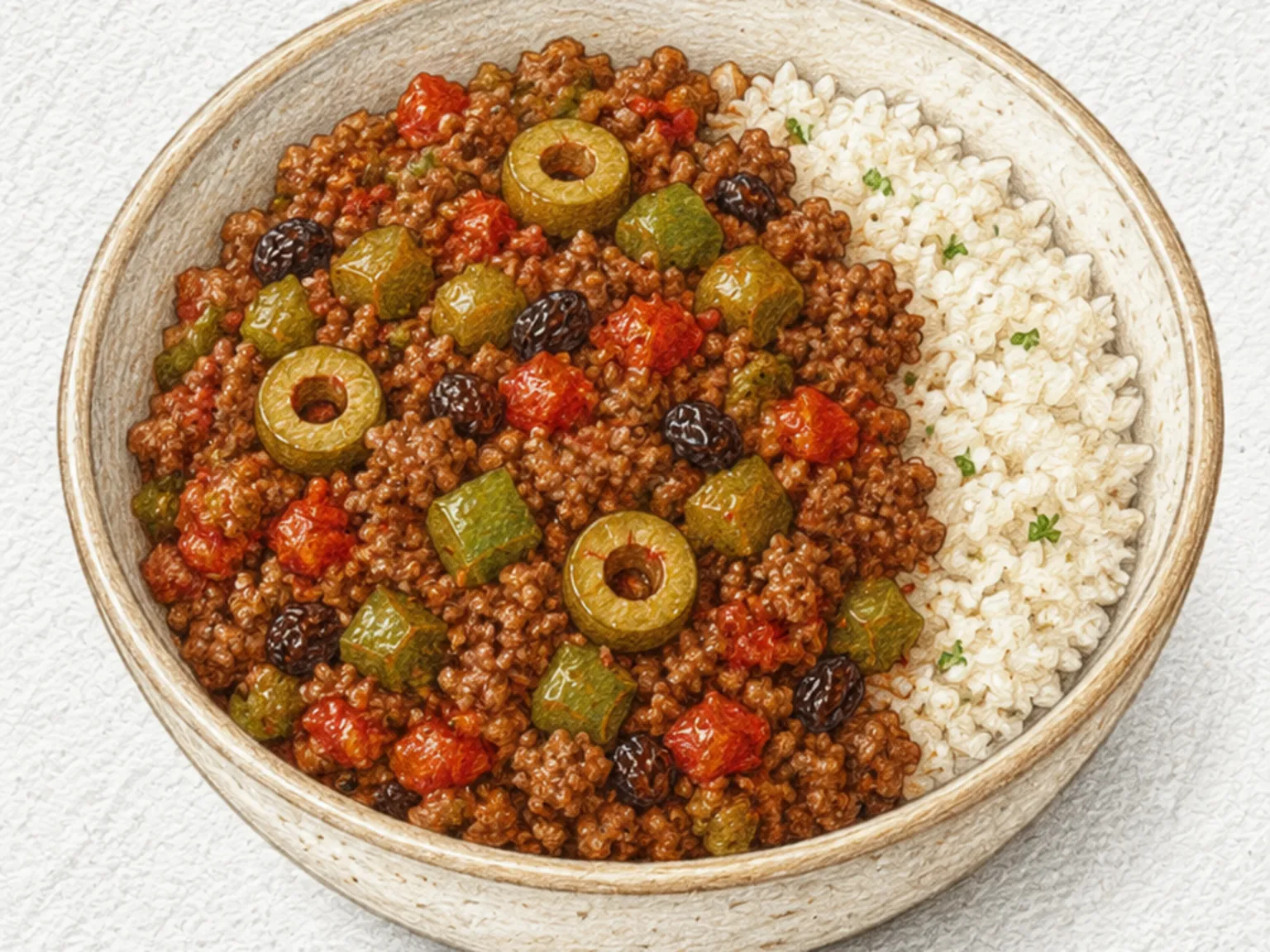
Picadillo Cubano is a cornerstone of Cuban home cooking, made by browning ground beef and simmering it with crushed tomatoes, green olives, and raisins. The identity of the dish lies in the interplay between the briny, savory olives and the subtle sweetness of the raisins, creating a sweet-salty balance within a single pan. The beef must be spread in a single layer over high heat so moisture evaporates quickly and the meat develops brown caramelization - crowding the pan causes it to steam and turn gray. Cumin and oregano contribute the earthy, warm spice profile characteristic of Latin cooking, while diced bell pepper adds a crisp freshness. Served over white rice in the most traditional fashion, it becomes a complete Cuban plate when accompanied by black beans and fried plantains.

Hungarian Goulash
Goulash is a traditional Hungarian stew in which beef chuck is slow-cooked with substantial amounts of paprika until the meat breaks apart at the slightest pressure from a fork. Onions are fried until they reach a deep golden color, then paprika powder and garlic are added and toasted in the rendered fat for about a minute, a step that dissolves the fat-soluble pigments and aromatic compounds of the paprika into the oil and sets the color and flavor profile for the entire stew. Browning the beef before adding liquid builds an additional layer of savory depth through surface caramelization. Tomato paste, beef stock, and caraway seeds go in next, and the pot simmers on low heat for over an hour while the connective tissue and collagen inside the chuck slowly convert to gelatin, enriching the broth and softening the meat to the point where it pulls apart without any knife work. Potatoes are added for the final thirty minutes, absorbing the paprika-saturated broth as they cook while releasing their starch into the liquid, which naturally thickens the sauce to a rich, clingy consistency that coats the meat without any additional thickener needed.

Korean Tomato Beef Rib Stew
This fusion-style stew pairs beef short ribs with ripe tomatoes in a broth seasoned with gochujang and gochugaru. The ribs are simmered until the broth is deeply infused with beefy richness, and the tomatoes break down to add natural acidity and sweetness. Potato chunks cook until fluffy, lending substance, while onion rounds out the broth's sweetness. The combination of soy sauce and chili paste with tomato's brightness creates a flavor that feels both novel and familiar.

Beef Bourguignon
Beef bourguignon is a Burgundian stew that slow-braises beef chuck in red wine for at least two hours, long enough for the tough connective tissue to dissolve into silky, fork-yielding meat and for the wine to condense into a glossy, concentrated sauce. Bacon is rendered first for its fat, which then sears the beef cubes into a deep, caramelized crust before the wine enters the pot, stacking smoky and browned notes into the base. As the wine reduces around the meat, it transitions from a thin liquid into a sauce that coats everything in the pot with an even, mahogany-colored gloss. Mushrooms and pearl onions absorb the sauce during the final stage of cooking, the mushrooms turning spongy and meaty, the onions sweet and yielding. Tomato paste and beef stock anchor the wine's natural acidity so the finished dish reads as deeply savory rather than sharp. The sauce should cling to the back of a spoon when done.

French Beef Stew
French beef stew transforms inexpensive, collagen-rich cuts like chuck or brisket into something deeply tender through unhurried heat. The process begins by cutting the beef into large chunks, dusting them with flour, and searing in a hot pan until every surface is properly browned. That browning step is not optional: the Maillard crust formed at high heat becomes the flavor foundation of the entire pot. Red wine and beef stock are then added, and the pot cooks at a low, gentle temperature for at least two hours. During that time the tough connective tissue in the shank breaks down completely, and the meat becomes soft enough to fall apart with a fork. Root vegetables including carrots, potatoes, celery, and onion braise alongside the beef, gradually releasing natural sugars and body into the liquid. The red wine reduces throughout the cook, its sharp acidity mellowing away while the fruit depth and tannic structure remain, giving the sauce a rounded, full-bodied backbone. Thyme and bay leaf infuse the broth with herbal warmth from the first moment and continue building throughout the long cook. The stew improves overnight, when the flavors continue to develop in the refrigerator and the seasoning penetrates every part of the meat.

Nikujaga (Japanese Beef Potato Onion Soy-Sweet Stew)
Nikujaga is a Japanese home-cooked stew often described as the dish that defines a mother's cooking in Japan. Thinly sliced beef, potatoes, onion, carrot, and shirataki noodles are simmered in a broth of dashi, soy sauce, mirin, and sugar. The dish traces its origins to the Meiji era, when a Japanese naval officer attempted to recreate British beef stew using local ingredients -- resulting in a clear, soy-based braise rather than a thick, flour-bound stew. The potatoes absorb the seasoned liquid until soft at the edges but still holding shape, while shirataki noodles soak up flavor and add a springy contrast.