Korean Ginger Chicken Breast Stir-fry
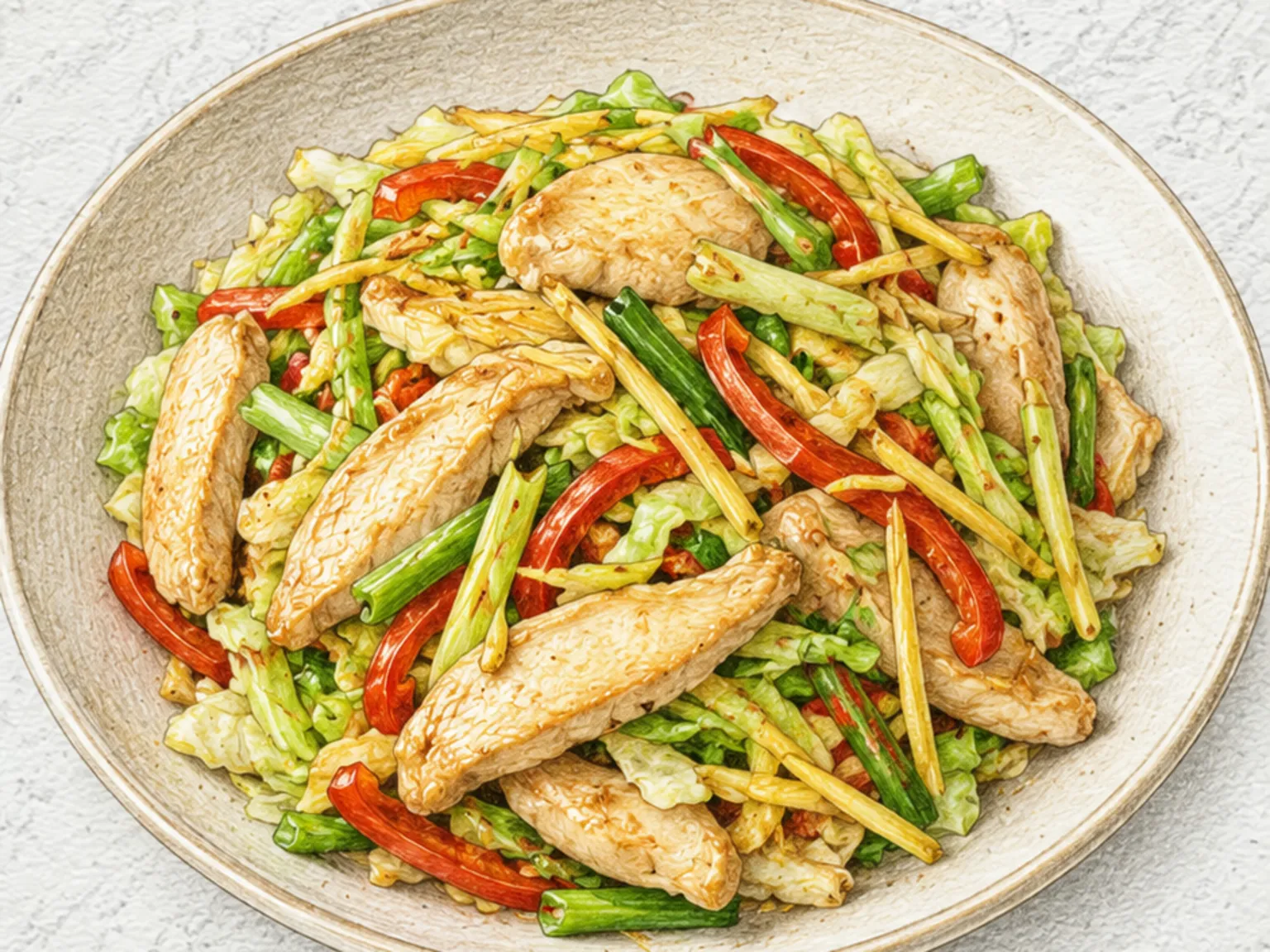
Saenggang dakgaseumsal-bokkeum stir-fries marinated chicken breast with julienned fresh ginger, cabbage, bell pepper, and green onion over high heat. The chicken is briefly seasoned with soy sauce, garlic, and black pepper, then seared in a pan where ginger and scallion have already bloomed their aroma. Vegetables go in last to keep their crunch, and a touch of honey rounds out the seasoning. The result is a lean, aromatic stir-fry where ginger's sharp warmth permeates every piece of chicken without heaviness.
Adjust Servings
Instructions
- 1
Cut chicken breast bite-size and marinate with 1 tbsp soy sauce, garlic, and pepper for 8 minutes.
- 2
Julienne ginger and roughly slice cabbage and bell pepper.
- 3
Heat oil and stir-fry ginger with green onion for 40 seconds to bloom aroma.
- 4
Add chicken and stir-fry on high heat for 4 minutes to sear the surface.
- 5
Add cabbage, bell pepper, remaining soy sauce, and honey; cook 2–3 more minutes.
- 6
When moisture is mostly gone, turn off heat, rest 1 minute, and plate.
As an Amazon Associate, we may earn from qualifying purchases.
Tips
Nutrition (per serving)
More Recipes

Korean Lotus Root Chicken Breast Stir-fry
Yeongeun-dakgaseumsal-bokkeum stir-fries soy-and-wine-marinated chicken breast with lotus root, bell pepper, and onion. The lotus root is sliced 3mm thick and soaked in vinegar water to prevent browning and keep its crunch, while the chicken is cooked quickly over medium-high heat to avoid drying out. Oligosaccharide syrup mixed with soy sauce creates a glossy glaze that coats the ingredients, and bell pepper adds color and sweetness. The crisp, starchy bite of the lotus root paired with the lean chicken makes this a protein-rich banchan that stays grease-free and packs well for lunches.

Korean Chicken Breast & Mugwort Stir-fry
Dakgaseumsal-mugwort-bokkeum is a Korean stir-fry that pairs thinly sliced chicken breast with young spring mugwort. The lean chicken provides a clean protein base, while the mugwort contributes a distinctive herbal fragrance with gentle bitterness. Light soy sauce and minced garlic season the dish without masking the natural flavors. It is a low-fat, aromatic dish popular during early spring when fresh mugwort is in season.

Korean Selleri Sogogi Bokkeum (Celery Beef Stir-fry)
Selleri sogogi-bokkeum stir-fries soy-marinated lean beef round with celery, onion, and bell pepper over high heat. The beef is seared first for about two and a half minutes then set aside, and the vegetables are cooked separately in the same pan to keep them crisp before everything is combined. Oyster sauce and soy sauce give the beef a deep umami character, while celery's herbal freshness and firm crunch lighten the overall dish. Adding celery leaves at the very end intensifies the aromatic, almost grassy fragrance.

Korean Garlic Scape Chicken Breast Stir-fry
Maneuljjong dakgaseumsal bokkeum is a stir-fry of soy-marinated chicken breast cooked with ginger and garlic, then combined with garlic scapes cut to 5 cm and julienned carrot, finished in a glaze of oyster sauce and soy sauce. Chicken breast is naturally lean, and the oyster sauce compensates for its low fat by adding concentrated umami. The garlic scapes' crisp texture and the carrot's mild sweetness break up the chicken's plainness, while ginger neutralizes any poultry odor. The high-protein, low-fat profile makes this a practical option for meal prep and calorie-conscious eating.

Korean Chicken Breast Perilla Porridge
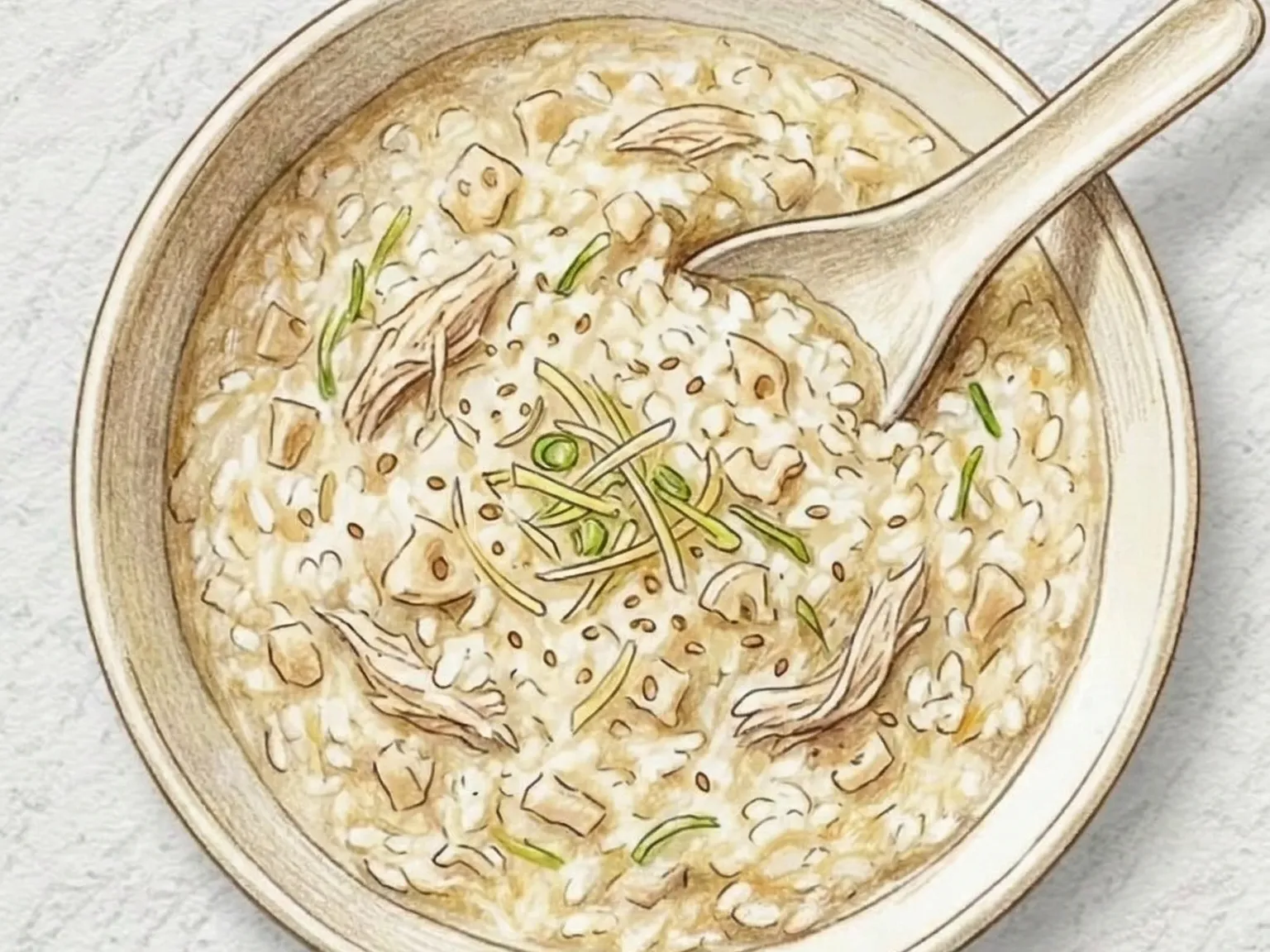
Dakgaesal deulkkae juk is a Korean porridge enriched with perilla seed powder, built on a base of shredded chicken breast, onion, and carrot stir-fried before simmering with soaked rice and chicken stock. The perilla powder dissolves into the porridge as it cooks, creating a thick, creamy consistency and a deeply nutty aroma that defines every spoonful. The chicken adds lean protein without heaviness, making the bowl nourishing and easy to digest. Unlike sesame, which has a sharper roasted quality, perilla carries a rounder, more herbaceous nuttiness that makes the porridge feel distinctly Korean. It works well as a recovery meal after exercise or as a warming, restorative dish when energy runs low and the body needs gentle replenishment.

Korean Stir-Fried Udon with Spicy Chicken
Gochujang-marinated chicken, cabbage, sweet potato, and rice cakes are stir-fried together before thick udon noodles join the pan and absorb the spicy-sweet sauce. The dakgalbi seasoning clings to the udon's broad surface, loading every bite with bold, smoky flavor. Cabbage and scallion wilt quickly in the high heat, releasing natural sugars that balance the chili paste's punch, while sweet potato chunks mellow the spice further with their starchy sweetness. Udon noodles, thicker than ramen or somyeon, stand up to the heavy sauce without going limp, delivering a satisfying chew throughout the meal. Melting a layer of cheese over the top just before serving adds a creamy, salty contrast to the heat. A sprinkle of sesame seeds and shredded seaweed finishes the dish. It scales well for groups sharing a large pan or griddle.