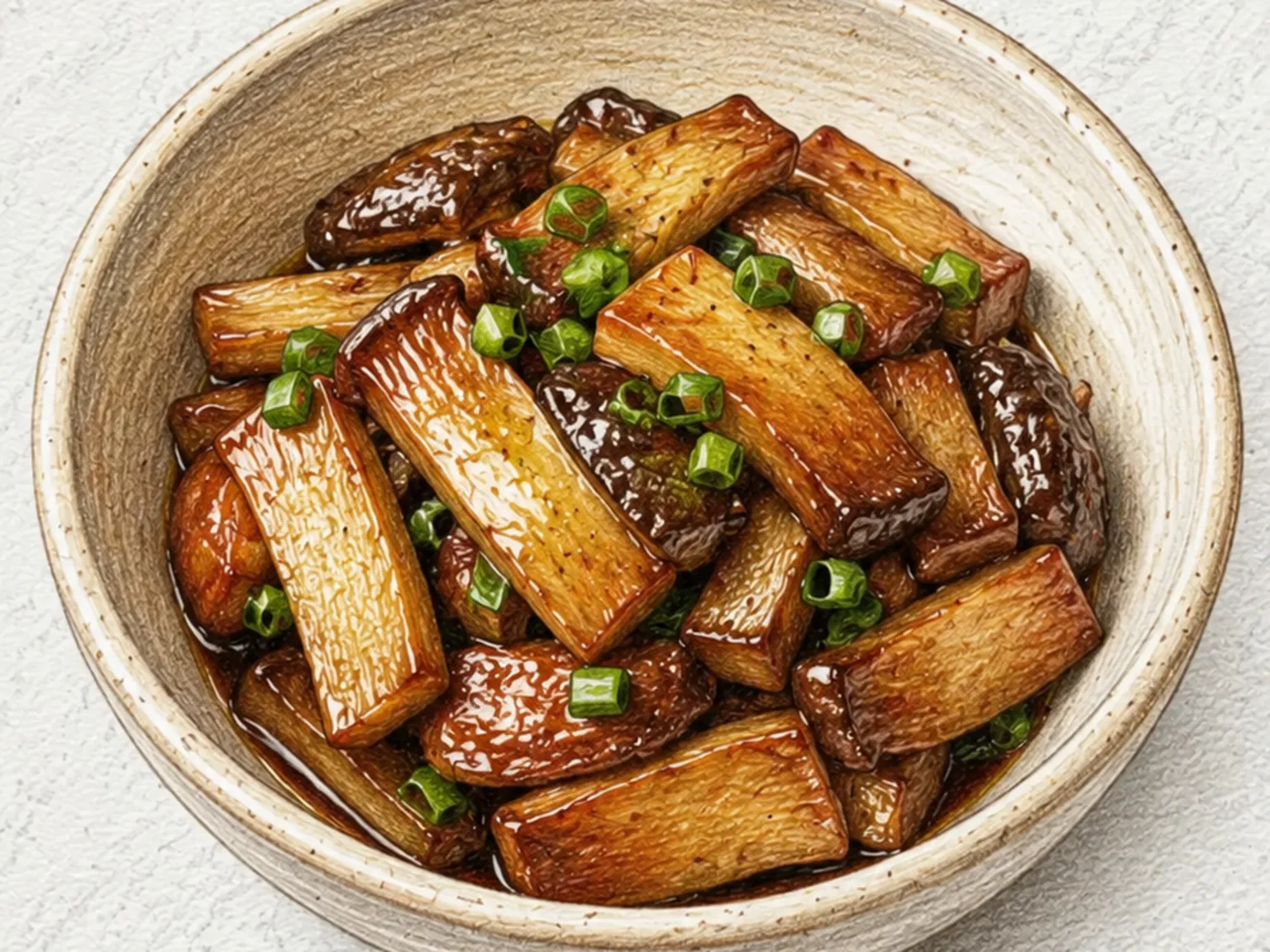
Korean Soy-Braised King Oyster Mushrooms
Quick answer
- Total time
- 20 min
- Level
- Easy
- Servings
- 4 servings
- Ingredients
- 8
About this dish
Searing king oyster mushrooms until browned before adding any sauce gives this banchan two textures: a chewy, golden cut face and a juicy center.
Read more
Spread in a single layer, they lose the water they release, which would otherwise thin the glaze and keep it from turning glossy. Mix the sauce beforehand and keep it beside the pan so it can be poured straight in before the mushrooms scorch. The soy and oligosaccharide syrup glaze cooks only briefly, and the heat goes off before it turns too strong, letting residual heat bring up the shine. Finished with green onion and sesame oil, it is best warm and keeps well as a make-ahead side.
Ingredients
Instructions
- 1
Trim only the dry base from 300 grams of king oyster mushrooms.
Halve them lengthwise, then cut them into 1 cm bite-size pieces so they cook evenly and do not stay firm in the center.
- 2
Mix 1.5 tablespoons soy sauce, 100 ml water, 1 tablespoon oligosaccharide syrup, and 1 teaspoon minced garlic before heating the pan. Keeping the sauce ready lets you add it quickly before the mushrooms scorch.
- 3
Heat a wide pan over medium-high heat, add 1 tablespoon cooking oil, and spread the mushrooms in a single layer.
Leave them mostly undisturbed for about 2 minutes so moisture evaporates and the cut sides brown.
- 4
When the cut sides are pale golden and the pan looks less wet, turn the mushrooms once.
If they still look damp, sear for 30 seconds more so the braising sauce will not become watery.
- 5
Pour the prepared sauce around the edge of the pan, then reduce to medium heat once it starts bubbling.
Simmer for 5 minutes, turning the mushrooms occasionally so the soy glaze coats every surface evenly.
- 6
When only a thin layer of sauce remains and the mushrooms look glossy, drizzle in 1 teaspoon sesame oil just before turning off the heat. Fold in 15 grams chopped scallion and serve the mushrooms warm.
Official cooking and safety guidance
Public-agency cooking and food safety guidance that applies to this recipe.
Official cooking and safety guidance
-
Produce preparation
Wash produce under running water before cutting or peeling it. Do not use soap or household detergent.
Source: U.S. Food and Drug Administration. Selecting and Serving Produce Safely
-
Storage and reheating
Refrigerate leftovers in shallow containers within 2 hours and use them within 3 to 4 days. Reheat the center to 74°C.
Source: USDA Food Safety and Inspection Service. Leftovers and Food Safety
Sources checked 2026-08-03
Use-up ingredient planner
Turn these ingredients into two more meals
The overlap excludes basic seasonings. Open the next recipe and your selected dishes will stay with you.
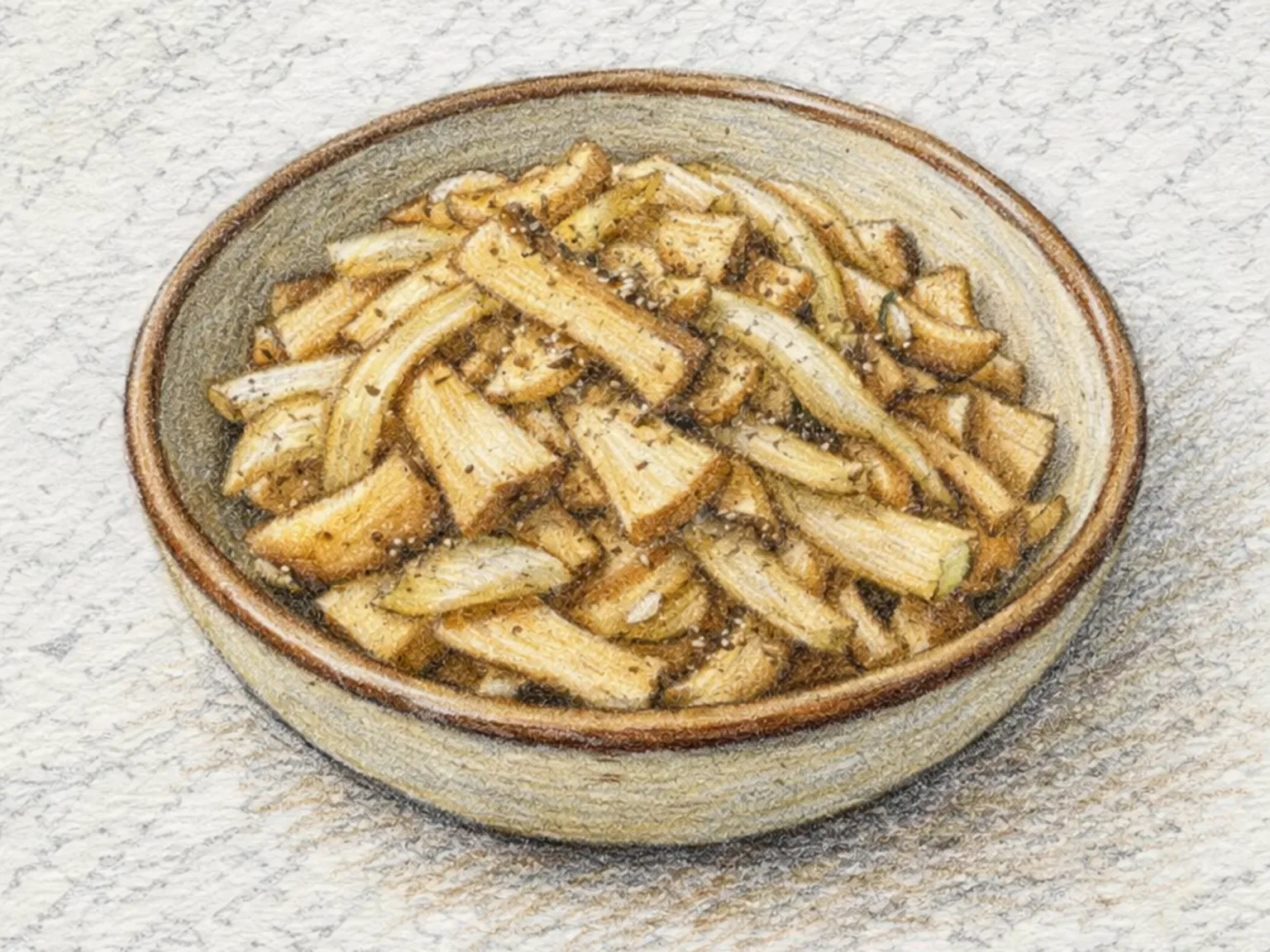
Korean King Oyster Mushroom Stir-fry with Perilla
king oyster mushrooms, chopped scallion
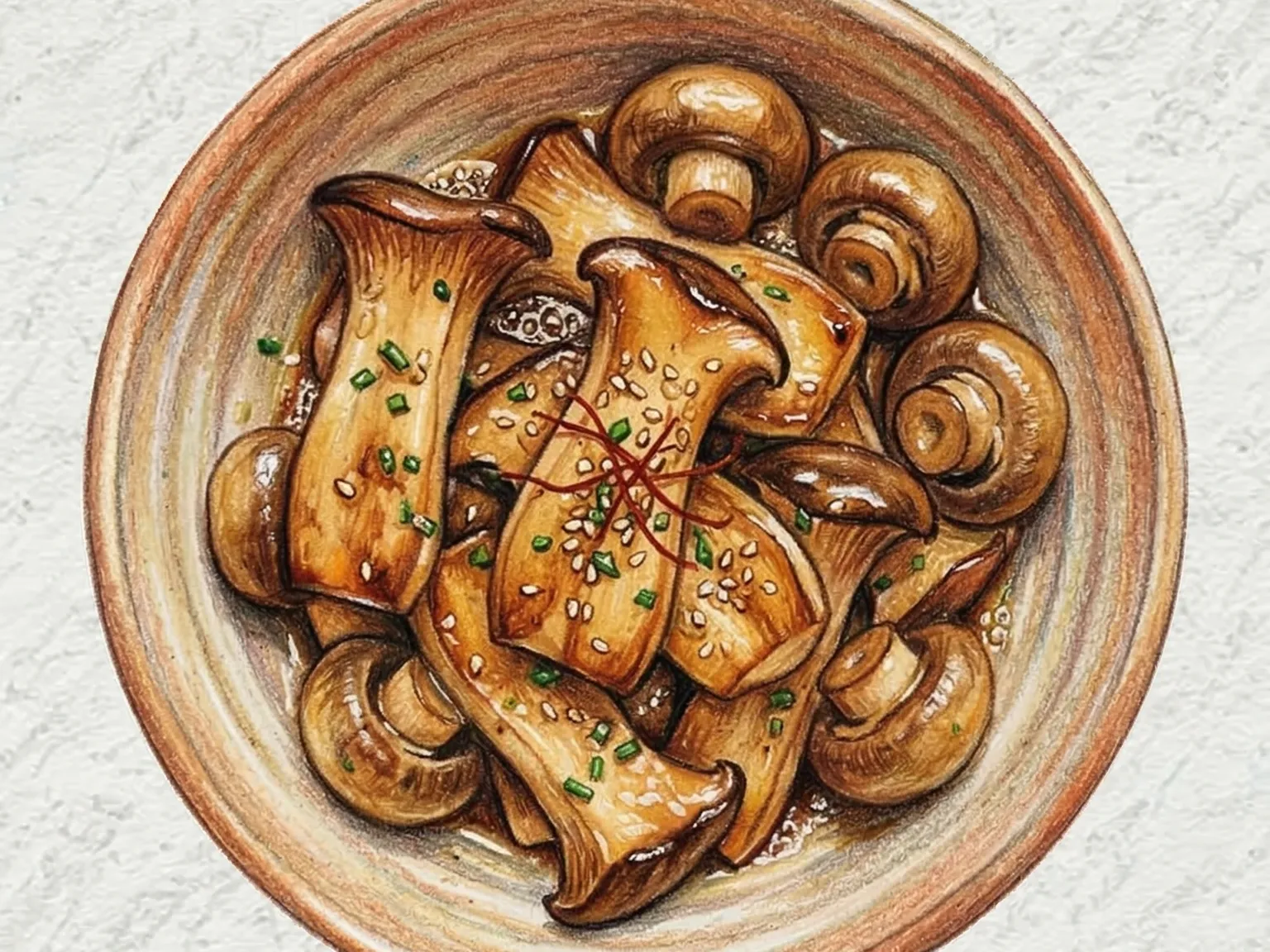
Korean Butter-Grilled Mushrooms
king oyster mushrooms, chopped scallion
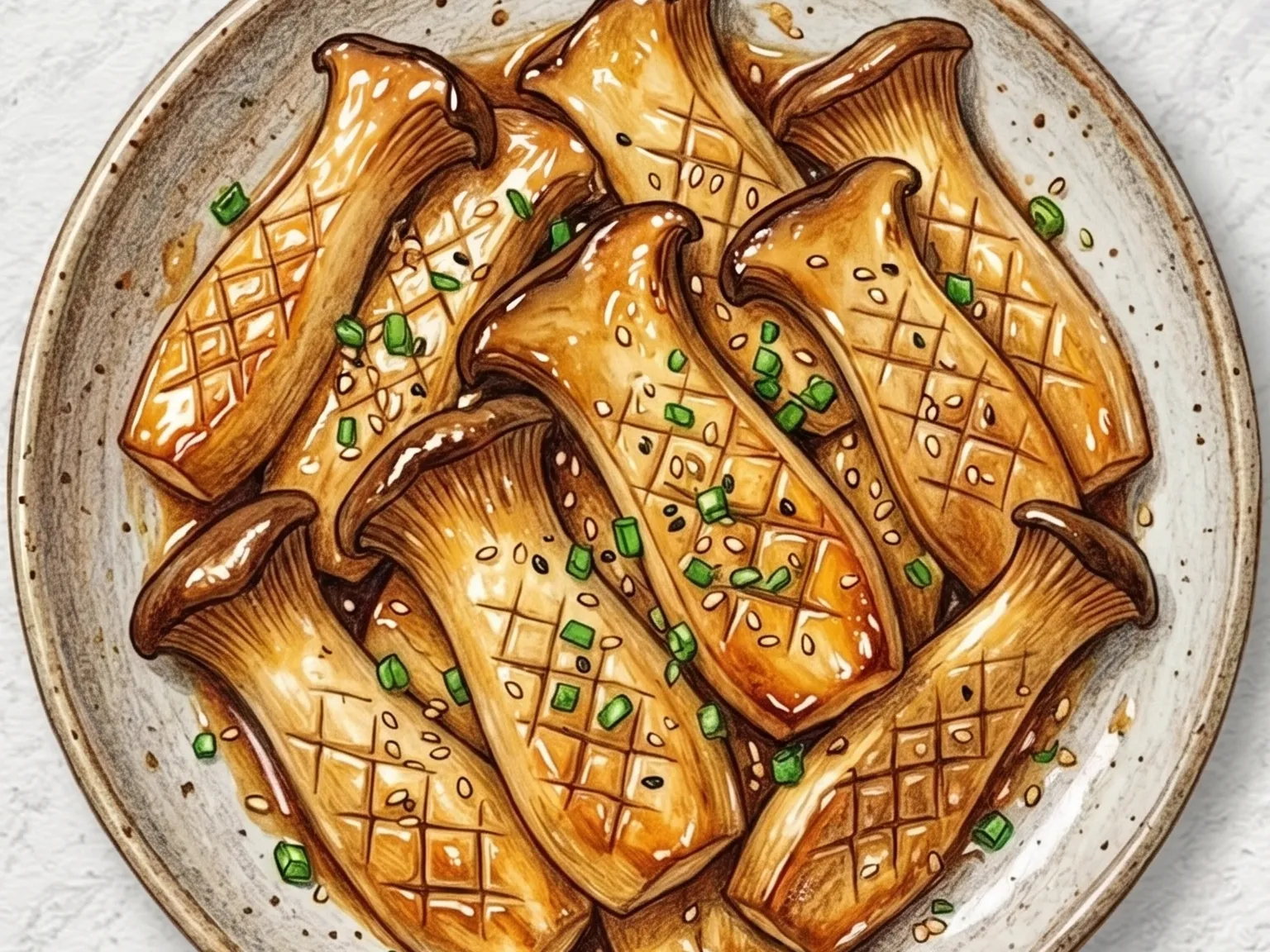
Korean Butter Soy Grilled King Oyster Mushrooms
king oyster mushrooms, chopped scallion