Korean Shrimp Mulmandu in Light Broth
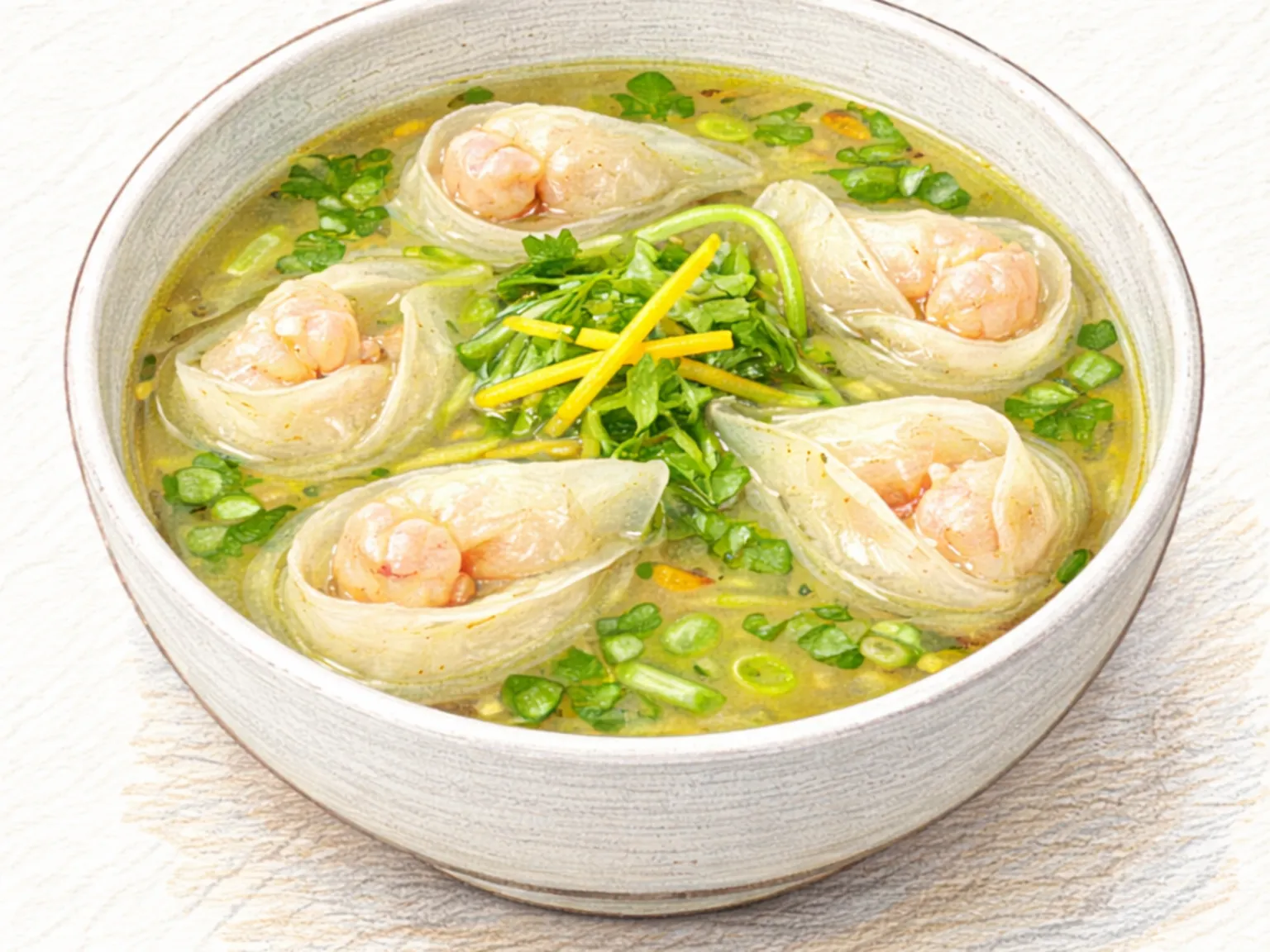
Saeu-mulmandu-broth is a Korean dumpling soup where shrimp dumplings are simmered in a clear broth seasoned with soup soy sauce and garlic. The shrimp goes into the pot first to build a seafood base before the dumplings are added, so the wrappers absorb that briny depth as they cook. Green onion is stirred in at the end for a fresh aromatic lift, and the broth is finished with salt and pepper. Despite its light, transparent appearance, the soup carries layered flavor from both the shrimp stock and the filling inside each dumpling.
Adjust Servings
Instructions
- 1
Boil water and add soup soy sauce and garlic for a base broth.
- 2
Add shrimp and cook for 2 minutes to infuse flavor.
- 3
Add dumplings and boil 3-4 minutes until they float.
- 4
Season with salt and pepper, then add chopped green onion.
- 5
Turn off heat, rest 1 minute, and serve hot.
As an Amazon Associate, we may earn from qualifying purchases.
Tips
Nutrition (per serving)
More Recipes

Korean Shrimp Seaweed Soup
Saeu-miyeok-guk is a Korean seaweed soup made with shrimp instead of the more common beef, producing a lighter bowl with a distinct marine character. The preparation begins by sautéing rehydrated seaweed and garlic in sesame oil, a step that reduces any raw ocean smell and builds a nutty base. Shrimp are added to the pan and cooked just until they begin to turn pink, at which point their natural sweetness melts into the oil. Water is poured in and the soup simmers on medium-low heat for twelve minutes, allowing the mineral-rich seaweed and the shellfish umami to merge into a cohesive broth. Soup soy sauce and salt provide the final seasoning. The texture of the slippery seaweed against the firm shrimp makes each spoonful interesting, and the overall effect is clean and ocean-forward - a lighter alternative to the traditional beef-based version.

Hobeop-guk (Korean Zucchini Shrimp Soup)
Hobak-guk is a mild, clear Korean soup starring thinly half-moon-sliced zucchini. Small dried or fresh shrimp are often added, infusing the broth with a gentle seafood undertone that complements rather than overpowers the vegetable. The seasoning is pared back to soup soy sauce and minced garlic, allowing the zucchini's own soft sweetness to define the bowl. As the slices simmer, they turn translucent and tender while keeping just enough structure to hold their shape on a spoon. The entire soup comes together in about fifteen minutes, making it one of the fastest side dishes in the Korean home kitchen. A handful of sliced green onion stirred in at the end brings a bright finish to an otherwise understated bowl.

Korean Scallion Egg Soup (Quick Two-Ingredient Clear Broth)
Daepa gyeran-guk is a Korean scallion and egg soup that comes together in under ten minutes with just two main ingredients. The technique of adding green onion in two stages is what gives it complexity: the first batch simmers for three minutes, sweetening the broth, while the second goes in raw at the end for a sharp, fresh bite. Egg must be drizzled in a thin stream over reduced heat and left undisturbed for thirty seconds - this creates silky ribbons rather than scrambled clumps. A splash of soup soy sauce and a drop of sesame oil round out the seasoning, turning the simplest of pantry ingredients into a bowl with surprising depth.

Korean Dried Shrimp Radish Soup
Geon-saeu-muguk is a clear Korean soup that extracts maximum flavor from two humble ingredients: dried shrimp and radish. The shrimp are first toasted in a splash of sesame oil, concentrating their briny sweetness and releasing a fragrant, almost caramelized seafood aroma that becomes the backbone of the entire pot. Radish slices go in next, simmering until translucent and contributing a gentle natural sweetness. Seasoning is kept to garlic and soup soy sauce, preserving the clean character of the broth. No separate anchovy or kelp stock is required - the dried shrimp alone generate enough umami to make the soup taste full and complete. The cooking time is short, rarely more than fifteen minutes once the water boils. Green onion added at the end provides a fresh finish. This is practical, everyday Korean home cooking at its most efficient.

Korean Mussel Seaweed Soup
Honghap-maesaengi-guk is a winter specialty from Korea's southern coast that pairs fresh mussels with maesaengi, a hair-thin green seaweed harvested in cold water. The seaweed is briefly sautéed in sesame oil before water and mussels are added, and as the pot simmers, the broth turns a deep green with a mineral-rich ocean fragrance. Soup soy sauce and garlic provide just enough seasoning to frame the natural salinity without masking it. The textural contrast is central to the experience: maesaengi slides across the palate in silky strands while the mussels offer a firm, meaty chew. Each spoonful delivers both the vegetal depth of seaweed and the concentrated brininess of shellfish, making it a dish greater than the sum of its two main ingredients.

Kongnamul-guk (Bean Sprout Anchovy Soup)
Kongnamul-guk is one of the simplest Korean soups, built on nothing more than bean sprouts, water, soup soy sauce, and garlic. The key step is boiling the sprouts with the lid firmly closed for seven minutes, which eliminates the raw beany smell that would otherwise persist. Green onion goes in at the very end, contributing a mild bite without overpowering the broth's clean, vegetal character. Adding chili flakes and a cracked egg transforms it into a spicy hangover-cure version, but the plain form is just as satisfying alongside rice and a few side dishes.