Charim

2686 Korean & World Recipes

2686+ Korean recipes, clean and organized. Ingredients to instructions, all at a glance.

Korean Seasoned Salted Shrimp

Korean Seasoned Salted Shrimp

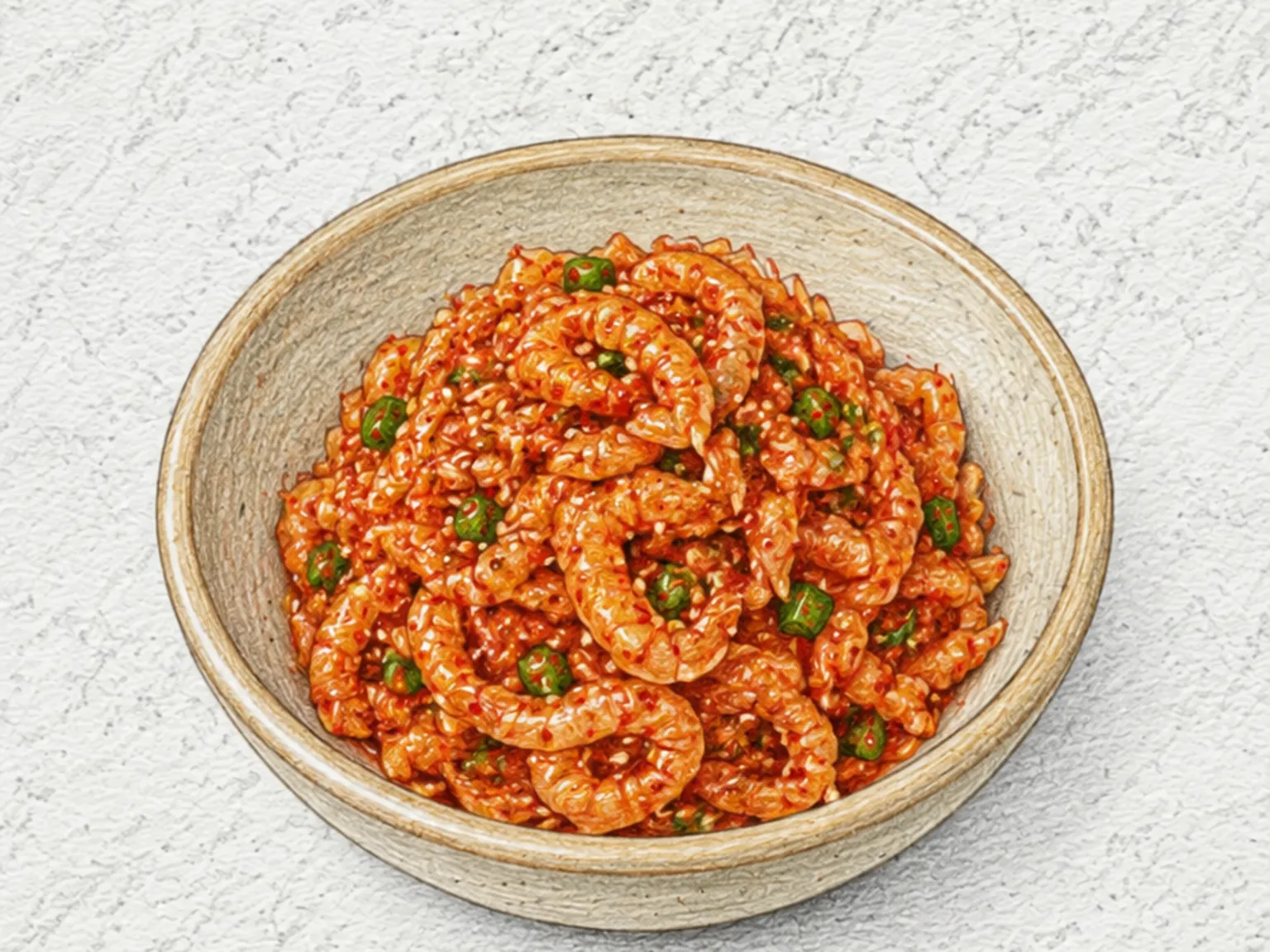
Saeujeot-muchim seasons 70 grams of salted shrimp with chili flakes, minced garlic, chopped green onion, a pinch of sugar, and sesame oil to create an intensely savory condiment-style banchan. The shrimp are already heavily salted during fermentation, so no additional salt is needed - the sugar merely rounds off the sharp edges of the brininess. Larger shrimp pieces are snipped with scissors to ensure an even texture in every spoonful. A small amount placed on a bowl of steamed rice spreads a deep wave of umami across the palate, far disproportionate to the quantity used. It also pairs well with warm steamed tofu, where the bland creaminess of the tofu absorbs and softens the concentrated saltiness of the shrimp.

Prep 5min02 servings

Adjust Servings

2servings
servings

Instructions

  1. 1

    Snip larger shrimp pieces in the salted shrimp.

  2. 2

    Mix salted shrimp and chili flakes first.

  3. 3

    Add garlic, green onion, and sugar, then combine.

  4. 4

    Add sesame oil and mix again.

  5. 5

    Finish with sesame seeds.

🛒Shop Ingredients on Amazon

As an Amazon Associate, we may earn from qualifying purchases.

Tips

Do not add extra salt; it is already salty.
It pairs very well with warm tofu.

Nutrition (per serving)

Calories
45
kcal
Protein
5
g
Carbs
2
g
Fat
2
g

More Recipes

Korean Seasoned Salted Pollock Stomach
Side dishesEasy

Korean Seasoned Salted Pollock Stomach

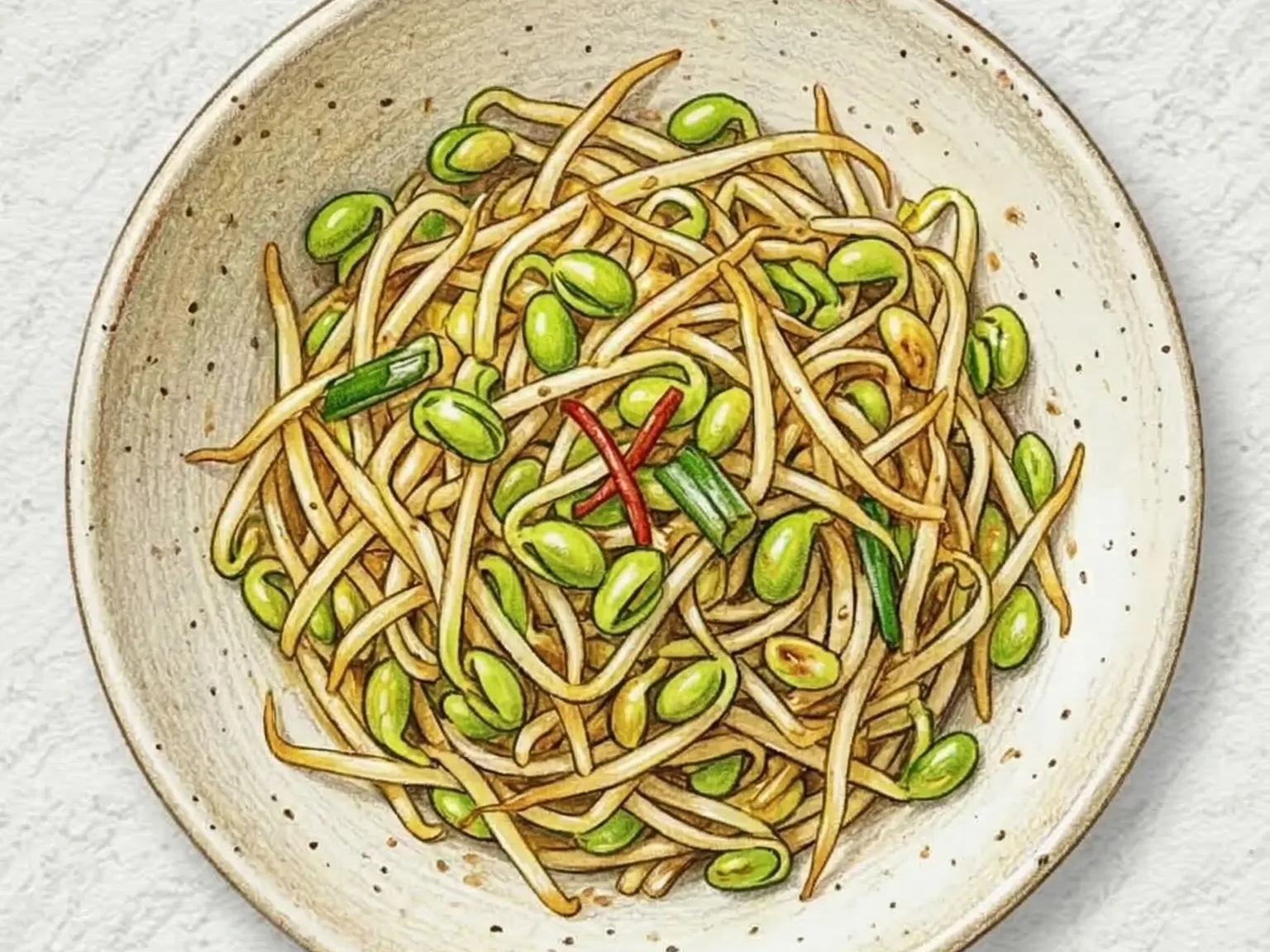
Changnanjeot - salt-fermented pollock stomach - belongs to Korea's jeotgal tradition, where seafood organs are brined for months until they develop intense umami. The stomach lining has a firm, slightly rubbery chew distinct from softer jeotgal like salted shrimp. Drained of excess brine and dressed with gochugaru, garlic, scallion, and sugar, it becomes a high-impact condiment banchan. A thumbnail-sized piece on rice delivers a concentrated burst of fermented marine salt and chili heat.

🏠 Everyday🍱 Lunchbox
Prep 8min2 servings
Korean Seasoned Pollock Roe Banchan
Side dishesEasy

Korean Seasoned Pollock Roe Banchan

Myeongranjeot-muchim dresses raw salted pollock roe with a near-minimal seasoning - a paradoxical dish where less seasoning produces more flavor, because the roe's own brininess and umami are the point. Korean myeongranjeot differs from Japanese mentaiko in being less aggressively salted and not coated in chili marinade by default. The membrane is peeled away and the loose eggs are placed in a bowl with sesame oil, a pinch of gochugaru, and finely sliced scallion, then folded together gently - vigorous stirring crushes the individual eggs and destroys the pop-on-the-tongue texture that defines the dish. The gochugaru adds a whisper of warmth and color without masking the roe's marine depth. Spooned over hot rice and mixed through, this banchan is an intense rice-thief - a small portion can carry an entire bowl of steamed rice. Substituting perilla oil for sesame oil shifts the flavor profile toward a cleaner, more neutral nuttiness.

🏠 Everyday🍱 Lunchbox
Prep 7min2 servings
Korean Seasoned Chili Leaves
Side dishesEasy

Korean Seasoned Chili Leaves

Gochuip - chili pepper leaves - are harvested after the peppers themselves have been picked, a practice rooted in Korean rural frugality where nothing from the kitchen garden goes to waste. The leaves are at their most tender and fragrant in August and September, after the main pepper harvest. Blanched for one minute to temper bitterness, squeezed dry, and dressed with soy sauce, gochugaru, garlic, sesame oil, and sesame seeds. The leaves carry a distinctive faintly bitter, herbaceous note that overlaps with the gochugaru's heat in a way no other Korean green replicates. Because the thin leaves absorb seasoning rapidly, this namul is fully flavored from the moment it is dressed.

🏠 Everyday🍱 Lunchbox
Prep 9minCook 3min4 servings
Korean Spicy Seasoned Deodeok
Side dishesMedium

Korean Spicy Seasoned Deodeok

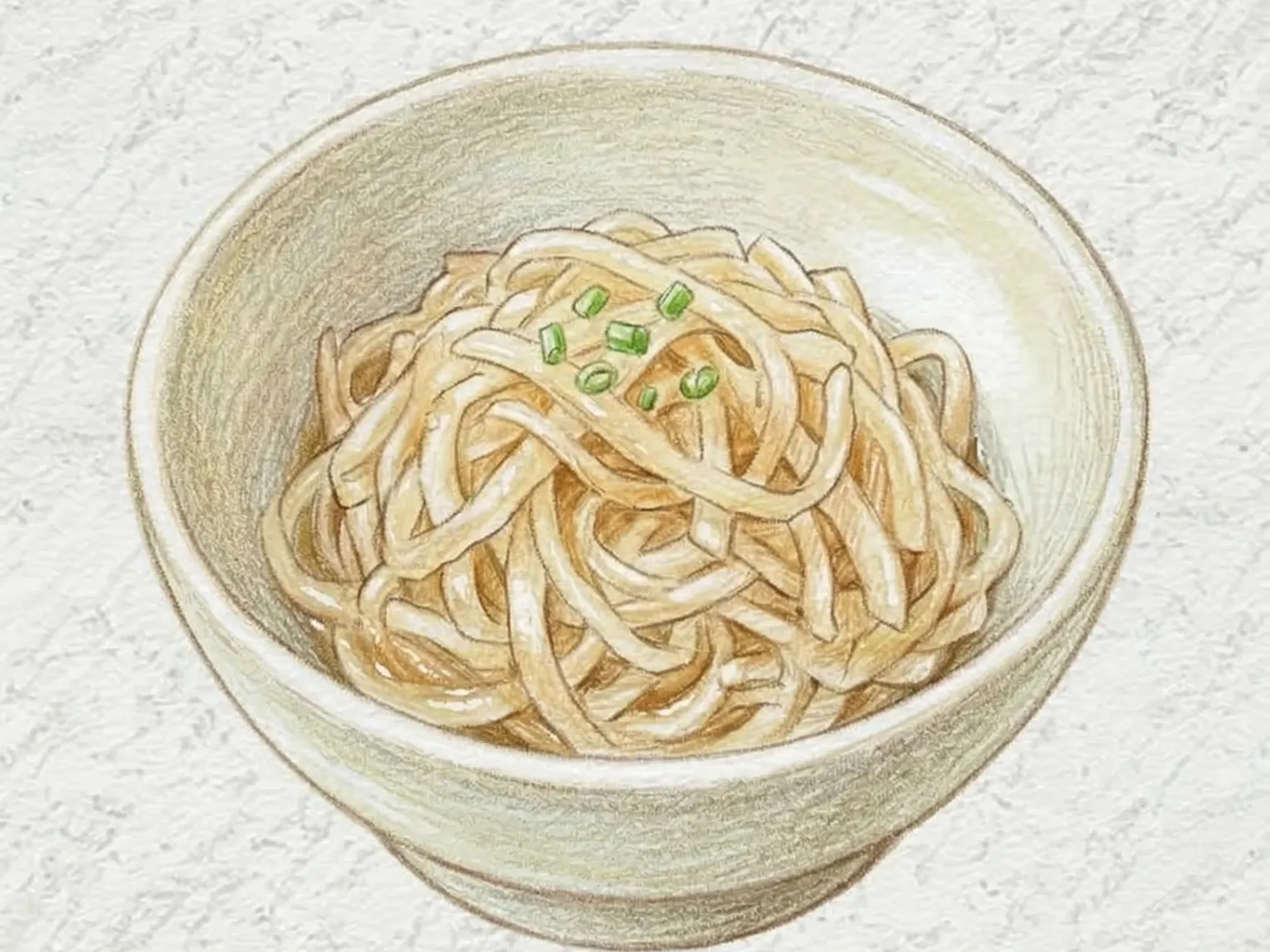
Deodeok - Codonopsis lanceolata - is a mountain root used in Korean cooking and folk medicine for centuries. Its flesh is fibrous and sticky, with a ginseng-like bitterness. Peeled and pounded with a mallet to split fibers into ribbon-like shreds, then soaked in cold water to draw out bitterness. A gochujang-vinegar dressing with garlic, sugar, and gochugaru clings to each strand's rough surface. The finished dish is chewy and resinous, with a sweet-sour-spicy glaze.

🏠 Everyday🍱 Lunchbox
Prep 20min4 servings
Korean Steamed Zucchini with Salted Shrimp
SteamedEasy

Korean Steamed Zucchini with Salted Shrimp

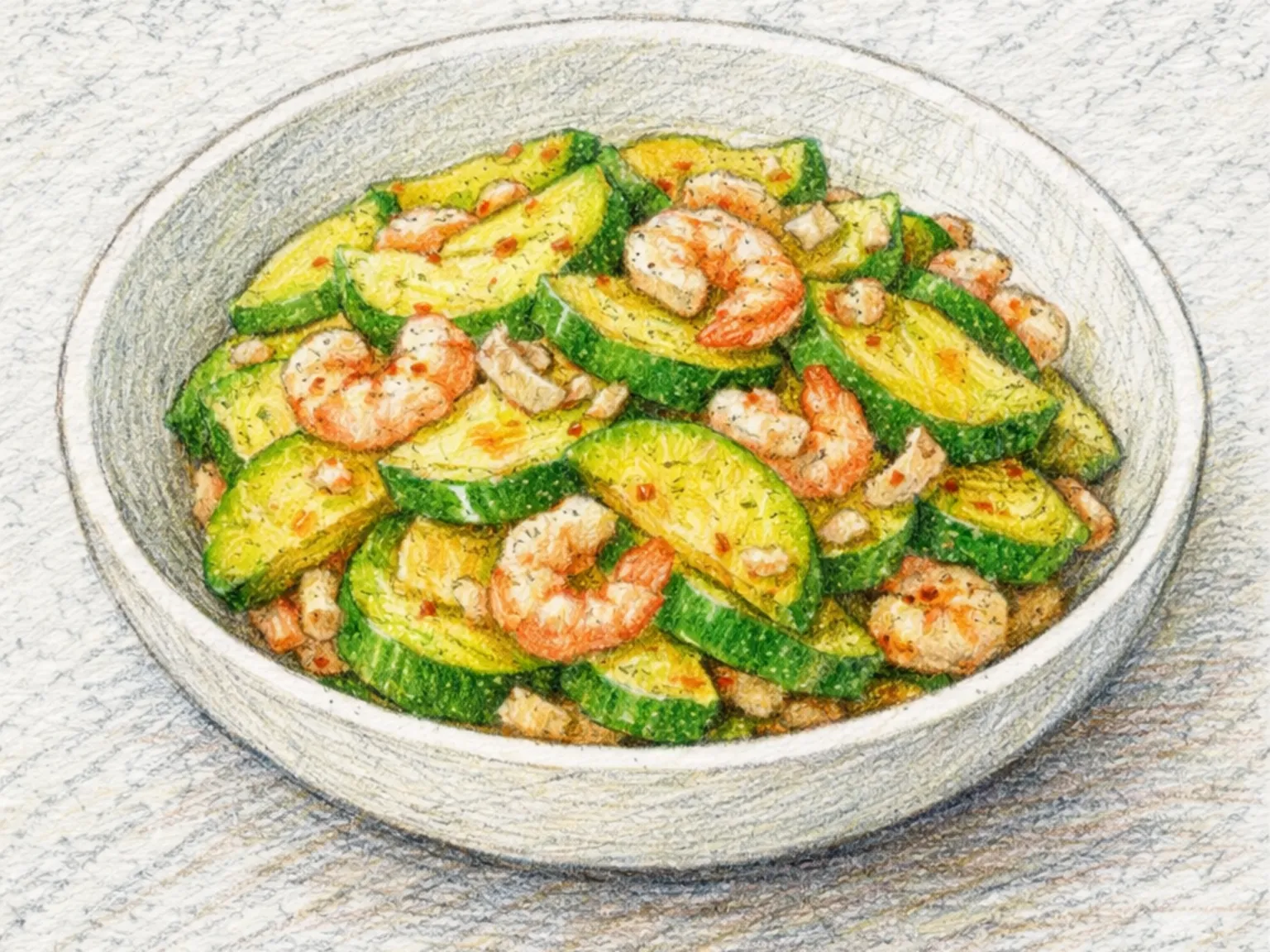
This gentle braise belongs to a family of Korean jjim dishes where vegetables are steam-cooked in minimal liquid seasoned with fermented ingredients. Salted shrimp - saeujeot - is the sole seasoning base, minced and dissolved into water with garlic to create a light broth. Half-moon slices of zucchini cook covered on medium-low heat, absorbing the shrimp's briny umami as they turn translucent. The technique produces something between steaming and braising: the zucchini stays moist and intact, never waterlogged. A finish of perilla oil and sesame seeds off-heat adds a nutty fragrance. This banchan traces to Korean countryside kitchens where salted shrimp was the primary seasoning before soy sauce became widely available. It pairs naturally with steamed rice and a stronger-flavored main dish.

🏠 Everyday🍱 Lunchbox
Prep 12minCook 15min2 servings
Korean Salt-Fermented Tiny Shrimp
KimchiMedium

Korean Salt-Fermented Tiny Shrimp

Saeujeot is a Korean salt-fermented tiny shrimp condiment made by mixing small shrimp thoroughly with sea salt, packing the mixture tightly into a sterilized jar, and fermenting under refrigeration for at least two weeks. During this time, the salt breaks down the shrimp's proteins into concentrated amino acids, replacing raw fishiness with a deep, complex umami that serves as the backbone of kimchi seasoning and stew bases. Rice wine and ginger juice suppress off-flavors during the early stage of fermentation, and a small amount of chili flakes adds a trace of warmth. Removing as much moisture as possible after rinsing the shrimp is critical - excess water invites off-odors during the long cure. Only clean utensils should touch the jar to ensure stable, extended storage.

🍱 Lunchbox Quick
Prep 20min4 servings
More Side dishes