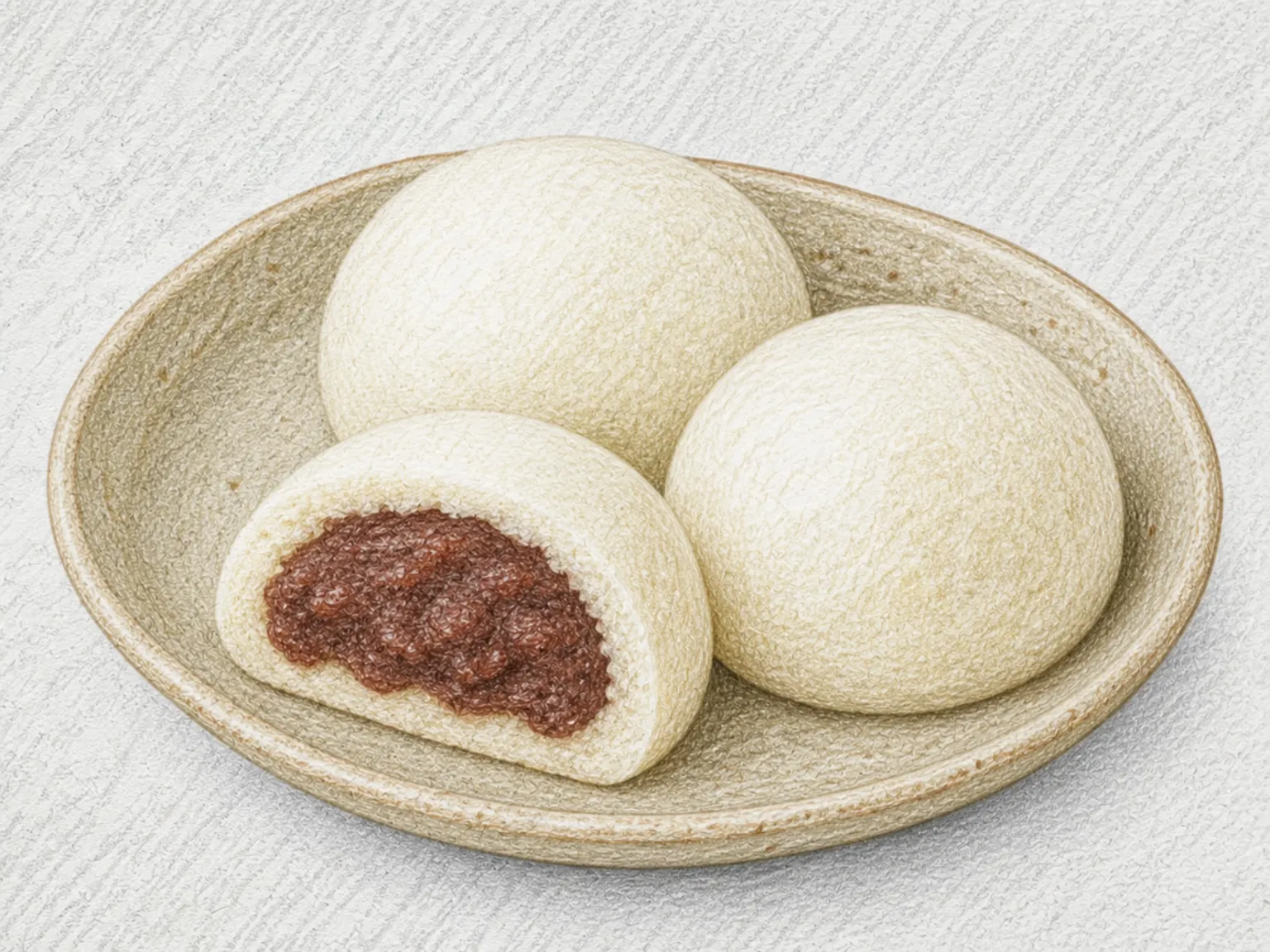
Sake Manju (Koji-Fermented Steamed Buns)
Quick answer
- Active time
- 210 min
- Waiting
- See the steps
- Level
- Hard
- Servings
- 10 servings
- Ingredients
- 7
About this dish
No commercial yeast goes in: a ferment built from glutinous rice and rice koji raises the dough and leaves a clean, sweet aroma in the steamed skin.
Read more
In Taketa and Bungo-ono in Oita these buns were eaten for Children's Day, Obon, local festivals, and breaks in farm work. They take days, about one for the amazake and 2 to 4 more for it to ferment into a starter, before the red-bean-filled buns are shaped and steamed.
Ingredients
Instructions
- 1
Sanitize a heatproof container, spatula, and lid with boiling water and cool completely.
Cook the glutinous rice very soft and cool it to 60°C.
- 2
Mix in rice koji and cooled water and hold at 55 to 60°C for about 24 hours.
Stir every 6 hours with the sanitized spatula until sweet, loose amazake forms.
- 3
Transfer to a clean container, cover loosely, and keep at 20 to 25°C.
Stir daily for 2 to 4 days, until fine bubbles and a pleasantly sweet, lightly tangy aroma develop.
- 4
Mix flour, salt, and sugar.
Add the unstrained starter gradually and knead for 10 minutes to a soft, earlobe-like dough.
- 5
Roll the red bean paste into ten 40 g balls.
Divide the dough into ten 60 g portions and keep covered against drying.
- 6
Flatten each dough portion with thinner edges, enclose a bean-paste ball, pinch the seam closed, and set seam-side down on parchment.
- 7
Cover with a damp cloth and proof in a warm place for 2 to 5 hours, until about 1.5 times larger and a light finger dent returns slowly.
- 8
Space the buns in a fully steaming steamer and steam 20 to 30 minutes.
Check that the largest bun reaches at least 74°C, turn off heat, and wait 2 minutes before opening.
References checked
These references were consulted when this page was prepared or corrected. A source check does not mean the recipe was independently kitchen-tested.
- 일본 농림수산성 うちの郷土料理
「今こそ作ってみたいおおいたの郷土料理」 · Checked: 2026-08-11
Use-up ingredient planner
Turn these ingredients into two more meals
The overlap excludes basic seasonings. Open the next recipe and your selected dishes will stay with you.
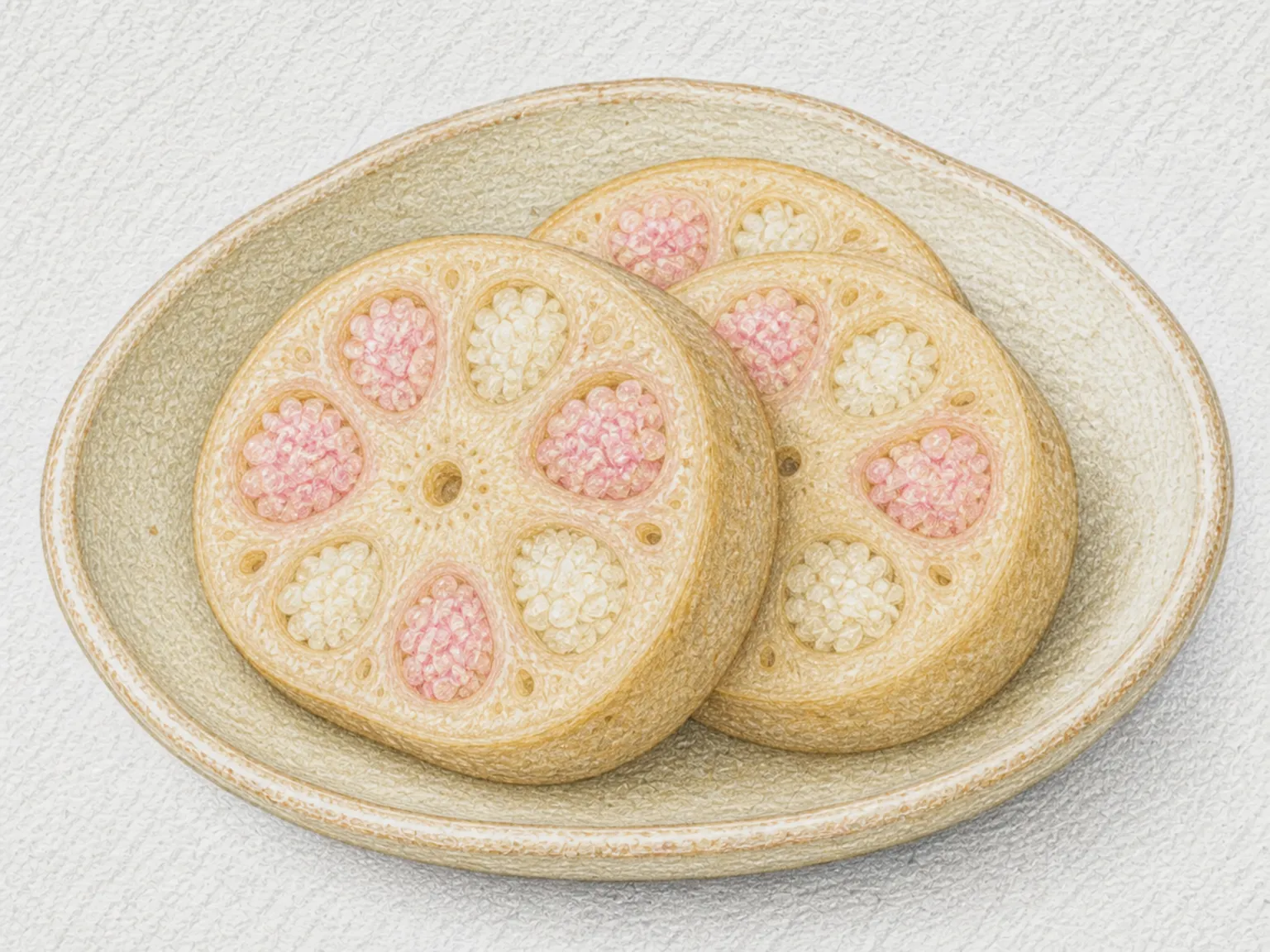
Hasune-mochi (Steamed Lotus Root Stuffed with Rice)
glutinous rice, sweet red bean paste
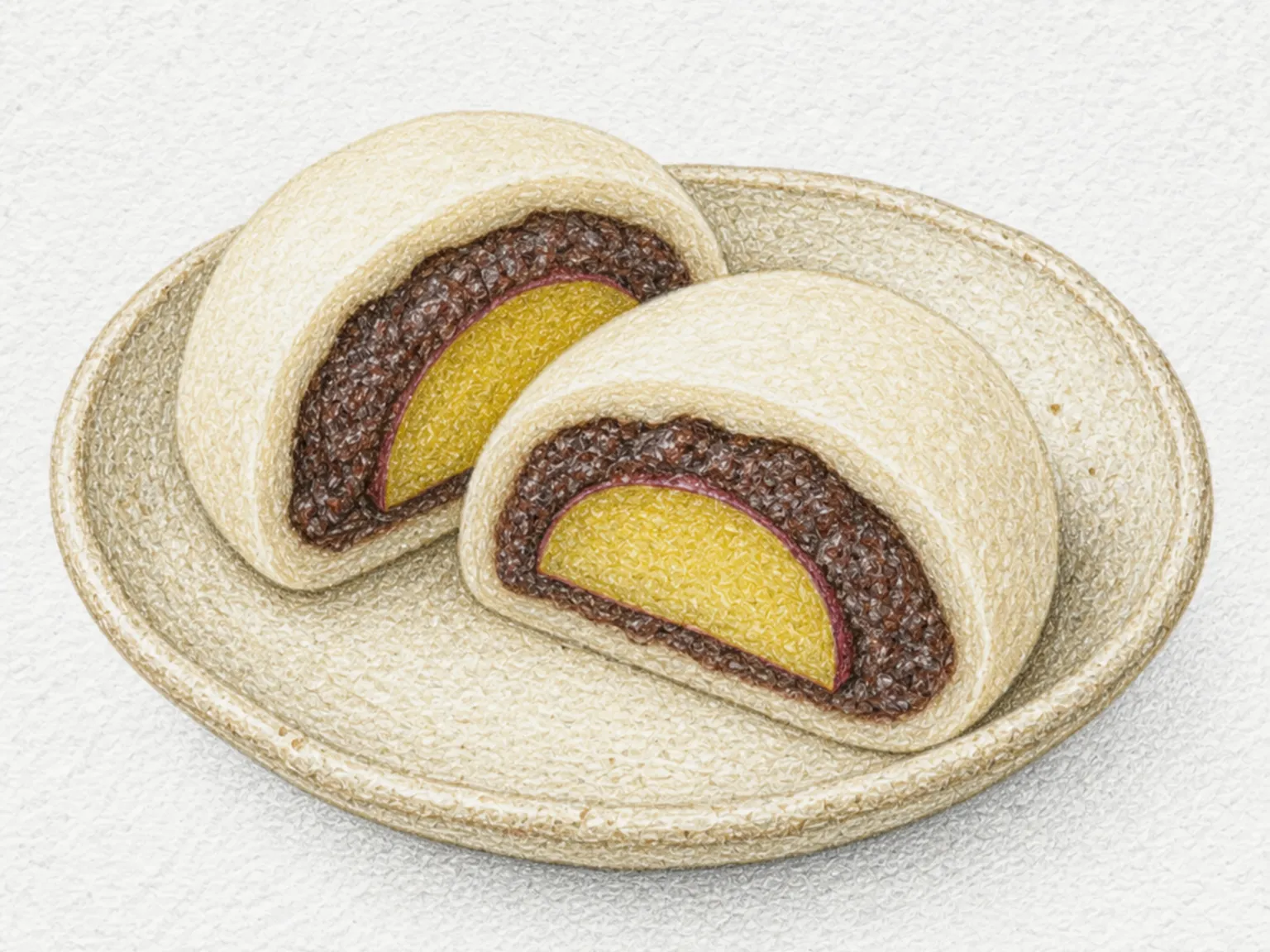
Ikinari Dango (Steamed Sweet Potato and Red Bean Dumplings)
medium-strength wheat flour, sweet red bean paste
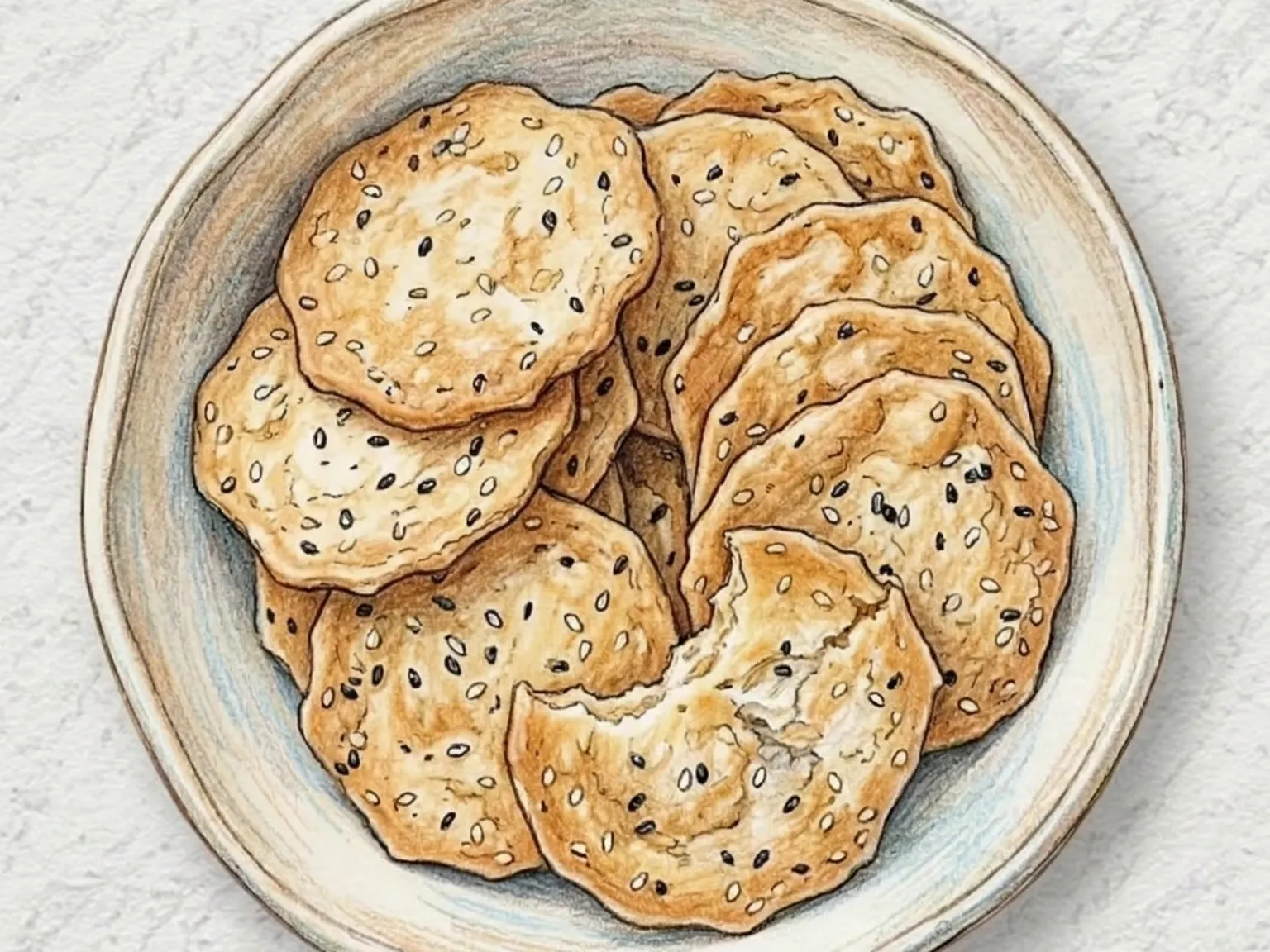
Miso Sesame Crackers
medium-strength wheat flour