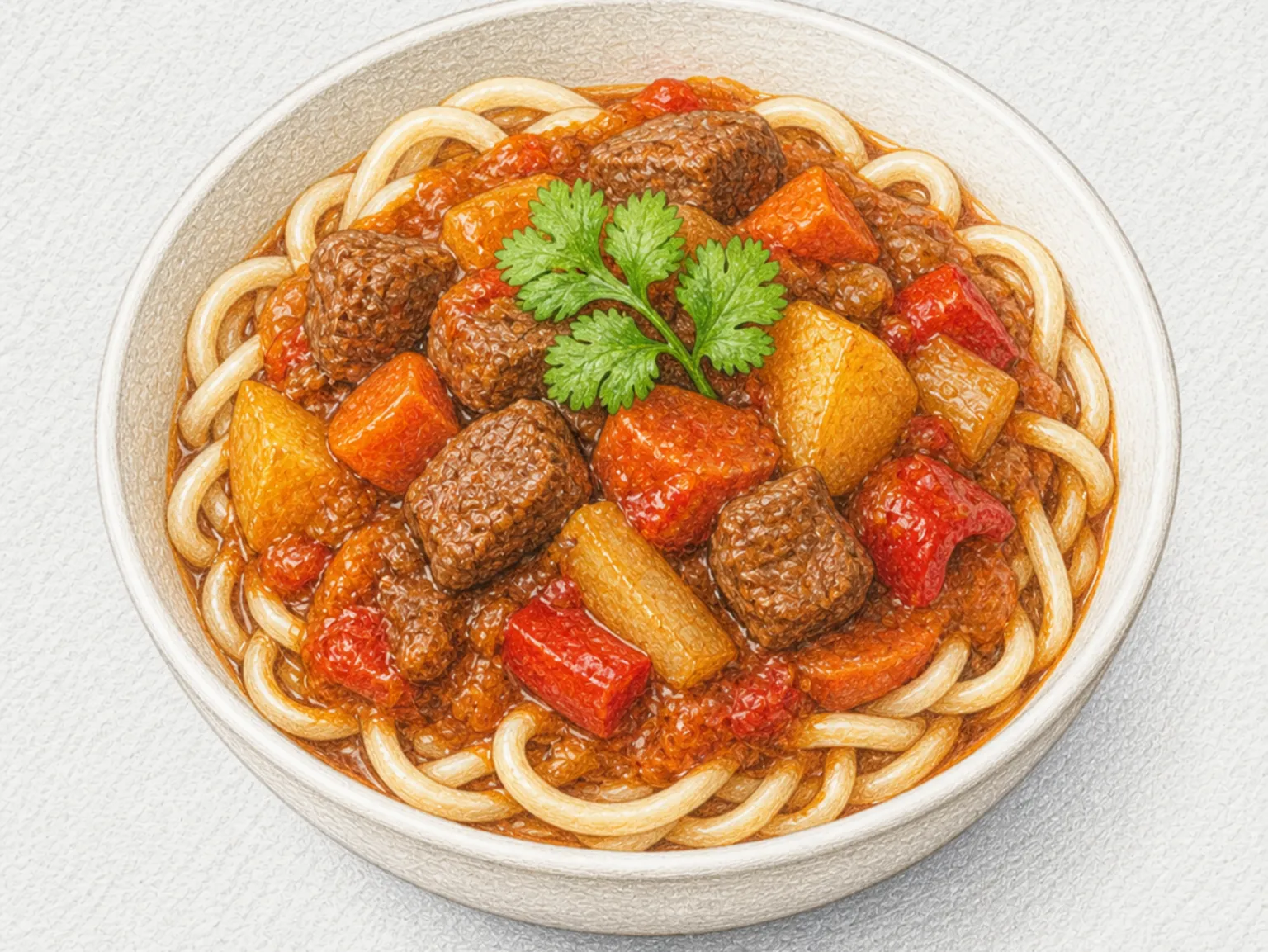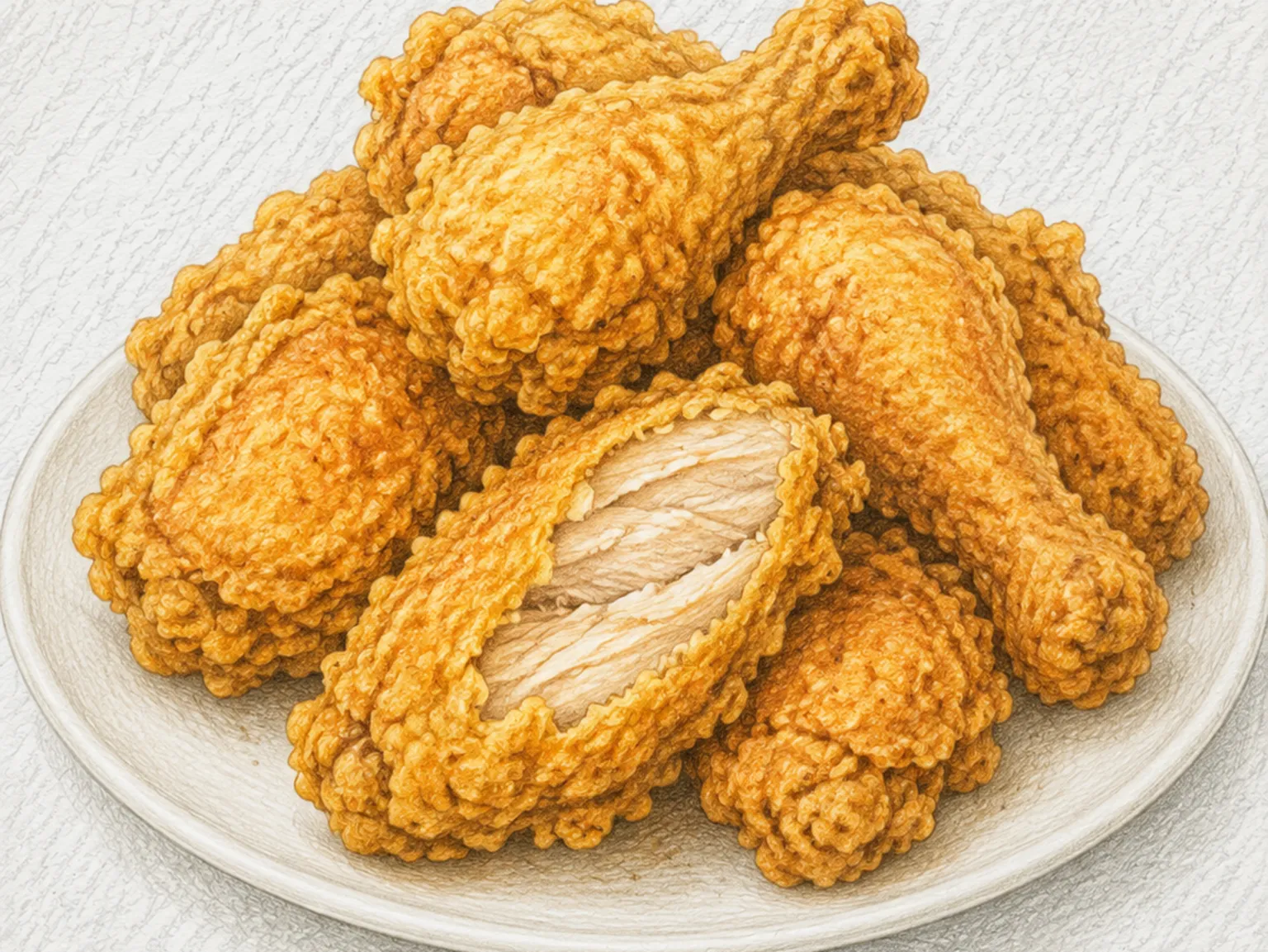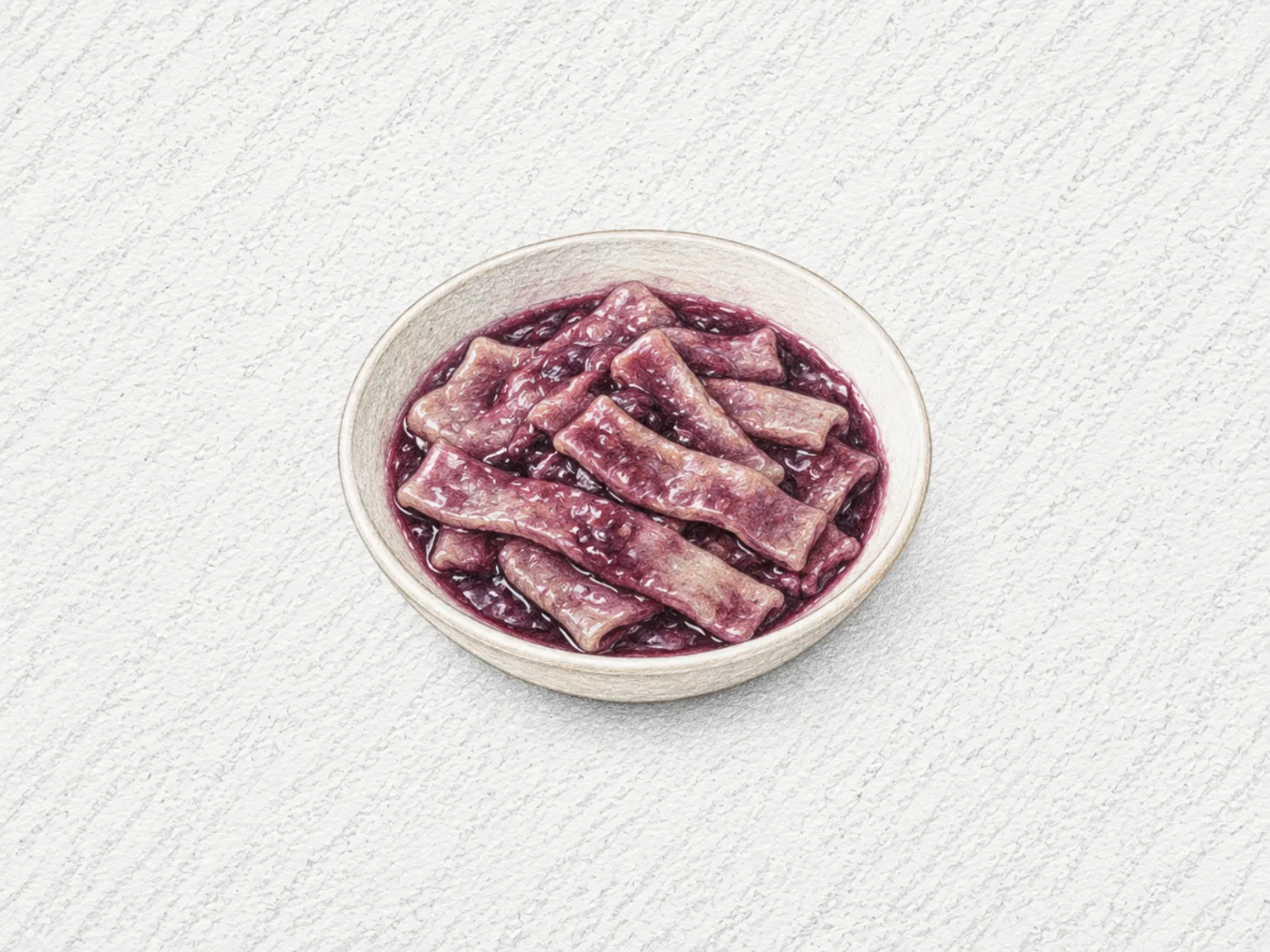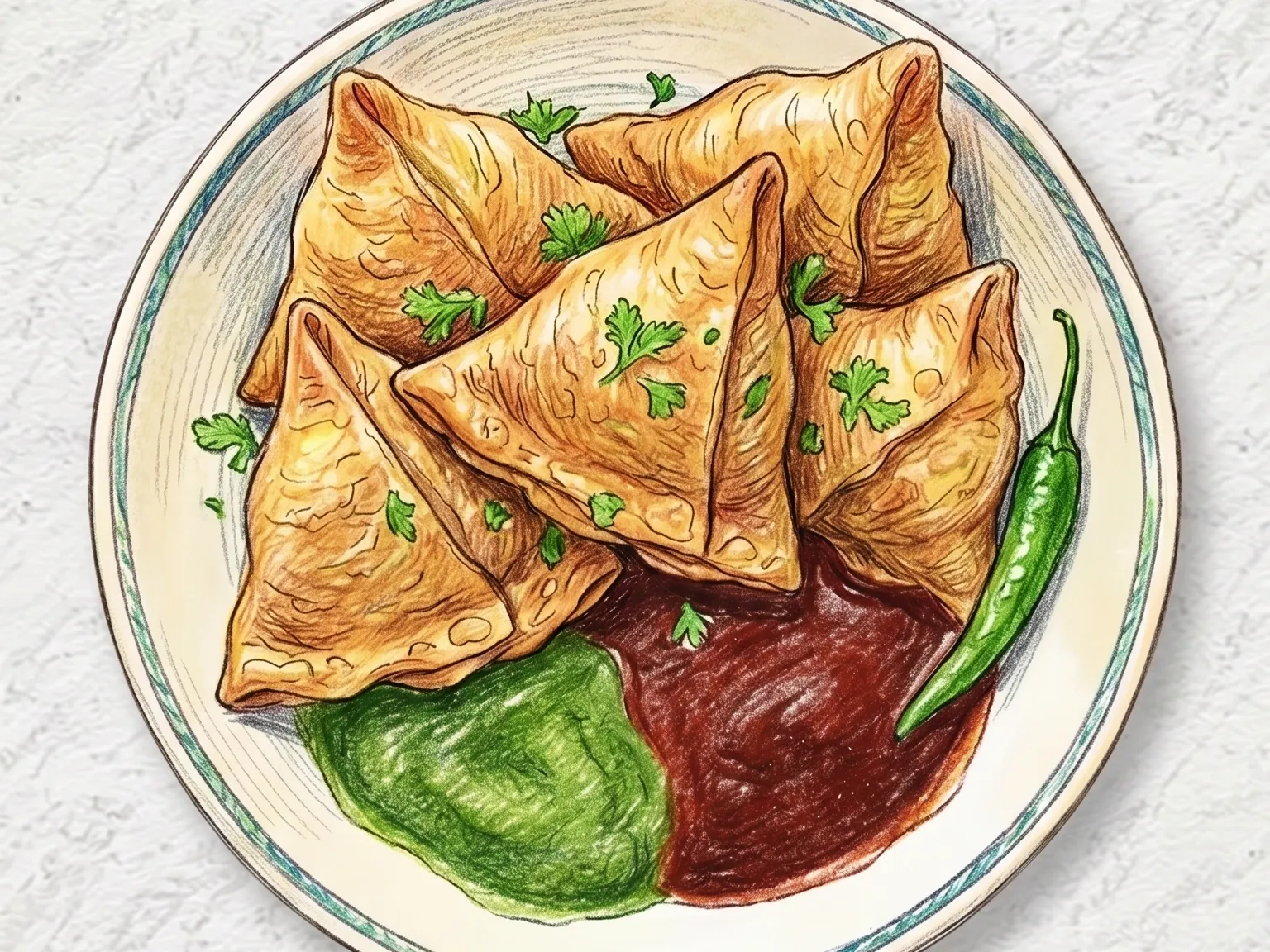
Biang Biang Mian (Xi'an Hand-Pulled Belt Noodles with Chili Oil)
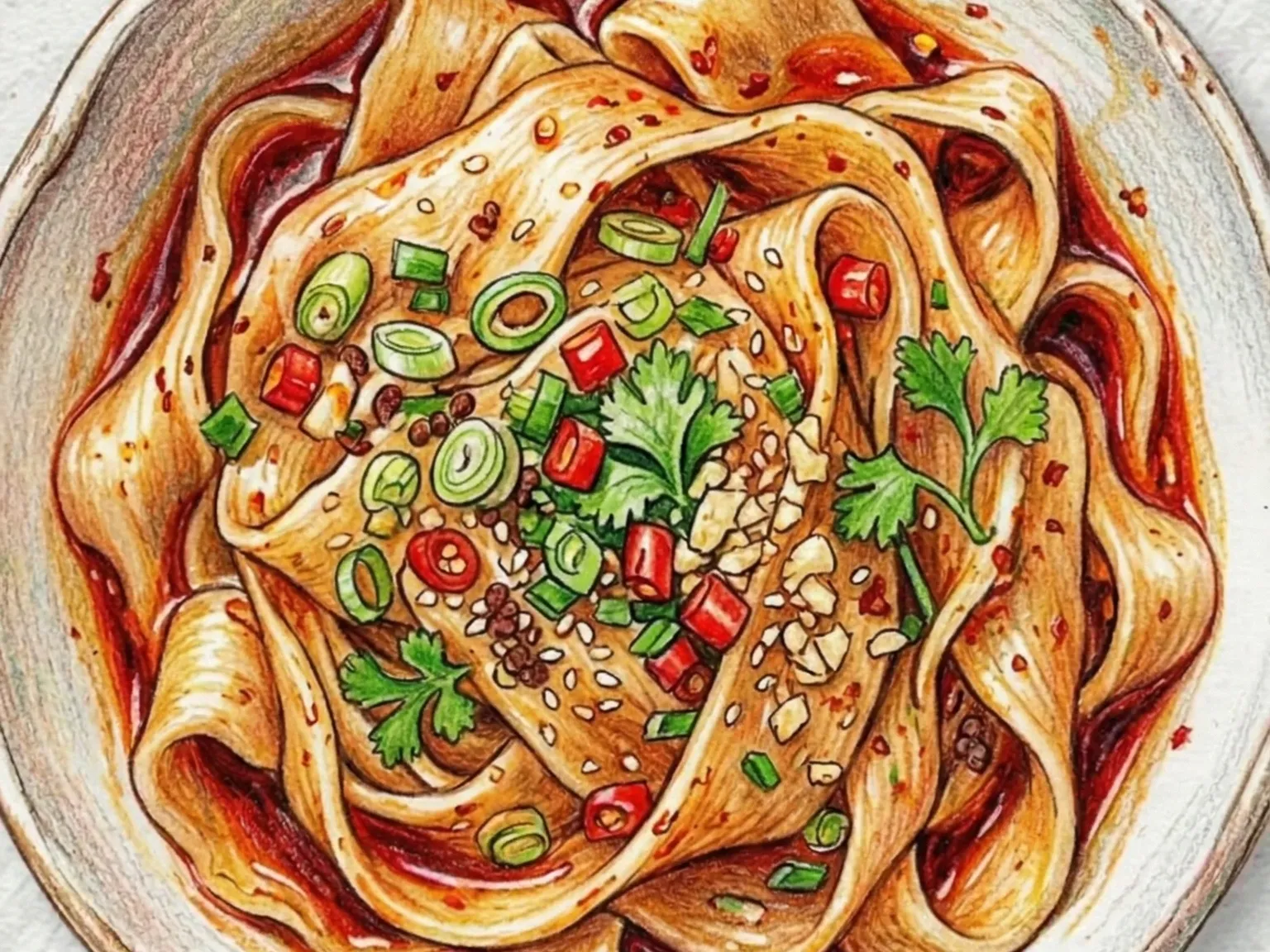
Biang biang mian takes its name from the sound the dough makes when the cook slaps it against the counter to stretch it into wide, belt-like ribbons, a technique practiced in Xi'an and across Shaanxi Province for centuries. The dough is made from high-gluten flour and rested for at least thirty minutes to an hour until fully pliable; insufficient resting causes the noodles to tear during the pulling stage. Once rested, the dough is pulled by hand into strips as wide as a belt and as long as an arm, with an uneven thickness that creates varying chew across a single strand. The cooked noodles are dressed with a topping of minced garlic, chili flakes, Sichuan peppercorn powder, and chopped scallion, then smoking-hot rapeseed oil is poured directly at the table. The sizzle activates the aromatics and blooms the chili into a fragrant rust-colored oil that coats each strand. Soy sauce and black vinegar are stirred through to add a salty-sour backbone that anchors the richness of the chili oil. The character for biang, written in one of the most complex Chinese characters with over fifty strokes, is said to encode the sounds of the kitchen: slapping dough, sizzling oil, and the satisfied sighs of eaters. No standard digital font includes the character, and it must be written by hand. The dish belongs to the category of belt noodles found across Shaanxi and is considered one of the province's most representative street foods, eaten at breakfast, lunch, or as a late-night meal.

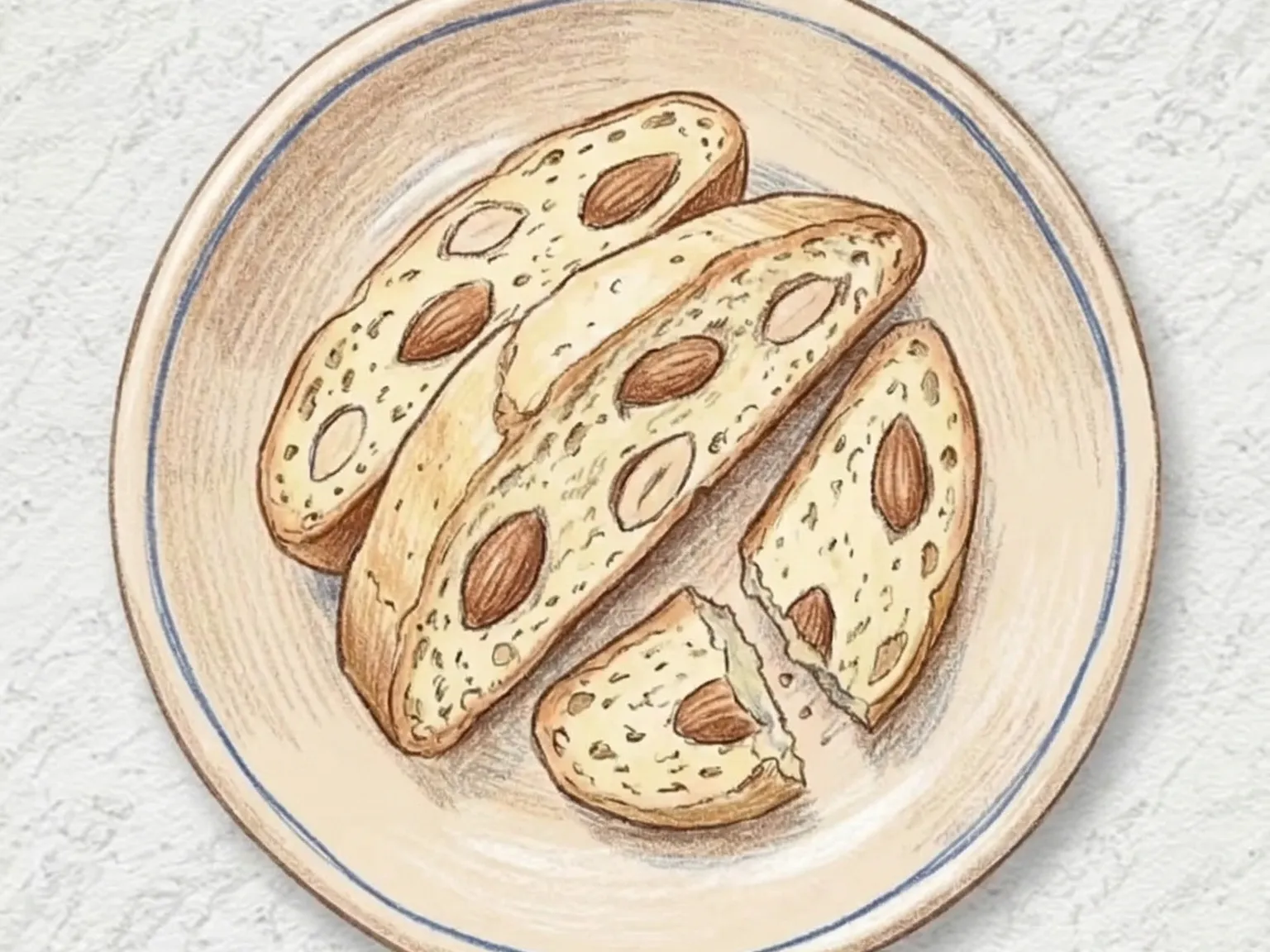
Almond Biscotti
Biscotti - meaning 'twice-cooked' in Italian - originated in the Tuscan city of Prato, where they have been produced since at least the 14th century. They were originally designed as provisions for long sea voyages: the double baking drives out nearly all moisture, producing a cookie that resists spoilage for weeks without refrigeration. The dough is shaped into a flat log and baked once until firm throughout, then sliced on the diagonal and returned to the oven at a lower temperature until each piece is completely dry and hard. Whole almonds embedded in the crumb provide a contrasting crunch and a toasted, slightly bitter quality that plays against the vanilla-scented dough. The result is deliberately too hard to eat comfortably on its own - biscotti are made to be dipped. Dunked into espresso, Vin Santo, or strong black coffee, the outer layer softens immediately while the dense interior holds its structure, creating a texture that alternates between giving and crisp with each bite. In Prato, where the cookie is also called 'cantuccini' or 'pratesi,' the traditional pairing is with locally produced Vin Santo dessert wine.

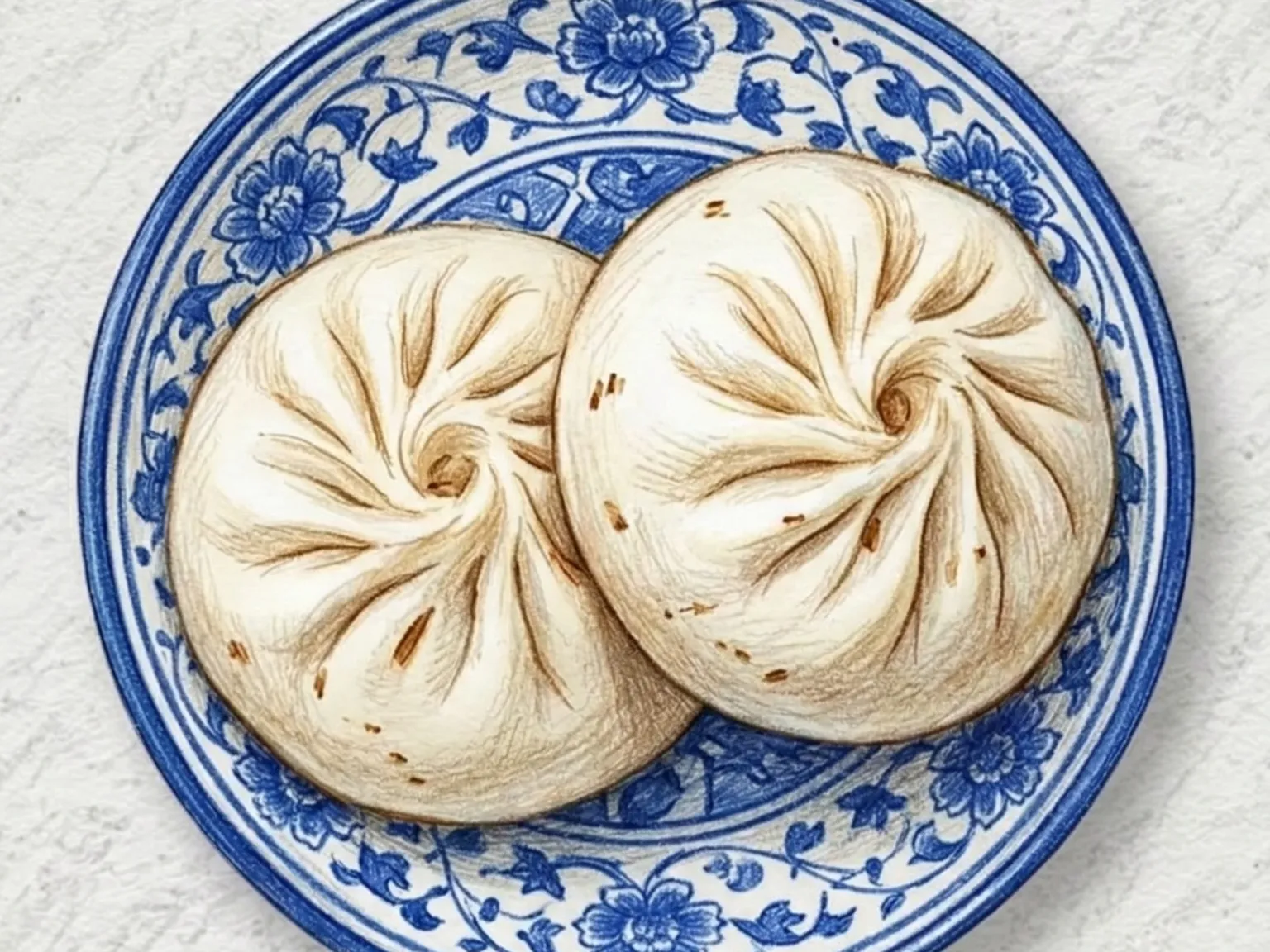
Pork Baozi (Chinese Steamed Pork Cabbage Bun)
Baozi is a Chinese steamed bun made from yeast-leavened wheat dough filled with seasoned ground pork, cabbage, and scallion. The dough proofs for 40 minutes, during which the yeast activity creates the open crumb structure that gives the finished bun its soft, pillowy texture when steamed. The filling is seasoned with soy sauce and sesame oil, which brings savory depth and aroma to the minced pork and vegetables. Pleating the top of each bun seals in the juices during the 15-minute steam and also creates the ridged crown that visually identifies a well-made baozi. Resting the buns for two minutes with the lid off after turning off the heat prevents the delicate skin from collapsing from the sudden temperature change between the steam environment and the open air. In China, baozi appears on breakfast tables and as a midday snack, and shares ancestry with the broader family of dim sum dumplings, though home kitchens make this version far more regularly than the restaurant varieties.

Red Bean Pastry (Korean Gyeongju Soft Bun with Anko)
Gyeongju-ppang is a baked Korean pastry made from a yeast-leavened dough enriched with milk and butter, wrapped generously around a core of sweet red bean paste. The dough is rolled thin, formed around the filling with the seam placed down, and baked at 180 degrees Celsius until the top domes up smooth and the surface takes on a pale golden color. Because the filling-to-dough ratio is deliberately high, the dominant flavor in each bite is the dense, sweet red bean, with the thin enriched shell contributing a quiet dairy aroma. The pastry traces its lineage to hwangnam-ppang, originating in the Hwangnam district of Gyeongju, and has become one of the city's defining food souvenirs. It stays moist after cooling, which makes it practical both as a packaged gift and as an everyday snack eaten at room temperature.

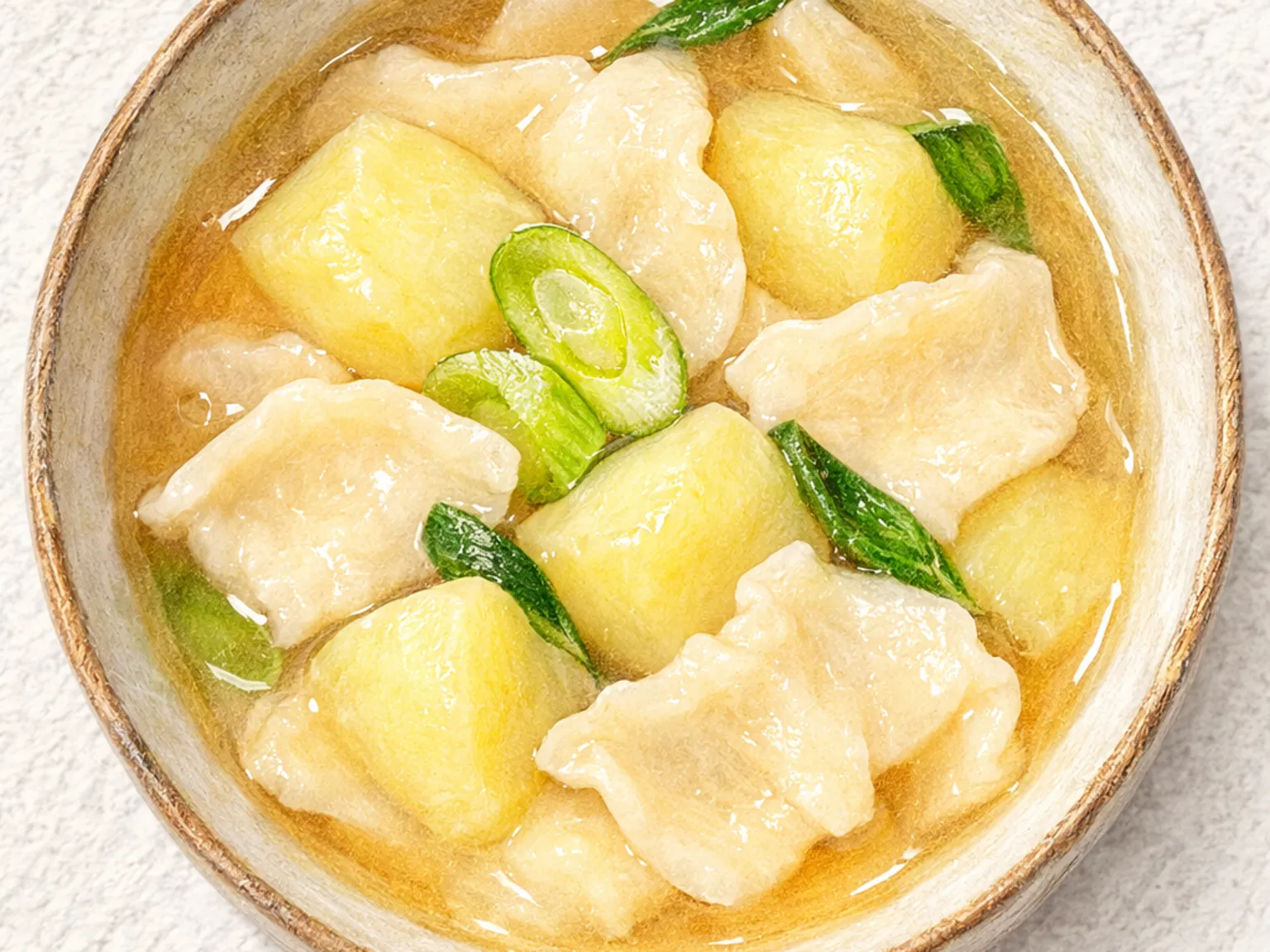
Korean Potato Hand-Torn Dough Soup
Gamja sujebi-guk is a Korean hand-torn dough soup in which pieces of wheat dough are pinched off and dropped into a simmering anchovy and kelp broth alongside potato and zucchini. The dough must be kneaded until it reaches the soft, elastic consistency of an earlobe - mixing to that point develops enough gluten to make the dough extensible and pliable, so that when pinched off it stretches thin rather than tearing in thick clumps. Resting the dough in the refrigerator for at least thirty minutes relaxes the gluten and makes it even more cooperative during tearing. When the dough is pulled apart, the technique matters: pressing the edges thin between the thumbs before tearing creates an irregular piece that is thick in the center and thin at the edges, so a single piece offers both the chewy resistance of the thick core and the delicate, almost noodle-like texture of the thin perimeter in the same bite. As the potatoes cook through and begin to soften, they release starch directly into the broth, building a naturally thickened, slightly viscous body without any roux or added thickener. Zucchini contributes mild sweetness and a soft texture that contrasts with the dense dough pieces. Soup soy sauce provides seasoning while keeping the broth's color clear and pale. Sliced green onion and cheongyang chili stirred in toward the end add depth and a gentle heat. A shower of roasted seaweed flakes on top finishes the bowl with a nutty, oceanic note.

Korean Clam Sujebi Stew (Hand-Torn Dough in Clam Broth)
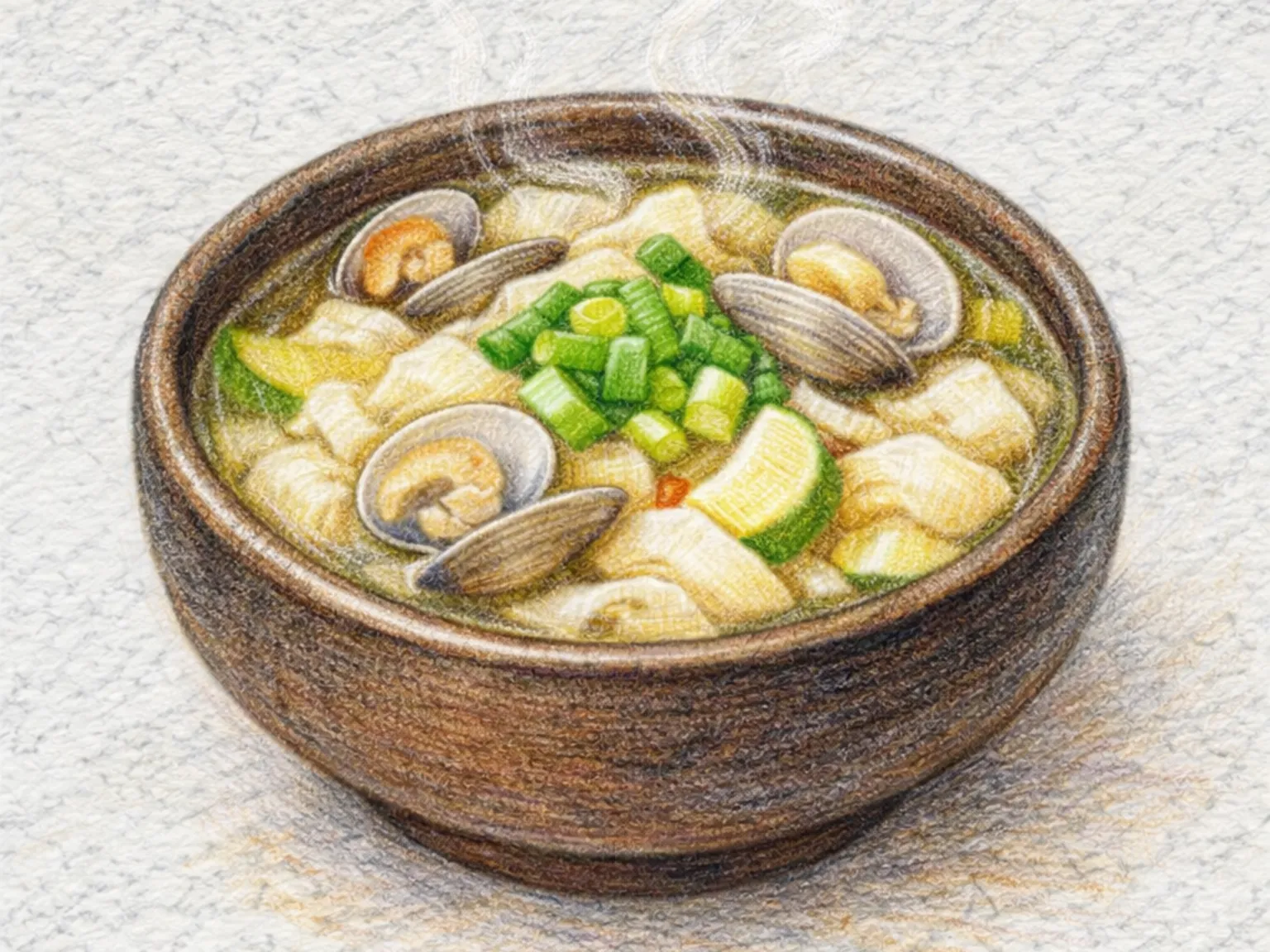
This stew combines hand-torn flour dumplings with clams, potato, and zucchini simmered in an anchovy-kelp stock. Adding clams to the base broth builds a clean, briny depth that anchovy stock alone cannot achieve. The dough is torn directly into the pot in uneven, thick pieces that cook into chewy, irregular shapes, each one slightly different in texture depending on thickness. As the potato softens it partially dissolves into the broth, thickening the liquid naturally without any starch addition. Zucchini and onion release gentle sweetness that rounds out the savory base. Soup soy sauce keeps the broth clear and properly seasoned, and sliced green onion finishes the bowl with fresh aroma. Because the sujebi itself serves as the starch, this one-bowl dish covers both soup and carbohydrate in a single serving, making it a satisfying, complete meal on its own.

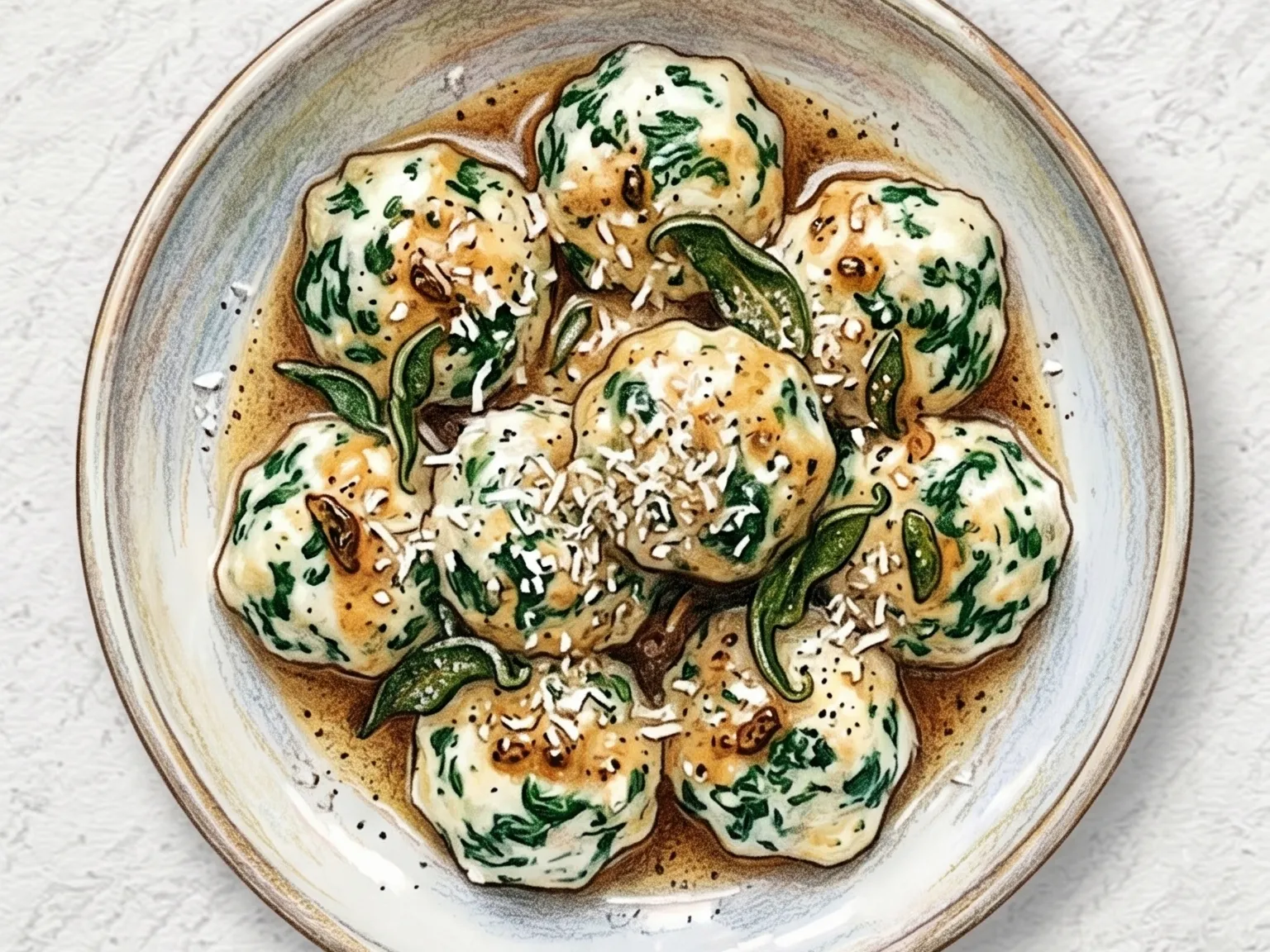
Ricotta Spinach Gnudi (Naked Ricotta Dumplings)
Ricotta spinach gnudi are Italian dumplings made by mixing ricotta cheese with thoroughly squeezed spinach, Parmigiano Reggiano, egg yolks, and a minimal amount of flour, then poaching in salted boiling water. The name 'gnudi' means 'naked' - these are essentially ravioli filling without the pasta shell, so the cheese and spinach flavors come through directly. Removing every bit of moisture from the spinach is the critical step; any residual water weakens the dough and causes the dumplings to fall apart during cooking. Once they float to the surface, one additional minute of poaching yields a pillowy, crumbly texture. A brown butter sauce with sage leaves adds a deep, nutty richness that complements the mild ricotta.

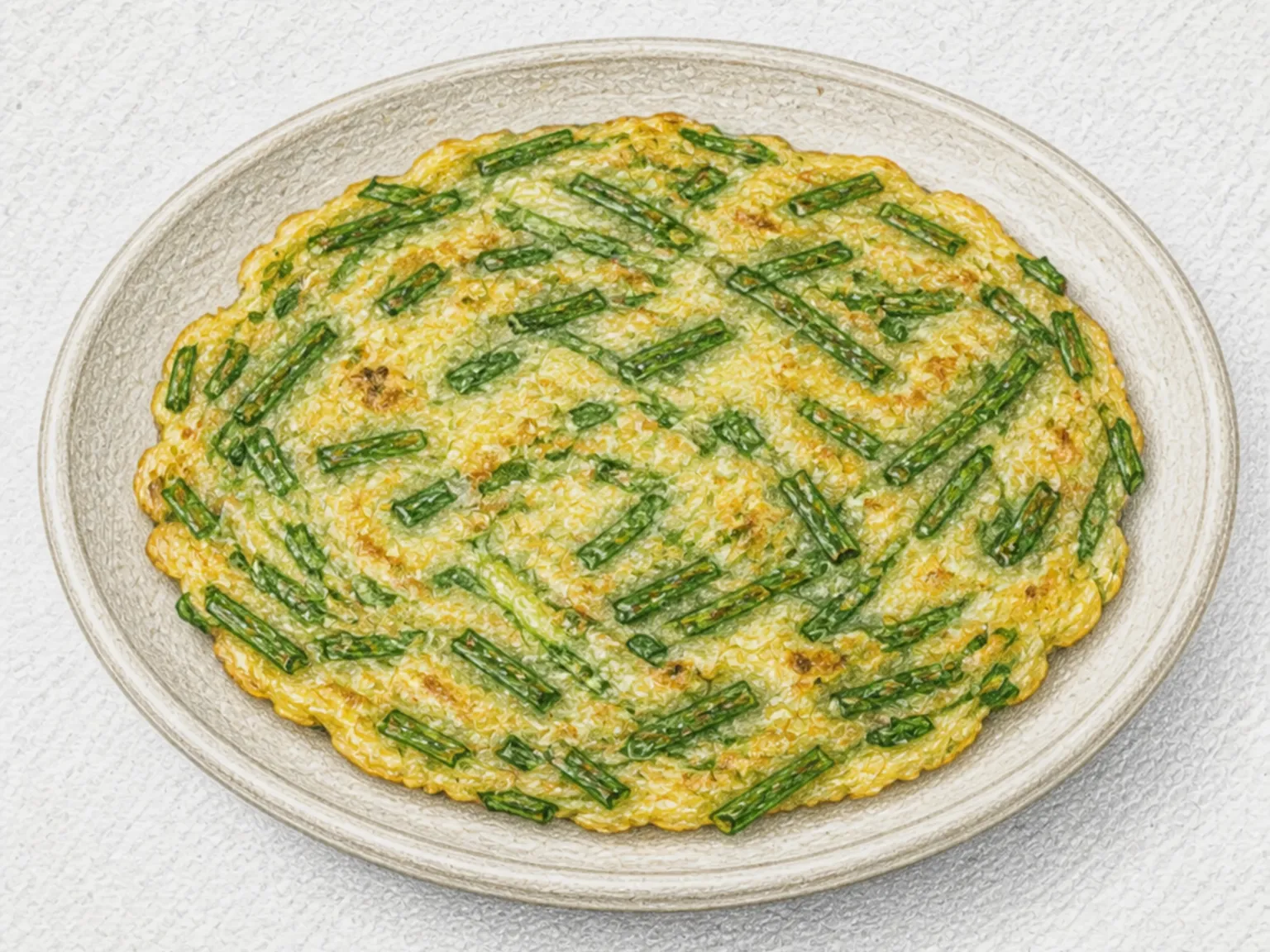
Cong You Bing (Flaky Scallion Pancake)
Cong you bing - the scallion pancake of northern China - is built around a lamination technique that folds oil and scallion into wheat dough, creating the flaky, pull-apart layers that define its texture. The dough is rolled flat, brushed generously with oil, scattered with chopped scallions and salt, then rolled up into a tight cylinder and pressed flat again - a sequence repeated two or three times to multiply the internal layers. Each folding cycle traps air and fat between the dough sheets, so when the pancake hits an oiled pan over medium heat, steam expands those layers from inside while the exterior crisps to a golden, shattering crust. The scallions sandwiched between layers soften completely as they cook, losing their raw bite and releasing a gentle, almost sweet fragrance into the surrounding dough. In Taiwan's night markets, a popular variation cracks a whole egg directly onto the pancake during the final fry, pressing it flat and letting it cook together with the dough into a unified, extra-rich layer. The finished pancake is torn rather than cut, eaten any time from breakfast through midnight, and almost always served alongside a dipping sauce of soy sauce, vinegar, and sesame oil. Scallion pancakes rank among the most widely eaten flour-based street foods across the Chinese-speaking world, valued for the contrast between a shatteringly crisp exterior and a chewy, layered interior that no other preparation achieves.

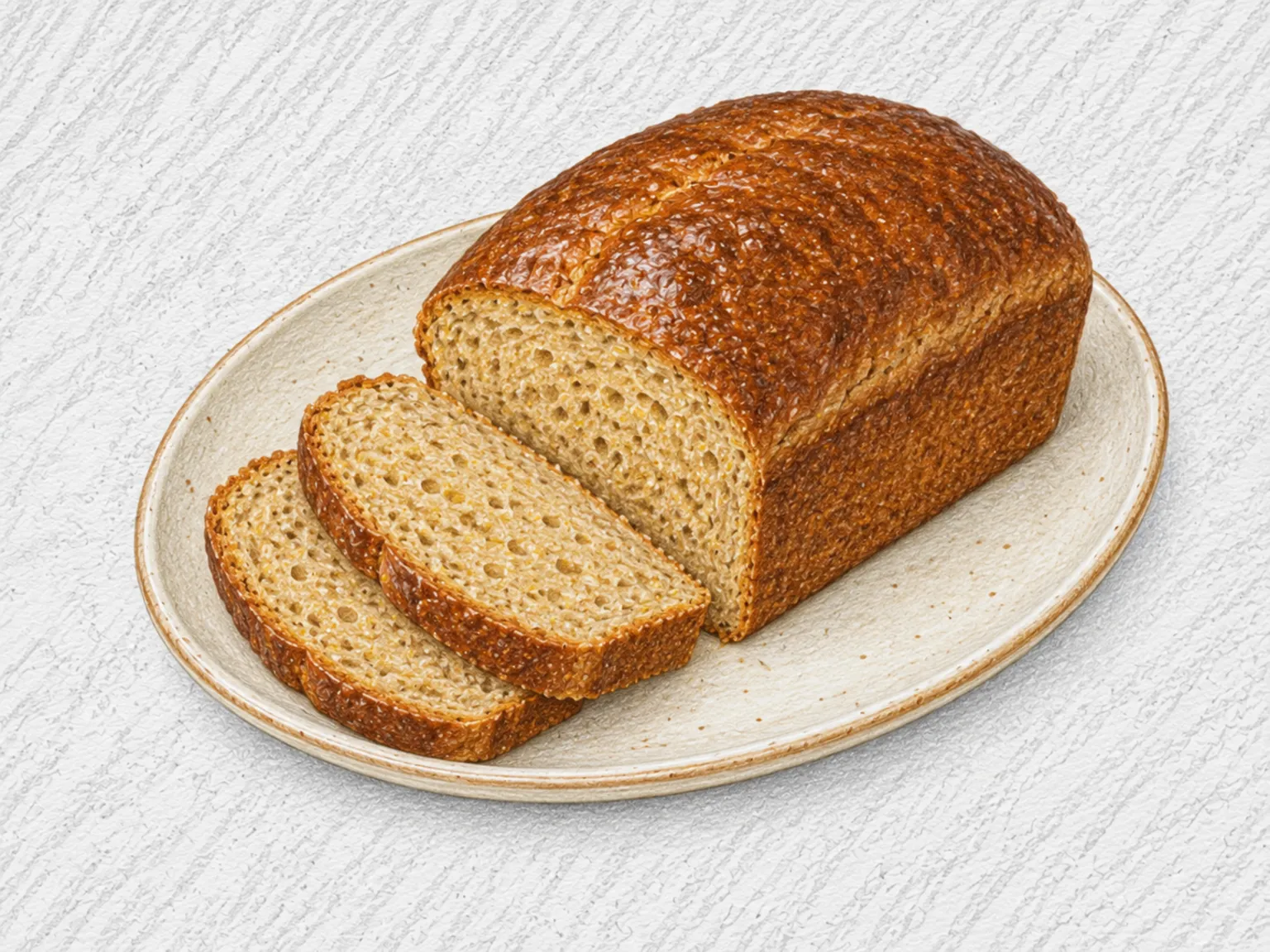
Banana Bread
Banana bread is a quick bread leavened with baking soda rather than yeast, which means no rising time and a straightforward one-bowl process. The most important variable is the banana: heavily blackened, overripe fruit is essential because the starches have converted to sugar, the flesh mashes effortlessly, and the concentrated banana aroma permeates every part of the crumb. Melted butter adds richness without creaming, a single egg provides structure, and vanilla extract amplifies the banana's fragrance. The batter mixes in one bowl and goes directly into the oven at 170 degrees Celsius for roughly sixty minutes. A toothpick inserted into the center should come out clean. The bread is good warm from the oven, but the flavor is measurably deeper the following day as banana sugars continue to penetrate the interior. Walnuts or chocolate chips folded into the batter add textural contrast without changing the essential character of the loaf.

Korean Chocolate Custard Bungeoppang
Choco-custard bungeoppang is a variation of Korean fish-shaped bread made with cocoa powder worked into the batter and filled with chocolate custard cream. The cocoa gives the shell a darker brown color than the classic red-bean version and produces a bitter chocolate aroma as it bakes in the cast-iron mold. The chocolate custard inside flows out like cream when bitten while still warm, delivering a rich, concentrated sweetness that contrasts with the faint bitterness of the cocoa shell. The mold must reach full temperature before pouring the batter to ensure a properly crisp shell, and the custard filling should be spooned into the center in small amounts to prevent leaking at the seam. With both the batter and filling built on chocolate, the finished pastry stacks layers of deep sweetness and mild bitterness that differ noticeably from the earthier flavor of the traditional red-bean filling.

Honey Ginger Pastry (Korean Deep-Fried Layered Wheat Honey Cookie)
Yakgwa is a traditional Korean honey pastry made from wheat flour rubbed with sesame oil, then mixed with rice wine, ginger juice, and rice syrup, folded and rolled repeatedly to build up laminated layers before frying. A two-stage frying method is essential to the texture: first at 140 degrees Celsius to cook the dough through slowly without coloring, then briefly at 170 degrees to develop a golden, crisp exterior over a layered, flaking interior. Soaking the fried pastries in a warm syrup of honey, water, and ground cinnamon for at least two hours allows the sweetness to penetrate deep between the laminated layers, saturating each piece with moist, fragrant honey flavor from edge to center. Ginger juice surfaces gently in the finish, providing just enough warmth to temper the concentrated sweetness and keep the flavor from feeling cloying. The sesame oil rubbed into the dough from the start adds a persistent nutty backbone that ties together the honey, spice, and wheat flavors into the complex, layered profile that defines well-made yakgwa. Pine nuts or jujubes placed as garnish add visual elegance, and the pastry pairs particularly well with Korean teas, where its sweetness finds proper balance.

Jianbing (Chinese Savory Breakfast Crepe)
Jianbing is a northern Chinese street breakfast crepe assembled on a flat griddle within minutes. A thin batter of mung bean flour and wheat flour is spread into a wide circle, then an egg is cracked directly on top and smeared across the surface while still liquid. Chopped scallion is scattered over the egg before the crepe is flipped briefly to set the other side. Sweet bean sauce and chili sauce are brushed on, followed by fresh cilantro and a crispy fried wonton sheet that provides the signature crunch. The mung bean flour gives the batter a distinctive nutty flavor and slightly crisp edge that plain wheat flour cannot replicate. The whole assembly is folded into a neat rectangle meant to be eaten by hand. Timing is critical for the wonton cracker, which should be added last to prevent sogginess, creating a layered contrast of soft crepe, runny egg, sharp sauce, and shattering crunch.

Banana Walnut Bread
As a quick bread, this loaf relies on baking soda instead of yeast for its structure. The process begins by mashing bananas that have developed dark spots or turned entirely black on the outside. This level of ripeness indicates that the starches have shifted into sugars, providing a natural sweetness to the batter. Combining these bananas with melted butter, eggs, and brown sugar creates the base. When adding the flour and baking soda, it is important to fold the mixture gently. Overworking the dough leads to gluten development, which results in a tough, dense crumb instead of the intended soft texture. Ground cinnamon provides a warm aromatic layer that complements the fruit. Roughly chopped walnuts are stirred in last; their irregular sizes ensure that every bite offers a different level of crunch. During the fifty-minute bake in a 9 by 5 inch pan, the walnuts toast within the crumb and release their natural oils. Slicing the bread while warm can cause a sticky interior, so the loaf should reach room temperature before being cut. It yields roughly eight slices and stays fresh for two to three days when wrapped. Reheating a slice in a toaster helps the exterior regain its crisp texture and brings out the scent of the toasted nuts.

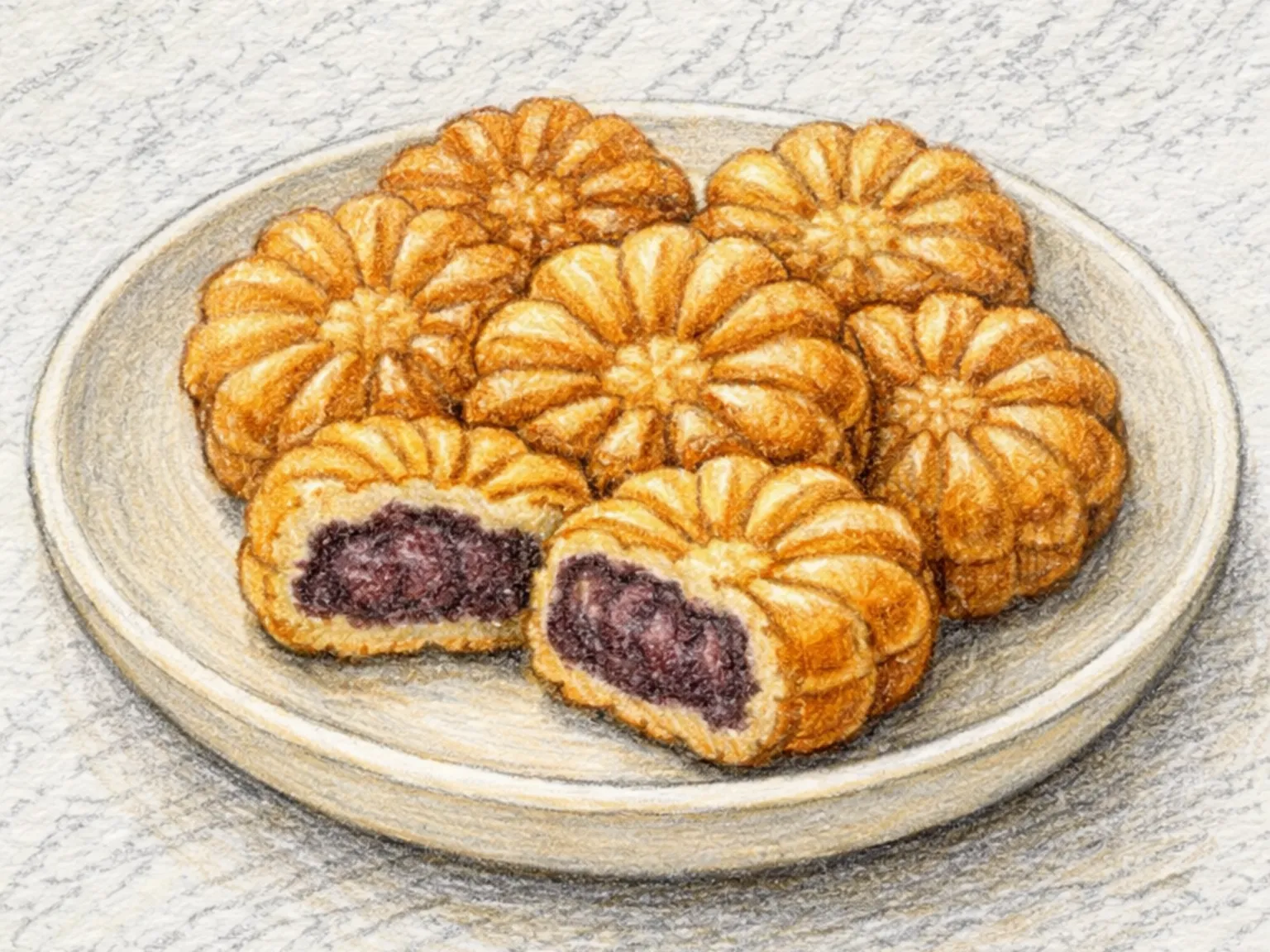
Korean Chrysanthemum Bean Cakes
Gukhwa-ppang is a Korean winter street pastry baked in a chrysanthemum flower-shaped cast-iron mold, filled with sweet red bean paste at the center. The batter of flour, baking powder, sugar, milk, egg, and melted butter is stirred together with minimal mixing to keep gluten development low, then poured to fill only one-third of the mold before a spoonful of bean paste is placed in the middle and covered with more batter, ensuring the filling sits centered in the finished pastry. Cooking over medium-low heat for three to four minutes on each side produces a golden crust with sharply defined flower-petal ridges pressed into the surface, while the bean paste inside stays soft and flows when the pastry is broken apart. It is often grouped with bungeoppang as a sibling street food, but the dough ratio is heavier and the shell is noticeably thicker, giving it a stronger bread-forward flavor and a slightly smaller proportion of filling to outer crust. The pastry is best eaten immediately after cooking, while the exterior is still crisp and the paste still hot. In recent years vendors have begun filling gukhwa-ppang with cream, chocolate, and sweet potato paste as alternatives to the traditional red bean filling.

Steamed Pork Buns
Nikuman is a Japanese steamed pork bun descended from Chinese baozi but adapted to local tastes over generations. Yeasted wheat dough is kneaded, left to rise, then filled with a mixture of ground pork seasoned with soy sauce, ginger, and sesame oil, along with finely chopped cabbage. After pleating and steaming, the bun emerges snow-white and pillowy, with a moist, savory filling inside. Opening the steamer releases a cloud of fragrant steam carrying notes of ginger and soy. In Japan, nikuman is the defining winter convenience-store snack -- warming your hands around the bun before biting into the hot, juicy filling.

Beignet (New Orleans Square Fried Dough with Powdered Sugar)
Beignets are square fried dough pastries that arrived in Louisiana with French colonists and became a defining food of New Orleans. A yeast-leavened dough of flour, milk, sugar, egg, and butter rises until airy, then is rolled and cut into rough squares before being dropped into hot oil. Each piece puffs up rapidly as it fries - the center becomes pillow-soft while the outside sets into a thin, light golden shell. Pulled from the oil, the beignets are immediately buried under a heavy dusting of powdered sugar that begins to melt against the warm surface. At Cafe du Monde in the French Quarter they have been served three to a plate with chicory coffee for over a century. In New Orleans, beignets are eaten at any hour of the day, morning through midnight.

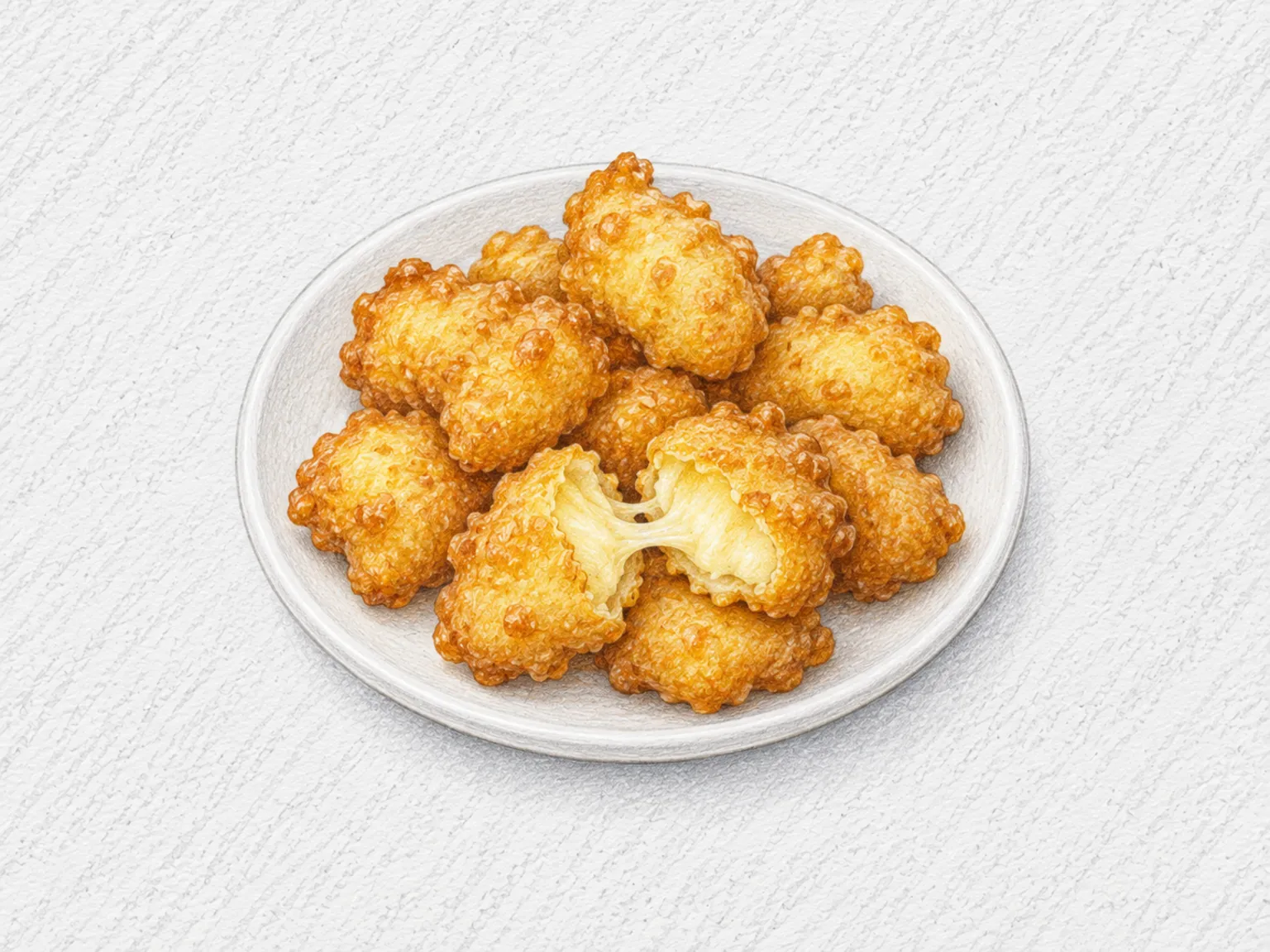
Korean 10 Won Cheese Bread
Sip-won-ppang is a Korean street snack baked in a coin-shaped mold from a batter of flour, egg, milk, and melted butter, filled with mozzarella cheese and corn kernels. The batter is layered around the cheese filling, then griddled on medium-low heat until both sides develop a thin, lightly crisp crust while the mozzarella inside melts into a stretchy pull. Each corn kernel bursts with sweetness against the salty cheese, creating a clear sweet-salty contrast. The embossed mold stamps a coin pattern onto the surface, giving it the signature look of a Korean ten-won coin.

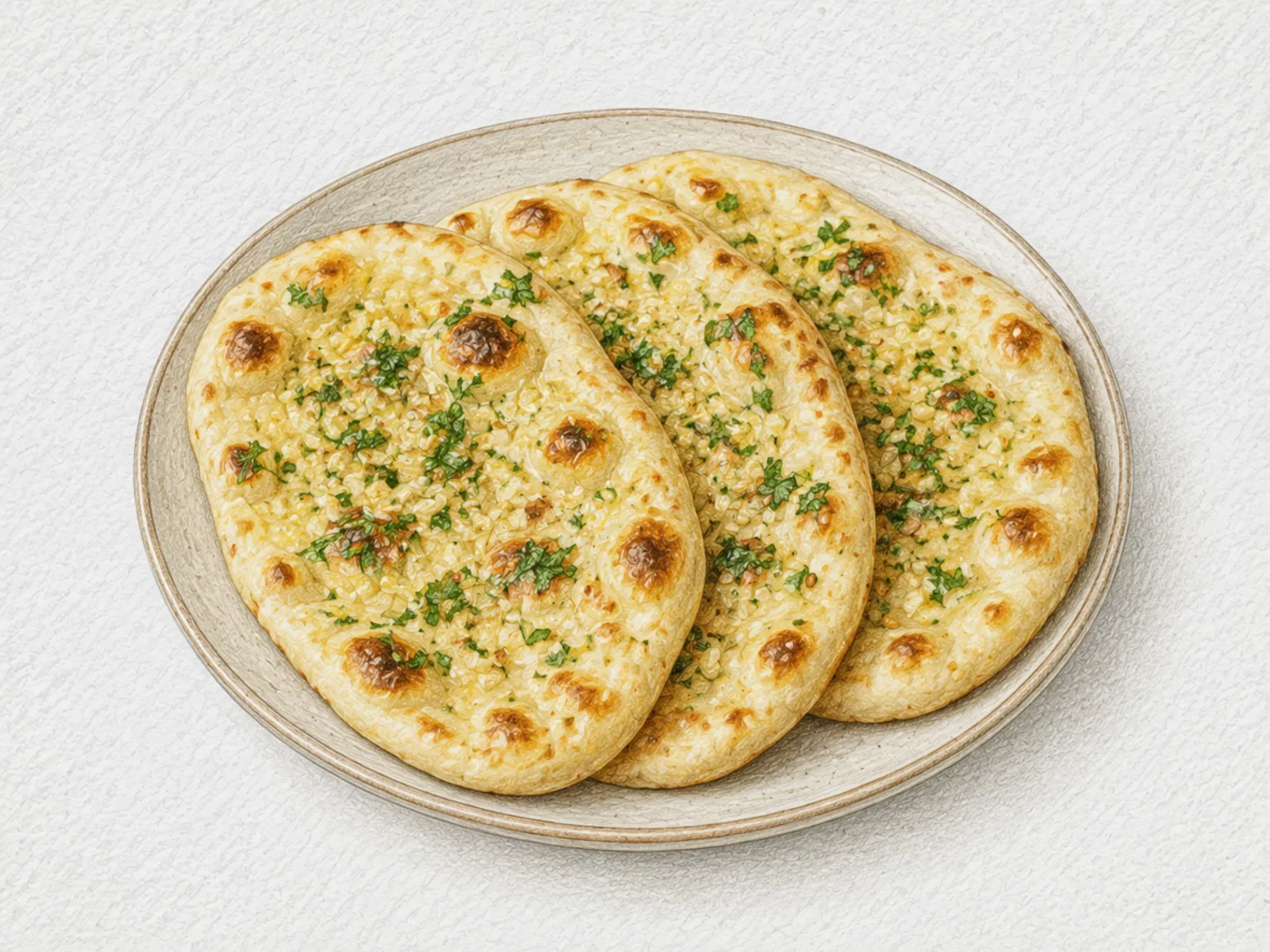
Roti Canai (Malaysian Flaky Ghee Flatbread with Curry Dip)
Roti canai is a flaky, pan-fried flatbread served at mamak stalls across Malaysia from dawn until late at night. The dough is enriched with ghee and stretched by hand until nearly translucent, then folded back onto itself multiple times to create dozens of paper-thin layers. On a well-oiled griddle, the bread puffs and crisps on the outside while the interior stays chewy and layered. Each tear reveals the laminated structure inside. The standard pairing is a bowl of dhal curry for dipping, though sardine curry and chicken curry are equally common. Variations abound: roti telur folds in a beaten egg, roti pisang wraps sliced banana inside, and roti bom is a thicker, butterier version dusted with sugar. The bread is torn by hand, never cut, and the best versions leave a faint sheen of ghee on the fingers.

Black Sesame Fudge Brownies
Black sesame fudge brownies layer the roasted nuttiness of black sesame over the bittersweet depth of dark chocolate in a dense, compact bar. Melted chocolate and butter form the rich, fatty base of the batter, and black sesame paste is worked in to add an earthy, faintly smoky dimension that dark chocolate alone cannot provide. Cocoa powder reinforces both the color and the intensity of the chocolate, while keeping the flour ratio low ensures the baked brownie stays fudgy and tight rather than turning cakey or dry. The first bite delivers chocolate sweetness, and the roasted sesame follows with a lingering, slightly bitter aftertaste. Cooling the brownies increases their density noticeably, making each piece substantial in the hand and on the palate. Served alongside coffee, the sesame aftertaste becomes more distinct and cuts cleanly through the bitterness of the drink.

Korean Street-Style Egg Bread
Preparing gyeran ppang involves pouring a sweet batter made from flour, milk, egg, and butter into individual molds and cracking a whole egg directly on top. The inclusion of baking powder helps the batter rise into a soft, airy bread structure during the baking process at 180 degrees Celsius. Within fifteen to eighteen minutes, the egg white sets firmly while the yolk reaches a state between soft and fully cooked, creating a moist center. The light sweetness of the buttered batter balances the naturally mild and savory profile of the egg, making the snack complete without any additional sauces. Where the batter makes contact with the mold, it develops a lightly crisped, golden exterior that provides a textural contrast to the pillowy interior. This snack reaches its peak quality immediately after removal from the mold while still warm, as cooling causes the bread to contract and lose its characteristic fluffiness. Its compact shape makes it easy to hold and eat while walking, which contributed to its status as a staple of Korean winter street food culture. Some versions include a light sprinkle of salt or dried herbs over the egg to introduce an aromatic element to the sweet and savory base.

Blondie Bars
Blondie bars take the dense, fudgy structure of brownies and replace the chocolate with the caramel depth of browned butter and brown sugar. Cooking the butter slowly until it turns a deep golden-brown color produces a pronounced nutty, toasted aroma that functions as the flavor backbone of the entire bar - more complex than plain melted butter can deliver. Brown sugar dissolves into the browned butter and contributes a toffee-like sweetness with a molasses undertone that white sugar simply cannot replicate. Eggs and vanilla extract add warmth, richness, and depth to round out the flavor. Using a modest amount of flour is deliberate: too much tips the texture toward cakey, while the right quantity keeps the baked bars dense, chewy, and slightly underdone in the center. The surface develops a thin, crackly shell during baking, while the interior stays soft and slightly sticky - that contrast of textures is central to a properly made blondie. The bars must cool completely before slicing; cutting too early causes them to collapse and lose their clean edges.

Blueberry Lemon Scones
Blueberry lemon scones bring together the bright zing of lemon zest and the sweet tartness of fresh blueberries in a buttery, crumbly pastry. Cold butter is worked into flour by hand until the mixture resembles coarse crumbs, then bound with heavy cream into a shaggy dough - the technique that produces scones with a crisply fractured exterior and a layered, tender center. Lemon zest is distributed throughout the dough so every bite opens with a citrus fragrance before the pop of a blueberry follows with its rush of sweet-tart juice. Sugar is kept to a minimum, allowing the fruit and zest to carry the flavor without sweetness overwhelming them. The restrained sugar level also makes these scones a natural fit for clotted cream or preserves on the side.

Blueberry Yogurt Scones
Blueberry yogurt scones incorporate plain yogurt into the dough to produce a crumb that is noticeably softer and more moist than the standard butter-and-cream version. The mild tang of the yogurt runs through the dough and, together with the butter, leaves a clean, rounded finish rather than a heavy one. Blueberries partially burst during baking, sending violet-blue streaks through the pale interior and releasing a fruity fragrance into each slice. The interaction between baking powder and the acidity of the yogurt gives the dough a gentle lift, so the exterior develops a light crust while the inside stays open and tender instead of dense. Sugar is kept deliberately low, which lets the natural sweet-tart character of the berries carry the dominant flavor without competition from the base dough.

Brown Butter Chocolate Chip Cookies
Brown butter chocolate chip cookies build on the familiar template by introducing browned butter, which is cooked over medium heat until the milk solids caramelize and turn golden, releasing an aroma of toasted hazelnuts and toffee that standard melted or creamed butter cannot produce. The browned butter is combined directly with brown sugar while still warm, which helps it dissolve completely and speeds up the mixing process. A high ratio of brown sugar relative to white sugar produces cookies with thin, crisp edges and a dense, chewy center that sinks slightly when pressed. Dark chocolate cut into rough chunks melts unevenly during baking, leaving some pockets fully liquid and others still partially solid, creating texture variation in each bite. Flaky sea salt pressed lightly onto the tops of the cookies before baking sharpens the sweetness and amplifies the chocolate flavor in a way that fine salt mixed into the dough cannot replicate. Fresh from the oven the cookies look underdone and collapse slightly when touched, but ten minutes of resting on the pan allows the structure to set: the edges firm up to a gentle snap while the center stays yielding and fudgy.