Charim

2686 Korean & World Recipes

2686+ Korean recipes, clean and organized. Ingredients to instructions, all at a glance.

Korean Salt-Grilled Beef Chuck Flap

Korean Salt-Grilled Beef Chuck Flap

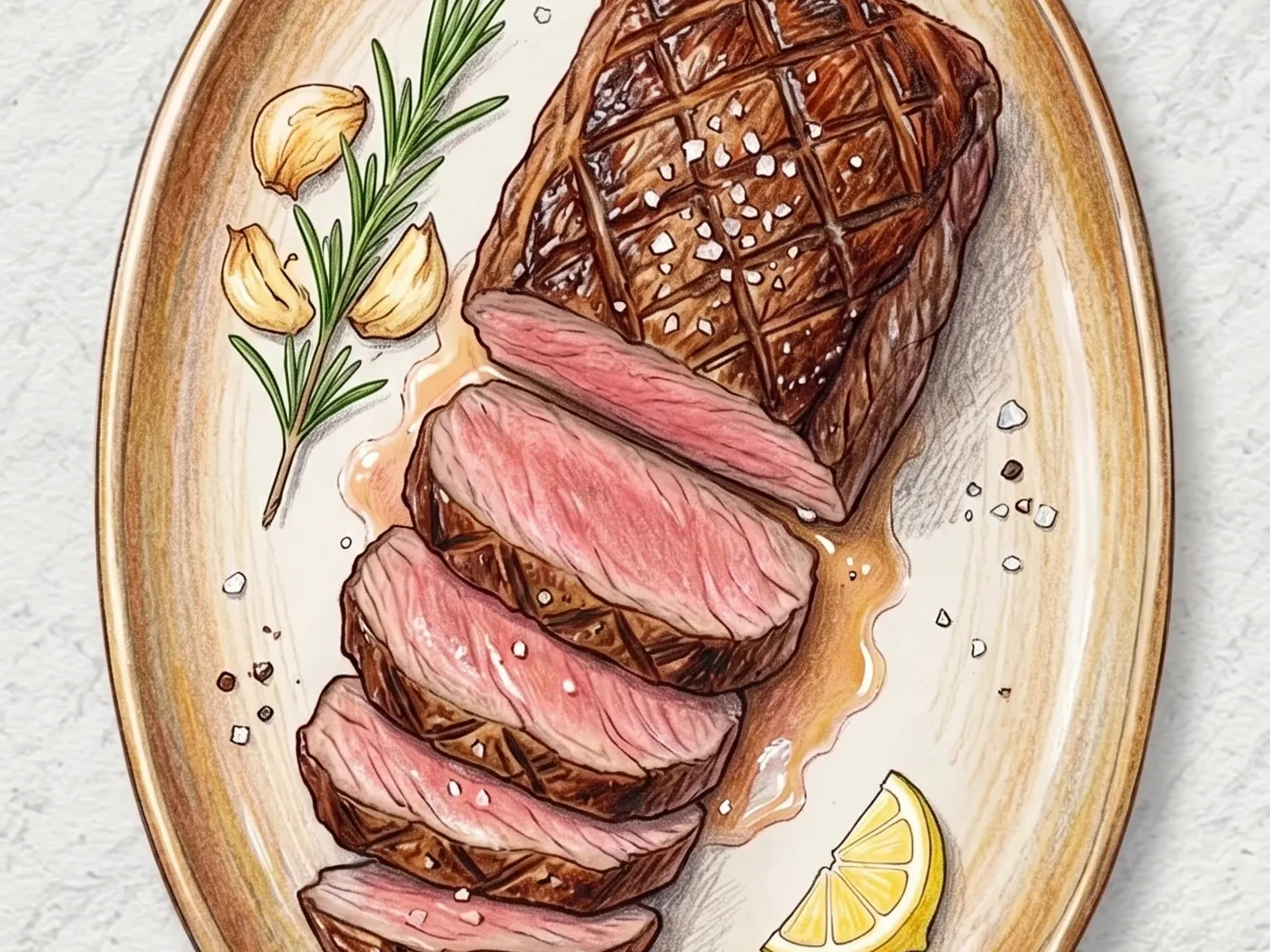
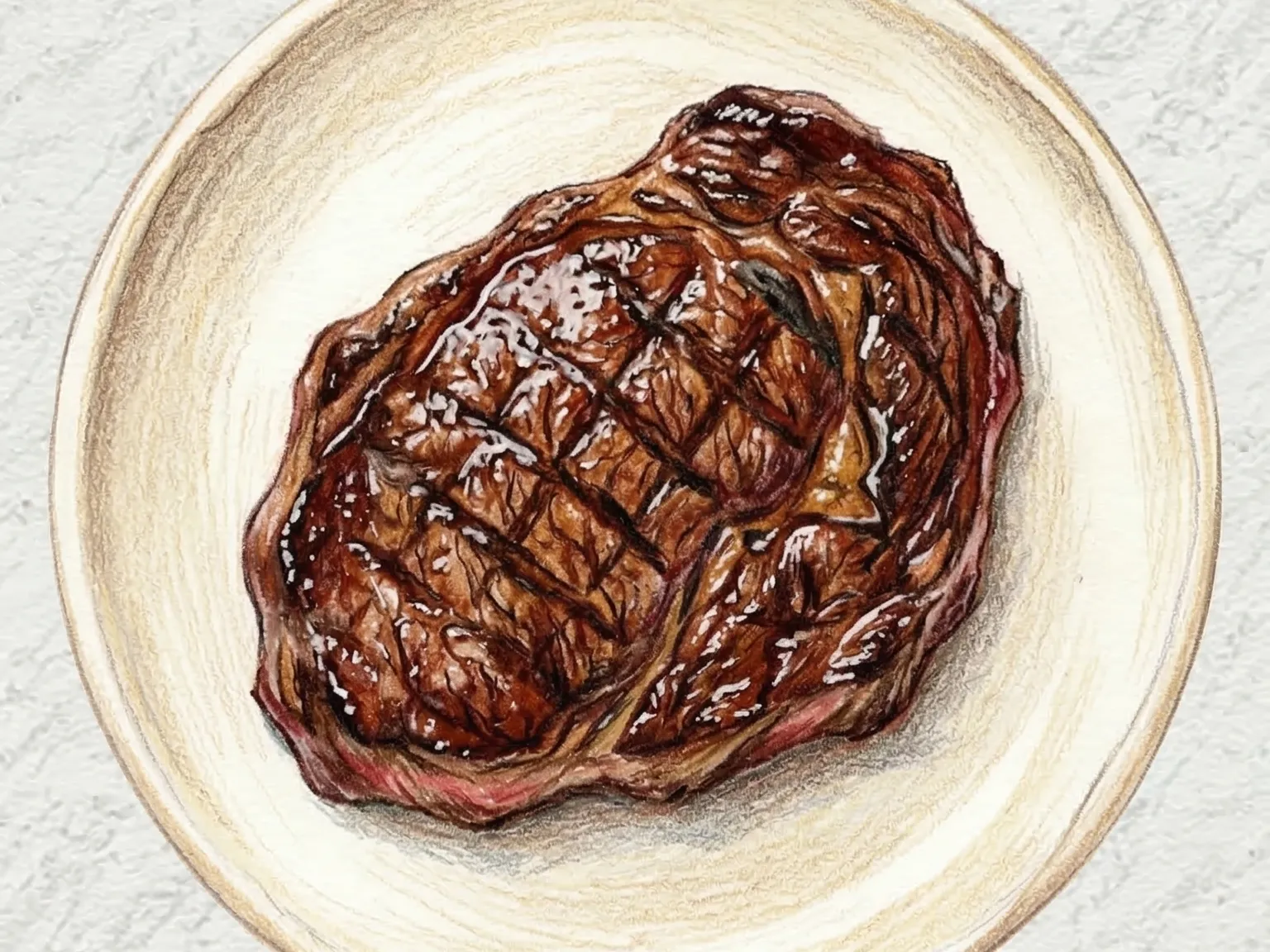
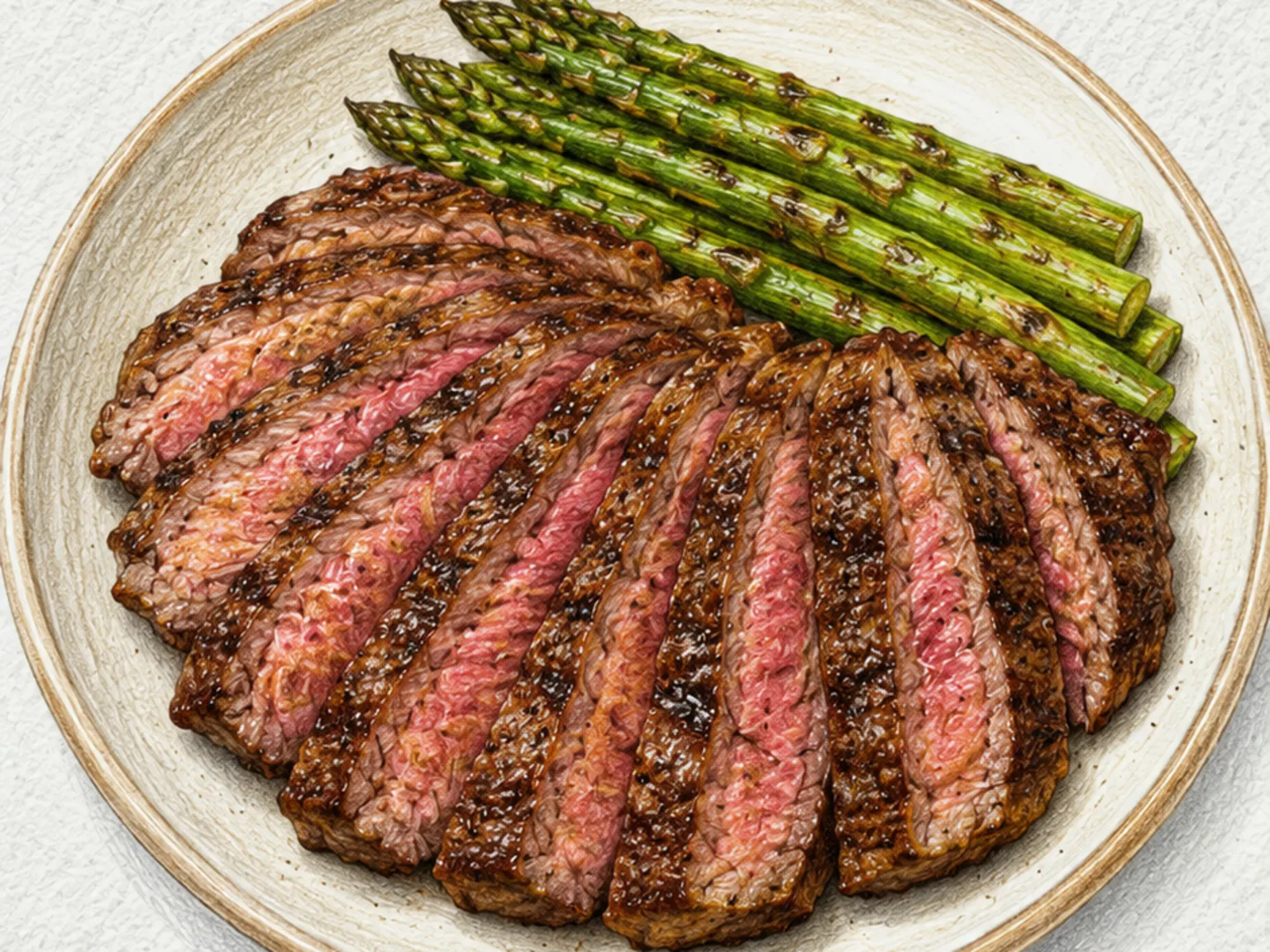
Salchisal sogeum-gui is a Korean salt-grilled beef chuck flap tail, a well-marbled cut from behind the shoulder that is rested at room temperature for ten minutes, seasoned with coarse salt and pepper only, then seared for ninety seconds per side in a smoking-hot pan. The heavy marbling keeps this cut moist even under intense, brief heat, and thoroughly drying the surface beforehand is what triggers rapid Maillard browning into a deep brown crust. After searing, butter, garlic cloves, and a rosemary sprig are added to the pan, and the foaming butter is spooned over the meat for one final minute to layer herbal and garlic aromas onto the crust. A three-minute rest before slicing allows the muscle fibers to relax and reabsorb their juices, so the plate stays clean when served alongside asparagus grilled in the same pan.

Prep 12min Cook 8min 2 servings

Adjust Servings

2servings
servings

Instructions

  1. 1

    Rest beef at room temperature for 10 minutes and pat dry.

  2. 2

    Season evenly with coarse salt and pepper.

  3. 3

    Preheat a pan over high heat and add olive oil.

  4. 4

    Sear 1 minute 30 seconds per side and briefly sear the edges.

  5. 5

    Add butter, garlic, and rosemary, basting for 1 more minute.

  6. 6

    Rest meat for 3 minutes, slice, and serve with asparagus grilled in the same pan.

🛒Shop Ingredients on Amazon

As an Amazon Associate, we may earn from qualifying purchases.

Tips

Dry surface is key for a strong sear.
Proper resting reduces juice loss when slicing.

Nutrition (per serving)

Calories
610
kcal
Protein
35
g
Carbs
4
g
Fat
50
g

Goes Well With

Korean Gangwon-Style Loach Soup
SoupsHard

Korean Gangwon-Style Loach Soup

Gangwon-style chueotang is a thick, hearty loach soup in which the entire fish is boiled, blended smooth, and returned to the pot with ground perilla seeds and dried radish greens. Pulverizing the loach whole dissolves its small bones into the broth, creating a calcium-rich liquid with a distinctive earthy depth. Perilla seed powder transforms the soup into something creamy and nutty, far removed from a typical clear broth. Dried radish greens, rehydrated and chopped, provide a pleasantly chewy counterpoint to the thick liquid. Doenjang and gochugaru add fermented savoriness and gentle heat that deepen the overall flavor. Before blending, the loach should be soaked in salted water to purge any muddy taste, and the perilla powder is best stirred in after the soup reaches a boil so the nutty aroma does not cook off too quickly. The finished soup is dense and substantial, closer to a stew than a broth, and is traditionally eaten in autumn and winter as a stamina food. In the mountainous Gangwon province, chueotang holds a near-legendary status as a warming, restorative meal on the coldest days.

🏠 Everyday🎉 Special Occasion
Prep 30minCook 50min4 servings
Korean Blanched Young Napa with Doenjang
Side dishesEasy

Korean Blanched Young Napa with Doenjang

Eolgari is young napa cabbage cut before the head has formed a tight ball, leaving it with thinner leaves and more tender ribs than fully mature baechu. A quick blanch of about one minute wilts the leaf while the pale ribs retain a gentle crunch that holds even after seasoning. After blanching, the cabbage is squeezed firmly to remove water, then dressed with doenjang, soup soy sauce, minced garlic, and sesame oil. The fermented paste penetrates the tender leaves quickly, spreading a salty, earthy coating evenly through each piece. The flavor profile is mild and round with no sharp edges, making it one of the most approachable doenjang-based namul dishes for people who are new to Korean fermented seasonings. The dish comes from the Korean countryside tradition of turning whatever young greens were growing between major kimchi-making seasons into simple dressed vegetables. Eolgari is a seasonal green, available at Korean markets from late spring through early autumn.

🏠 Everyday🍱 Lunchbox
Prep 12minCook 5min4 servings
Korean Clam and Radish Pot Rice
RiceMedium

Korean Clam and Radish Pot Rice

Baekhap mu sotbap is a Korean pot rice dish where soaked rice is cooked with radish, shiitake mushrooms, and hard clam meat using kelp-infused water. The kelp water establishes a deeper umami base than plain water, and the glutamic acid released by shiitake mushrooms compounds with the clams' briny character to build layered savory depth. Radish sits on top of the rice and steams as the pot cooks, losing moisture while concentrating its natural sweetness into the surrounding grains. The clam meat must be added just before the resting phase rather than at the start, because prolonged heat toughens shellfish; residual steam finishes the cooking gently while keeping the clams firm. The resting period is critical - ten minutes with the lid sealed after the flame is turned off allows steam to redistribute evenly through the rice and all the toppings. A seasoning sauce of soy sauce, sesame oil, and chopped scallion is mixed in at the table, adding a salty richness that ties the seafood and vegetable components together. Hard clams require thorough purging before use; soaking in salted water for at least two hours removes sand, and any clam that does not open during this process should be discarded.

🎉 Special Occasion
Prep 18minCook 22min2 servings
Chicken Mu (Korean Fried Chicken Radish Pickle)
KimchiEasy

Chicken Mu (Korean Fried Chicken Radish Pickle)

The crunchy, sweet-sour radish pickle served with every order of Korean fried chicken - now easy to make at home in under 15 minutes. Cubed radish is submerged in a cooled brine of vinegar, sugar, salt, and whole black peppercorns. Using fully cooled brine rather than hot is critical for maintaining the radish's firm, snapping crunch. Ready to eat after one day of refrigeration, its bright acidity cleanses the palate between bites of crispy chicken. Stored in a glass jar, this pickle keeps for over a week.

Quick
Prep 10minCook 5min4 servings

More Recipes

Korean Salt-Grilled Duck (Crispy Skin Duck Breast with Ginger)
GrilledMedium

Korean Salt-Grilled Duck (Crispy Skin Duck Breast with Ginger)

Ori-sogeum-gui is Korean salt-grilled duck breast where shallow score marks cut into the skin at one-centimeter intervals expose the fat layer without piercing through to the flesh, allowing the subcutaneous fat to render fully while the meat juices stay contained. A ten-minute pre-treatment with cooking wine, ginger juice, and minced garlic neutralizes the gamey odor that duck skin can carry. After marinating, the surface must be patted completely dry with kitchen paper so the salt stays granular on the skin rather than dissolving into moisture that would cause steaming instead of crisping. The scored breast goes into a cold pan skin side down, then the heat is raised gradually to medium-low, coaxing the thick subcutaneous fat to melt slowly and render clear while the skin crisps in its own fat over eight minutes. The pan never needs additional oil. Flipping for four to five minutes on the flesh side finishes the interior, and a three-minute rest off the heat redistributes the juices so the sliced surface stays clean and the meat is uniformly cooked from edge to center. Sliced on a bias and wrapped in perilla leaves with ssamjang, the fermented bean paste adds depth and complexity to the salt-forward duck flavor. A side of fresh garlic chive salad cuts through any richness and lifts the overall plate.

🍺 Bar Snacks
Prep 15minCook 18min2 servings
Korean Grilled Beef Short Ribs with Scallions
GrilledEasy

Korean Grilled Beef Short Ribs with Scallions

Galbisal-pachae-gui is a Korean grilled beef dish featuring short rib finger meat marinated in dark soy sauce, sugar, sesame oil, and garlic for at least one hour, then seared over high heat and served under a pile of cold-dressed shredded green onion. Rib finger meat sits between the rib bones and carries a well-balanced ratio of fat to lean, which allows the soy marinade to penetrate the fat layers and produce a deep, lingering savory flavor when exposed to direct heat. High heat causes the edges of the marinated meat to char quickly, creating a brief overlap of caramelized sweetness and smoke that defines the overall aroma of the dish. The shredded green onion is soaked in cold water until the sharp raw pungency fades and the cell walls firm up, then lightly tossed with sesame oil and toasted sesame to complement rather than compete with the heavy soy note of the beef. When a piece of hot seared meat and a tangle of cold scallion are eaten together, the contrast between the temperature, the rich beef fat, and the clean, sharp allium flavor creates a layered experience that cannot be replicated by eating either component alone. This dish is often made for home gatherings centered on table grilling, and the visual contrast of dark caramelized beef against the white-green scallion mound makes it striking as a shared centerpiece.

🍺 Bar Snacks
Prep 20minCook 12min2 servings
Korean Butter-Grilled Crab
GrilledMedium

Korean Butter-Grilled Crab

Kkotge-beoteo-gui refers to a Korean preparation of blue crab that is grilled with a butter glaze. To prepare this dish, the crabs are first sliced into halves and then placed on a grill set to medium-high heat. Throughout the cooking process, a mixture consisting of melted unsalted butter, finely minced garlic, soy sauce, and fresh lemon juice is applied repeatedly as a baste to ensure the flavors permeate the meat thoroughly. As the heat is applied, the butter mixture flows into the various gaps and crevices within the crab shell. This action allows the nutty flavor of the butter to coat each individual fiber of the crab meat. This richness is intended to enhance the natural sweetness inherent in blue crab without masking its original profile. The inclusion of soy sauce introduces necessary saltiness, while the lemon juice adds a sharp acidity that functions to balance the heavy fats and keep the overall profile of the dish clear. Before any grilling takes place, the cleaned crab pieces are treated with a small amount of rice wine. This liquid is rubbed directly onto the surface of the crab to neutralize the strong, briny scent that can often remain on raw seafood, preparing the meat for the application of the butter and seasonings. The grilling starts with the crabs placed shell-side down on the grate for an initial duration of four minutes. This orientation allows the heat to conduct through the hard shell, which effectively steams the meat inside in a gentle manner. After this period, the crabs are flipped over. Basting the now-exposed flesh directly is a critical step to ensure that the delicate proteins do not lose moisture or become dry under the direct heat of the grill. The total time spent on the grill should not exceed ten minutes in aggregate. If blue crab is cooked beyond this threshold, the texture of the meat undergoes a negative transformation, becoming rubbery and losing the natural juices that contribute to its tenderness. Selecting larger crabs with a higher volume of flesh is recommended, as thicker pieces of meat are capable of absorbing the butter-based basting liquid more effectively. For additional aromatic complexity, fresh herbs like rosemary or thyme can be added into the liquid mixture. These herbs introduce a subtle herbal quality that helps to further soften any lingering fishy characteristics in the finished dish.

🍺 Bar Snacks🎉 Special Occasion
Prep 20minCook 18min2 servings
Korean Salt-Grilled Beef Tenderloin
GrilledEasy

Korean Salt-Grilled Beef Tenderloin

Beef tenderloin - the leanest, finest-grained cut from the inner loin - is seared in a smoking-hot pan after seasoning with nothing more than coarse salt, black pepper, and a thin coat of olive oil. The high heat locks a dark brown crust onto the surface while the interior stays pink. Butter, crushed garlic cloves, and a sprig of rosemary go into the pan for basting during the final minutes, layering herbal richness across the meat's surface. A squeeze of lemon at the end cuts through the residual fat, and a three-minute rest allows the juices to redistribute so each slice runs clear.

🍺 Bar Snacks
Prep 15minCook 8min2 servings
Korean Butter-Grilled Scallops
DrinksMedium

Korean Butter-Grilled Scallops

Garibi butter-gui sears fresh scallops in garlic butter until each side develops a deep golden-brown crust, then finishes with lemon juice and parsley to balance the richness. Removing every trace of surface moisture with paper towels before seasoning is the single most important step -- water on the surface of the scallop causes it to steam rather than sear, and no caramelized crust will form until that moisture has evaporated. Each side cooks for only one to two minutes at the highest heat the pan can sustain, leaving the center just barely opaque and the texture tender rather than rubbery. After flipping, butter and minced garlic are added directly to the hot pan and spooned continuously over the scallops so the aroma infuses the surface. A squeeze of lemon and a scatter of chopped parsley added just before removing from heat layers acidity and freshness over the butter richness. Simple to prepare and fast to cook, this dish appears regularly at home gatherings in Korea as a crowd-pleasing appetizer.

🍺 Bar Snacks🎉 Special Occasion
Prep 12minCook 8min2 servings
Korean Grilled Short Rib Patty Rice Bowl
RiceMedium

Korean Grilled Short Rib Patty Rice Bowl

Minced short-rib meat is seasoned with soy sauce, pear juice, and sesame oil, shaped into flat patties, and pan-seared until a caramelized crust forms on both sides. The exterior turns sweet and slightly charred while the interior stays moist and full of juice. Sauteed onion and green onion are added to sharpen the meat's savory depth and bring a fragrant note. Placed over hot rice with a spoonful of the pan sauce, the patty's sweetness melds with the warm grains for a quickly disappearing bowl.

🏠 Everyday
Prep 20minCook 18min2 servings
More Grilled →