Charim

2686 Korean & World Recipes

2686+ Korean recipes, clean and organized. Ingredients to instructions, all at a glance.

Salt and Pepper Shrimp
Asian Easy

Salt and Pepper Shrimp

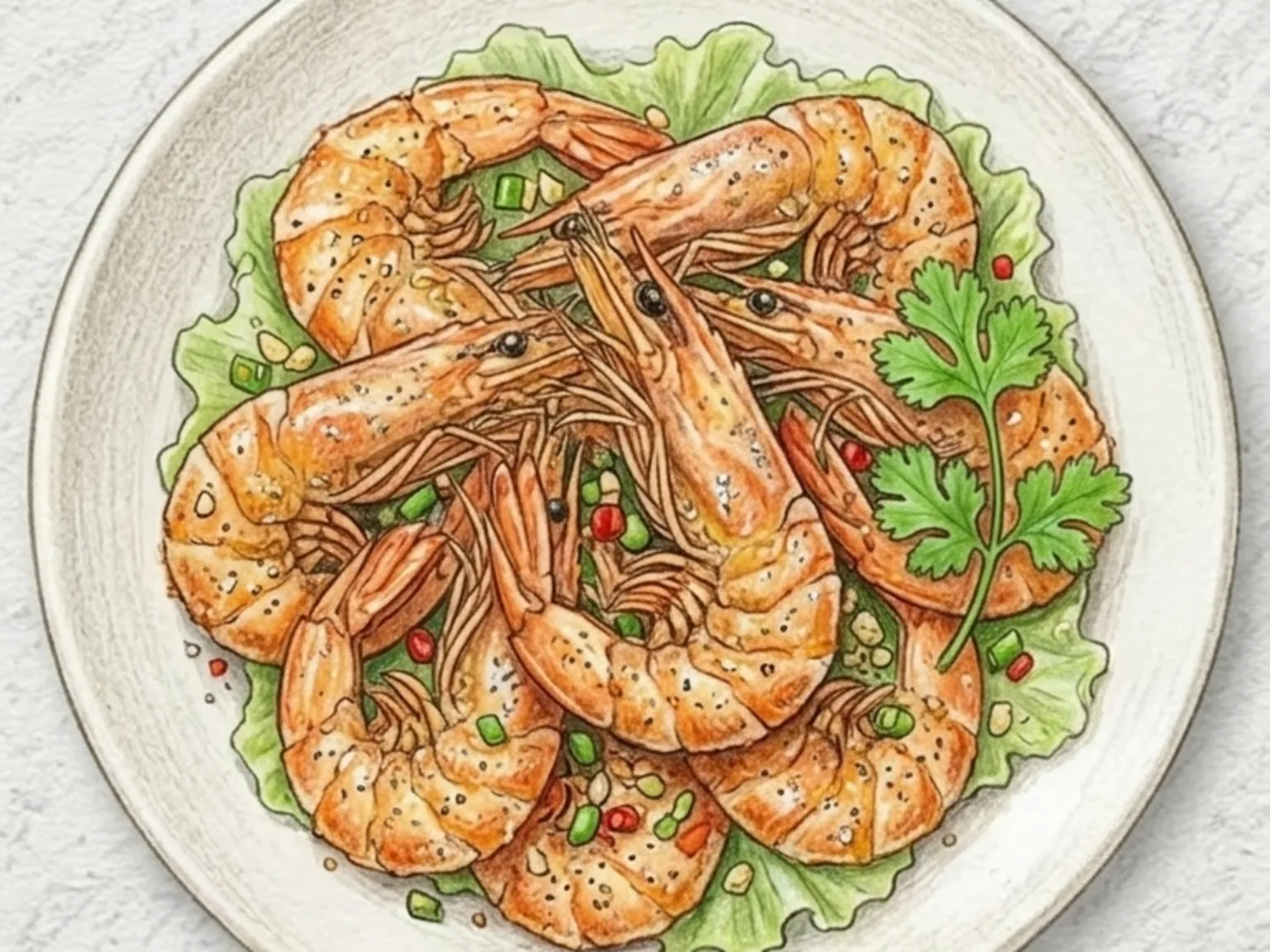
Salt and pepper shrimp is a Cantonese wok dish where shell-on shrimp are deep-fried twice - once to cook through and once at higher heat to crisp the shells until they shatter on the teeth. The fried shrimp are then tossed in a dry wok with minced garlic, sliced fresh chili, and a heavy dusting of sea salt and ground white pepper. The garlic chars slightly at the edges, releasing a nutty aroma that coats the shrimp. No sauce is involved; the seasoning sticks to the hot shells through residual oil alone. Eating the shrimp whole, shell and all, is the intended method - the shells provide a papery crunch that contrasts with the sweet, snappy meat inside. The dish lands on the table in minutes and disappears just as fast, especially when cold beer is within reach.

Prep 15min Cook 15min 2 servings

Adjust Servings

2servings
servings

Instructions

  1. 1

    Trim shrimp whiskers and remove excess moisture.

  2. 2

    Coat shrimp evenly with starch for a light crust.

  3. 3

    Deep-fry at 170C for 2 minutes for the first fry.

  4. 4

    Rest briefly, then fry again at 190C for 30 seconds.

  5. 5

    In a pan, sauté garlic and chili in 1 tbsp oil until fragrant.

  6. 6

    Add fried shrimp and toss quickly with salt and pepper.

🛒Shop Ingredients on Amazon

As an Amazon Associate, we may earn from qualifying purchases.

Tips

Keeping the shell on improves texture and umami.
A second fry keeps the shrimp crisp longer.

Nutrition (per serving)

Calories
410
kcal
Protein
30
g
Carbs
15
g
Fat
24
g

More Recipes

Bao Zai Fan (Cantonese Claypot Rice with Chinese Sausage)
AsianHard

Bao Zai Fan (Cantonese Claypot Rice with Chinese Sausage)

Bao zai fan - claypot rice - is a Cantonese winter dish that has been served in Hong Kong's dai pai dong stalls and Guangzhou's old-quarter restaurants for over a century. Raw rice cooks directly in a heated clay vessel with Chinese sausage, cured meats, or marinated chicken layered on top, so their rendered fats drip down and season the grains as they absorb the liquid. The clay holds heat long after leaving the flame, continuing to toast the bottom layer of rice into a golden, crackling crust called fan jiu - the most coveted part of the dish. A sauce of dark soy, light soy, sugar, and sesame oil is poured over at the table and stirred through, staining the white rice amber and releasing a rush of caramelized soy fragrance. The textural range within a single pot - sticky-soft grains on top, chewy middle layer, and shattering crust at the bottom - is what keeps this dish central to Cantonese comfort food despite the time it demands.

🎉 Special Occasion
Prep 20minCook 25min2 servings
Crispy Chili Garlic Chicken
Stir-fryMedium

Crispy Chili Garlic Chicken

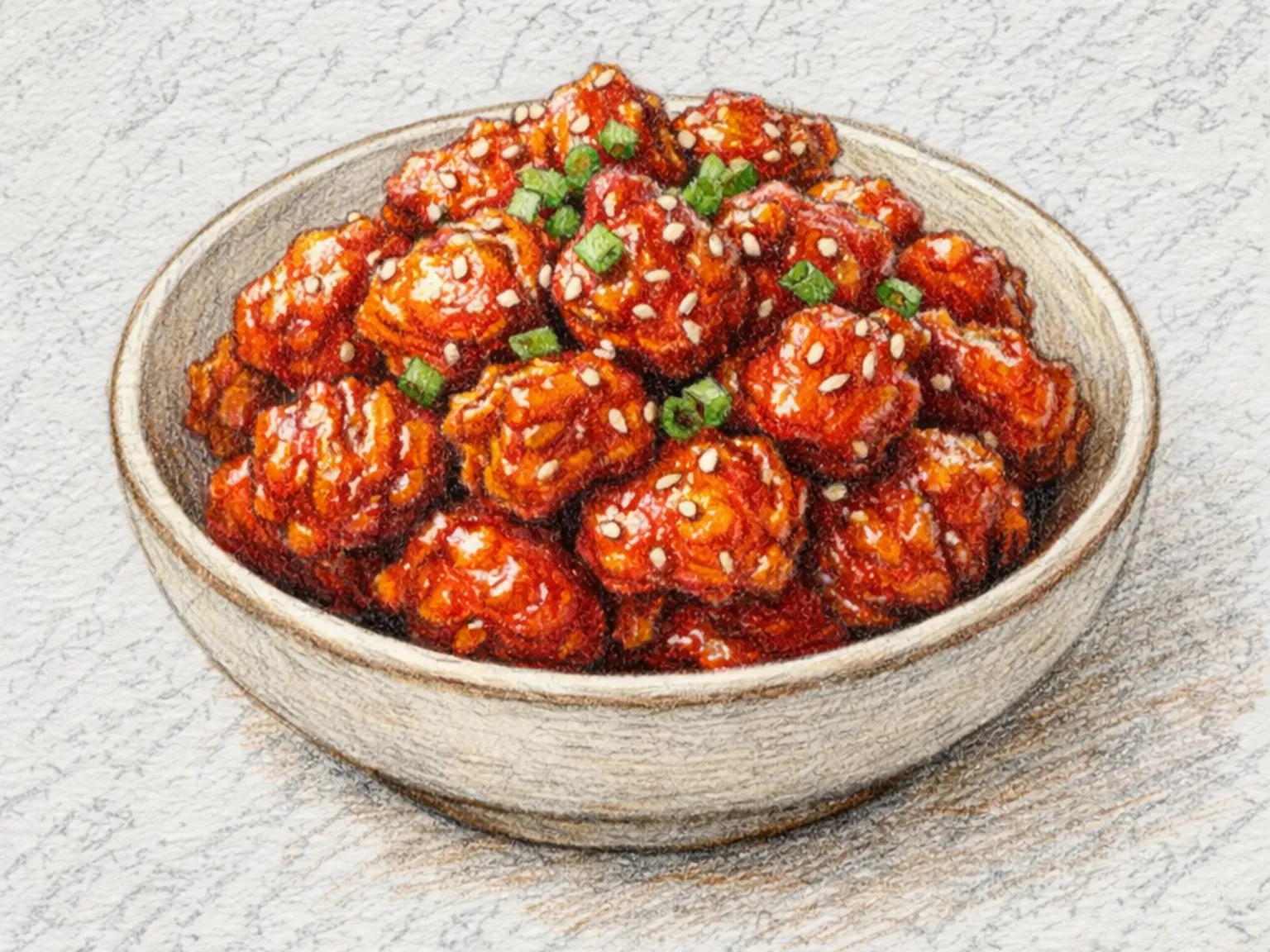
Kkanpunggi is a Korean-Chinese dish of chicken thigh pieces coated in potato starch and deep-fried until shattering-crisp, then tossed quickly over high heat in a sauce built from garlic, dried chilies, soy sauce, vinegar, and sugar. The thin glaze coats the crunchy exterior with a balance of salty, sour, and sweet notes without softening it. Intense garlic aroma and the slow burn of dried chilies define the dish's character, and speed is essential - the chicken must be served immediately to preserve its crunch. It is one of the most popular anju dishes, frequently ordered alongside beer or soju.

🍺 Bar Snacks🏠 Everyday
Prep 20minCook 18min3 servings
Cantonese Har Gow Dumplings
AsianHard

Cantonese Har Gow Dumplings

Har gow is the benchmark dumpling of Cantonese dim sum, wrapped in a translucent skin made from wheat starch and tapioca starch mixed with boiling water. The boiling water instantly gelatinizes the starch, producing a pliable, slightly chewy dough unlike anything wheat flour alone can achieve. A small amount of oil kneaded into the dough ensures a smooth, workable surface. The shrimp filling is intentionally chopped coarsely rather than minced fine, so each bite yields a springy, snappy texture. Finely diced bamboo shoots add a subtle crunch that contrasts with the soft shrimp. Seasoning stays minimal, just sesame oil, salt, and white pepper, to foreground the natural sweetness of the shrimp. The dough stiffens quickly as it cools, requiring small-batch work, and the dumplings steam for only six to seven minutes until the wrappers turn glassy and the pink shrimp shows through.

🎉 Special Occasion
Prep 35minCook 12min4 servings
Pepper and Pork Stir-fry (Chinese-Style Julienned Bell Pepper and Pork)
Stir-fryEasy

Pepper and Pork Stir-fry (Chinese-Style Julienned Bell Pepper and Pork)

Gochu-japchae is a Korean-Chinese stir-fry of julienned bell peppers and pork loin cooked fast over high heat in a soy-oyster sauce base. The pork is pre-marinated with starch and soy sauce to lock in moisture, ensuring each strip stays tender through rapid cooking. Keeping the stir-fry time short preserves the peppers' crunch and vibrant color. Served alongside steamed flower buns or wrapped in a tortilla, it makes a quick, flavorful meal. The dish captures the wok-seared character of Chinese-Korean cooking in under 30 minutes.

🏠 Everyday🌙 Late Night
Prep 15minCook 10min2 servings
Hot and Sour Soup
AsianEasy

Hot and Sour Soup

Hot and sour soup is a staple of Chinese cuisine where the defining flavors come from black vinegar's sharp acidity and white pepper's slow-building heat rather than from chili. Chicken broth forms the base, simmered with cubed tofu, sliced shiitake mushrooms, and reconstituted wood ear mushrooms. A cornstarch slurry is stirred in incrementally to achieve a slightly viscous consistency without making the soup gluey. Beaten egg is drizzled in a thin stream while the soup is gently stirred, forming delicate ribbons throughout. Timing matters: the vinegar goes in near the end, after reducing the heat, to preserve its volatile aroma. The soup draws its textural appeal from the contrast between the springy wood ear mushrooms, the soft tofu cubes, and the wispy egg threads, all suspended in the thick, warmly spiced broth.

🏠 Everyday
Prep 15minCook 20min4 servings
Cantonese Steamed Fish
AsianEasy

Cantonese Steamed Fish

Cantonese steamed fish - ching jing yu - embodies the Cantonese culinary philosophy of letting premium ingredients speak for themselves with minimal intervention. The technique demands the freshest possible whole fish - sea bass, grouper, or pomfret - because steaming hides nothing; any hint of staleness is immediately exposed. The fish is scored, placed on a plate with ginger slices tucked underneath and inside the cavity, then steamed over roiling water for exactly eight to ten minutes depending on thickness. Overcooking by even a minute turns the flesh from silky and translucent to dry and chalky. The moment the fish leaves the steamer, any accumulated liquid is drained - it carries a fishy taste that would spoil the dish. Julienned scallion and ginger are piled on top, then a ladle of smoking-hot oil is poured directly over them, sizzling the aromatics and releasing their fragrance into the fish. A final drizzle of seasoned soy sauce and a few drops of sesame oil complete the dish. In Cantonese banquet culture, the steamed fish course is often the most expensive item on the table, chosen live from a restaurant tank.

🥗 Light & Healthy
Prep 15minCook 12min2 servings
More Asian →