Korean Houttuynia Herbal Tea
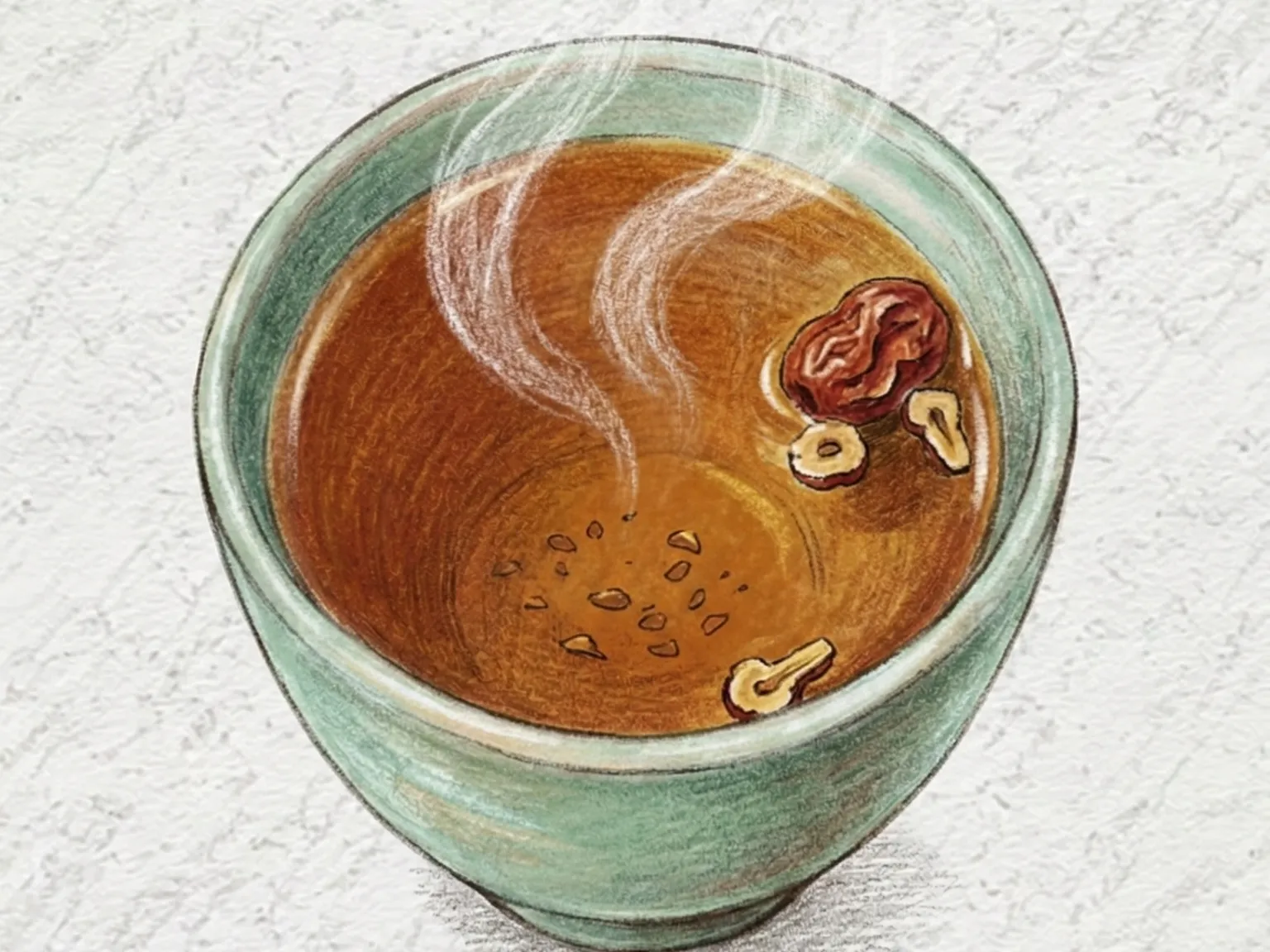
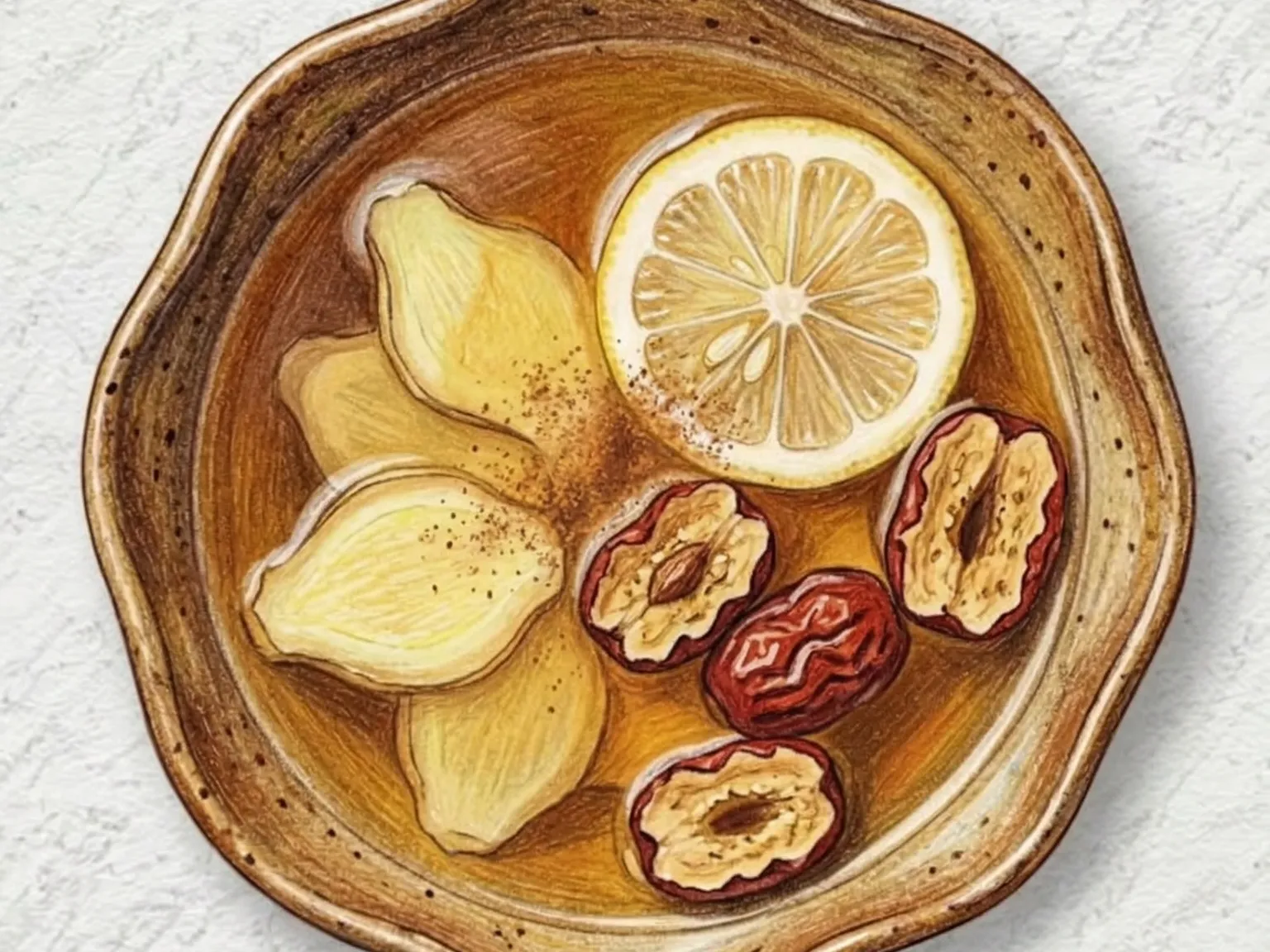
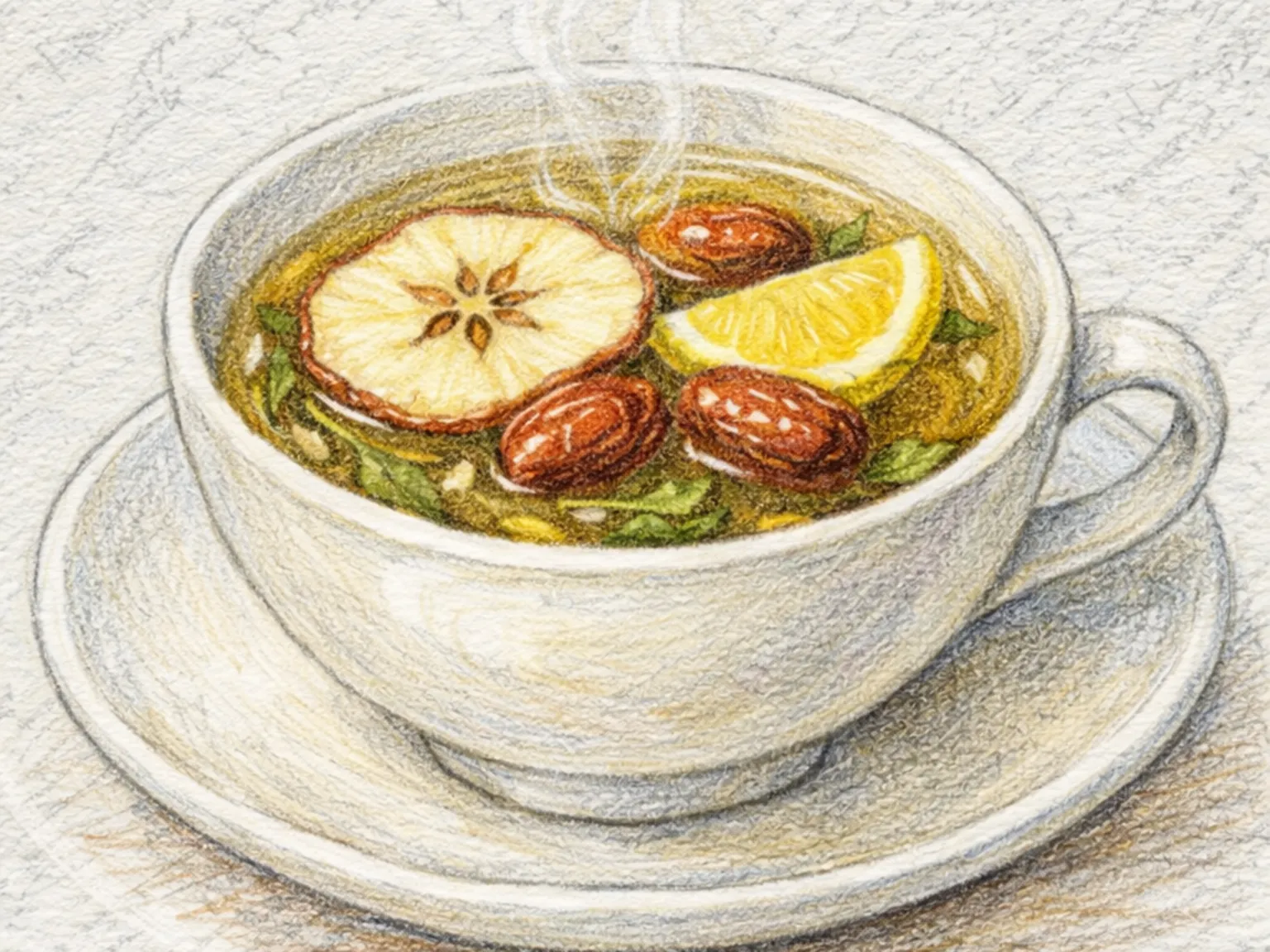
Sambaekcho-cha is a caffeine-free Korean herbal tea brewed by simmering dried houttuynia herb with dried apple slices and scored jujubes in water on low heat for 15 minutes. The herb is rinsed quickly under running water to remove dust, and the jujubes are scored so their sweetness seeps into the liquid during the simmer. The combination produces a clean, grassy base note from the houttuynia, layered with the mild fruit sweetness of dried apple and the rounded warmth of jujube. Lemon slices are steeped in the pot for two minutes after the heat is off, lending a light citrus lift that keeps the finish bright, and agave syrup adjusts the sweetness to taste.
Adjust Servings
Instructions
- 1
Place dried sambaekcho in a sieve and rinse quickly under running water.
- 2
Score the jujubes so flavor releases more easily.
- 3
Add water, sambaekcho, jujubes, and dried apple to a pot and bring to a boil.
- 4
Once boiling, reduce heat and simmer gently for 15 minutes.
- 5
Turn off heat and steep lemon slices for 2 minutes.
- 6
Strain into cups and finish with agave syrup to taste.
As an Amazon Associate, we may earn from qualifying purchases.
Tips
Nutrition (per serving)
More Recipes

Korean Solomon's Seal Tea
Dunggeulle-cha is a Korean caffeine-free tea brewed by simmering dried Solomon's seal root in water to release a toasty, mellow sweetness. Adding a small amount of licorice root infuses a natural sweetness that rounds out the flavor without any added sugar. Sliced Korean pear goes into the pot once the water boils, and as its juice dissolves into the broth, it contributes a light fruity layer to the tea. The liquid is strained clear, finished with a pinch of salt to sharpen the taste, then sweetened with honey and served warm or chilled.

Korean Dandelion Root Tea
Mindeulle-cha is a Korean dandelion root tea made by dry-roasting dried dandelion root and barley in a pot before simmering them with water, sliced ginger, and licorice root for eighteen minutes. The initial roasting step transforms the earthy root into something toasty and grain-like, while licorice and ginger soften any remaining bitterness into a warm, smooth finish. Rice syrup stirred in at the end adds a malty sweetness that deepens the tea's body. Naturally caffeine-free, it can be enjoyed hot or chilled over ice at any hour.

Korean Bitter Melon Jujube Tea
Yeoju-daechu-cha is a Korean herbal tea that steeps dried bitter melon, pitted jujubes, dried tangerine peel, and fresh ginger together for 25 minutes. The bitter melon provides a gentle, lingering bitterness that the jujubes counter with their natural sweetness, while the tangerine peel adds a citrus top note and ginger delivers a warm, peppery finish. Honey is dissolved after the heat is turned off to preserve its delicate fragrance, and a few pine nuts floated on the surface contribute a mild nuttiness. The tea is caffeine-free, and the bitter melon quantity can be reduced for those sensitive to its flavor.

Korean Kudzu Root Tea (Earthy Herbal Root Brew)
Chik-cha is a traditional Korean tea made by slowly simmering dried kudzu root with sliced ginger, scored jujubes, and a cinnamon stick for at least twenty-five minutes on low heat. The kudzu root releases an earthy, starchy depth that forms the tea's backbone, while ginger adds warm pungency and cinnamon contributes a sweet, woody spice layer. Honey is stirred in only after the heat is turned off to preserve its floral aroma, and the jujubes provide a subtle fruity sweetness that ties the flavors together.

Korean Seaweed Winter Soup
Maesaengi-guk is a winter soup made with capsosiphon, a fine, thread-like green seaweed harvested along Korea's southern coast from December to February. Garlic is briefly sauteed in sesame oil, anchovy stock is poured in, and the seaweed is added and loosened with chopsticks to prevent clumping. The entire cooking time after adding the maesaengi is only three to four minutes; any longer and its delicate ocean aroma fades. After turning off the heat, the soup rests for two minutes so the seasoning of soup soy sauce and black pepper distributes evenly through the silky, deep-green broth.

Omija Berry Frangipane Tart
A crisp, buttery tart shell cradles a filling of frangipane - the classic almond cream made from ground almonds, butter, eggs, and sugar - baked until the surface sets into a thin golden crust while the interior stays moist and dense. Omija berries and mixed berries are pressed into the frangipane before baking, and as they heat they release tart juices that seep into the almond cream, creating pockets of bright acidity that cut through the richness. Omija contributes a complex sourness with faintly astringent and floral undertones that distinguish this tart from standard berry versions. The almond flavor intensifies as the tart cools, and a light dusting of powdered sugar before serving adds a clean finishing touch. Sliced thin, each piece offers the full progression: crunchy pastry, dense nutty cream, and bursts of fruit.