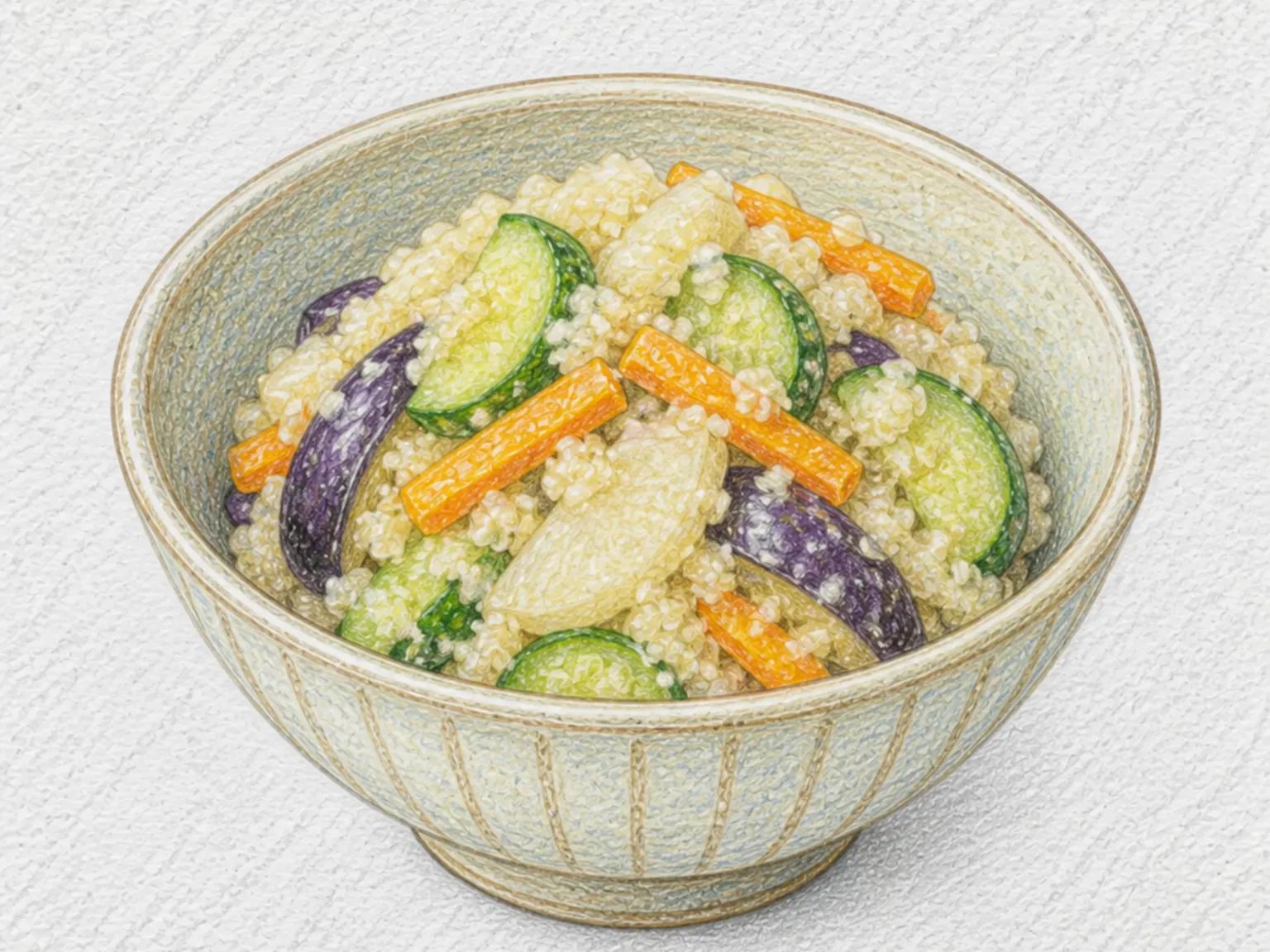
Sango-Hachi-Zuke (Rice Koji Vegetable Pickles)
Quick answer
- Active time
- 70 min
- Waiting
- See the steps
- Level
- Medium
- Servings
- 4 servings
- Ingredients
- 4
About this dish
A bed of cooked rice, rice koji and salt matures under refrigeration for at least a month before any vegetable touches it.
Read more
After that, cucumber, carrot, eggplant or turnip needs only one night in it. The pickle comes from Nihonmatsu in Fukushima, where it helped farming households keep abundant vegetables and gave them a ready side dish during the busy rice-planting season. The long wait happens only at the start, because the finished bed is reused for batch after batch.
Ingredients
Instructions
- 1
Spread freshly cooked rice in a thin layer on a clean, wide tray.
Turn it two or three times to release steam and cool evenly until it feels no warmer than body temperature against the back of your hand.
- 2
Add the rice koji to the cooled rice and break up every koji clump with clean hands or a spatula.
Add the salt and mix thoroughly from the bottom so crystals do not collect in one area.
- 3
Pack the mixture into a heat-sanitized, completely dry jar and level the surface.
Close the lid and mature in the refrigerator for at least one month to make the sango-hachi bed. Use a clean, dry utensil whenever removing some.
- 4
Wash and completely dry the vegetables.
Leave cucumber and eggplant whole and cut carrot and turnip into pieces about 2 cm thick. Coat evenly with a thin layer of fully matured bed, seal in a clean bag with the air pressed out, and refrigerate overnight. Brush or rinse off the bed and cut for serving.
References checked
These references were consulted when this page was prepared or corrected. A source check does not mean the recipe was independently kitchen-tested.
- 일본 농림수산성 うちの郷土料理
平出美穂子 · Checked: 2026-08-11
Use-up ingredient planner
Turn these ingredients into two more meals
The overlap excludes basic seasonings. Open the next recipe and your selected dishes will stay with you.
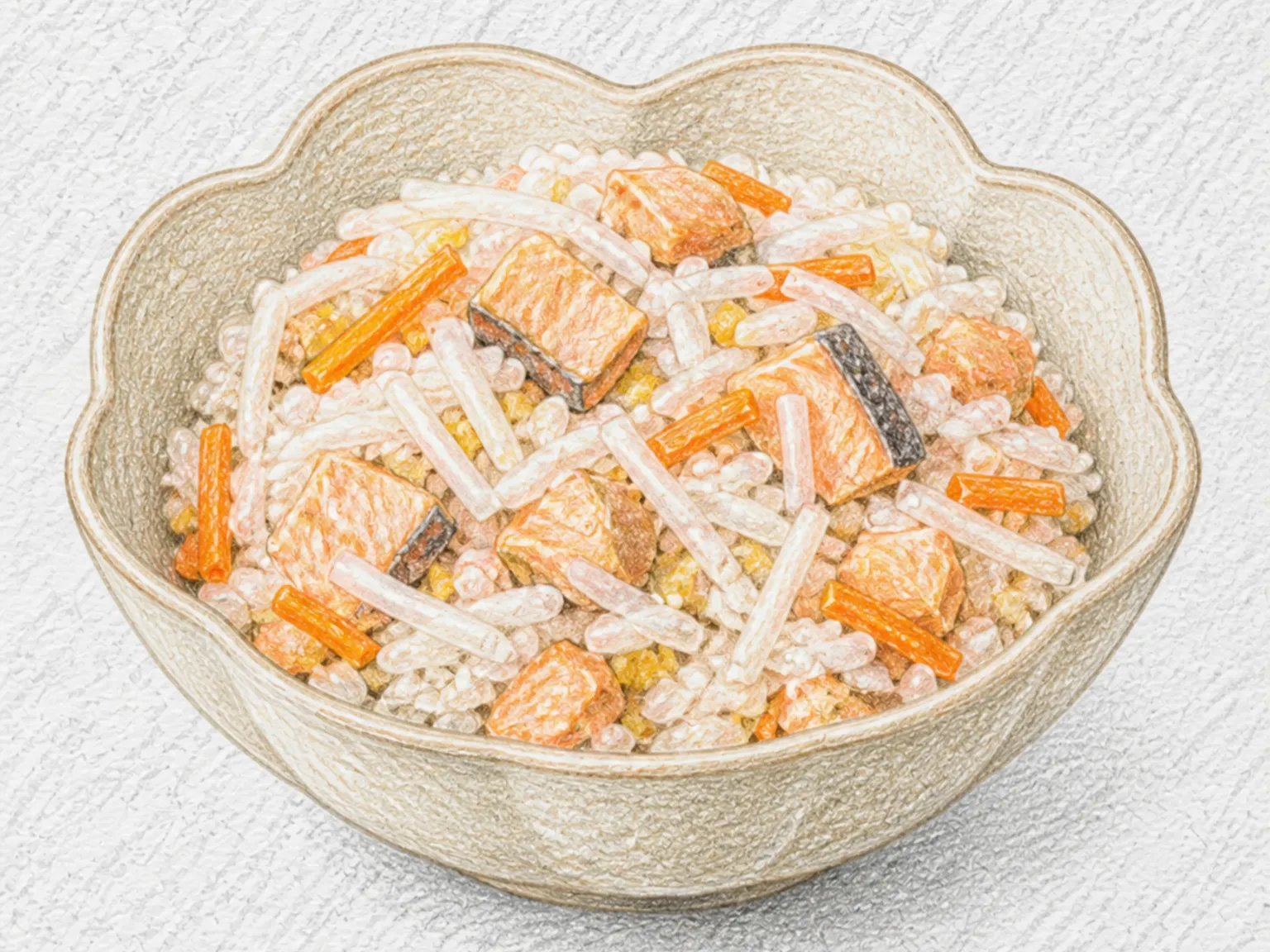
Nezushi (Koji-Fermented Trout and Rice)
rice koji
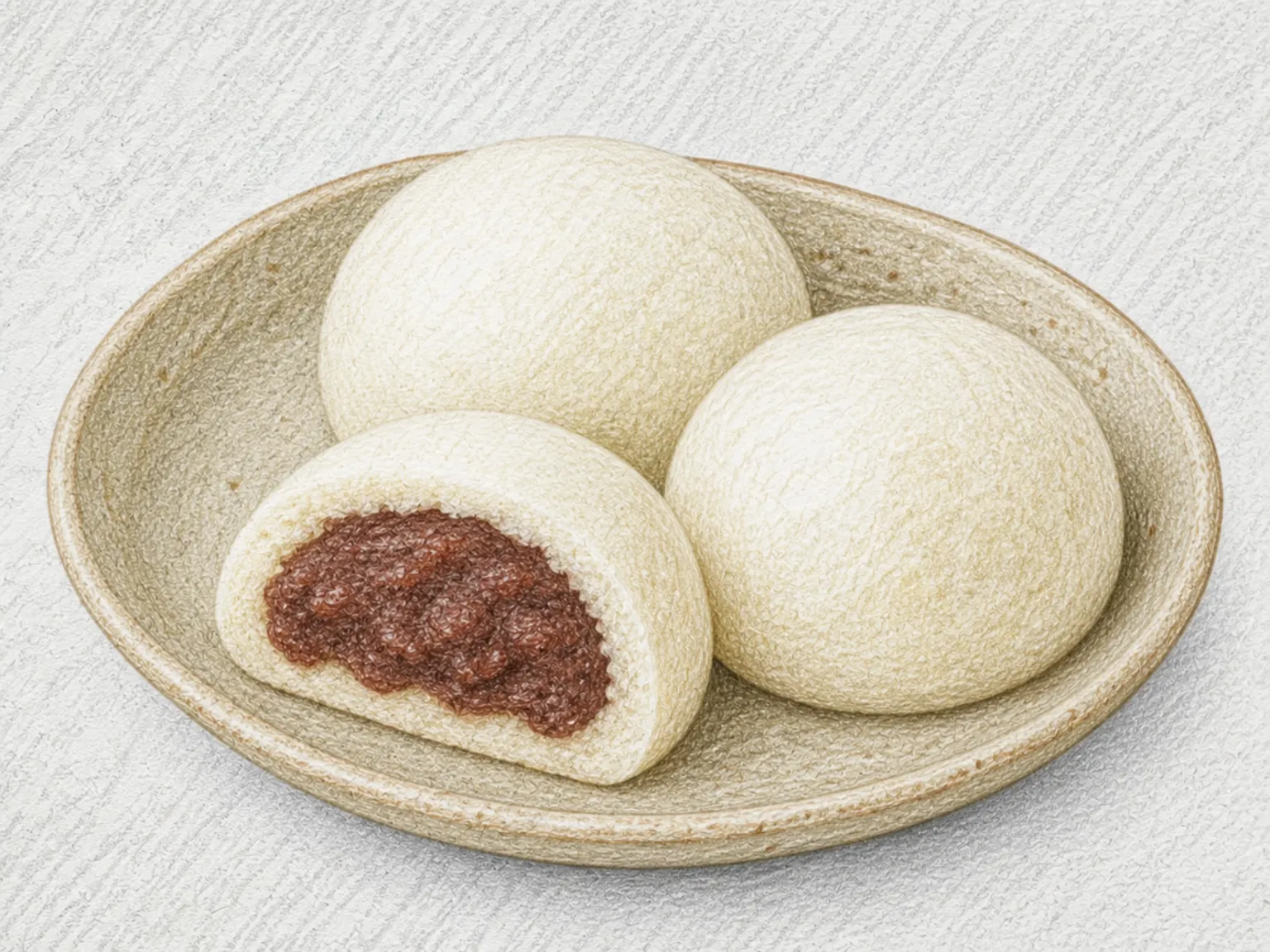
Sake Manju (Koji-Fermented Steamed Buns)
rice koji
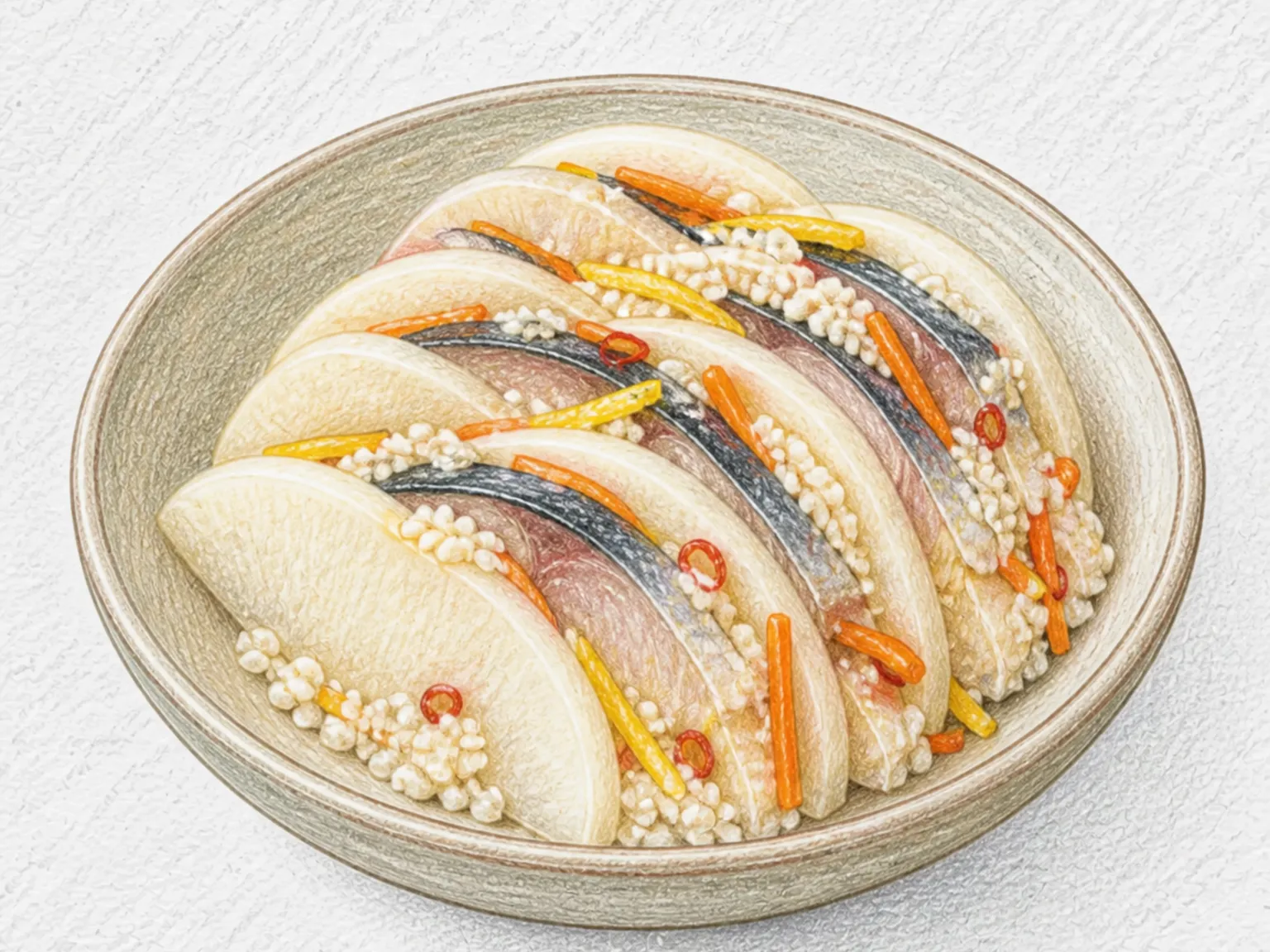
Kaburazushi (Koji-Fermented Turnip and Yellowtail)
rice koji