Scotch Egg
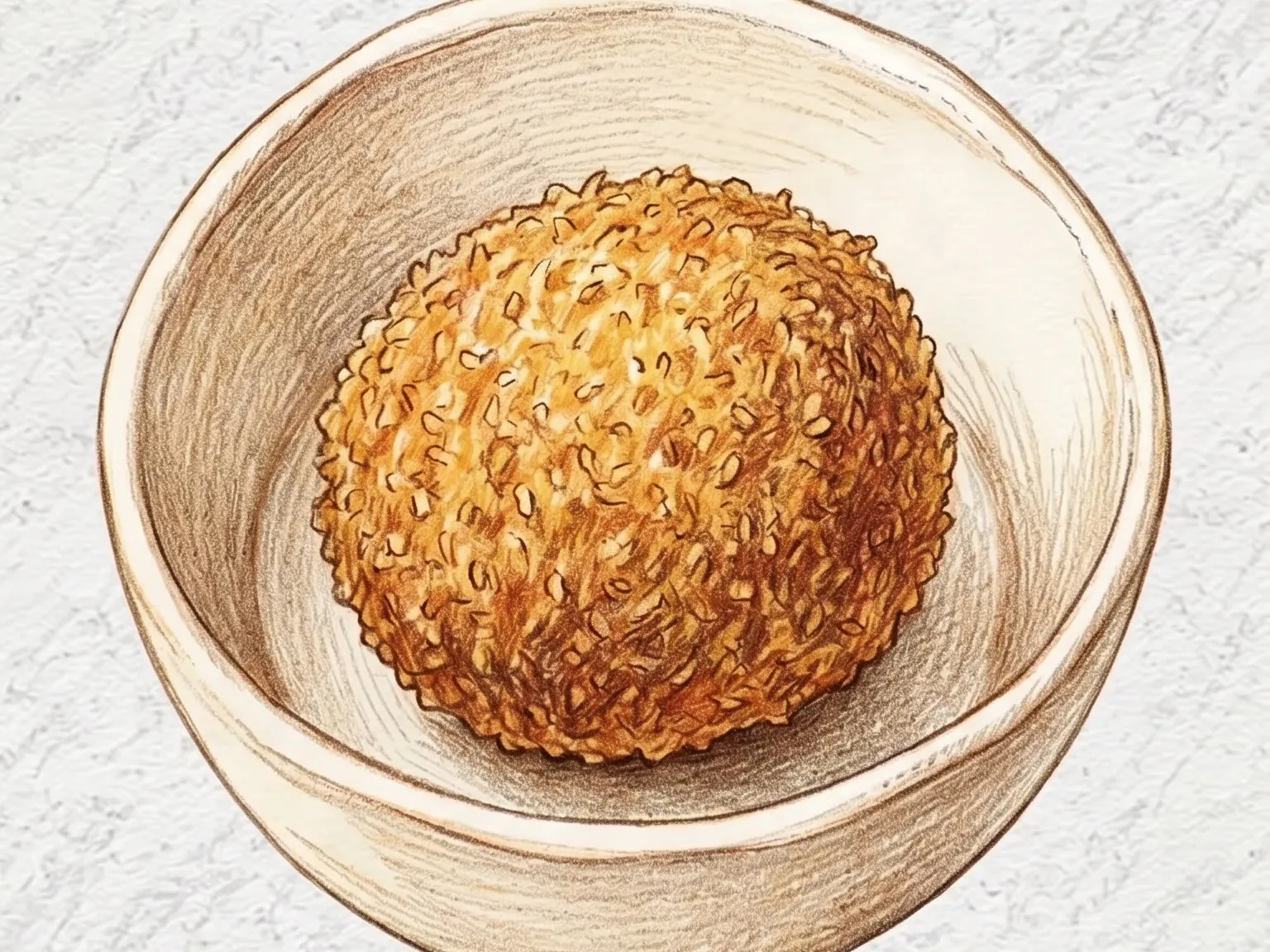
Scotch egg is a British dish in which a six-minute soft-boiled egg is wrapped in mustard-seasoned sausage meat, coated in flour, beaten egg, and breadcrumbs, then deep-fried or baked until crisp. Chilling the boiled egg in ice water immediately stops carryover cooking and preserves the runny yolk. Wrapping the meat in an even layer around each egg ensures it cooks uniformly during frying or baking. The breadcrumb crust crisps up in the heat and acts as a seal, keeping the sausage layer's juices locked inside. Cutting one open reveals three distinct layers - a crunchy golden shell, a savory ring of seasoned pork, and a soft yolk that runs when broken - each contributing a different texture and flavor. Scotch eggs can be served warm or cold, making them versatile for brunch, picnics, or snacking.
Adjust Servings
Instructions
- 1
Boil 4 eggs for 6 minutes, chill in ice water, and peel.
- 2
Mix sausage meat with mustard, salt, and pepper.
- 3
Wrap each boiled egg evenly with sausage meat.
- 4
Beat the remaining 2 eggs and bread each piece in flour, egg, then breadcrumbs.
- 5
Fry at 170C for 7-8 minutes until golden and cooked through.
As an Amazon Associate, we may earn from qualifying purchases.
Tips
Nutrition (per serving)
More Recipes

Sausage Roll
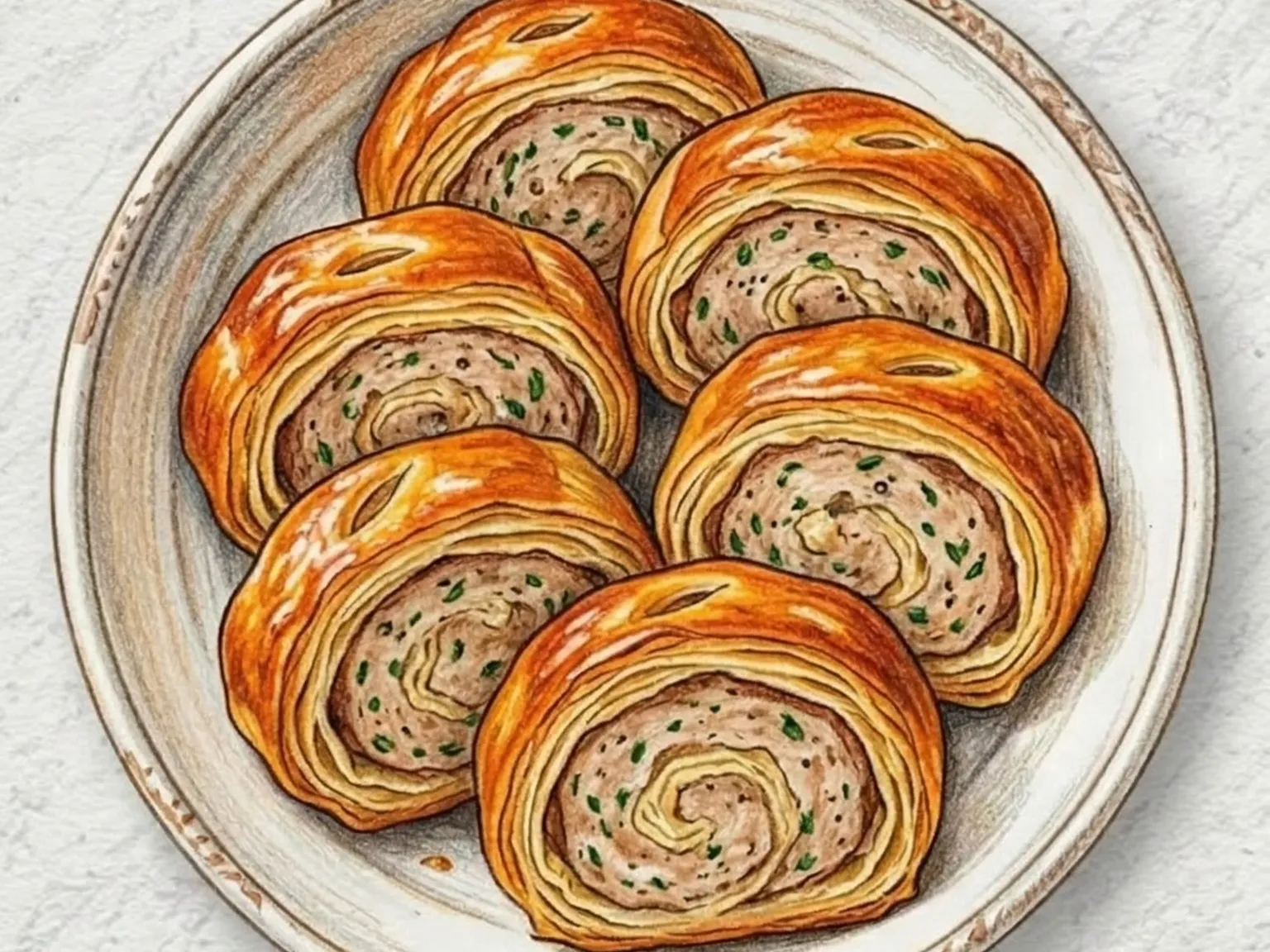
Sausage roll is a British bakery snack made by wrapping seasoned sausage meat in puff pastry, brushing with egg wash, and baking until golden. Mixing the meat with finely minced onion, breadcrumbs, and Dijon mustard adds moisture and flavor that keep the filling juicy after baking. Rolling the pastry around a log of filling and placing the seam side down prevents the roll from opening in the oven. Scoring the top allows steam to escape, which helps the pastry puff into crisp, distinct layers. Baking at 200 degrees Celsius for twenty to twenty-five minutes produces a deep golden shell with flaky, butter-rich layers encasing the savory meat inside. It works equally well as a snack, light meal, or picnic food.

Crispy Pork Belly Roast
Crispy Pork Belly Roast is a British oven roast focused on achieving a perfectly shattered crackling atop tender, slow-rendered meat. The skin is scored in tight parallel lines and rubbed with coarse salt, then left uncovered in the refrigerator overnight to draw out surface moisture - the first condition for crackling that actually cracks. The initial thirty minutes at 230 degrees Celsius or higher blisters the skin and sets its structure, after which the temperature drops to 160 degrees to slowly melt the internal fat layer, leaving the meat soft and the skin glass-crisp. Garlic cloves and rosemary sprigs placed beneath the belly perfume the meat from below as the oven heat circulates. The rendered pan juices are deglazed to make a quick gravy that carries the pork's own flavor. A rest of at least ten minutes before slicing is essential to keep the juices locked inside the meat.

Fish and Chips
Fish and chips began in the seaside towns of England and grew into one of the most recognized British dishes worldwide. A fillet of cod or haddock is dipped in a batter made with beer or sparkling water, then fried at high heat until the coating turns golden, crisp, and shatteringly light. The carbonation in the batter creates tiny air pockets during frying, producing a shell that is crunchy without being heavy or greasy. Inside, the fish remains moist and flakes cleanly along its natural grain. The chips - thick-cut potatoes fried twice - develop a golden crust around a fluffy, starchy interior. Malt vinegar splashed over the hot fish cuts through the oil with sharp acidity, and traditional accompaniments include mushy peas and tartar sauce. Eating them wrapped in paper, standing at the harbor, remains the definitive experience.

Bubble and Squeak (Pan-Fried Mashed Potato and Cabbage Cake)
Bubble and squeak is a British kitchen staple that combines mashed boiled potatoes with blanched, chopped cabbage, presses the mixture flat in a hot pan, and fries both sides until a golden-brown crust forms. The name comes from the sound the cabbage moisture makes when it hits the hot fat. Sauteing diced onion in butter before folding it into the potato-cabbage mix adds a caramelized sweetness that lifts the otherwise plain ingredients. Pressing firmly with a spatula while cooking is essential for building a crisp shell, and adding a tablespoon of flour helps bind the mixture if the potatoes are too wet. This dish has been a staple of British households for generations, traditionally made from leftover Sunday roast vegetables.

Blueberry Yogurt Scones
Blueberry yogurt scones use plain yogurt in the dough to create a crumb that is noticeably softer and more moist than the standard butter-and-cream version. The yogurt's mild tang permeates the dough, pairing with the butter to leave a clean, rounded finish on the palate. Blueberries partially burst during baking, sending violet-blue streaks through the pale interior and releasing a fragrant, fruity sweetness. The interaction between the baking powder and the yogurt's acidity gives the scones a gentle lift, so the exterior forms a light crust while the inside stays open and tender rather than dense. Sugar is deliberately minimal, letting the blueberries' own sweet-tart flavor do most of the work.

Eton Mess (Crushed Meringue, Cream & Strawberry Mix)
Eton mess is a British dessert originating from Eton College, made by roughly combining broken meringue, whipped cream, and strawberries into a deliberate jumble. The name describes the method - there is no careful layering, just a generous pile of ingredients mixed together in a glass or bowl. The meringue is baked until crisp outside and marshmallow-soft inside, then crushed into large, irregular shards. Some strawberries are mashed to create red streaks through the cream while others are left whole for fresh bursts of fruit. The cream is whipped to soft, billowy peaks that fold loosely around the other components. Each spoonful delivers a different ratio of crunch, softness, sweetness, and tartness. Eton mess must be assembled and served without delay, as the meringue begins absorbing moisture from the cream and fruit immediately.