Seafood Saffron Risotto
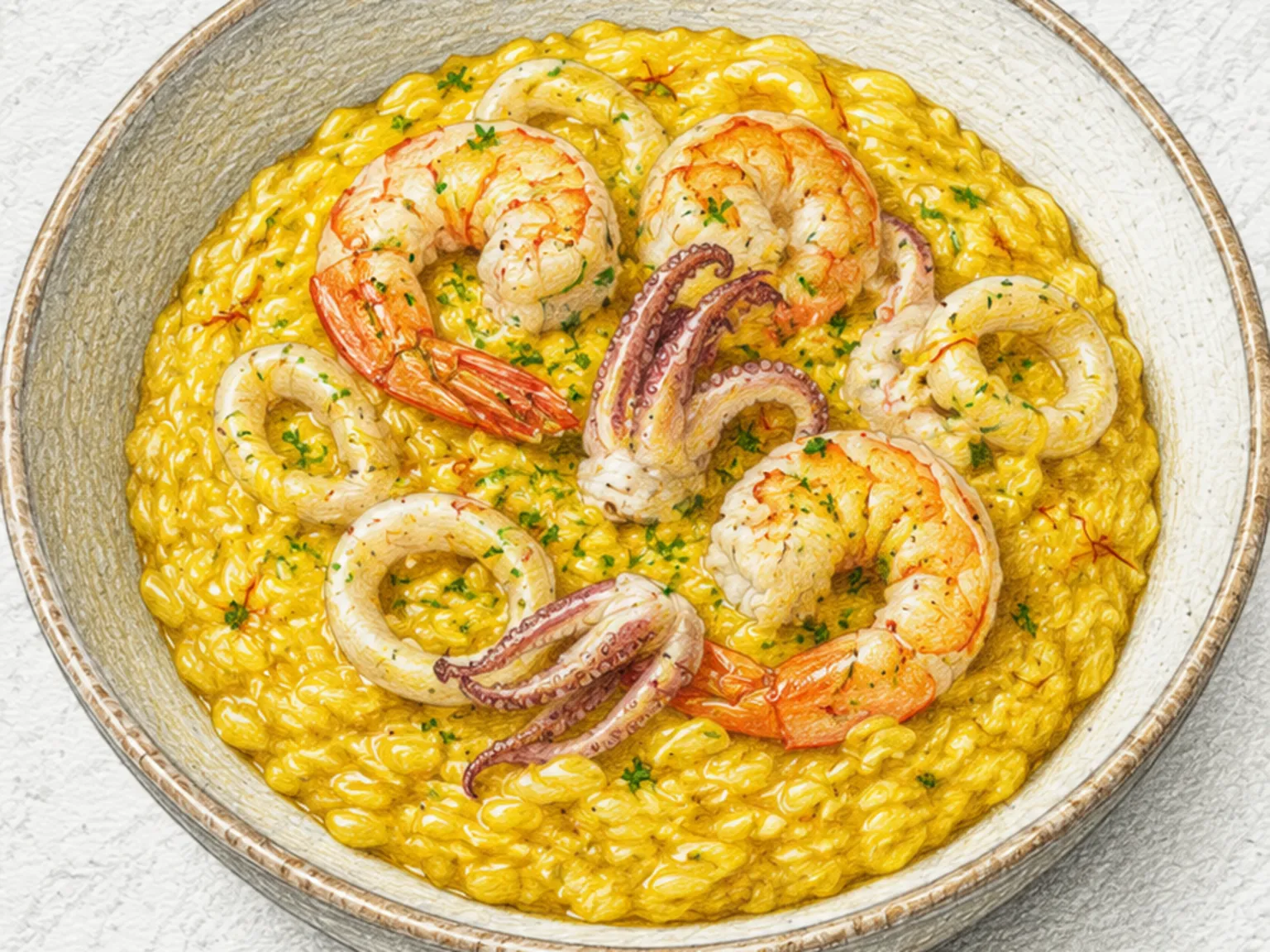
Seafood saffron risotto is built by stirring Arborio rice into warm seafood stock one ladle at a time, coaxing out starch until the grains are creamy yet intact. Saffron threads steeped in a small amount of warm stock release their golden color and floral, slightly metallic aroma evenly through the rice. Toasting the rice in olive oil before adding liquid coats each grain in fat, which controls starch release and prevents the risotto from turning gluey. White wine added early provides acidity that tempers the richness of the seafood. Shrimp and squid go in during the final minutes to keep their texture firm and springy. Butter and Parmesan folded in off the heat create the signature wave-like consistency that should flow slowly across a tilted plate.
Adjust Servings
Instructions
- 1
Keep stock warm on low heat and steep saffron in 2 tablespoons of warm stock for 5 minutes.
- 2
Heat olive oil in a pan and sauté onion and garlic for 3 minutes until translucent.
- 3
Add rice and toast for 2 minutes, then pour in white wine and cook until mostly evaporated.
- 4
Add warm stock one ladle at a time, stirring until absorbed; repeat for 16-18 minutes.
- 5
Stir in saffron-infused stock midway, then add shrimp and squid and cook for 3 minutes.
- 6
Turn off heat, fold in butter and Parmesan, then rest for 1 minute for a creamy finish.
As an Amazon Associate, we may earn from qualifying purchases.
Tips
Nutrition (per serving)
More Recipes

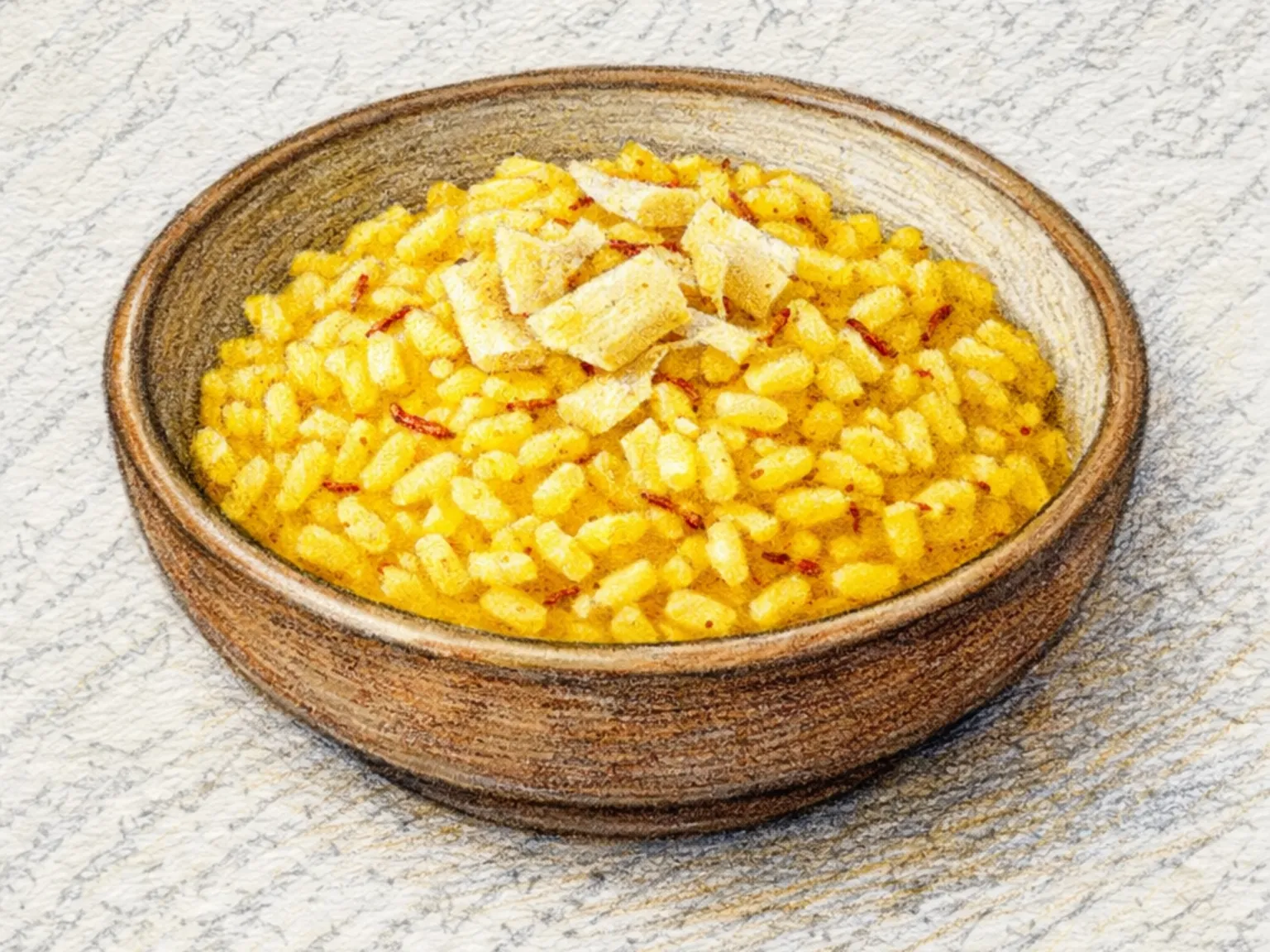
Risotto alla Milanese
Risotto alla Milanese is Milan's signature rice dish, made by toasting Arborio rice in olive oil and butter with onion, deglazing with white wine, and gradually stirring in saffron-infused chicken stock one ladle at a time. Toasting the rice first coats each grain in fat, which slows starch release and builds the characteristic creamy consistency. The white wine adds an acidity that balances the richness of butter and cheese underneath. Saffron must be steeped in warm stock beforehand so its golden color and floral aroma distribute evenly, and the stock should always be kept hot to avoid dropping the rice temperature mid-cook. Stirring in cold butter and grated Parmesan off the heat at the very end emulsifies them into the starch, producing the loose, flowing texture that defines a properly finished risotto.

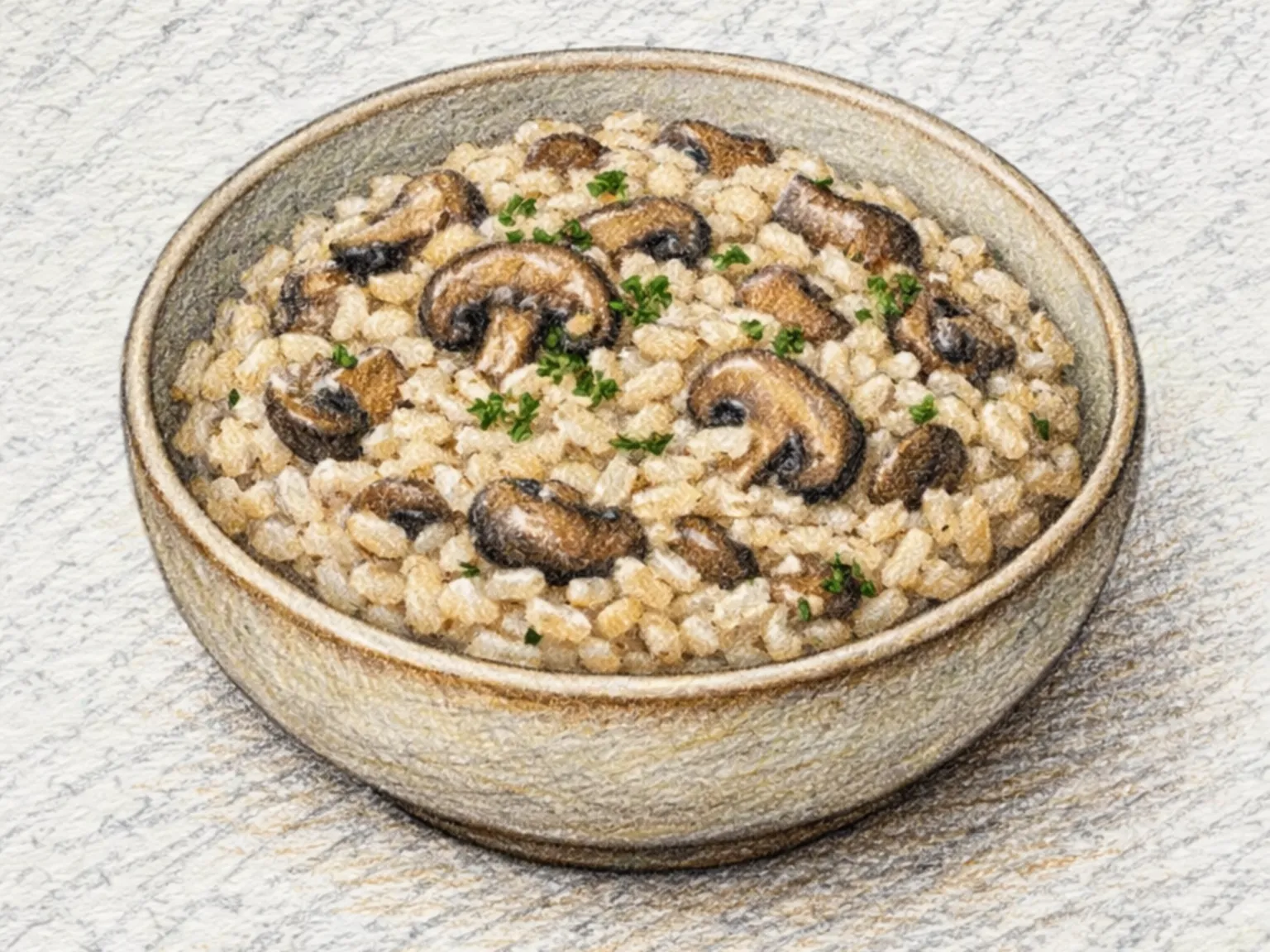
Mushroom Risotto
Mushroom risotto cooks unwashed arborio rice in olive oil and butter to activate the surface starch, then adds warm chicken stock one ladle at a time over 18 to 20 minutes of continuous stirring. Not rinsing the rice is essential - the starch released during cooking is what creates the signature creamy consistency without any cream. The mushrooms are sauteed on high heat until their moisture evaporates and they develop a deep brown color, which concentrates the earthy aroma. White wine is added to the toasted rice and stirred until absorbed, leaving behind a subtle acidity once the alcohol cooks off. Finishing off the heat with cold butter and grated Parmesan - a step called mantecatura - gives the risotto its glossy, velvety texture.

Spaghetti Carbonara
Carbonara is a Roman pasta that relies on egg yolks, Pecorino Romano, and black pepper emulsified with hot pasta to form its sauce - no cream involved. Guanciale or bacon is rendered slowly over low heat to release its fat, which coats the drained spaghetti before the egg-cheese mixture is tossed in off the heat. The starch in reserved pasta water acts as the emulsifier that binds cheese protein and egg fat into a glossy, clinging sauce. Coarsely ground black pepper adds a sharp, aromatic edge over the rich base of cheese and cured pork. The dish must be served immediately because the sauce continues to thicken as it cools, losing the silky consistency that defines a properly made carbonara.

Mushroom Truffle Gnocchi
Mushroom truffle gnocchi boils potato gnocchi until they float, then tosses them in a sauce of butter-browned mushrooms finished with heavy cream and grated Parmesan. The mushrooms must be cooked in a single layer over high heat so their moisture evaporates and they develop a deep sear rather than steaming in their own liquid. The cream simmers on low heat for just two to three minutes - enough to thicken into a coating consistency without reducing too far. Truffle oil is drizzled on only after the heat is turned off, because cooking destroys the volatile aromatic compounds that give truffle its distinctive earthy, nutty fragrance. The combination of chewy gnocchi, savory mushrooms, rich cream sauce, and the lingering truffle aroma creates a dish that tastes far more luxurious than its short ingredient list suggests.

Squid Ink Seafood Linguine
Squid ink seafood linguine dissolves squid ink in reserved pasta water before adding it to the pan, ensuring even distribution without clumping. Shrimp and squid rings are seared quickly over high heat to set their surfaces, then finished during the final emulsification step so they stay springy rather than rubbery. Sliced garlic infused slowly in olive oil forms the aromatic base, and white wine with halved cherry tomatoes introduces a gentle acidity once the alcohol cooks off. The ink coats linguine in a glossy black sauce that carries concentrated brininess, and chopped parsley scattered on top provides a fresh herbal contrast.

Spaghetti alle Vongole
Spaghetti alle vongole is an Italian pasta where clams are cooked in olive oil with sliced garlic, chili flakes, and dry white wine until they open and release their briny juices. The spaghetti is boiled one minute short of al dente, then finished in the clam pan with a few tablespoons of starchy pasta water to create an emulsified sauce. Vigorous tossing for about a minute binds the oil and clam liquid into a glossy coating around each strand. Fresh parsley is added at the end for color and herbal freshness.