Charim

2686 Korean & World Recipes

2686+ Korean recipes, clean and organized. Ingredients to instructions, all at a glance.

Korean Spicy Glazed Tongue Sole
Grilled Medium

Korean Spicy Glazed Tongue Sole

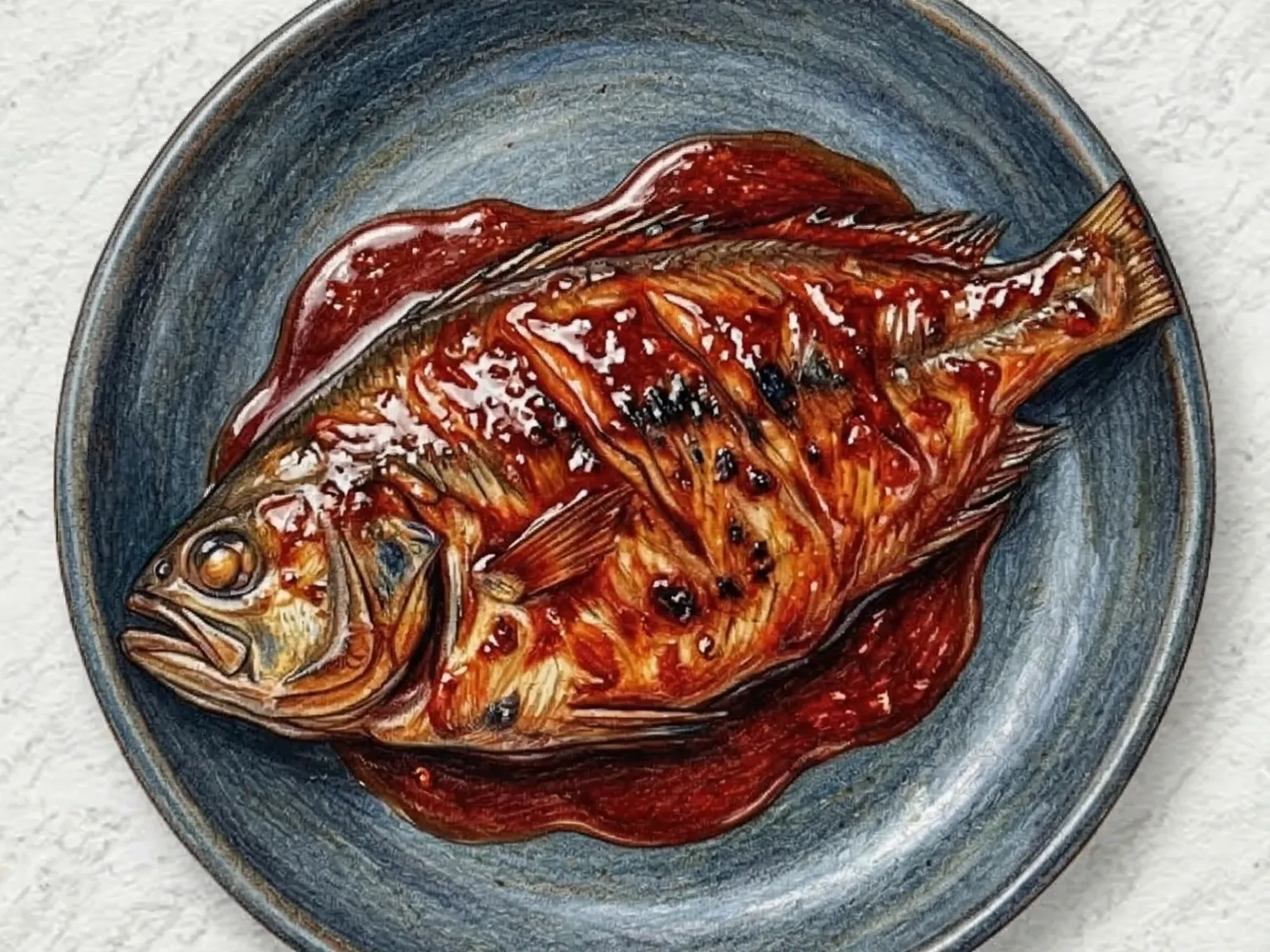
Seodae-yangnyeom-gui is a Korean spicy-glazed tongue sole dish where cleaned sole is coated with two-thirds of a sauce blending gochujang, soy sauce, Korean chili flakes, plum syrup, sugar, minced garlic, and ginger, marinated for ten minutes, then pan-fried over medium heat for four minutes per side. The flat body shape of tongue sole allows the marinade to adhere evenly across the entire surface, and because the flesh is thin, the salty-sweet seasoning penetrates all the way through quickly. Plum syrup in the sauce contributes a fruit-forward acidity that lifts the heaviness of gochujang, and together with sugar it caramelizes at pan temperature into a glossy brown coating. Brushing the remaining sauce on during the final two minutes builds a double-layered glaze, and finishing with sesame oil and chopped green onion releases a fragrant aroma from the residual heat.

Prep 20min Cook 14min 2 servings

Adjust Servings

2servings
servings

Instructions

  1. 1

    Clean the sole thoroughly and pat dry.

  2. 2

    Combine gochujang, soy sauce, chili flakes, plum syrup, sugar, garlic, and ginger.

  3. 3

    Coat fish with two-thirds of the sauce and marinate for 10 minutes.

  4. 4

    Cook in a preheated pan over medium heat for 4 minutes per side.

  5. 5

    Brush remaining sauce and grill 2 more minutes for a glossy finish.

  6. 6

    Drizzle sesame oil, top with chopped green onion, and serve immediately.

🛒Shop Ingredients on Amazon

As an Amazon Associate, we may earn from qualifying purchases.

Tips

Keep medium heat; marinated fish burns quickly over high heat.
You can substitute plum syrup with oligosaccharide syrup.

Nutrition (per serving)

Calories
310
kcal
Protein
33
g
Carbs
10
g
Fat
15
g

Goes Well With

Korean Paengi Beoseot Jeon (Enoki Pancake)
Side dishesEasy

Korean Paengi Beoseot Jeon (Enoki Pancake)

Paengibeoseot-jeon is a thin Korean pancake built around 200 grams of enoki mushrooms separated into loose strands and coated in a light batter of pancake mix, egg, and water. Cooked over medium-low heat, the batter spreads thin enough that the edges turn golden and crisp while the mushroom clusters in the center stay moist and chewy. Chopped scallions add color and a mild onion fragrance throughout. The pancake is served with a dipping sauce of soy sauce, vinegar, and a pinch of chili flakes, whose acidity and salt lift the subtle earthiness of the mushrooms. Keeping the heat moderate is essential - too high and the outside burns before the interior sets.

🍺 Bar Snacks🏠 Everyday
Prep 15minCook 12min2 servings
Korean Curry Fried Rice (Golden Spiced Chicken Fried Rice)
RiceEasy

Korean Curry Fried Rice (Golden Spiced Chicken Fried Rice)

Curry bokkeumbap is a Korean fried rice where curry powder coats each grain with warm spice and gives the rice a vivid golden color. Chicken breast, onion, carrot, and bell pepper are stir-fried together before the rice goes in, distributing protein and vegetables evenly through every serving. The curry fragrance develops gradually with each bite - more present than plain fried rice but lighter than a curry sauce, landing at a satisfying middle point between the two. Bell pepper adds sweetness and a visual contrast of color against the golden rice. Topping with a fried egg raises the dish further: when the yolk breaks and mixes into the rice, a layer of creaminess runs through each bite. The recipe works well with day-old rice and requires few ingredients, making it a practical weeknight meal.

🏠 Everyday🍱 Lunchbox
Prep 10minCook 10min2 servings
Korean Cabbage Kimchi (Crunchy Green Cabbage Kimchi)
KimchiEasy

Korean Cabbage Kimchi (Crunchy Green Cabbage Kimchi)

Yangbaechu kimchi is a Korean cabbage kimchi made by salting green cabbage and tossing it with chili flakes, fish sauce, and minced garlic. The thicker leaves and lower moisture content of green cabbage compared to napa cabbage result in a noticeably crunchier texture that persists through fermentation. The natural sweetness of cabbage softens the heat from the chili seasoning, while carrot and scallion pieces add color and freshness. Six hours of fermentation at room temperature followed by refrigeration lets the tanginess develop gradually. It serves as a lighter alternative when traditional napa kimchi feels too heavy.

🏠 Everyday🍱 Lunchbox
Prep 30minCook 10min4 servings
Korean Green Laver Soup (Seaweed Tofu Anchovy Broth)
SoupsEasy

Korean Green Laver Soup (Seaweed Tofu Anchovy Broth)

Parae-guk is a Korean seaweed soup made with green laver and tofu simmered in a clear anchovy broth. The broth is brought to a gentle boil and seasoned with garlic and soup soy sauce before diced tofu is added and warmed through for three minutes. The green laver goes in at the very end, cooking for no more than 30 to 60 seconds, because extended heat strips away its vivid color and fresh ocean fragrance entirely. Since the recipe relies on so few ingredients, the quality of the anchovy stock determines the overall depth of flavor, so using dried anchovies with heads and innards removed, simmered for at least ten minutes, produces a noticeably cleaner and more savory base. The mineral-rich, briny character of the green laver contrasts well with the mild tofu, and the whole soup comes together in about fifteen minutes. Because green laver carries its own saltiness, it is best to add the soup soy sauce gradually and taste as the seasoning develops.

🏠 Everyday
Prep 10minCook 15min4 servings

More Recipes

Korean Grilled Dried Pollack
GrilledMedium

Korean Grilled Dried Pollack

Dried pollack strips are briefly moistened, coated in a paste of gochujang, soy sauce, and oligosaccharide syrup, then grilled low and slow. The slow heat lets the glaze seep into the chewy dried fish without charring, building layers of spicy-sweet flavor. A touch of sesame oil applied at the finish adds a toasted aroma that rounds out the dish. The sweet-spicy glaze filling the kitchen with fragrance as the fish grills is part of what makes this a beloved home-cooked snack.

🍺 Bar Snacks
Prep 15minCook 8min2 servings
Korean Kkotge Gochujang Gui (Spicy Grilled Crab)
GrilledHard

Korean Kkotge Gochujang Gui (Spicy Grilled Crab)

Kkotge-gochujang-gui is a Korean spicy grilled crab where halved blue crabs are thoroughly coated in a thick paste of gochujang, gochugaru, soy sauce, oligosaccharide syrup, and garlic, then marinated for fifteen minutes before going onto a medium-heat grill. The sugar in the syrup and the fermented compounds in the gochujang caramelize over direct flame, forming a glossy, dark-red lacquer on the shell while the crab meat underneath is steam-cooked by the insulating shell, keeping it moist and sweet. Controlled medium heat is essential because the sauce scorches quickly: four minutes shell-side down first, then a flip for five to six more minutes ensures even cooking without burning. When the crab is turned, the sauce drips into the interior cavity and coats the exposed meat directly, intensifying the spice penetration on the flesh side. A final drizzle of sesame oil and a scatter of toasted sesame seeds layer a nutty, smoky fragrance over the lacquered coating.

🎉 Special Occasion
Prep 25minCook 12min2 servings
Korean Gapojingeo Yangnyeom Gui (Spicy Grilled Cuttlefish)
GrilledMedium

Korean Gapojingeo Yangnyeom Gui (Spicy Grilled Cuttlefish)

Gapojingeo-yangnyeom-gui is spicy grilled cuttlefish prepared by scoring the body in a deep crosshatch pattern and coating it with a glaze of gochujang, Korean chili flakes, soy sauce, oligosaccharide syrup, and garlic. The deep scoring is critical for the thick cuttlefish body: it allows the marinade to penetrate the flesh fully and causes the scored sections to curl open under high heat, creating a flower-like shape that maximizes surface contact with the glaze. When gochujang's heat and the syrup's sticky sweetness hit high heat together, they caramelize into a glossy, deep-red coating that clings to the cuttlefish, while sesame oil folded into the marinade adds a toasted undertone beneath the spice. Chunky-cut onion and green onion grilled alongside release moisture that evaporates into sweetness, naturally tempering the intensity of the chili glaze without diluting the marinade's savory depth. Patting the cuttlefish completely dry before marinating ensures the glaze adheres evenly rather than sliding off, and keeping the cooking time short over high heat prevents the flesh from turning tough and rubbery.

🍺 Bar Snacks
Prep 20minCook 10min2 servings
Korean Kkomak Yangnyeom Gui (Spicy Grilled Cockles)
GrilledMedium

Korean Kkomak Yangnyeom Gui (Spicy Grilled Cockles)

Cockles are purged in salt water, blanched for just two minutes in boiling water until they open, then topped with a sauce of gochujang, chili flakes, soy sauce, garlic, sugar, and sesame oil before grilling over high heat for three to four minutes. Keeping the blanch to two minutes is the key step: longer cooking shrinks the flesh and makes it rubbery, while a brief blanch leaves the cockles firm, bouncy, and moist inside. The strong flame rapidly caramelizes and reduces the sauce into a spicy, salty crust on the surface while the interior stays juicy. A final thirty seconds over open flame, where available, adds a distinct smokiness that deepens the overall flavor. The cooking liquid that pools at the bottom of the pan, a mix of the seasoning paste and the brininess released by the cockles, is intensely savory and works well spooned over rice. Cockle season runs from winter through early spring, when the flesh is at its fullest and most flavorful.

🍺 Bar Snacks
Prep 20minCook 10min2 servings
Korean Gochujang Fish Cake Stir-fry
Stir-fryEasy

Korean Gochujang Fish Cake Stir-fry

Gochujang eomuk bokkeum stir-fries chewy fish cake sheets in a glossy sauce of gochujang, soy sauce, oligosaccharide syrup, and minced garlic. Briefly blanching the fish cakes before they go into the pan removes excess grease, producing a cleaner-tasting dish where the spicy-sweet glaze clings evenly to each surface without any slipperiness. Onion lends natural sweetness that rounds out the chili heat, while diagonally sliced green onion adds a fresh, sharp finish. Sesame oil and toasted sesame seeds complete the dish with a nutty layer. Adding a small splash of water to the sauce keeps things moist if a softer finish is preferred. This is one of Korea's most reliable everyday banchan, equally suited to a weekday dinner and a packed lunchbox.

🏠 Everyday🍱 Lunchbox
Prep 12minCook 10min2 servings
Korean Stir-fried Dried Pollock Strips
Stir-fryMedium

Korean Stir-fried Dried Pollock Strips

Hwangtae-chae-bokkeum is a Korean side dish of shredded dried pollock strips soaked until fully soft, then stir-fried in a gochujang, oligosaccharide syrup, and soy sauce glaze. Hwangtae is a specific type of dried pollock produced by repeated freeze-thaw cycles in cold mountain air over winter, which gives it a lighter, spongier texture than ordinary dried pollock -- that porosity is what allows it to absorb the seasoning so completely during cooking. Soaking the dried strips in cold water for at least twenty minutes is necessary to rehydrate the flesh fully; squeezing out the excess moisture before adding them to the pan helps the glaze cling evenly rather than diluting in the pan. As the pollock fries, it drinks in the seasoning and turns chewy and moist, with the gochujang's heat and the syrup's sweetness working together to neutralize any residual fishiness. A finishing drizzle of sesame oil and a scatter of sesame seeds rounds out the flavor. The dish keeps well in the refrigerator for four to five days, making it a practical banchan to prepare in advance for lunchboxes or as a casual snack alongside drinks.

🏠 Everyday🍱 Lunchbox
Prep 12minCook 9min2 servings
More Grilled →