Mixed Korean Army-Style Stew
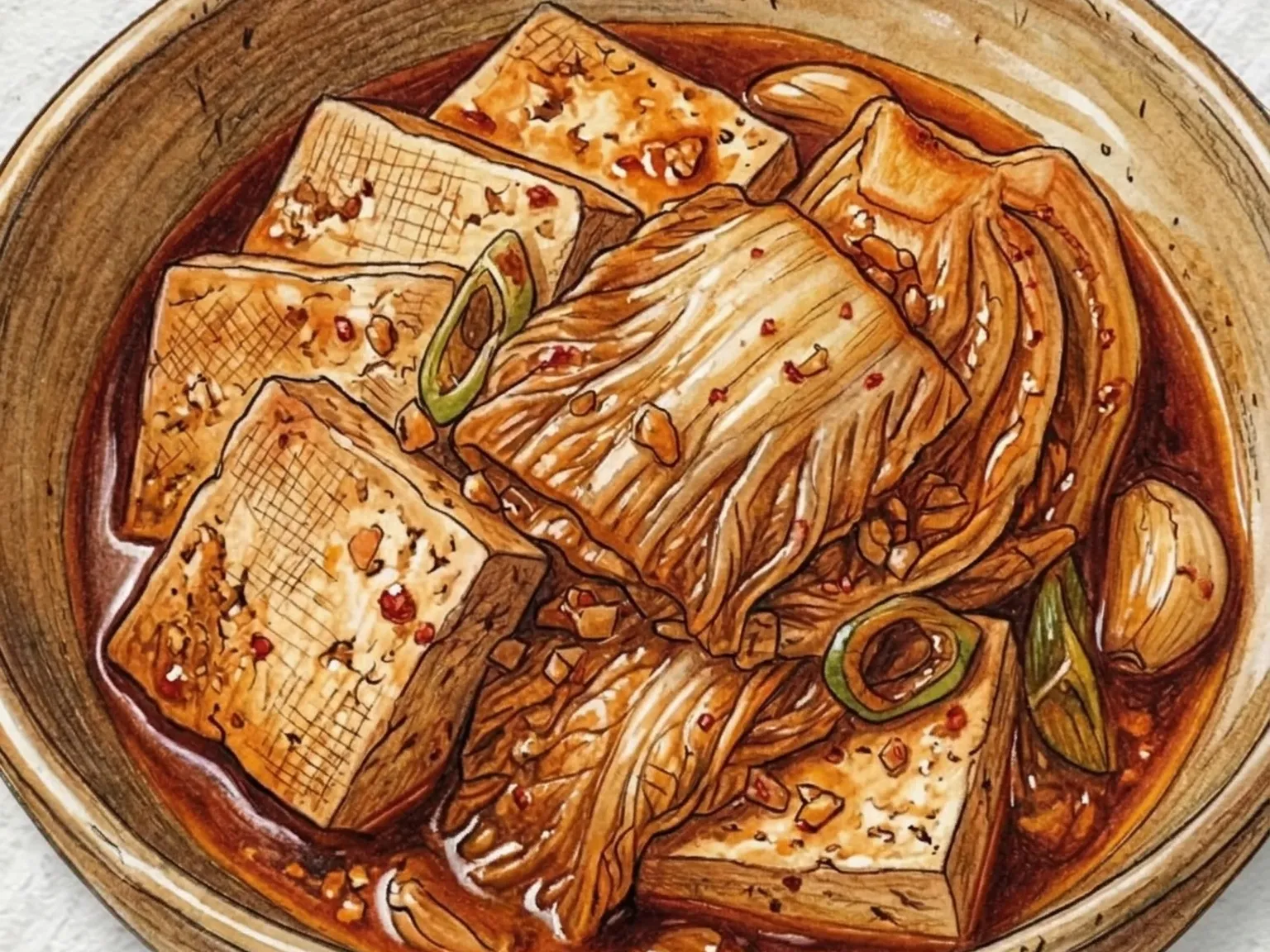
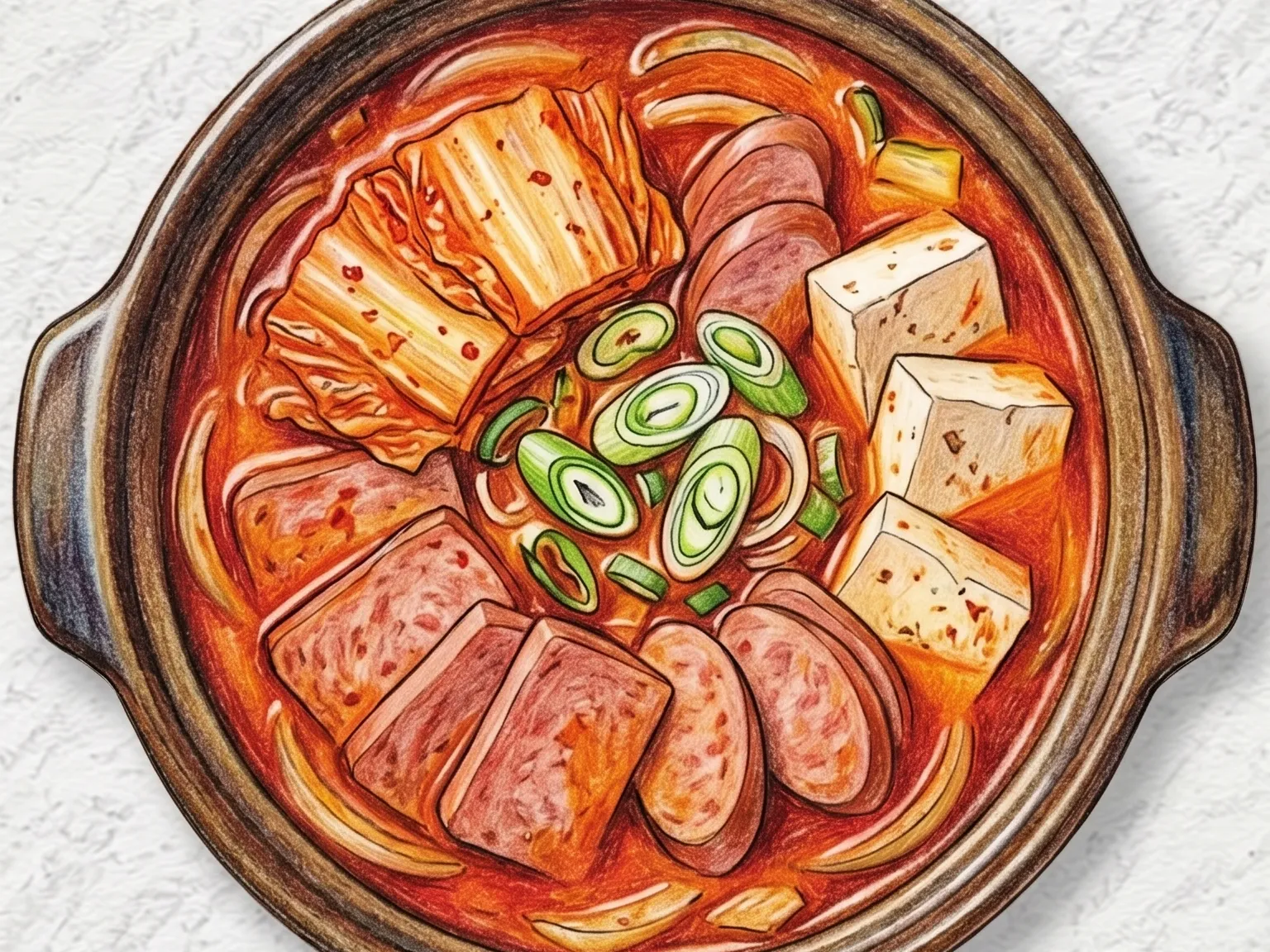
Seokkeo jjigae, or "mixed stew," is a streamlined take on budae jjigae that combines kimchi, sliced ham, and tofu in a spicy broth seasoned with gochujang and gochugaru. The kimchi adds fermented tang, the ham contributes a salty, smoky note, and the tofu soaks it all up. Onion and green onion round out the flavor. It is an everyday stew that comes together quickly from common refrigerator staples.
Adjust Servings
Instructions
- 1
Cut kimchi, ham, onion, and tofu into serving-size pieces.
- 2
Sauté kimchi for 2 minutes to mellow its sharp acidity.
- 3
Add gochujang and chili flakes and stir to bloom flavors.
- 4
Add water, ham, and onion, then boil for 10 minutes.
- 5
Add tofu and simmer 8 more minutes over medium heat.
- 6
Finish with green onion and cook for 2 minutes.
As an Amazon Associate, we may earn from qualifying purchases.
Tips
Nutrition (per serving)
More Recipes

Korean Seoul-Style Army Stew
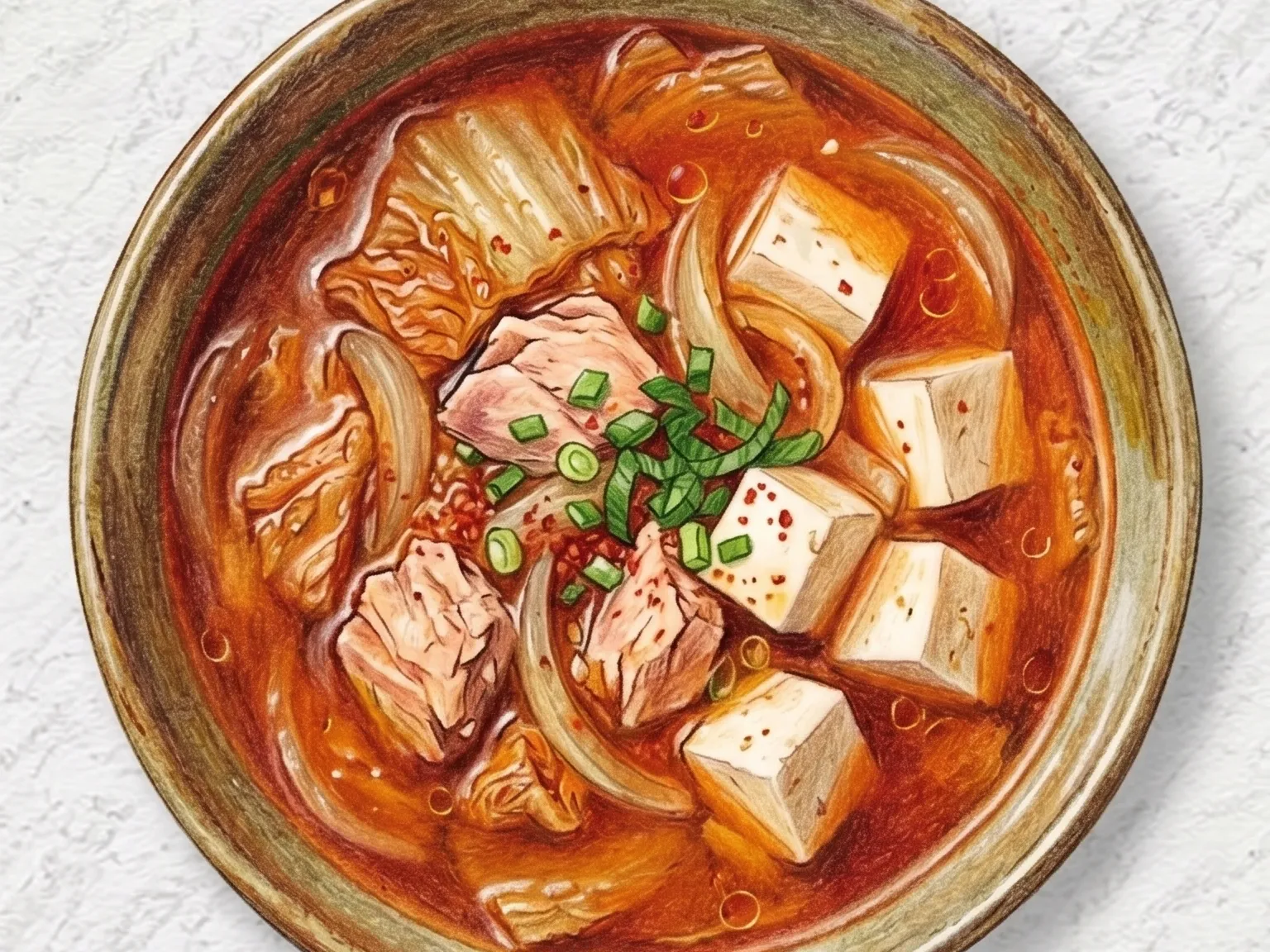
Seoul-style budae jjigae uses a rich anchovy stock base, setting it apart from versions that rely on plain water. Spam, mini sausages, baked beans, and kimchi simmer in the stock with gochujang and chili flakes, while the baked beans lend a subtle sweetness and creamy body to the broth. A block of instant ramen noodles goes in at the end to soak up the spicy, umami-rich soup.

Korean Kimchi Bean Sprout Stew
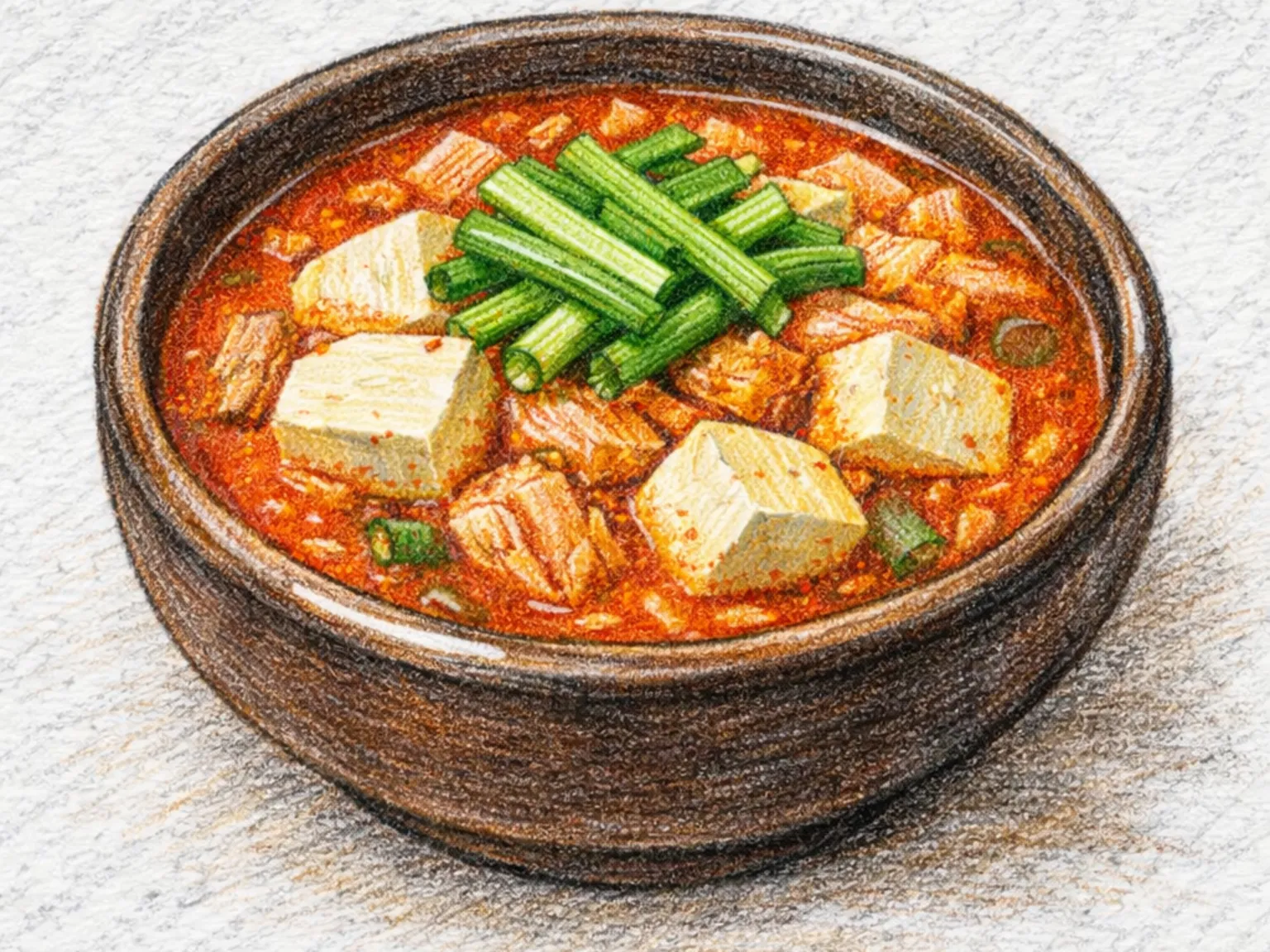
This stew brings together fermented kimchi and soybean sprouts in an anchovy stock base for a broth that is both refreshing and spicy. The sprouts retain a slight crunch and release a clean flavor that tempers the kimchi's sharp tang. Soft tofu melts into the stew, providing creaminess, while onion and green onion add background sweetness. Seasoned with soup soy sauce and gochugaru, it is a lighter-style jjigae often enjoyed as a morning-after remedy.

Korean Uijeongbu-Style Budae Jjigae
Uijeongbu-style army stew combines luncheon meat, cocktail sausages, well-fermented kimchi, and baked beans in a spicy anchovy-stock broth. Gochujang and Korean chili flakes build the fiery red base, while tofu and onion mellow out the flavors. A block of instant noodles goes in at the end to soak up the broth. Originating from the area near a former US military base, this communal hot-pot dish is designed to be shared straight from the bubbling pot.

Korean Kimchi Jjigae (Kimchi Stew)
Kimchi jjigae is the quintessential Korean home-cooked stew, built on well-fermented kimchi and pork belly simmered together until the flavors fully meld. The kimchi's sharp acidity breaks down the richness of the pork fat, producing a broth that is simultaneously tangy, spicy, and deeply savory. A spoonful of doenjang adds another layer of fermented complexity, while tofu blocks absorb the fiery liquid. Finished with a drizzle of sesame oil, it is the definitive comfort food served with steamed rice.

Korean Yeolmu Bibim Guksu
Yeolmu bibim guksu is a Korean mixed noodle dish built around young radish kimchi (yeolmu kimchi). The kimchi provides a crunchy texture and a fermented tanginess that anchors the bowl. Thin somyeon noodles are rinsed in cold water, then tossed with gochugaru or gochujang dressing, sesame oil, and sesame seeds. The heat level stays moderate, letting the kimchi's sourness come through. Total preparation is about 23 minutes, and the recipe requires no cooking beyond boiling the noodles.

Korean Kimchi Tofu Nabe Udon
Kimchi tofu nabe udon is a Japanese-Korean hybrid hot pot noodle built on anchovy-kelp stock. Aged kimchi is sauteed in sesame oil for two minutes to tame its sharp acidity, then the stock goes in along with Korean chili flakes and soup soy sauce to form the broth base. Firm tofu cut into thick slabs and sliced shiitake mushrooms simmer for four minutes, absorbing the spicy-savory broth before thick udon noodles are added for a final two to three minutes. The udon's heft soaks up the surrounding liquid, making each bite intensely flavored. Since kimchi saltiness varies widely, the soy sauce is best added in small increments at the end. Patting the tofu dry before it goes in helps keep the broth from turning cloudy.