Korean Blood Curd Hangover Stew
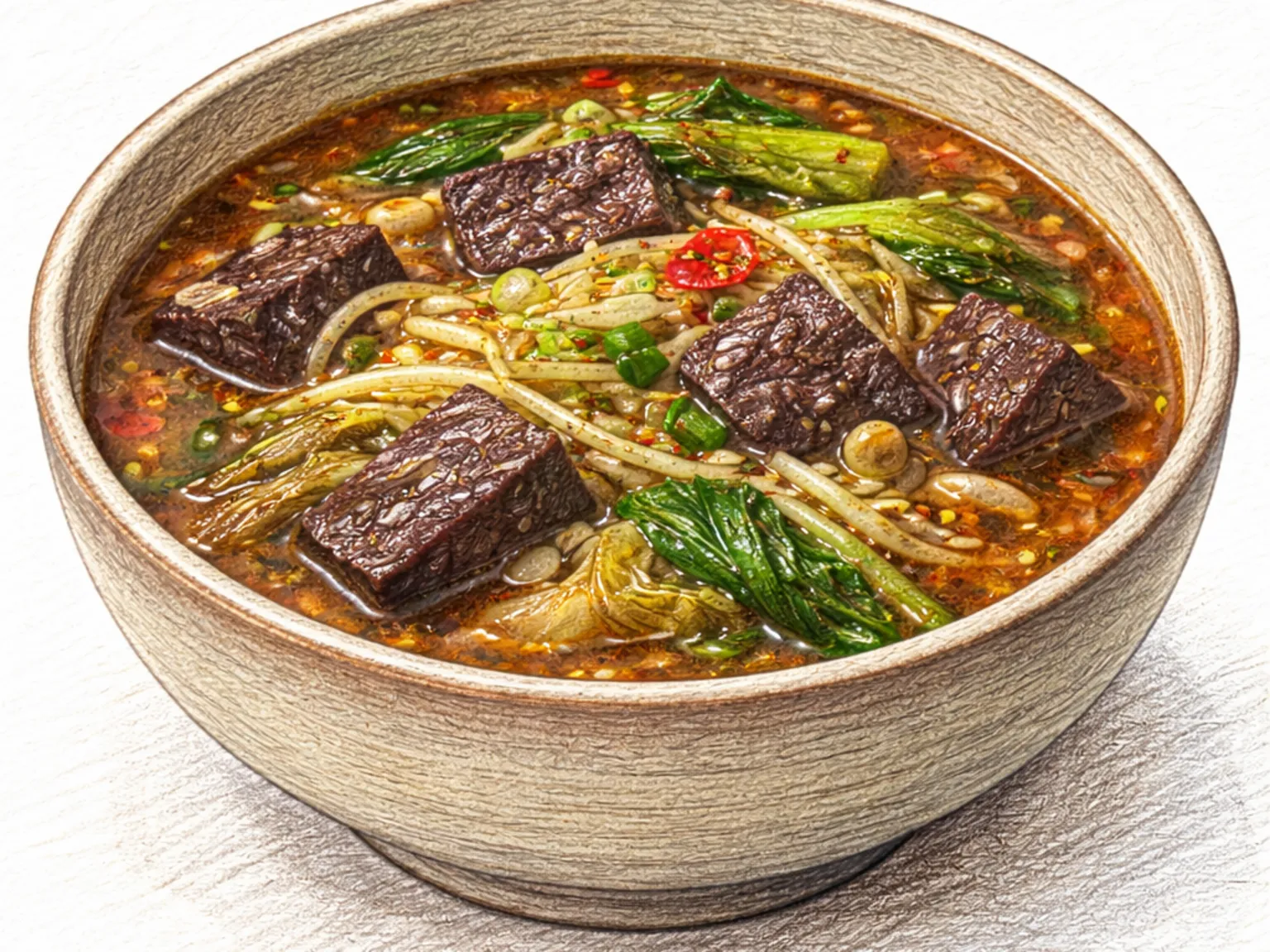
Seonji haejang jjigae is a traditional Korean hangover stew featuring beef blood curd (seonji), wilted napa cabbage leaves (ugeoji), and soybean sprouts simmered in beef stock. The blood curd has a soft, custard-like texture that dissolves slightly into the broth, while ugeoji adds a hearty, earthy chew and the sprouts contribute crunch. Seasoned with soup soy sauce, gochugaru, and black pepper, this stew has been a trusted morning-after remedy in Korea for generations.
Adjust Servings
Instructions
- 1
Soak blood curd in cold water for 10 minutes, then cut into large pieces.
- 2
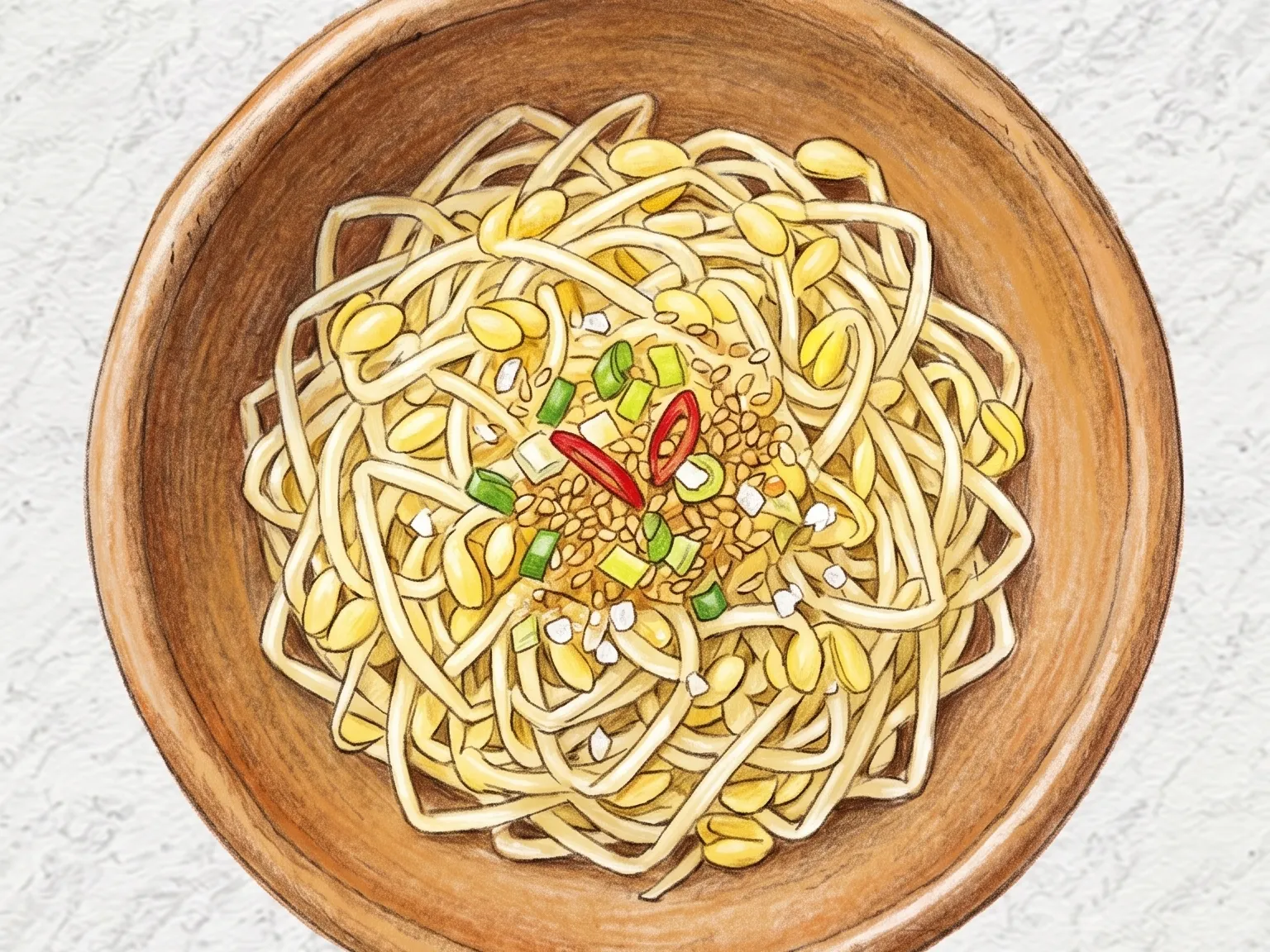
Slice napa leaves and rinse soybean sprouts thoroughly.
- 3
Boil beef stock with napa leaves for 8 minutes to build flavor.
- 4
Add sprouts, chili flakes, garlic, and soup soy sauce; simmer 6 minutes.
- 5
Add blood curd and simmer gently for 6 minutes to prevent breaking.
- 6
Add green onion and pepper, cook 1 minute, then serve hot.
As an Amazon Associate, we may earn from qualifying purchases.
Tips
Nutrition (per serving)
More Recipes

Korean Blood Curd Soup (Spicy Ox Blood and Beansprout Stew)
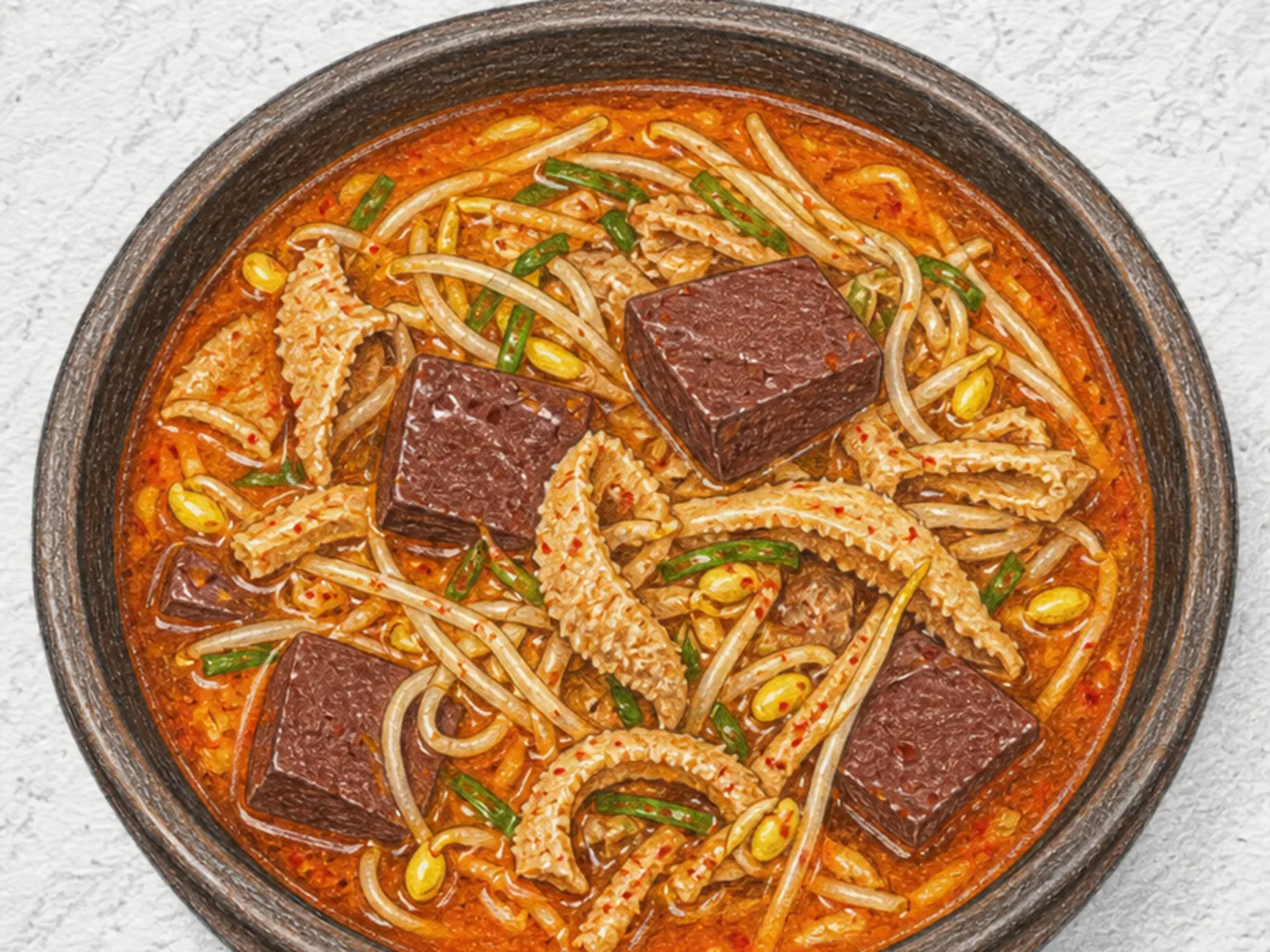
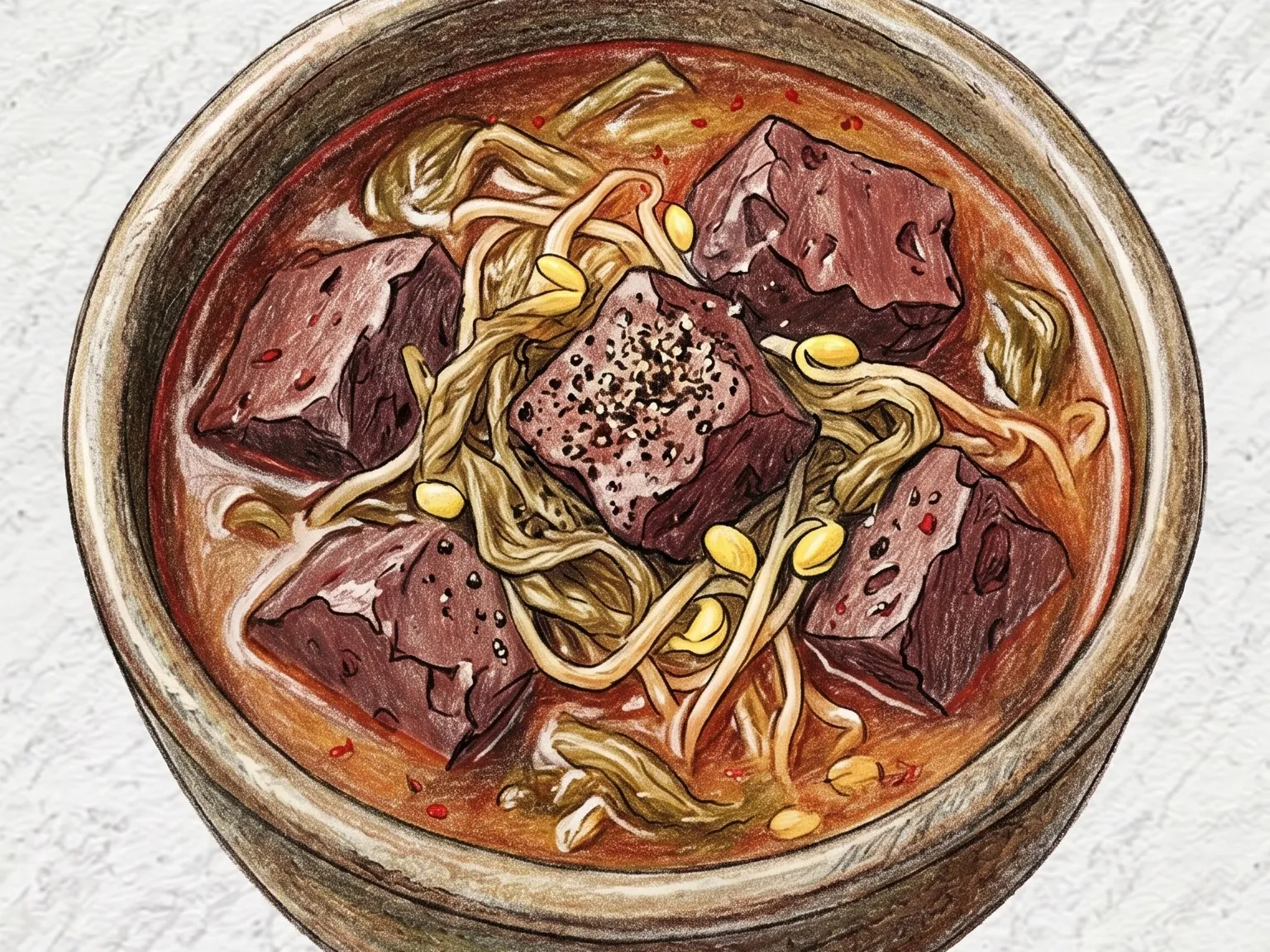
Seonji-guk is a Korean blood curd soup built from coagulated ox blood, seasoned napa cabbage outer leaves, and bean sprouts in a spicy, doenjang-accented broth. The napa greens are pre-dressed with soybean paste, garlic, and chili flakes before going into the pot, where they simmer and release an earthy, fermented depth into the liquid. Bean sprouts are added for their crisp texture and clean, refreshing bite. The blood curd - cut into large cubes - goes in partway through cooking and simmers just eight minutes to heat through without breaking apart. Its texture is soft and faintly springy, unlike anything else in the Korean soup canon, and it absorbs the surrounding spicy broth. Gochugaru gives the soup a ruddy color and a slow-building warmth. In Korea, seonji-guk is closely associated with the morning-after meal, served in dedicated haejang-guk restaurants as a restorative after heavy drinking.

Korean Mussel Stew
Honghap jjigae uses a generous 900g of mussels to create an intensely briny, clean-tasting broth that defines this stew. Korean radish simmers alongside the shellfish, absorbing the ocean-flavored liquid and contributing a mild sweetness. Cheongyang chili and gochugaru add a moderate kick, while soup soy sauce and cooking wine round out the seasoning without overpowering the seafood. Finished with sliced green onion, the result is a light yet deeply flavorful stew.

Korean Blood Sausage Perilla Stew
This stew simmers Korean blood sausage in a beef bone broth enriched with ground perilla seed. The chewy casing and savory stuffing of the sundae blend with the nutty richness of the perilla to create a distinctive flavor profile. Cabbage and perilla leaves cut through the richness, while a spoonful of gochugaru adds mild heat. Built on a beef bone broth base, the stew has a notably heavy, full-bodied character.

Korean Beoseot Jjigae (Mushroom Stew)
Oyster, shiitake, and enoki mushrooms are simmered in kelp-infused water to create a light, clean-flavored stew. Tofu and sliced onion add body and gentle sweetness, while soup soy sauce and garlic keep the seasoning understated. The result is a low-fat, warming dish where the distinct textures and umami of the mushrooms take center stage.

Korean Tomato Beef Rib Stew
This fusion-style stew pairs beef short ribs with ripe tomatoes in a broth seasoned with gochujang and gochugaru. The ribs are simmered until the broth is deeply infused with beefy richness, and the tomatoes break down to add natural acidity and sweetness. Potato chunks cook until fluffy, lending substance, while onion rounds out the broth's sweetness. The combination of soy sauce and chili paste with tomato's brightness creates a flavor that feels both novel and familiar.

Haejangguk (Korean Pork Bone Hangover Soup)
Haejangguk is Korea's iconic hangover soup, a thick and fiery bowl designed to restore the body after a night of drinking. The base is a long-simmered pork spine broth that delivers a deep, porky richness. Napa cabbage outer leaves, called ugeoji, are seasoned with doenjang and garlic and added to the broth, contributing a chewy, fibrous texture. Congealed ox blood, known as seonji, is a traditional addition that lends an iron-rich density and dark visual contrast. Gochugaru provides a persistent, forehead-sweating heat that Koreans believe helps flush out toxins and clear the head. The finished soup is served bubbling in a stone pot, and the first few spoonfuls tend to produce an involuntary sigh of relief. Dedicated haejangguk restaurants open before dawn to serve construction workers and late-night revelers, and the dish has been a fixture of Korean culinary tradition for centuries.