Korean Acorn Jelly Salad with Sesame Soy Sauce
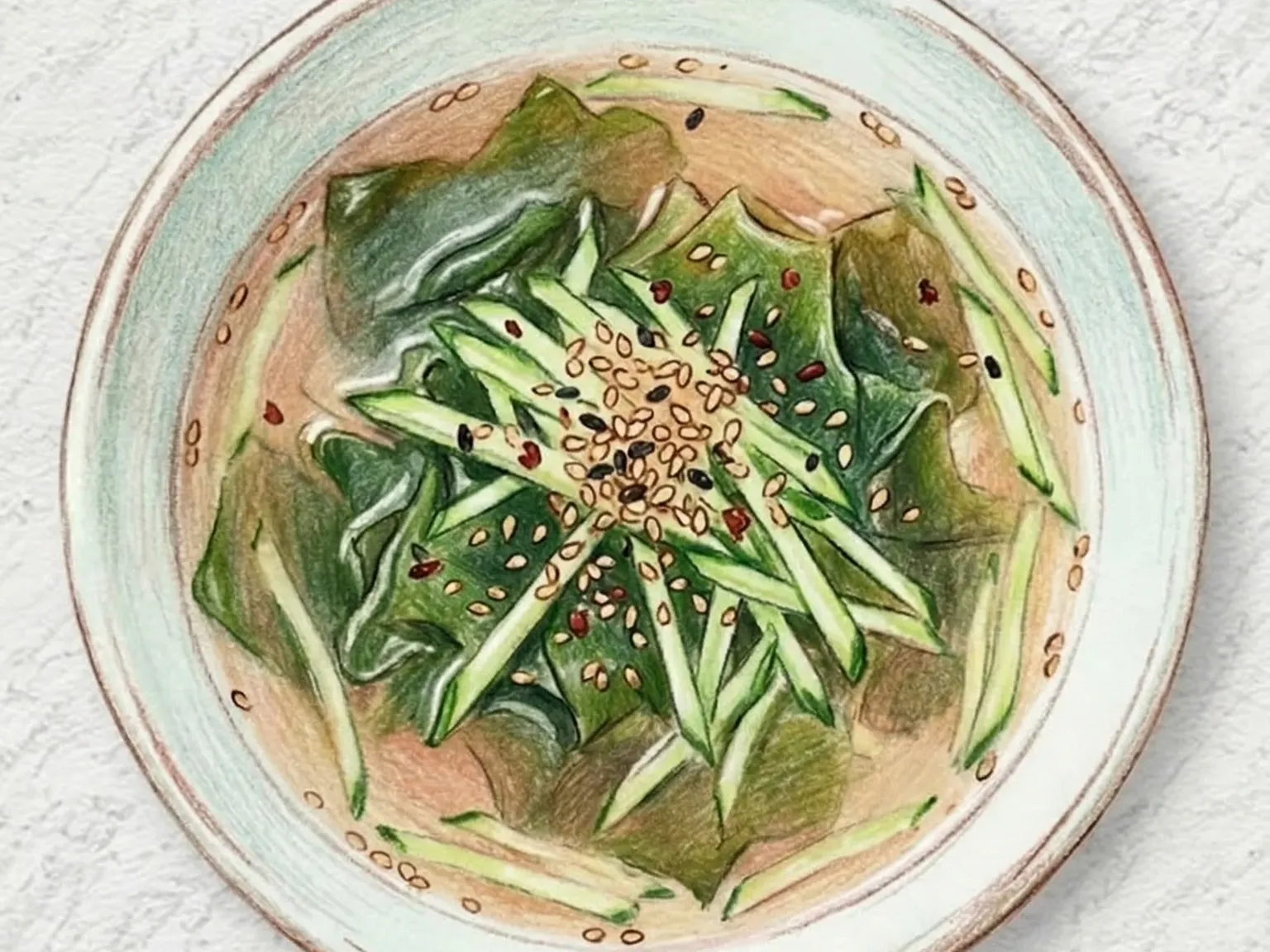
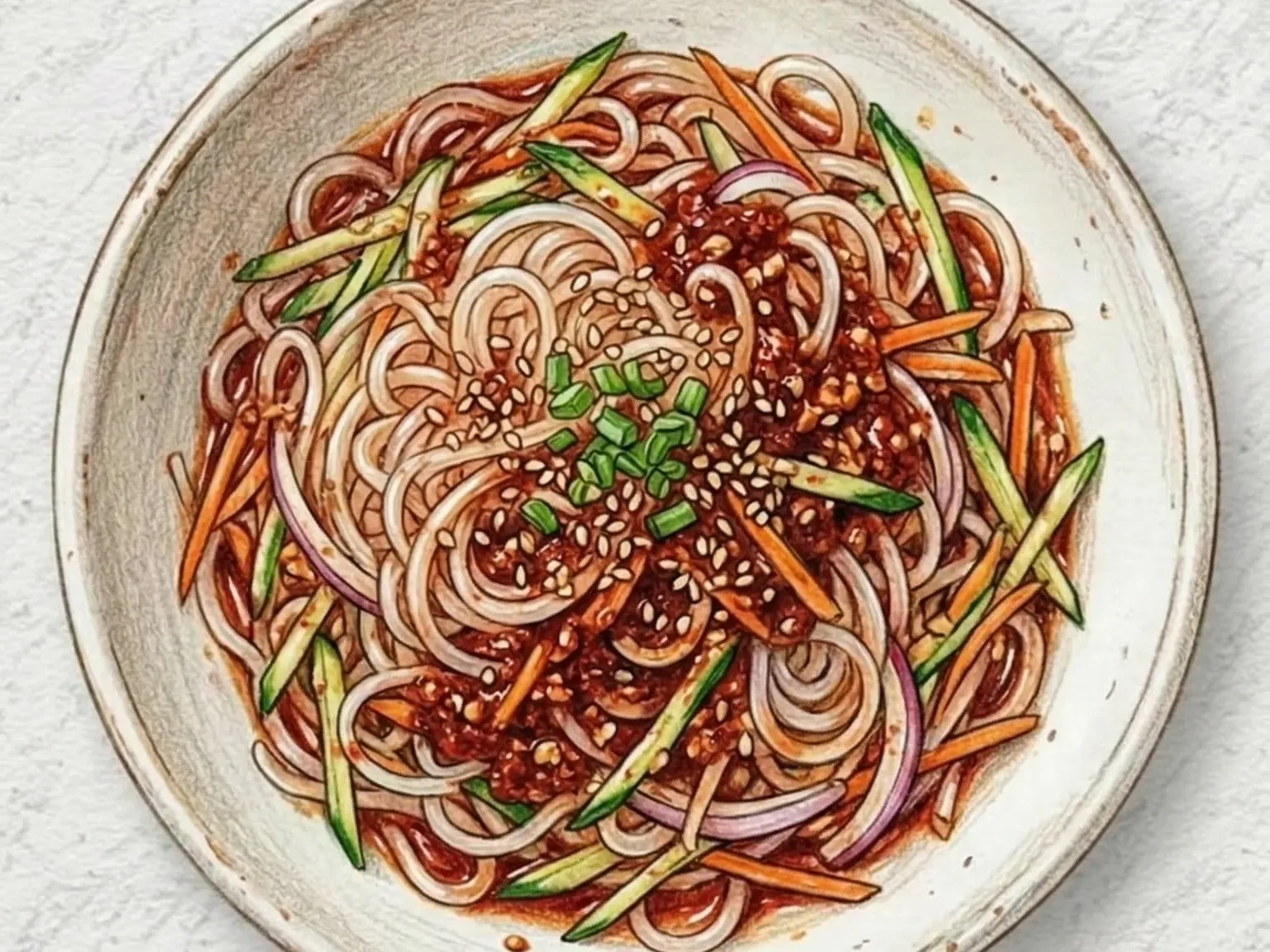
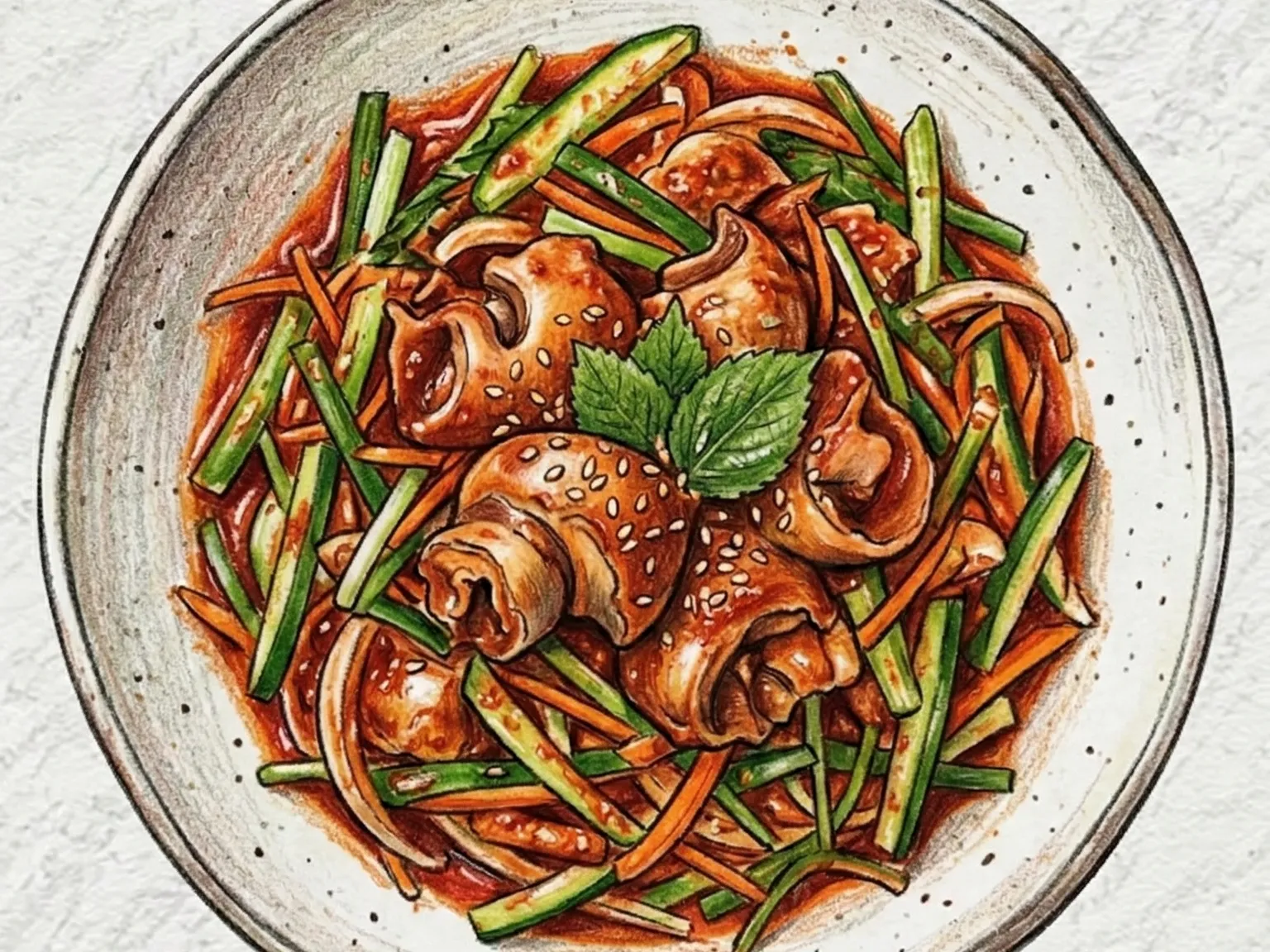
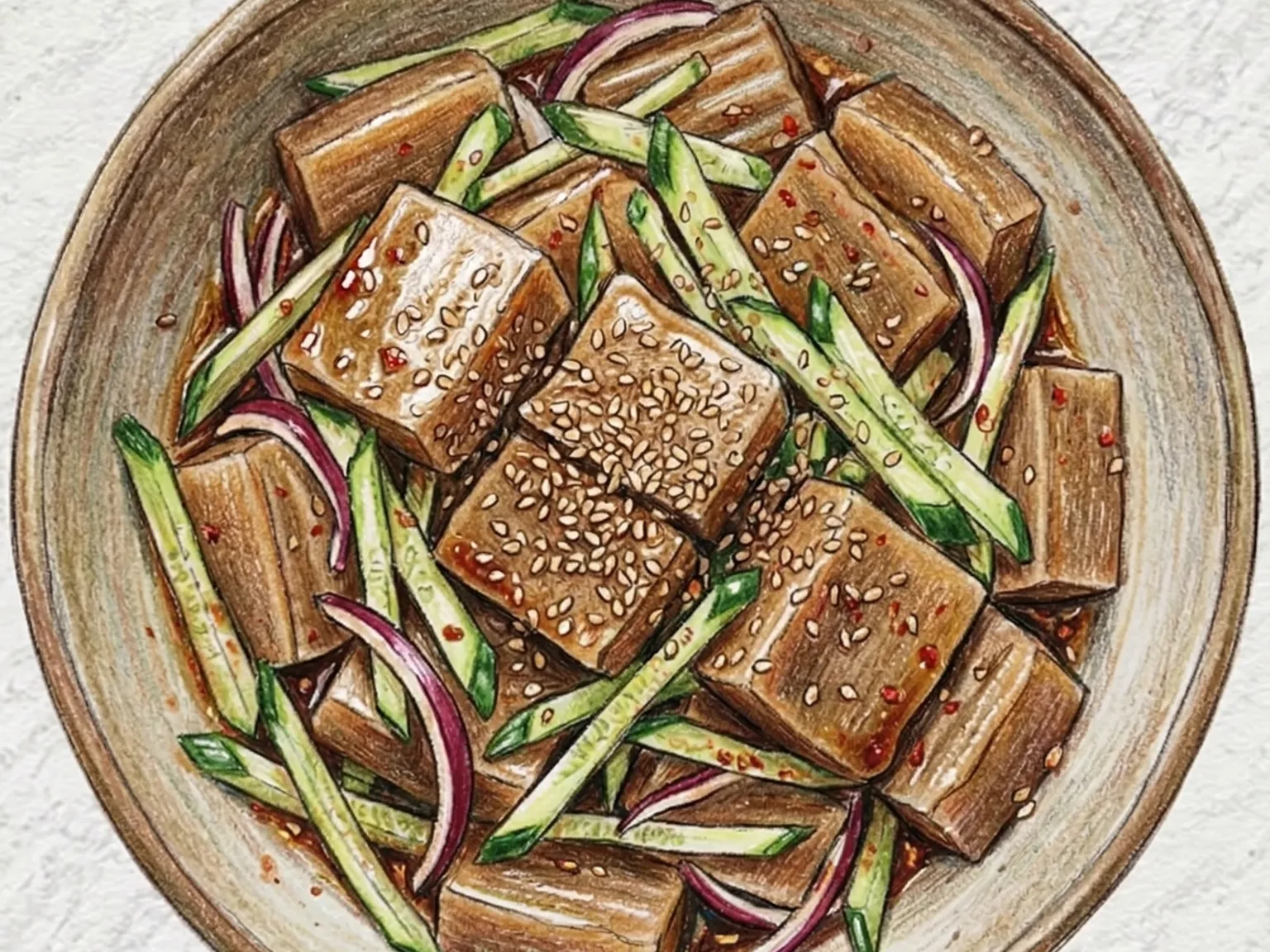
Sesame-dotorimuk-muchim is an acorn jelly salad that begins by slicing 400 grams of dotorimuk into 1-centimeter-thick pieces and blanching them for 20 seconds to firm up the surface and make the jelly more resilient to tossing. Julienned cucumber and thinly sliced onion - soaked briefly in cold water to remove sharpness - join the jelly in a bowl. The dressing of soy sauce, vinegar, red pepper flakes, and sesame oil brings a sharp, tangy bite that contrasts with the neutral mildness of the acorn jelly. Generous sesame seeds are scattered on top, and the dish rests for five minutes before serving so the dressing can seep into the jelly's porous surface. The result is a light, refreshing banchan with a range of textures from springy to crisp.
Adjust Servings
Instructions
- 1
Slice acorn jelly 1 cm thick, blanch for 20 seconds, then cool.
- 2
Slice cucumber into half-moons and onion thinly; soak onion in cold water for 3 minutes.
- 3
Mix soy sauce, vinegar, chili flakes, and sesame oil for the dressing.
- 4
Combine jelly, cucumber, and onion in a bowl and pour over dressing.
- 5
Toss gently from bottom to top to avoid breaking the jelly.
- 6
Add sesame seeds generously and rest 5 minutes before serving.
As an Amazon Associate, we may earn from qualifying purchases.
Tips
Nutrition (per serving)
More Recipes

Korean Seasoned Mung Bean Jelly Salad
Cheongpo muk - mung bean jelly - is made by boiling starch with water until it sets into a translucent, quivering block. It appears in Joseon-era palace banquet records. The jelly is blanched briefly, cut into matchstick strips, and tossed with julienned cucumber and carrot. A soy-vinegar dressing sharpened with sugar gives a clean, tart edge. The jelly itself is nearly flavorless, acting as a cool, slippery vehicle for the dressing. Served chilled, it is a classic summer banchan.

Korean Seasoned Green Seaweed
Cheonggak is a branching green seaweed from Korea's southern coast, prized for its oceanic perfume and cartilage-like crunch. A 10-second blanch brightens the color without destroying its snap. Squeezed and cut to finger lengths, it is dressed in a vinegar-forward sauce with soy, gochugaru, garlic, and sugar that cuts through the brininess. The seaweed must be served immediately - its texture collapses within hours. A specialty of Jeollanam-do coastal markets in winter and early spring.

Korean Broccoli Doenjang Salad
Blanched broccoli in doenjang dressing - a modern Korean banchan bridging Western ingredients with traditional seasoning logic. Florets and thinly sliced stems blanch ninety seconds, then are shocked in cold water for vivid green and a firm bite. The dressing combines doenjang with vinegar and oligosaccharide syrup - fermented salt, acidity, and gentle sweetness that lifts mild bitterness. Ready in under ten minutes and keeps refrigerated for days.

Korean Steamed Eggplant Vinegar Salad
While gaji bokkeum uses high heat and oil, this preparation takes eggplant in the opposite direction - steaming gently, then dressing cold with a vinegar-forward sauce. The eggplant is halved lengthwise, scored, and steamed for eight minutes until the flesh turns translucent and yielding. After cooling, it is torn along the grain into long strips that expose maximum surface area for the dressing to cling to. Soy sauce, rice vinegar, sugar, garlic, and gochugaru create a bright, tangy-spicy dressing that offsets the eggplant's natural sweetness. The torn strips have a silky, almost slippery quality unique to steamed eggplant. This banchan is especially popular during Korea's humid summer months when cool, vinegared dishes offer relief from the heat.

Korean Steamed Tofu with Soy Sauce
Dubu-jjim is firm tofu steamed and topped with a seasoning sauce of soy sauce, gochugaru, chopped green onion, garlic, and sesame oil. Cutting the tofu into thick slabs before steaming lets heat penetrate evenly, producing a surface with slight resistance and a silky interior. The soy-chili sauce drizzled on top seeps into the warm tofu, delivering salty and mildly spicy flavors in each bite. Sesame oil and seeds finish the dish with a toasted aroma. Cooked without any added oil, it is a clean, protein-rich banchan that works well on a vegetarian spread.

Korean Steamed Eggplant with Seasoning
Gaji-jjim is a simple Korean steamed eggplant dish dressed with a soy sauce, gochugaru, and garlic seasoning. Steaming the eggplant whole preserves its moisture, resulting in a silky, melt-in-the-mouth texture once torn or sliced. The dressing-brightened with sesame oil and topped with sesame seeds and sliced green onion-soaks into the warm flesh quickly. With minimal ingredients and a short cooking time, this is a light vegetable banchan that appears frequently on Korean summer tables.