Shabu Shabu (Japanese Hot Pot with Thin-Sliced Beef in Kombu Broth)
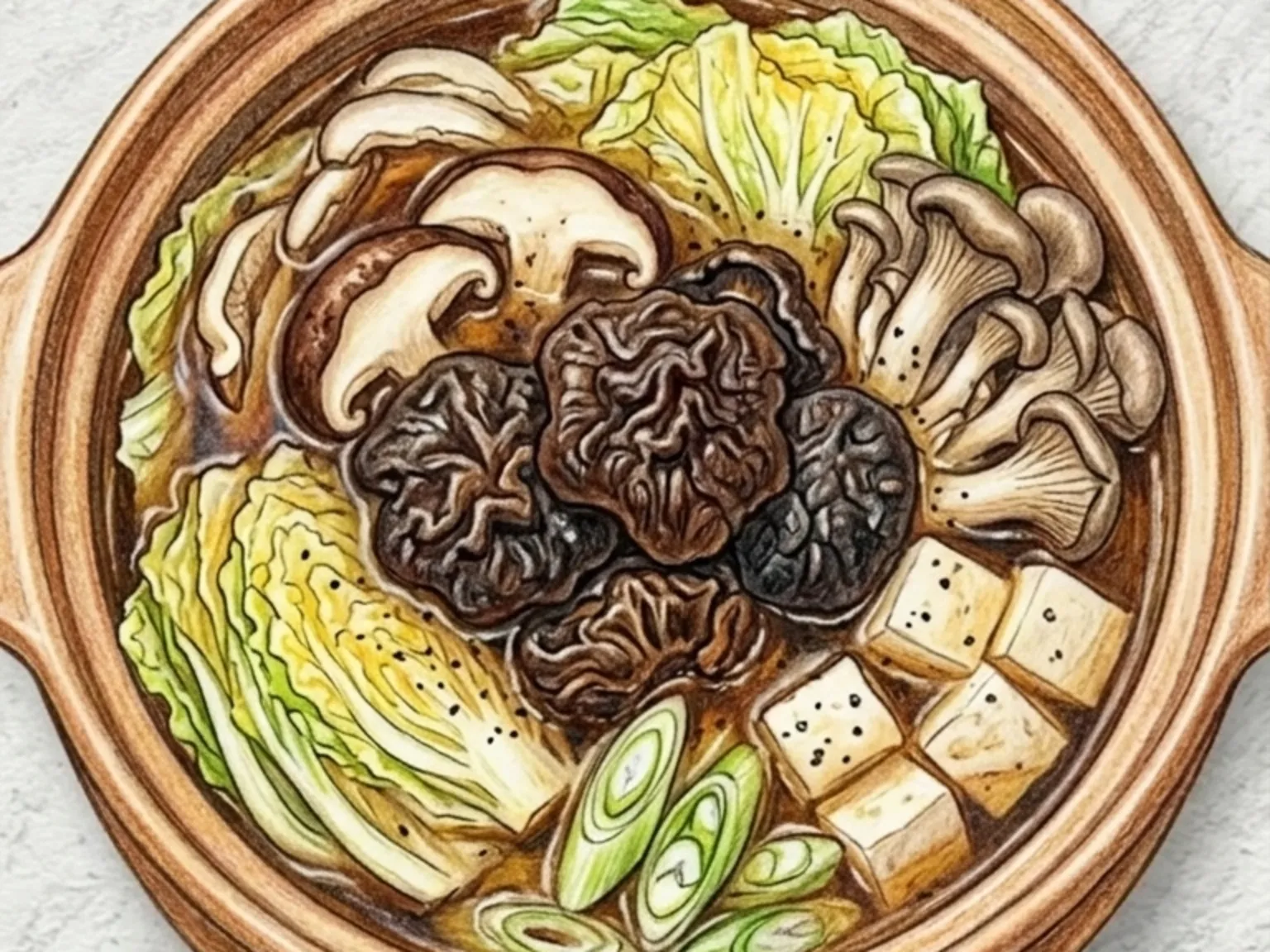
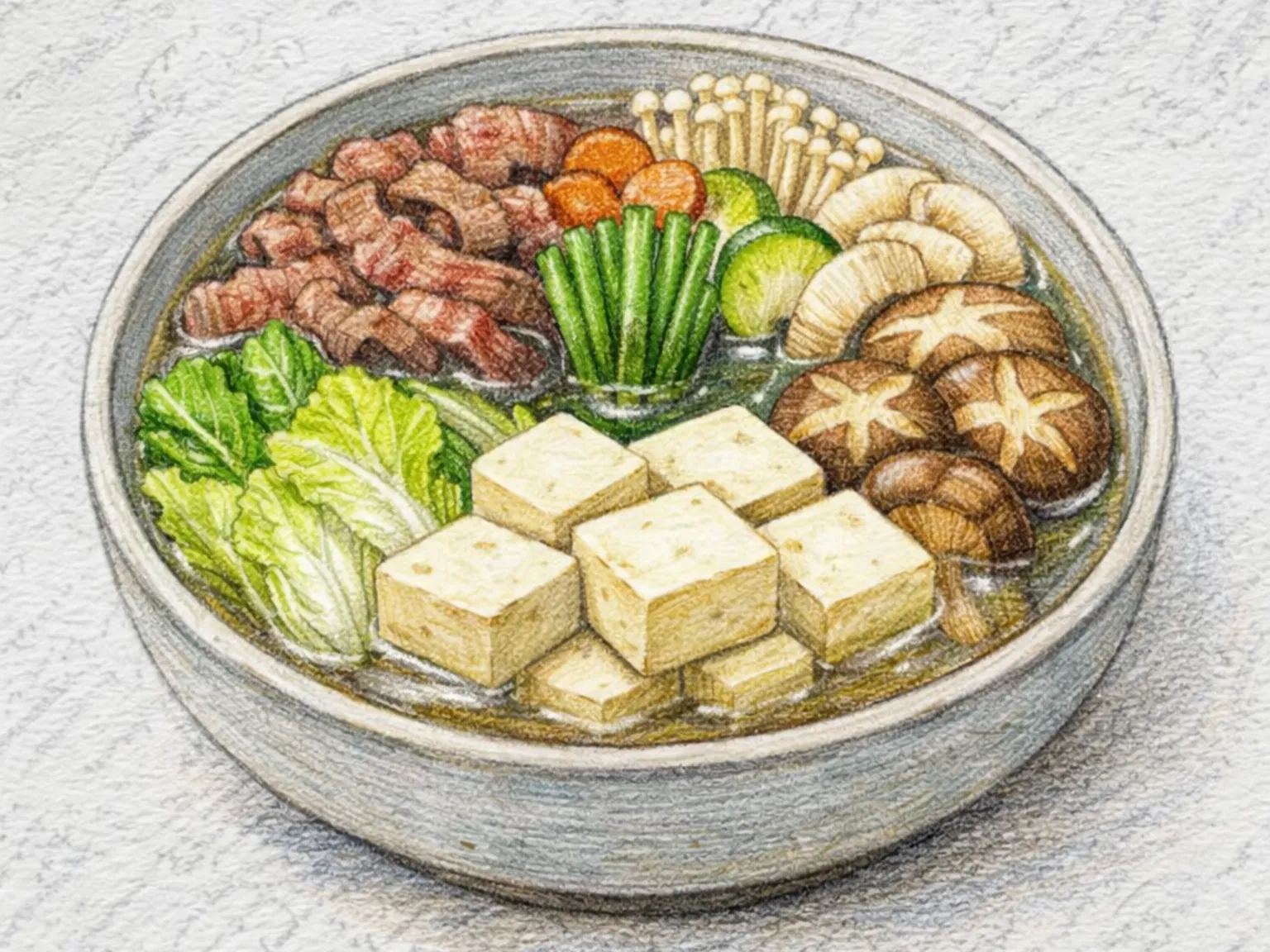
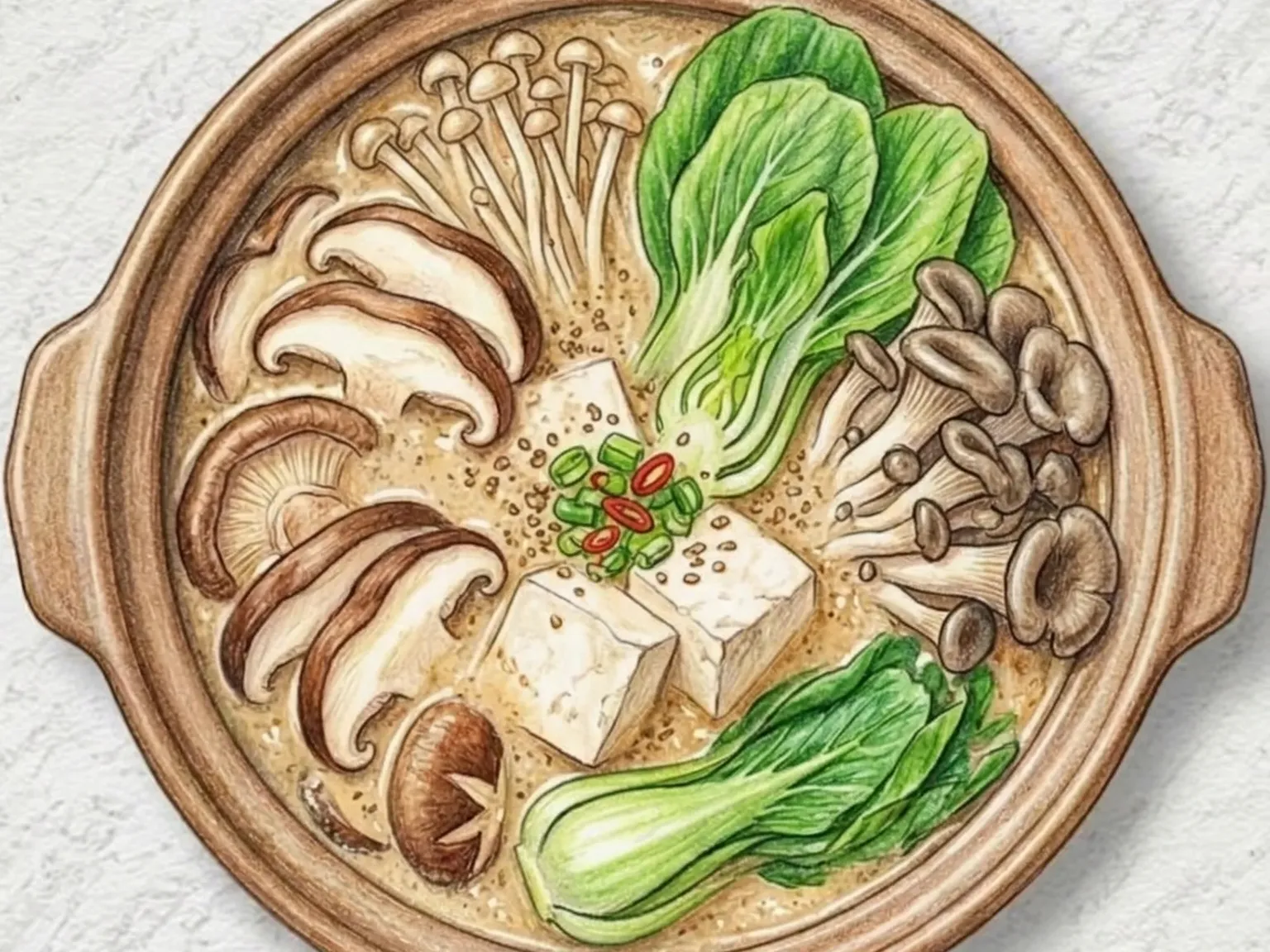
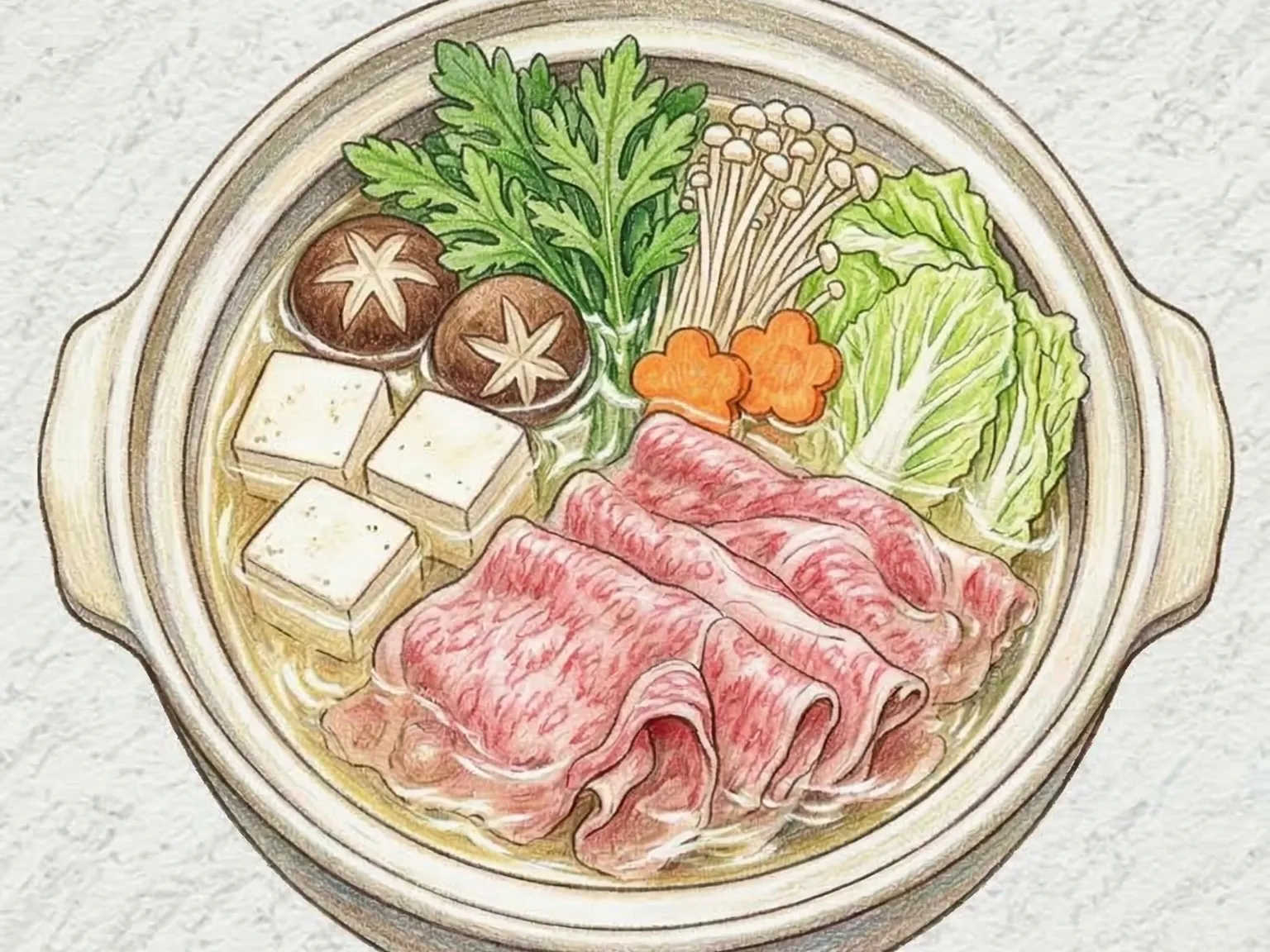
Shabu-shabu is a Japanese hot pot built on simplicity: a pot of simmering kombu dashi, a plate of beef sliced so thin it is nearly translucent, and a selection of vegetables arranged on a separate platter. The name mimics the swishing sound made when a slice of beef is swept back and forth through the broth for just a few seconds until it turns from red to pale pink. Each piece is then dipped in either ponzu, a citrus-soy sauce, or a creamy sesame dipping sauce before eating. Napa cabbage, tofu, enoki mushrooms, shungiku greens, and rice cakes cook alongside the beef, each ingredient releasing its flavor into the broth and building complexity as the meal progresses. By the end, the enriched broth is used for a closing course of udon noodles or rice porridge, ensuring nothing is wasted.
Adjust Servings
Instructions
- 1
Cut vegetables and tofu into bite-size pieces.
- 2
Bring dashi broth to a simmer and place pot at the table.
- 3
Add vegetables, mushrooms, and tofu first to build flavor.
- 4
Swish beef slices one at a time for about 10 seconds.
- 5
Dip in ponzu and finish with noodles or rice if desired.
As an Amazon Associate, we may earn from qualifying purchases.
Tips
Nutrition (per serving)
More Recipes

Kanto-Style Sukiyaki (Japanese Beef Hot Pot in Sweet Soy Warishita Broth)
Kanto-style sukiyaki is a Japanese hot pot in which thinly sliced beef, vegetables, and tofu simmer together in a pre-made broth called warishita-a blend of soy sauce, mirin, sugar, and sake. The preparation begins by searing thick-cut leek in beef fat to release its sweetness, then pouring in the warishita and adding the remaining ingredients: napa cabbage, shiitake mushrooms, grilled tofu, and shirataki noodles. Each component absorbs the sweet-salty broth differently-the cabbage wilts and soaks it up, the mushrooms intensify their earthiness, and the tofu becomes a sponge for the surrounding liquid. The signature ritual is dipping each cooked morsel into a bowl of beaten raw egg before eating; the egg forms a silky coat that tempers the concentrated sauce and adds richness. Sukiyaki is quintessential winter fare in Japan, cooked at the table over a portable burner so the pot stays bubbling throughout the meal.

Hakata Motsu Nabe (Offal Hot Pot)
Hakata motsu nabe is a hot pot from Fukuoka's Hakata district that features pork offal - specifically small intestines - simmered in a soy or miso-based broth with heaps of garlic, red chili, and a mountain of shredded cabbage and garlic chives. As the pot bubbles, the fat from the intestines renders into the broth, giving it a rich body, while the garlic and chili infuse everything with a punchy, aromatic warmth. The cabbage wilts down and soaks up the broth, becoming sweet and silky. Once the meat and vegetables are eaten, the standard finish is to add ramen noodles or rice to the remaining broth, absorbing every last bit of flavor. It is especially popular in the colder months and is considered a source of collagen, which adds to its appeal in Fukuoka's dining culture.

Hot Pot Udon (Japanese Earthenware Pot Noodle Soup)
Nabeyaki udon is a Japanese hot-pot noodle dish cooked and served in a small earthenware pot, keeping everything piping hot at the table. Dashi stock seasoned with soy sauce and mirin forms a clear yet deeply savory broth, and chicken thigh simmered directly in it releases fat that enriches the liquid. Narutomaki fish cake slices and enoki mushrooms add visual appeal and varied textures. An egg cracked into the center and covered with a lid cooks to a soft, runny stage that blends into the broth when broken. Shrimp tempura is placed on top just before serving so its coating stays crisp against the steaming soup. Spinach goes in during the last minute to retain its bright green color and tender bite.

Kiritanpo Nabe (Akita-Style Grilled Rice Stick Hot Pot)
Kiritanpo nabe is a rustic hot pot from Akita Prefecture in northern Japan, built around grilled mashed-rice sticks simmered in chicken broth. Freshly cooked rice is pounded until partially smooth, then wrapped around cedar skewers and toasted over charcoal until the surface develops a light char and a nutty fragrance. The broth begins with bone-in chicken thighs, seasoned simply with soy sauce and mirin, then loaded with burdock root, scallions, mushrooms, and Japanese parsley. The kiritanpo sticks are cut into segments and added to the simmering pot, where they absorb the rich broth and soften into a chewy, dumpling-like texture while still holding their shape. Akita's harsh winters made this a survival dish - calorie-dense, warming, and built entirely from ingredients available in the mountainous countryside. The faint smokiness from the charcoal grilling carries through to the finished soup.

Nikujaga (Japanese Beef Potato Onion Soy-Sweet Stew)
Nikujaga is the quintessential Japanese home-cooked stew, often described as the dish that defines a mother's cooking in Japan. Thinly sliced beef, potatoes, onion, carrot, and shirataki noodles are simmered in a broth of dashi, soy sauce, mirin, and sugar. The dish traces its origins to the Meiji era, when a Japanese naval officer attempted to recreate British beef stew using local ingredients - resulting in a clear, soy-based braise rather than a thick, flour-bound stew. The potatoes absorb the seasoned liquid until soft at the edges but still holding shape, while shirataki noodles soak up flavor and add a springy contrast.

Hayashi Rice (Japanese Beef and Onion Brown Sauce Rice)
Thinly sliced onions are caramelized in butter for at least eight minutes until deep golden, then simmered with thin-cut beef, tomato paste, Worcestershire sauce, and flour-thickened water into a glossy brown sauce. The extended caramelization of the onions creates the foundational sweetness that defines hayashi rice, so patience at this step directly determines the final flavor. Tomato paste contributes acidity and color while Worcestershire sauce brings a layered spice complexity, and the flour gives the sauce enough body to coat each piece of meat. Spooned generously over warm rice, this mild, non-spicy dish appeals to all ages.