Shrimp Cocktail
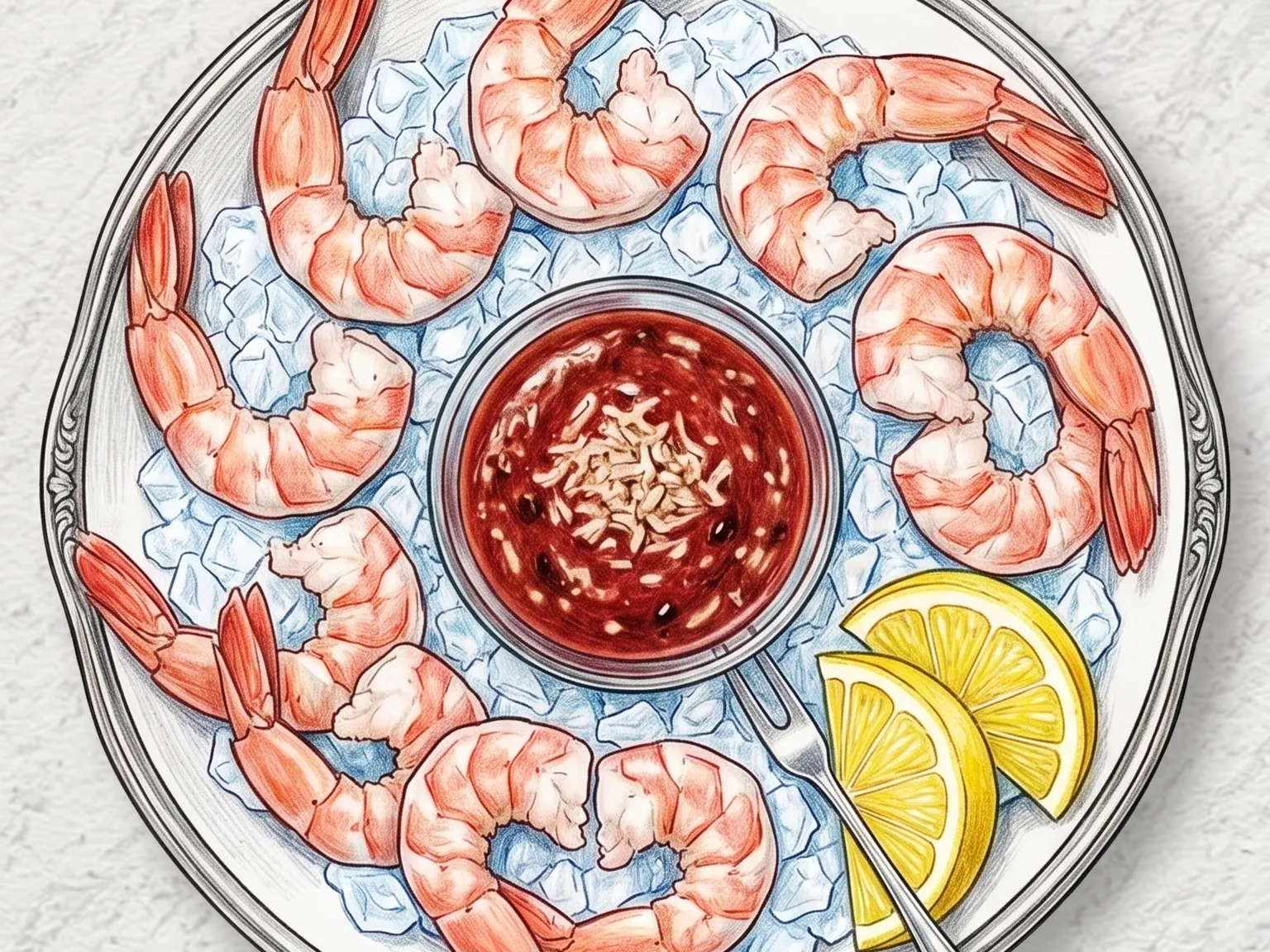
Shrimp cocktail is an American appetizer where large shrimp are poached briefly in water seasoned with lemon and salt, then shocked immediately in ice water to halt cooking and lock in a firm, snappy texture. The poaching time is critical - two to three minutes is enough for the shrimp to turn pink and curl slightly, and any longer makes them tough. The cocktail sauce combines ketchup's sweetness, prepared horseradish's sinus-clearing heat, and Worcestershire sauce's fermented depth into a dip that elevates the clean, mild flavor of chilled shrimp. Resting the finished sauce in the refrigerator for at least ten minutes allows the flavors to meld while sharpening the horseradish's bite.
Adjust Servings
Instructions
- 1
Peel shrimp and remove the vein.
- 2
Poach shrimp 2-3 minutes in salted boiling water with lemon.
- 3
Shock shrimp in ice water to keep them firm.
- 4
Mix ketchup, horseradish, and Worcestershire for cocktail sauce.
- 5
Serve chilled shrimp with cocktail sauce.
As an Amazon Associate, we may earn from qualifying purchases.
Tips
Nutrition (per serving)
More Recipes

Deviled Eggs
Deviled eggs are a classic American appetizer made by hard-boiling eggs for ten minutes, cooling them thoroughly in cold water, then halving and scooping out the yolks. The yolks are mashed smooth with mayonnaise, Dijon mustard, lemon juice, salt, and black pepper. The mixture is piped or spooned back into the egg white halves and finished with a dusting of paprika for color and mild warmth. The mustard and lemon juice brighten the rich yolk base, giving each bite a creamy yet tangy quality. Fully cooling the eggs before cutting ensures clean, even halves, and adding a small amount of extra mayonnaise loosens the filling if it becomes too thick.

Shrimp Boil
Shrimp boil is a Southern American one-pot dish where ingredients are added to seasoned boiling water in stages according to their cooking time. Potatoes go in first and cook for about ten minutes, followed by corn on the cob and smoked sausage for another seven minutes, and shrimp last for just two to three minutes. This staggered approach ensures every component reaches the table properly cooked - potatoes tender, corn sweet and snappy, sausage heated through, and shrimp firm rather than rubbery. The drained pile is tossed with melted butter and fresh lemon juice, which adds richness and acidity on top of the paprika-seasoned broth. Traditionally served poured out onto newspaper for communal eating by hand.

Cioppino (Italian-American Seafood Tomato Wine Stew)
Cioppino is an Italian-American seafood stew that simmers shrimp, mussels, and white fish in a tomato and white wine broth enriched with fish stock. Building the base by sauteing onion and garlic in olive oil, then deglazing with white wine before adding canned tomatoes and stock, creates a layered flavor foundation. A fifteen-minute simmer concentrates the broth before the seafood goes in. Adding mussels first, then fish, then shrimp accounts for their different cooking times and prevents overcooking. The finished stew balances bright tomato acidity against the briny depth drawn from the shellfish.

Crab Cake
Crab cakes are a signature seafood dish of the American East Coast, made by gently folding crab meat with mayonnaise, Dijon mustard, egg, breadcrumbs, parsley, and lemon juice, then shaping the mixture into patties and pan-frying in butter until golden on each side. Mixing the crab meat with a light touch preserves the large flakes that give each bite its distinctive texture. Lemon juice brightens the flavor and tempers any fishiness. Chilling the formed patties for thirty minutes firms them enough to flip in the pan without breaking apart. The finished crab cake has a crisp, buttery exterior enclosing moist, sweet crab.

Classic Apple Pie
Apple pie has been baked in America since the colonial era, though its origins lie in 14th-century English and Dutch recipes where apples were enclosed in pastry as a way to cook fruit without a proper oven. The filling is built from tart baking apples - Granny Smith or Braeburn - tossed with sugar, cinnamon, nutmeg, a squeeze of lemon, and a spoonful of flour or cornstarch to thicken the juices as they cook. The double crust is made from cold butter cut into flour until the dough resembles wet sand, producing flaky, shattering layers when baked. As the pie bakes, the apples soften and release their juice, which the starch captures into a syrupy glaze that holds the filling together when sliced. The top crust turns deep golden and pulls away slightly from the filling, creating a hollow where steam escapes. Served warm with a scoop of vanilla ice cream - a la mode - or a slice of sharp cheddar in the New England tradition, apple pie is as much a cultural symbol as it is a dessert.

Lemon Meringue Pie
A blind-baked pie crust holds a tart lemon curd filling crowned by a billowy meringue that is briefly baked until its peaks turn golden. The curd is built by cooking lemon juice, water, sugar, and cornstarch until thick, then rapidly whisking in egg yolks and finishing with butter for a glossy, velvety consistency. The filling's sharp citrus bite meets the meringue's airy sweetness in the same forkful, creating a dramatic contrast that is the hallmark of this pie. Spreading the meringue directly over the hot curd helps the two layers bond and reduces the weeping that can form between them. A short burst at 200 degrees Celsius tips each meringue peak with a gradient of caramel brown while the interior remains soft and marshmallow-like. The pie crust contributes a third texture, short and crisp, that grounds the two softer layers above it. Chilling the assembled pie before cutting produces the cleanest slices, with each layer visible in cross-section. Adding lemon zest to the curd intensifies the citrus aroma beyond what juice alone provides.