Shrimp Creole
Western Medium

Shrimp Creole

Quick answer

Shrimp Creole builds its flavor base from the Cajun holy trinity - onion, celery, and bell pepper - sauteed in olive oil until softened and sweet.

What makes this special

  • Shrimp Creole builds a deep flavor base from the Cajun trinity of onion, celery, and bell pepper.
  • Cajun trinity of onion, celery and bell pepper builds the aromatic base
  • Tomato acidity and paprika smokiness stack savory depth in Creole style
Total time
35 min
Level
Medium
Servings
4 servings
Ingredients
9
Calories
520 kcal
Protein
31 g

Key ingredients

shrimpcanned tomatoesonioncelerybell pepper

Core cooking flow

  1. 1 Peel and devein 450 g shrimp, rinse briefly under cold water, and pat them very dry.
  2. 2 Chop 120 g onion, 80 g celery, and 100 g bell pepper into similar small piec...
  3. 3 Heat 2 tablespoons olive oil in a wide pan over medium heat, then add the onion, celery, and bell pepper.

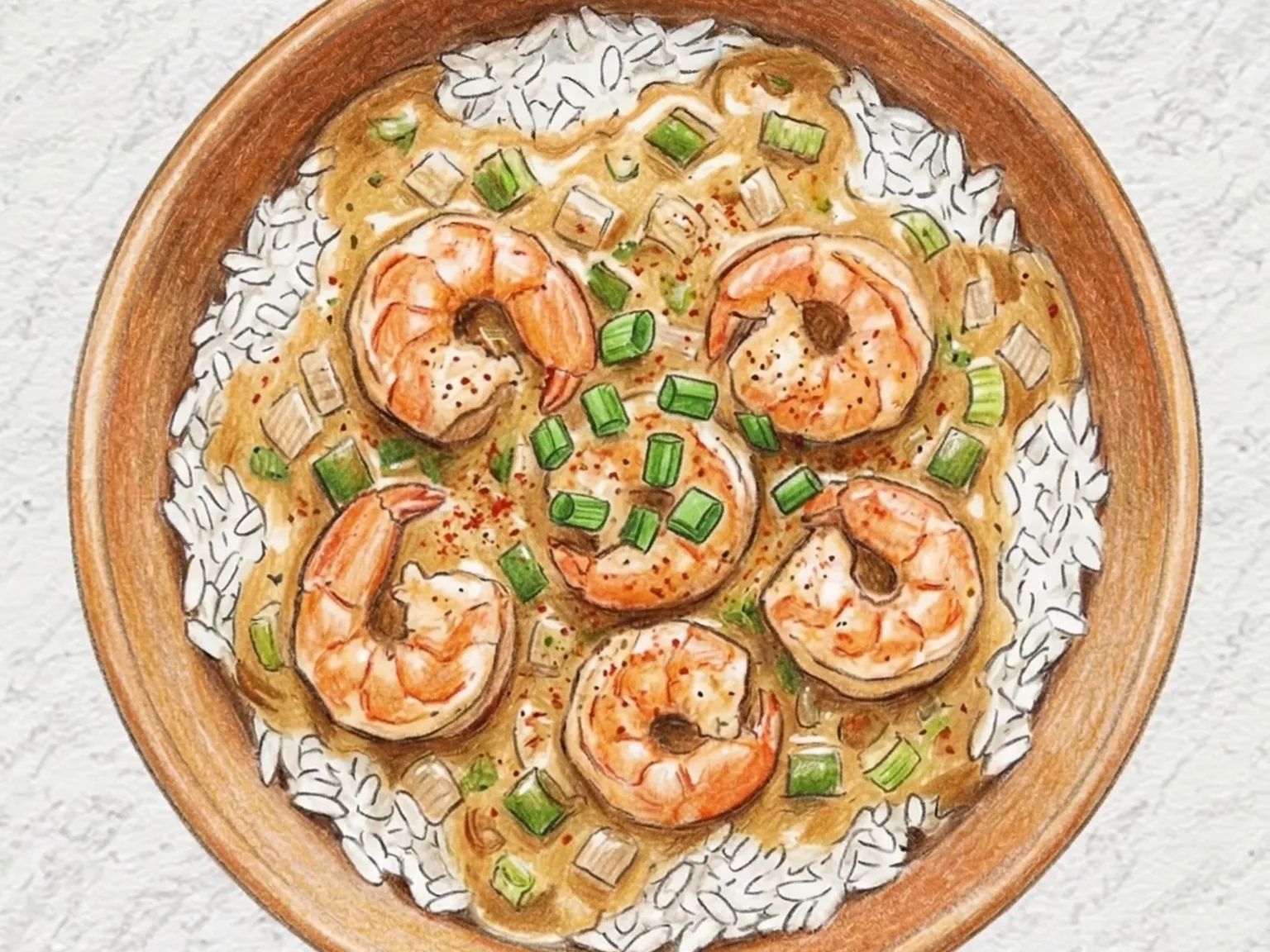
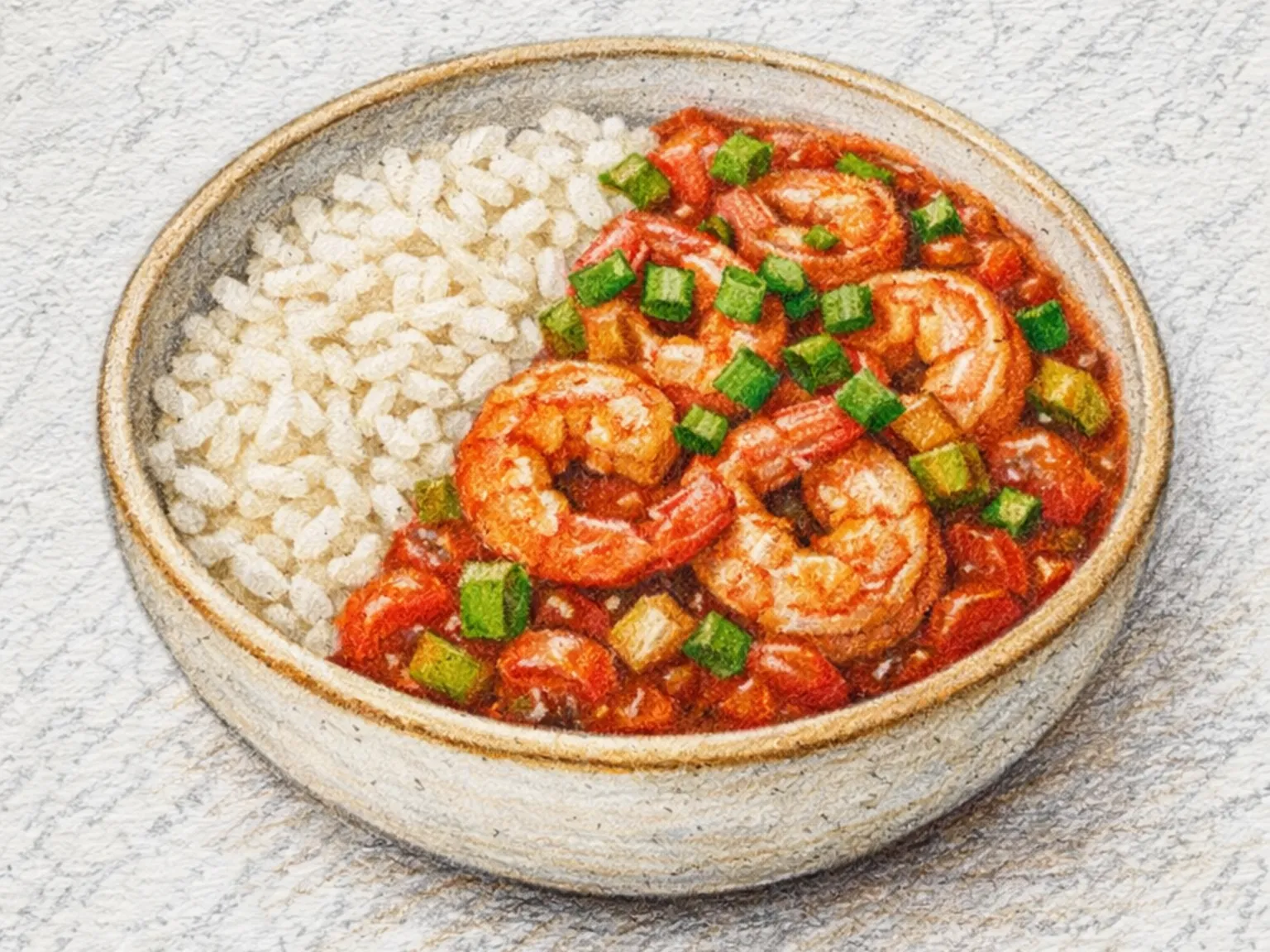
Shrimp Creole builds its flavor base from the Cajun holy trinity - onion, celery, and bell pepper - sauteed in olive oil until softened and sweet. Garlic and paprika go in next for thirty seconds to bloom their aromas before canned tomatoes are added and simmered over medium heat for eight minutes, reducing the liquid into a thick, fragrant sauce. The shrimp are stirred in only at the end and cooked for three to four minutes until just pink, preserving their tender bite. The tomato's natural acidity balances the paprika's smokiness, and a dash of hot sauce pushes the dish toward its authentic Louisiana character. Served ladled generously over steamed white rice, the sauce soaks into the grains and carries every layer of flavor.

Prep 15min Cook 20min 4 servings

Instructions

Read the steps as a cooking flow: prep, heat, seasoning, doneness control, and finish.

6 steps
  1. 1
    Season

    Peel and devein 450 g shrimp, rinse briefly under cold water, and pat them very dry.

    Removing surface moisture keeps the sauce from thinning later and helps the shrimp cook cleanly at the end.

  2. 2
    Heat

    Chop 120 g onion, 80 g celery, and 100 g bell pepper into similar small pieces so they soften at the same rate.

    Mince 3 garlic cloves finely because they will only cook briefly before the tomatoes go in.

  3. 3
    Control

    Heat 2 tablespoons olive oil in a wide pan over medium heat, then add the onion, celery, and bell pepper.

    Cook for about 5 minutes, stirring often, until the edges look translucent and the vegetables smell sweet, not browned.

  4. 4
    Control

    Add the minced garlic and 1 teaspoon paprika, then stir for only 30 seconds so the spices bloom without burning.

    Crush in 400 g canned tomatoes and simmer over medium heat for 8 minutes until thickened.

  5. 5
    Control

    When the sauce is thick enough for a spatula trail to hold briefly, add the shrimp and coat them evenly.

    Cook over medium heat for only 3 to 4 minutes, stopping as soon as they turn pink.

  6. 6
    Season

    If using hot sauce, stir in just a small dash and taste before adding more.

    Spoon the shrimp and plenty of sauce over 2 cups warm cooked rice, serving while the rice can absorb the tomato sauce.

After the steps

Pick a recipe that fits this dish.

Continue with shared ingredients, meal pairings, or a similar method.

Recipes That Go Well With This

More Western →

Based on shared ingredients and meal pairing

Shrimp Etouffee
Shared ingredient: onion Western

Shrimp Etouffee

Shrimp etouffee starts with a blonde roux - butter and flour stirred continuously over medium heat until the mixture turns light brown and smells faintly of toasted nuts. The Cajun trinity of diced onion, celery, and bell pepper is added directly to the roux, where the vegetables release moisture that loosens the paste and contributes sweetness. Chicken stock and paprika transform the mixture into a thick, velvety sauce with warm color and gentle spice. The shrimp go in during the final four minutes of cooking so they absorb the sauce's flavor without overcooking. Darkening the roux beyond light brown risks bitterness that overpowers the delicate shrimp. The finished dish is spooned over steamed rice, which absorbs the rich sauce.

Gumbo
Shared ingredient: onion Western

Gumbo

Gumbo is a Louisiana stew built on a dark roux - flour and oil stirred continuously over medium-low heat until the mixture reaches a deep chocolate brown. Cooking the roux to this stage breaks down the starch so it thickens less, but develops a complex, nutty smokiness that defines the dish. The Cajun holy trinity of onion, celery, and green bell pepper is sweated in the roux, followed by smoked sausage that renders its fat and smoky flavor into the base. Chicken stock, sliced okra, and cayenne pepper simmer together for forty minutes, during which the okra's natural mucilage adds body to the broth. Shrimp are stirred in only at the end to prevent overcooking, and the finished gumbo is traditionally ladled over steamed white rice.

Seven Layer Salad
Serve together Salads

Seven Layer Salad

Seven layer salad stacks romaine lettuce, sliced cucumber, halved cherry tomatoes, cooked green peas, chopped boiled egg, and thinly sliced red onion in a clear glass bowl, then seals the top with a smooth layer of Greek yogurt mixed with lemon juice. The yogurt cap acts as a moisture barrier, preventing the lower layers from turning soggy and making the salad suitable for advance preparation. Boiled eggs contribute a mild richness and peas add a starchy sweetness that rounds out the crisp vegetable layers, while red onion's sharp bite creates a contrast against the creamy, tangy dressing. Serving requires scooping deep to the bottom so every portion captures all seven layers at once.

Shrimp Boil
Similar recipe Western

Shrimp Boil

Shrimp boil is a Southern American one-pot dish where ingredients are added to seasoned boiling water in stages according to their cooking time. Potatoes go in first and cook for about ten minutes, followed by corn on the cob and smoked sausage for another seven minutes, and shrimp last for just two to three minutes. This staggered approach ensures every component reaches the table properly cooked - potatoes tender, corn sweet and snappy, sausage heated through, and shrimp firm rather than rubbery. The drained pile is tossed with melted butter and fresh lemon juice, which adds richness and acidity on top of the paprika-seasoned broth. Traditionally served poured out onto newspaper for communal eating by hand.

Serve with this

Real Pineapple Sherbet
Desserts Easy

Real Pineapple Sherbet

This refreshing fruit dessert is prepared by scooping out the flesh of a mini pineapple and using its hollowed shell as a serving vessel. The fruit pulp is blended until smooth to prevent icy lumps, then mixed with sugar, lemon juice, and oligosaccharide syrup to achieve a sweet and tangy flavor. After pouring the mixture back into the shell and covering it with the top lid, it is frozen for at least four hours. Stirring the mixture occasionally during freezing breaks up ice crystals, resulting in a smoother texture. The active bromelain enzyme present in the fresh fruit provides a subtle tingly sensation on the tongue. Serving the sherbet directly inside the pineapple skin minimizes juice loss and keeps the dessert cold. Letting it stand for five minutes before scraping and topping with fresh apple mint leaves makes it ready to serve.

🔥 Trending Now ⚡ Quick
Prep 20min 2 servings
Kimchi Bacon Mac and Cheese
Pasta Easy

Kimchi Bacon Mac and Cheese

Kimchi bacon mac and cheese layers aged kimchi's lactic tang and smoky bacon into a classic American cheddar cheese sauce over elbow macaroni. A butter-flour roux forms the base, with milk whisked in to build a béchamel before cheddar is melted into a thick, clinging sauce. Crisp bacon pieces add salt and crunch throughout, while chopped ripe kimchi introduces fermented acidity that counteracts the richness of the cheese. A pinch of gochugaru runs underneath with mild, warming heat. The tubular macaroni shape traps sauce inside and out, ensuring each forkful carries the full spectrum of creamy, tangy, and smoky flavors.

🏠 Everyday 🧒 Kid-Friendly
Prep 10min Cook 20min 2 servings
Citrus Espresso Tonic with Orange
Drinks Easy

Citrus Espresso Tonic with Orange

Espresso tonic is a carbonated coffee drink built by slowly pouring espresso over chilled tonic water to form two distinct layers. The tonic must be thoroughly cold to maintain stable carbonation throughout; cooling the espresso for about thirty seconds before pouring it over a spoon produces a clean separation between the two liquids. The quinine bitterness in the tonic water meets the espresso's roast bitterness, creating a balanced interplay rather than one-note sharpness. Orange slices and lemon peel garnish the glass, releasing citrus oils that rise with the bubbles. Specialty espresso with pronounced fruit acidity works particularly well here, harmonizing with the tonic's effervescence and lending natural sweetness without added sugar. Pre-chilling the glass with ice before adding the tonic helps preserve carbonation. The drink gained popularity in Scandinavian coffee culture during the 2010s before spreading worldwide.

🍺 Bar Snacks ⚡ Quick
Prep 6min Cook 4min 2 servings

Similar recipes

Shrimp Po' Boy
Western Medium

Shrimp Po' Boy

Shrimp po' boy is a New Orleans sandwich built by breading shrimp in a sequence of flour, egg wash, and breadcrumbs, then frying at 170 degrees Celsius for two to three minutes until the coating turns deep golden and audibly crisp. Patting the shrimp completely dry before breading is essential - any residual moisture prevents the flour from adhering evenly and causes the crust to fall apart in the oil. A quick remoulade made from mayonnaise and chopped pickles provides a tangy, creamy contrast to the fried shrimp's richness. The baguette is split and warmed slightly so it stays sturdy enough to hold the filling without going soft. Layering shredded lettuce between the sauce and shrimp adds a cool, crisp texture that rounds out each bite.

🎉 Special Occasion 🍱 Lunchbox
Prep 20min Cook 15min 2 servings
Chess Pie
Baking Easy

Chess Pie

Chess pie is a custard pie from the American South made from the shortest possible list of pantry ingredients: butter, sugar, eggs, a small amount of flour, and cornmeal. The simplicity of the ingredients does not predict the complexity of what happens in the oven. As the pie bakes, the top surface splits and forms a thin, crackled crust that shatters underfoot of a fork, while beneath it sits a dense, moisture-heavy custard carrying a deep caramel note. Cornmeal introduces a subtle grittiness and the faint sweetness specific to corn, while a splash of vinegar or buttermilk adds just enough acidity to prevent the sugar from going flat. The filling should be pulled from the oven when the edges have set but the center still trembles slightly; it continues to firm as it cools, eventually reaching a texture close to fudge. Served at room temperature, the custard softens into a smooth, yielding consistency. A spoonful of unsweetened whipped cream alongside cuts the richness without dulling the flavor.

🧒 Kid-Friendly 🎉 Special Occasion
Prep 20min Cook 45min 8 servings
Korean Steamed Shrimp
Steamed Easy

Korean Steamed Shrimp

Saeu jjim is a traditional Korean method for preparing steamed shrimp by utilizing a specific layering technique within a steamer. The process begins by creating a foundation of sliced onions, green onions, and garlic cloves across the steamer basket. Whole shrimp are then carefully arranged directly on top of this bed of aromatic vegetables. As the water boils below, the rising steam carries the volatile oils and scents of the onion and garlic upward, allowing these fragrances to penetrate the shrimp through their shells. A small amount of rice wine is applied to the shrimp before the lid is closed to neutralize any strong briny odors that may be present. Leaving the shells intact during the steaming process is a deliberate step to minimize the loss of internal moisture. This protective layer ensures the meat remains firm and juicy while preserving the natural sugars found in the seafood. Precision regarding the cooking duration is a critical factor for success. The shrimp typically require only eight to nine minutes of exposure to the steam once the water has reached a steady boil. If the cooking time exceeds this window, the proteins in the flesh will contract and cause the texture to become noticeably tough and dry. When the time is up and the lid is lifted, it should be tilted to the side rather than pulled straight up. This prevents the heavy condensation collected on the underside of the lid from dripping back down onto the shrimp, which would otherwise dilute the seasoning on the surface of the shells. Just before the dish is served, a light squeeze of fresh lemon juice is applied to provide a bright acidity that complements the inherent sweetness of the shrimp. While the dish is sufficiently flavorful to be eaten without any dipping sauce, it is often accompanied by cho-ganjang, which is a mixture of soy sauce and vinegar. Alternatively, a sweet chili sauce can be provided as a condiment for individuals who prefer an additional flavor profile alongside the seafood.

🥗 Light & Healthy 🏠 Everyday
Prep 15min Cook 12min 2 servings

Tips

Add shrimp at the end to avoid overcooking and toughness.
A dash of hot sauce gives a more authentic Creole touch.

Nutrition (per serving)

Calories
520
kcal
Protein
31
g
Carbs
55
g
Fat
18
g