Korean Dried Radish Greens & Clam Soybean Stew
Stews Medium

Korean Dried Radish Greens & Clam Soybean Stew

Quick answer

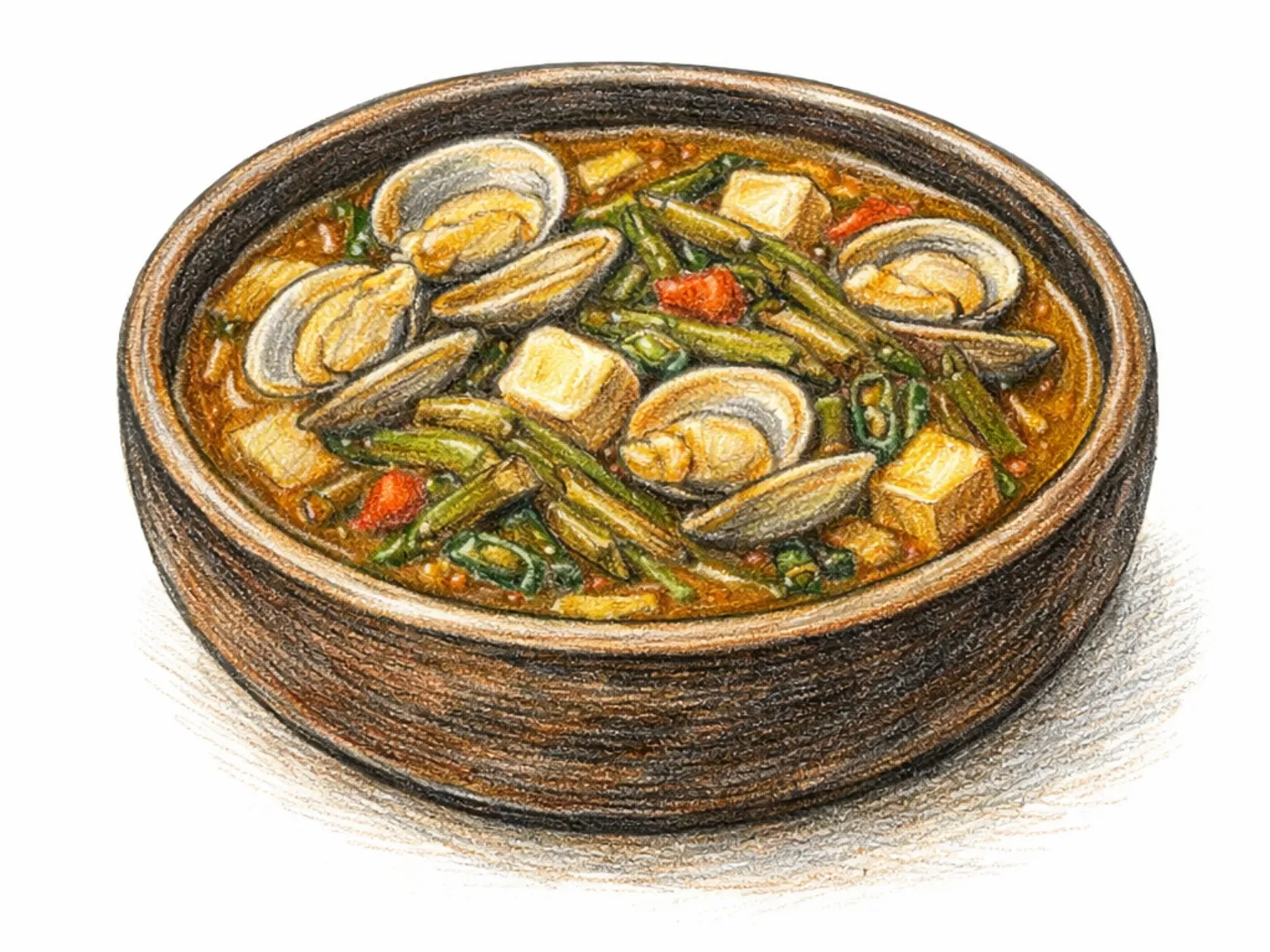
This stew pairs rehydrated dried radish greens with fresh clams in a broth of rice-rinse water seasoned with doenjang and a measured amount of gochujang.

What makes this special

  • Siraegi-bajirak-doenjang-jjigae balances earthy dried radish greens sautéed in perilla oil with the briny freshness of clams within a smooth, rice-water-based soybean soup.
  • Dried radish greens stir-fried in perilla oil first to draw out nuttiness
  • Rice washing water adds natural body and gentle starch to the broth
Total time
45 min
Level
Medium
Servings
4 servings
Ingredients
10
Calories
255 kcal
Protein
18 g

Key ingredients

rehydrated dried radish greensclamssoybean pasteKorean chili pasteKorean radish

Core cooking flow

  1. 1 Soak 400g of clams in salted water for 1 hour to purge sand, then rinse well.
  2. 2 Heat 1 tablespoon of perilla oil in a pot over medium heat, add the dried ra...
  3. 3 Add 2.5 tablespoons doenjang and 0.5 tablespoon gochujang and stir-fry with...

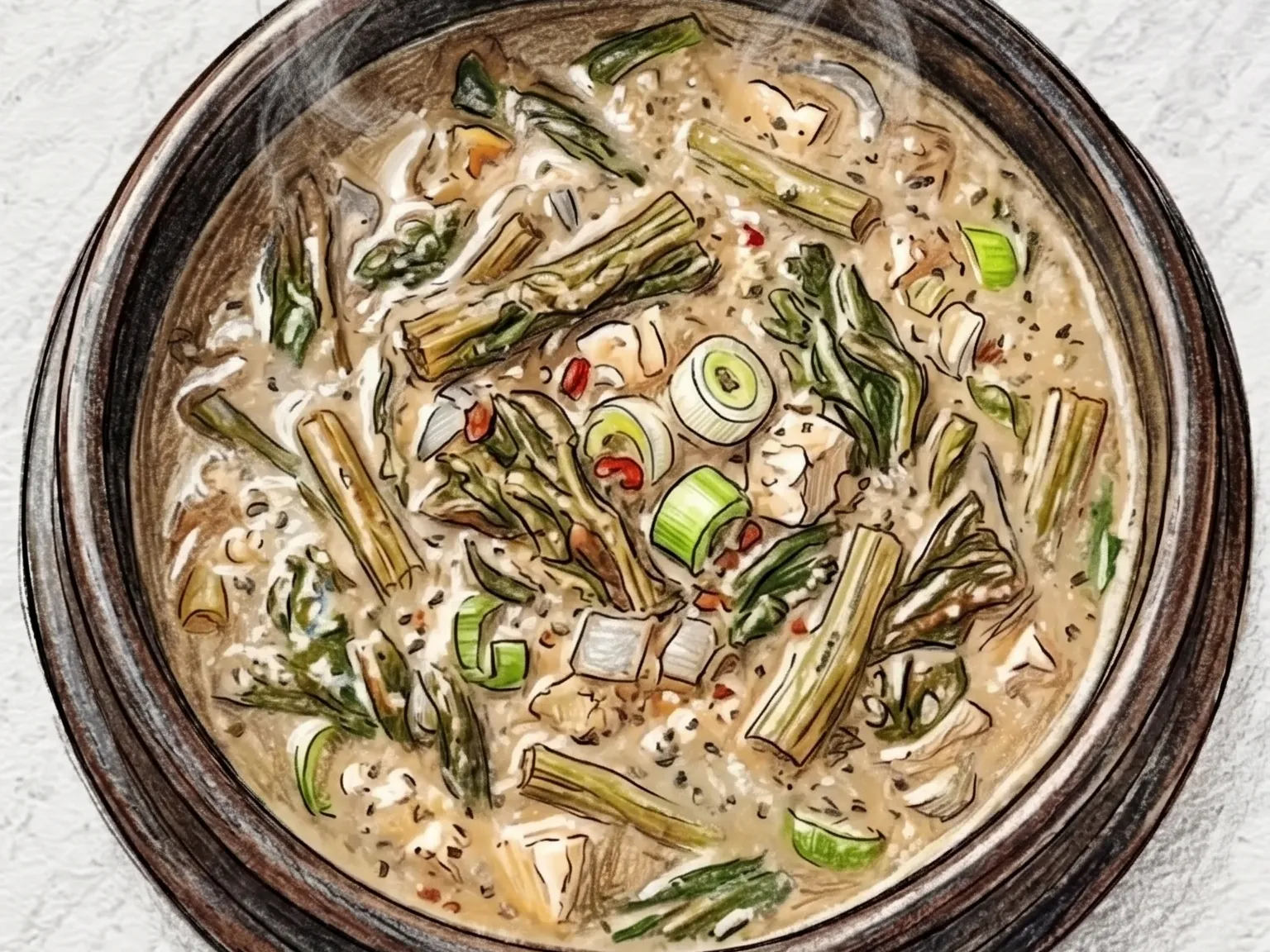
This stew pairs rehydrated dried radish greens with fresh clams in a broth of rice-rinse water seasoned with doenjang and a measured amount of gochujang. The radish greens go into perilla oil first, sauteing until their nutty aroma blooms fully before the clams are added. As the clams open, they release a clean, briny liquid that merges with the fermented soybean paste to form a layered, deeply savory base. Korean radish and onion contribute background sweetness, while green onion and garlic anchor the aromatic profile with a sharp edge. The rice-rinse water introduces a gentle body to the broth, giving it a slightly thickened, silky texture that coats each spoonful. The doenjang works its way into the fibrous radish greens during cooking, so each bite carries the full weight of the seasoning. This is the kind of stew that makes plain rice disappear from the bowl without effort.

Prep 20min Cook 25min 4 servings

Instructions

Read the steps as a cooking flow: prep, heat, seasoning, doneness control, and finish.

6 steps
  1. 1
    Season

    Soak 400g of clams in salted water for 1 hour to purge sand, then rinse well.

    Lightly squeeze out excess water from 250g of dried radish greens and cut into 4 to 5cm lengths.

  2. 2
    Control

    Heat 1 tablespoon of perilla oil in a pot over medium heat, add the dried radish greens and 1 tablespoon of minced garlic, and stir-fry for 2 minutes. The perilla oil aroma coats the greens and forms a savory base.

  3. 3
    Heat

    Add 2.5 tablespoons doenjang and 0.5 tablespoon gochujang and stir-fry with the greens for 1 minute, then pour in 900ml of rice washing water gradually while stirring to dissolve evenly.

  4. 4
    Control

    Slice 180g of radish into 1cm half-moons and add to the pot along with 1 coarsely chopped onion, then simmer over medium heat for 12 minutes. The vegetables' sweetness has dissolved into the broth when the radish turns translucent.

  5. 5
    Control

    Add the clams, cover with a lid, and cook for 4 to 5 minutes.

    All shells opening means the clams are cooked. Remove any that do not open.

  6. 6
    Season

    Add diagonally sliced green onion and boil for 1 more minute, then taste and adjust with salt as needed before serving immediately.

After the steps

Pick a recipe that fits this dish.

Continue with shared ingredients, meal pairings, or a similar method.

Recipes That Go Well With This

More Stews →

Based on shared ingredients and meal pairing

Korean Dried Radish Greens Perilla Stew
Shared ingredient: rehydrated radish greens Stews

Korean Dried Radish Greens Perilla Stew

This stew simmers rehydrated dried radish greens in rice-rinse water thickened with a generous four tablespoons of perilla seed powder. A small amount of doenjang and gochujang provides savory depth, and using rice-rinse water instead of plain water adds a natural starchiness that helps the perilla powder integrate into the broth more smoothly. The perilla powder creates a creamy, nutty soup with a pale beige hue, and the chewy, fibrous texture of the radish greens contrasts with the richness of the liquid. The radish greens need to be fully rehydrated and pre-boiled so they absorb the broth evenly during cooking rather than remaining tough. Onion and green onion add layers of sweetness and fragrance, and seasoning gradually while the stew cooks produces a more balanced result than adding everything upfront. Served bubbling in an earthenware pot on cold days, this is one of the most comforting staples in Korean winter home cooking.

Korean Beef Doenjang Jjigae
Shared ingredient: onion Stews

Korean Beef Doenjang Jjigae

Soegogi doenjang jjigae is a foundational Korean home-cooked stew, made with beef brisket and fermented soybean paste as the foundation, filled out with potato, zucchini, tofu, and onion, and simmered in the starchy water left from rinsing rice. The brisket rewards long cooking by releasing its fibers and pushing a rich, distinctly beefy flavor into the broth, and the mild starch from the rice water softens that richness so it blends smoothly with the fermented depth of the doenjang. As the stew simmers, potato breaks down partially at the edges, thickening the liquid and giving it body without the need for any additional starch. Green onion and minced garlic anchor the aroma and keep the flavor from going flat. Adding the doenjang in stages and tasting between additions rather than putting it all in at once is the reliable method for hitting the right depth without oversalting. Paired with freshly cooked rice, this is a stew that fits into the daily rotation without ever feeling repetitive.

Korean Grilled Short Rib Patty Rice Bowl
Serve together Rice

Korean Grilled Short Rib Patty Rice Bowl

Minced short-rib meat is seasoned with soy sauce, pear juice, and sesame oil, shaped into flat patties, and pan-seared until a caramelized crust forms on both sides. The exterior turns sweet and slightly charred while the interior stays moist and full of juice. Sauteed onion and green onion are added to sharpen the meat's savory depth and bring a fragrant note. Placed over hot rice with a spoonful of the pan sauce, the patty's sweetness melds with the warm grains for a quickly disappearing bowl.

Korean Brisket Soybean Paste Stew
Similar recipe Stews

Korean Brisket Soybean Paste Stew

Thinly sliced brisket is added to the classic soybean paste stew base of rice-rinsing water and doenjang, cooked together with potato, zucchini, tofu, and cheongyang chili. The marbled fat in the brisket renders into the broth as it cooks, building a richer and more savory base than the standard vegetable-only version. The cheongyang chili delivers a sharp heat that makes this stew especially good with a bowl of rice. Adding the brisket slices after the vegetables have softened partially prevents the meat from overcooking and turning tough during the remaining simmer time.

Serve with this

Korean Tofu and Bell Pepper Salad
Side dishes Easy

Korean Tofu and Bell Pepper Salad

Paprika-dubu-muchim combines 300 grams of blanched firm tofu, crumbled coarsely by hand, with julienned red and yellow bell peppers, cucumber, and onion in a soy-vinegar dressing. Blanching the tofu for just one minute removes any raw bean flavor while preserving a soft, creamy texture that contrasts with the crisp, sweet snap of the peppers. The onion is soaked in cold water for three minutes to tame its bite before joining the bowl. Sesame oil and minced garlic round out the dressing, adding depth without heaviness. Chilling the finished dish for 10 minutes before serving sharpens the vegetable flavors and makes the tofu firmer to the bite.

🥗 Light & Healthy 🏠 Everyday
Prep 12min Cook 3min 2 servings
Korean Sweet Potato Stem Kimchi
Kimchi Medium

Korean Sweet Potato Stem Kimchi

Goguma julgi kimchi is made from sweet potato stems, prepared by carefully peeling their tough, stringy outer skin to expose the elastic inner fiber, blanching briefly, then seasoning with gochugaru, anchovy fish sauce, minced garlic, and glutinous rice paste before being left to ferment. Once stripped of the outer skin, the stems retain only their springy, chewy core, which gives every bite a bouncy, almost springy resistance that sets this kimchi apart from leafy varieties. As the fermentation progresses, the seasoning works its way deep into the fibrous channels of each stem, building a well-balanced spicy-salty flavor throughout. Scallions bring a fresh herbal note, and onion rounds the sharp edges of the chili seasoning with natural sweetness. The peeling is time-consuming, but the distinctive texture rewards the effort. Made in peak summer when sweet potato stems are freshest, this kimchi is considered a seasonal treat.

🍱 Lunchbox 🏠 Everyday
Prep 35min Cook 10min 4 servings
Korean Chive Clam Jeon (Garlic Chive and Clam Seafood Pancake)
Pancakes Medium

Korean Chive Clam Jeon (Garlic Chive and Clam Seafood Pancake)

Buchu-bajirak-jeon is a seafood pancake of garlic chives and clam meat, pan-fried in a batter made with a mix of all-purpose pancake flour and rice flour. The rice flour addition increases the chew and gives the finished jeon a slightly more resilient texture than plain flour batters. Clam meat releases a briny, oceanic liquid as it cooks that seeps into the batter and flavors it throughout, while the chives add a sharp, grassy counterpoint. Minced garlic and diagonally sliced cheongyang chili worked into the batter suppress any fishiness and build a layered fragrance. A generous amount of oil in the pan over medium heat produces edges that crisp and brown like the outside of a fritter. Waiting until the bottom is fully set before flipping prevents the pancake from tearing. Served with soy dipping sauce or a seasoned soy mixture, the clean salinity of the clams comes through clearly.

🍺 Bar Snacks 🏠 Everyday
Prep 25min Cook 15min 4 servings

Similar recipes

Korean Ugeoji Doenjang Stew
Stews Medium

Korean Ugeoji Doenjang Stew

Ugeoji-doenjang-jjigae simmers the tough outer leaves of napa cabbage in rice-rinse water with doenjang and a spoonful of gochujang into a deeply savory, comforting stew. The outer leaves are blanched in salted water, rinsed in cold water, and squeezed out firmly before use, a step that removes bitterness and opens the fibrous leaves to absorb the seasoning. The starchy rice-rinse water gives the broth a naturally smooth and slightly thickened body without any added starch, and adjusting the amount of rice water controls the final consistency. Korean radish, zucchini, and tofu contribute natural sweetness that balances the saltiness of the fermented paste, while garlic and cheongyang green chili add heat and depth. A tablespoon of perilla oil added just before the pot comes off the heat releases a distinctive nutty fragrance that permeates the entire stew and deepens its character. Served in a dolsot earthenware pot that keeps the stew bubbling at the table, every spoonful stays hot to the last. The longer the ugeoji simmers, the more it softens and melds with the doenjang broth, producing the layered, slow-cooked depth that defines this classic Korean home-cooked stew.

🏠 Everyday 🥗 Light & Healthy
Prep 20min Cook 30min 4 servings
Soybean Paste Stew with Clams
Asian Easy

Soybean Paste Stew with Clams

Doenjang jjigae with clams is one of the most frequently made stews in Korean households, built on the combination of fermented soybean paste's deep, earthy flavor and the clean briny umami of manila clams. The clams are purged of sand before being added to a pot of doenjang-laced broth, where they open and release their salty, seawater-flavored liquor directly into the soup. The result transforms the base from something merely savory into something distinctly oceanic and complex. Zucchini softens in the bubbling broth and contributes a natural sweetness as it breaks down, while blocks of soft tofu act as sponges, soaking up the seasoned liquid and releasing it in a burst of hot, flavorful broth when bitten into. Sliced cheongyang chili peppers are added to interrupt the heaviness of the fermented paste and sharpen the overall flavor. The stew is typically served in an earthenware pot while still bubbling, alongside rice. Many Koreans ladle the broth directly over their bowl of rice. The recipe adapts to any season: assembled with leftover summer vegetables from the refrigerator for a lighter version, or cooked piping hot in a stone pot through winter.

🏠 Everyday
Prep 12min Cook 25min 2 servings
Korean Dried Radish Greens Doenjang Kalguksu
Noodles Medium

Korean Dried Radish Greens Doenjang Kalguksu

This noodle soup features dried radish greens and soybean paste in a base of anchovy and kelp stock. The fermented soybean paste provides a savory foundation while the radish greens add an earthy bitterness. Adding onion and zucchini during the simmering process introduces a natural sweetness that balances the saltiness of the paste. A spoonful of perilla seed powder at the end gives the broth a toasted, nutty finish. Fresh kalguksu noodles thicken the soup as they cook, taking on a chewy yet soft texture. To ensure a clean taste and better texture, the radish greens are boiled, rinsed in cold water, and squeezed before being added to the pot. Toasting the dried anchovies in the pot before adding water removes any fishy scents from the stock. Since different types of soybean paste vary in saltiness, it helps to add the paste in small increments while tasting. Mixing in a small amount of cheonggukjang provides a stronger fermented character to the finished soup.

🏠 Everyday 🌙 Late Night
Prep 20min Cook 25min 2 servings

Tips

Clams turn tough if overcooked; lower heat as soon as shells open.
If greens are fibrous, pre-cook in a pressure cooker for 5 minutes.

Nutrition (per serving)

Calories
255
kcal
Protein
18
g
Carbs
16
g
Fat
12
g