Charim

2686 Korean & World Recipes

2686+ Korean recipes, clean and organized. Ingredients to instructions, all at a glance.

Korean Stir-fried Radish Greens with Perilla

Korean Stir-fried Radish Greens with Perilla

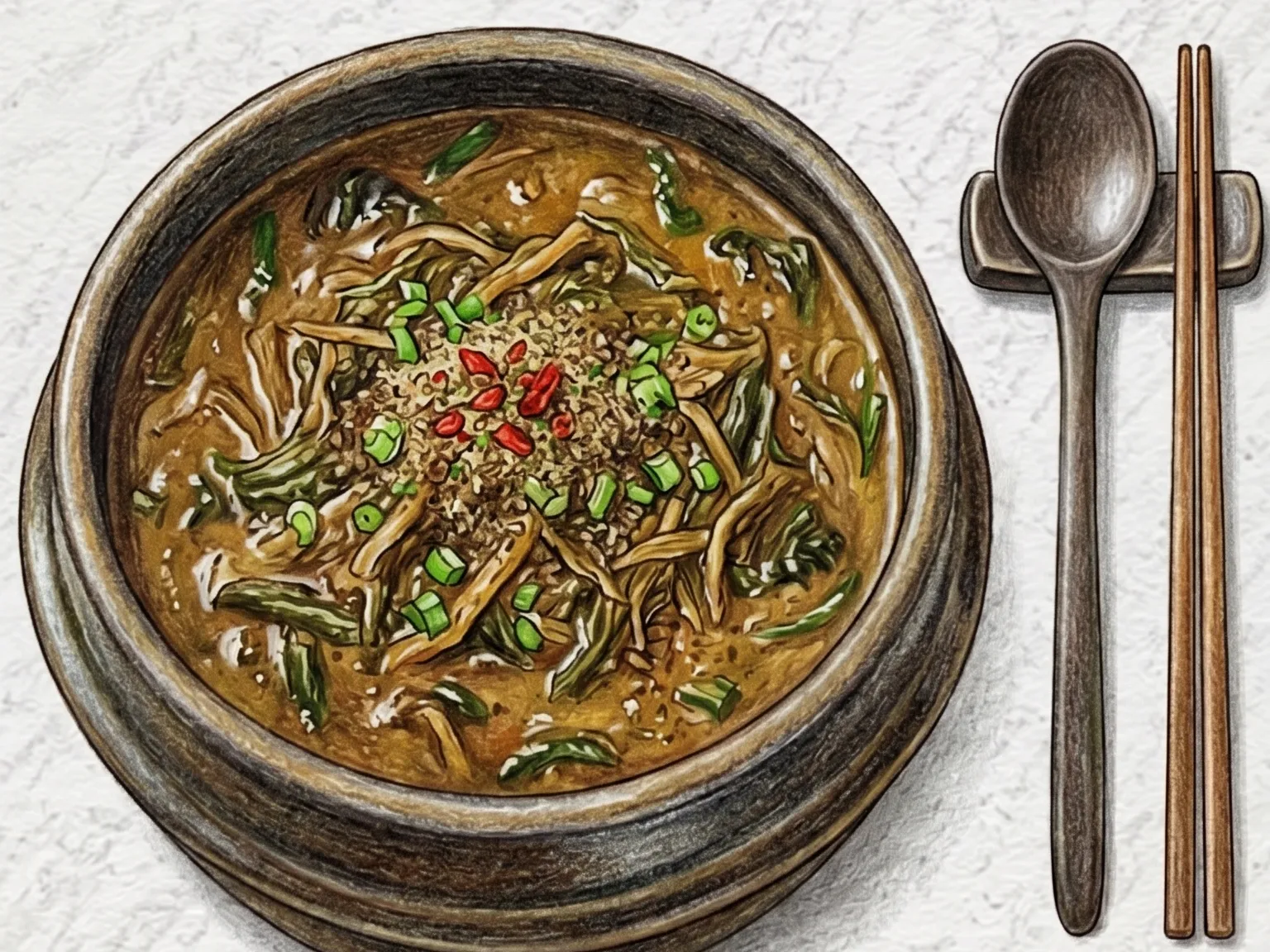
Siraegi deulkkae-bokkeum is a Korean stir-fry of pre-boiled dried radish greens seasoned with soup soy sauce and garlic, then cooked in perilla oil and finished with generous perilla powder. The greens are first tossed in the seasoning to let the flavors penetrate, stir-fried for three minutes, then simmered briefly with water and perilla powder until a thick, nutty sauce coats every strand. Green onion added at the end provides a fresh aromatic lift. Compared to the doenjang-based siraegi jorim, this version leans lighter and more distinctly nutty from the perilla.

Prep 15minCook 20min4 servings

Adjust Servings

2servings
servings

Instructions

  1. 1

    Trim tough fibers from radish greens and cut into 5 cm pieces.

  2. 2

    Pre-season greens with soup soy sauce and garlic.

  3. 3

    Stir-fry greens in perilla oil for 3 minutes.

  4. 4

    Add water and perilla powder; cook gently until absorbed.

  5. 5

    Add green onion and cook 2 more minutes.

🛒Shop Ingredients on Amazon

As an Amazon Associate, we may earn from qualifying purchases.

Tips

Cook greens thoroughly beforehand to avoid toughness.
Reserve a little perilla powder for finishing aroma.

Nutrition (per serving)

Calories
170
kcal
Protein
5
g
Carbs
11
g
Fat
12
g

More Recipes

Korean Stir-fried Radish with Perilla Powder
Stir-fryEasy

Korean Stir-fried Radish with Perilla Powder

Mu-deulkkae-bokkeum is a mild Korean side dish of finely julienned radish stir-fried and then simmered with perilla seed powder. Garlic and scallion are sauteed first for aroma, then the radish goes in and cooks under a lid with water and soup soy sauce until translucent and soft. Perilla powder is stirred in at the end, melting into the radish's released moisture to form a creamy, nutty coating. The dish has no heat at all, making it a versatile banchan; winter radish yields a noticeably sweeter result.

🏠 Everyday🍱 Lunchbox
Prep 10minCook 12min2 servings
Korean Taro Stem Stir-fry with Perilla Powder
Stir-fryMedium

Korean Taro Stem Stir-fry with Perilla Powder

Torandae-deulkkae-bokkeum is a traditional Korean side dish of boiled taro stems stir-fried in perilla oil and thickened with ground perilla seeds. The taro stems have a tender texture with a subtle fibrous chew, and the perilla powder absorbs the simmering liquid of soup soy sauce and water to form a creamy coating. Double use of perilla - both the oil and ground seeds - builds a pronounced nutty aroma throughout the dish. It is a seasonal home-style banchan that highlights the taro stem's distinctive slippery mouthfeel paired with rich perilla depth.

🏠 Everyday🍱 Lunchbox
Prep 20minCook 12min4 servings
Korean Butterbur Stem Stir-fry with Perilla
Stir-fryMedium

Korean Butterbur Stem Stir-fry with Perilla

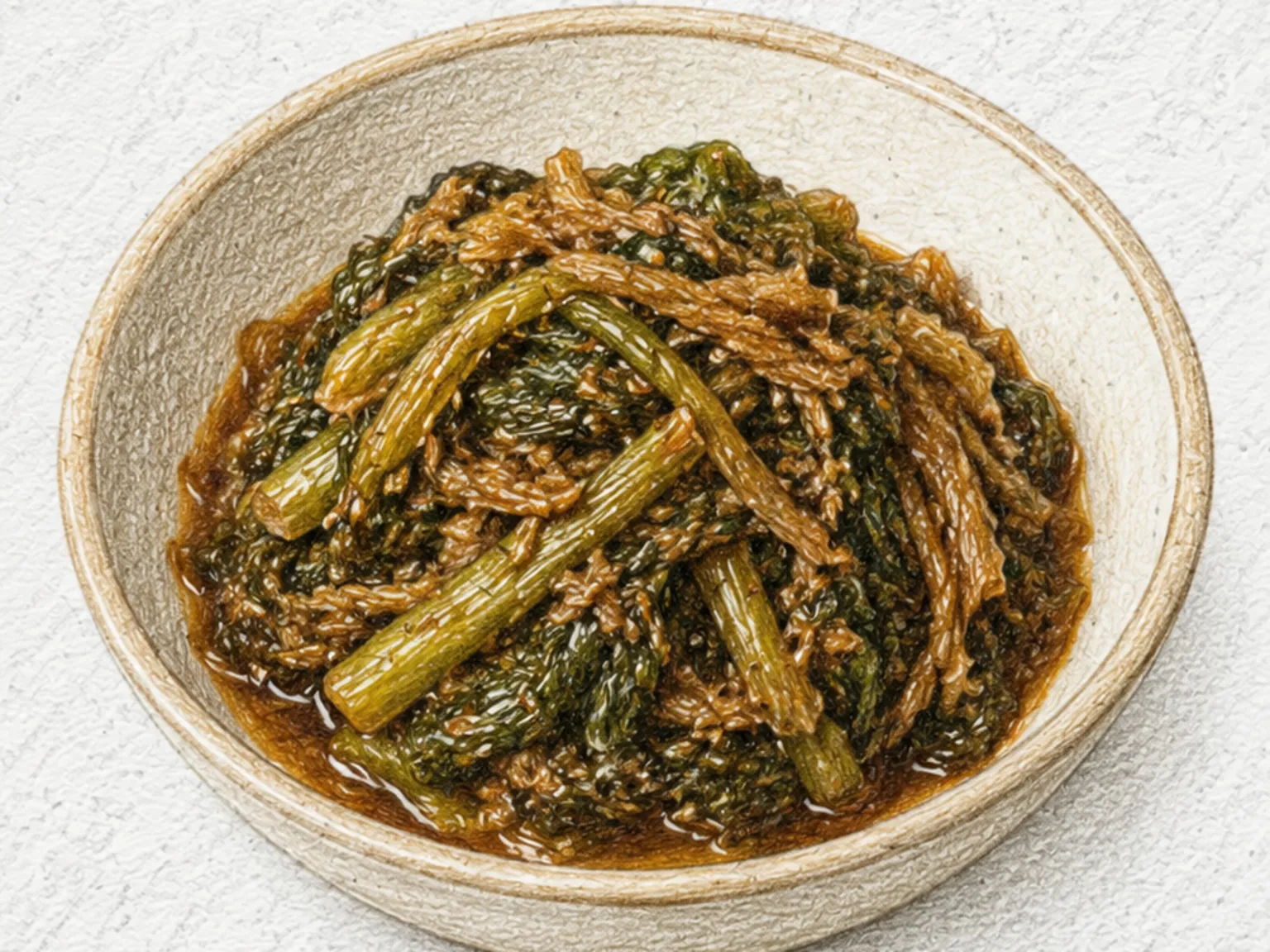
Meowi-dae-deulkkae-bokkeum is a seasonal Korean stir-fry of boiled butterbur stems coated in perilla seed powder and perilla oil. The stems are peeled of their tough outer fibers and cut into 5 cm lengths before a brief boil removes their natural bitterness, leaving a soft, slightly slippery texture. Soup soy sauce seasons the base, and perilla powder is folded in at the end to preserve its nutty, toasty fragrance. This dish appears most often in spring, when fresh butterbur is in season across Korean markets.

🏠 Everyday🍱 Lunchbox
Prep 25minCook 10min4 servings
Korean Napa Cabbage Perilla Stir-fry
Side dishesEasy

Korean Napa Cabbage Perilla Stir-fry

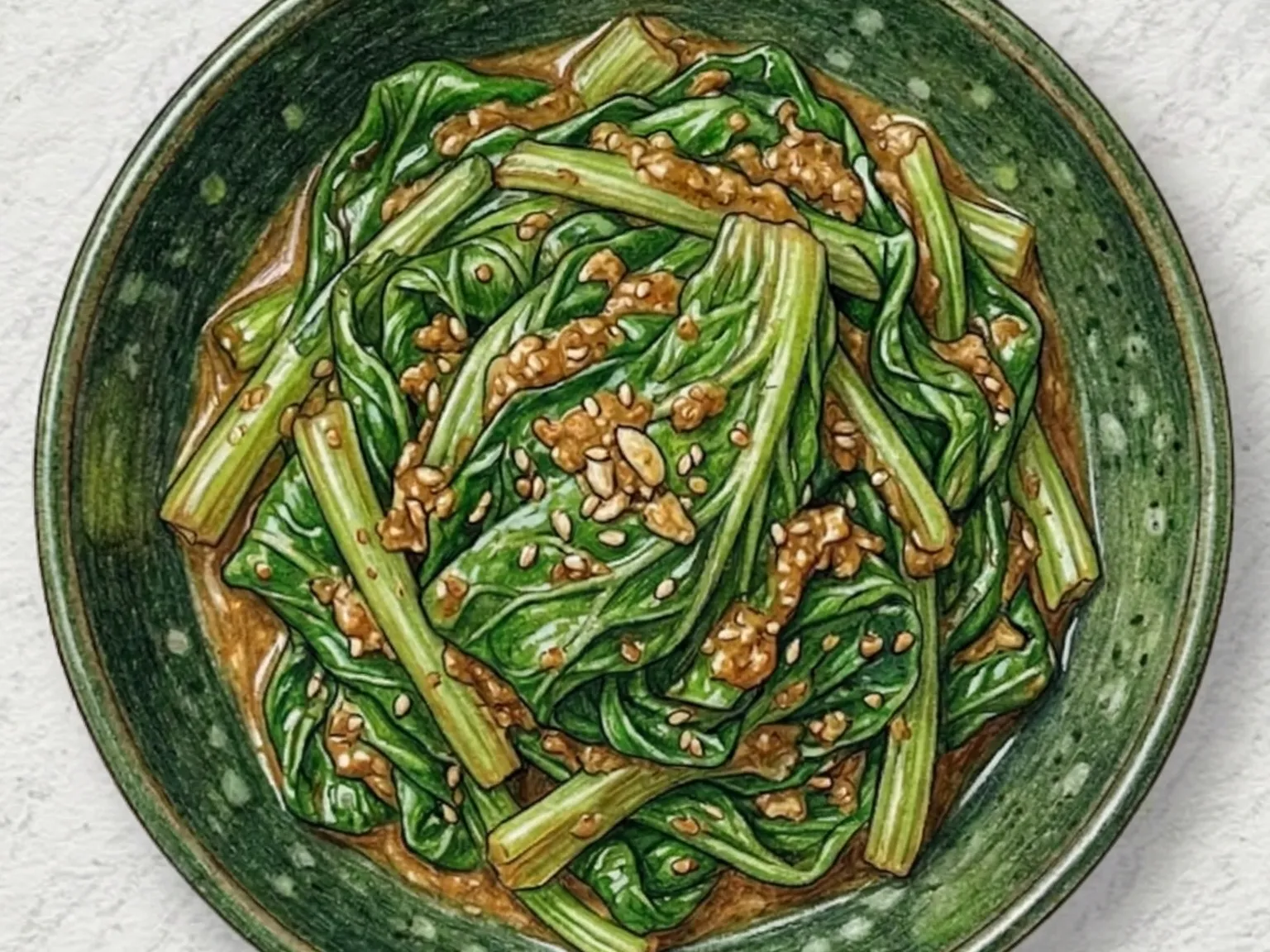
A Korean home-cooking staple found on family dinner tables far more often than in restaurants. Napa cabbage is tossed in perilla oil over high heat until wilted, then braised briefly with soup soy sauce until the leaves turn silky while stems keep a slight bite. Ground perilla seeds dissolve into the liquid at the end, forming a creamy, pale-tan coating with an earthy, seed-forward taste. Saucy enough to soak into steamed rice, it also travels well cold in lunchboxes.

🏠 Everyday🍱 Lunchbox
Prep 10minCook 10min4 servings
Stir-fried Korean Radish Namul
Side dishesEasy

Stir-fried Korean Radish Namul

Mu-namul-bokkeum is a foundational Korean namul made by stir-frying julienned daikon radish in perilla oil until the root's natural sweetness emerges. Cutting the radish into matchstick-sized strips and salting for five minutes draws out excess moisture, which is essential - without this step, the pan steams rather than sears, and the namul turns watery. Garlic goes into the perilla oil first to build an aromatic base, then the radish strips are tossed over medium heat for three to four minutes. During this process, heat converts the radish's starch into sugars, replacing the raw pungency with a mellow sweetness. Soup soy sauce seasons without muddying the color the way regular soy sauce would. A brief two-minute rest with the lid on finishes softening the radish while keeping moisture in check. This namul serves as one of the five-color toppings in bibimbap and is a required dish on ancestral rite tables (jesa). A final sprinkle of sesame seeds adds a toasted nuttiness.

🏠 Everyday🍱 Lunchbox
Prep 10minCook 12min4 servings
Korean Seasoned Radish Greens Namul
Side dishesMedium

Korean Seasoned Radish Greens Namul

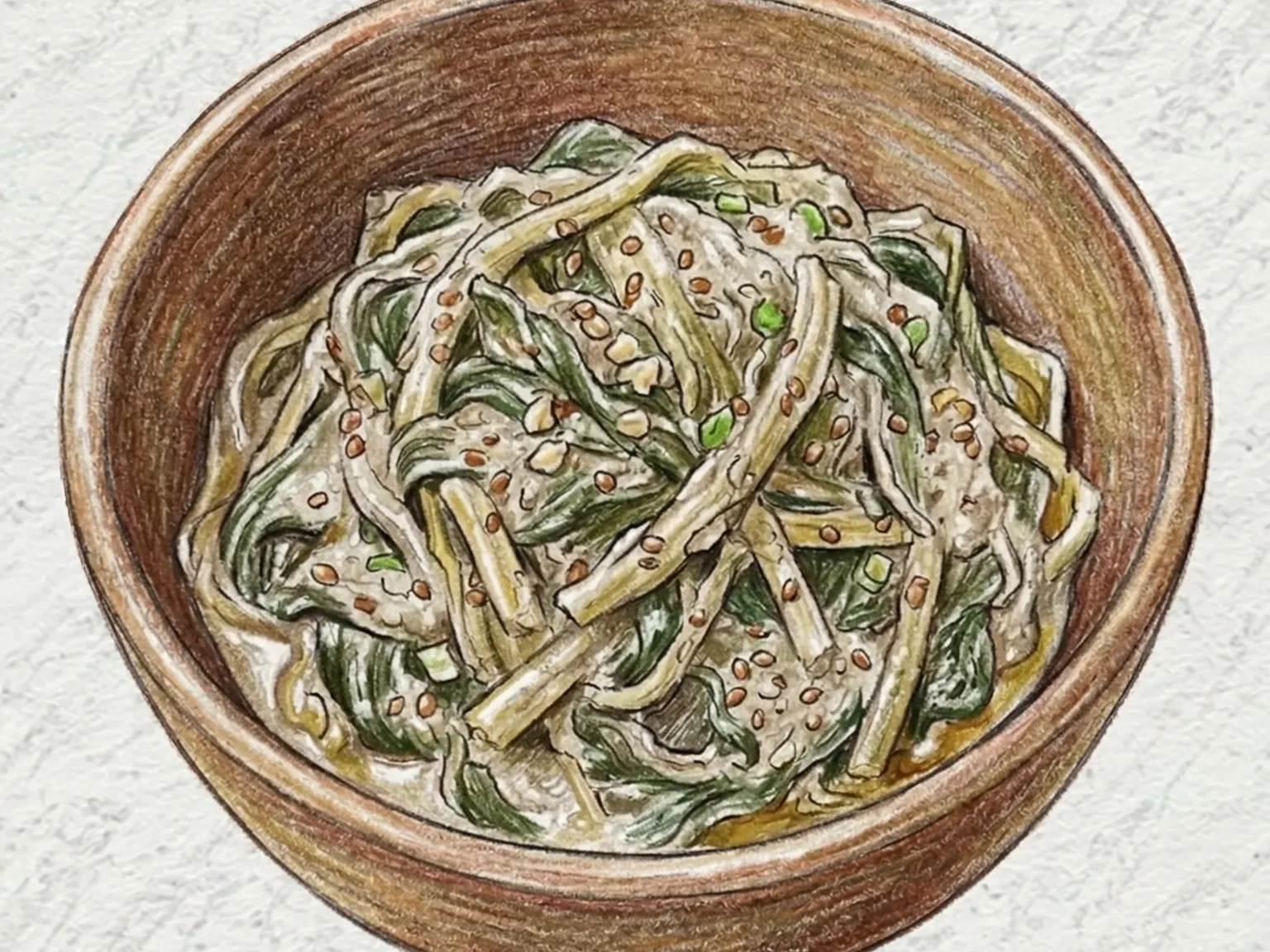
Dried radish greens are soaked, boiled until pliable, and dressed in a seasoning anchored by doenjang and ground perilla seeds. The drying process concentrates the fiber in the greens, giving them a satisfying chew that persists even after boiling: the outer layer turns silky while the inner stem retains a springy resistance. Doenjang supplies the salty, fermented backbone, and ground perilla seeds melt into a creamy coating that softens the roughness of the greens on the palate. A generous pour of perilla oil ties the dressing together, adding a glossy sheen and a rich, nutty fragrance. Minced garlic and chopped green onion introduce a sharp aromatic layer that cuts through the heaviness. Each bite releases more of the siraegi's own deep, vegetal flavor, a taste that builds rather than fades. Paired with steamed rice, the doenjang's salinity and the perilla's richness draw out the natural sweetness of the grain.

🏠 Everyday🍱 Lunchbox
Prep 20minCook 20min4 servings
More Stir-fry